
 Saagar Kote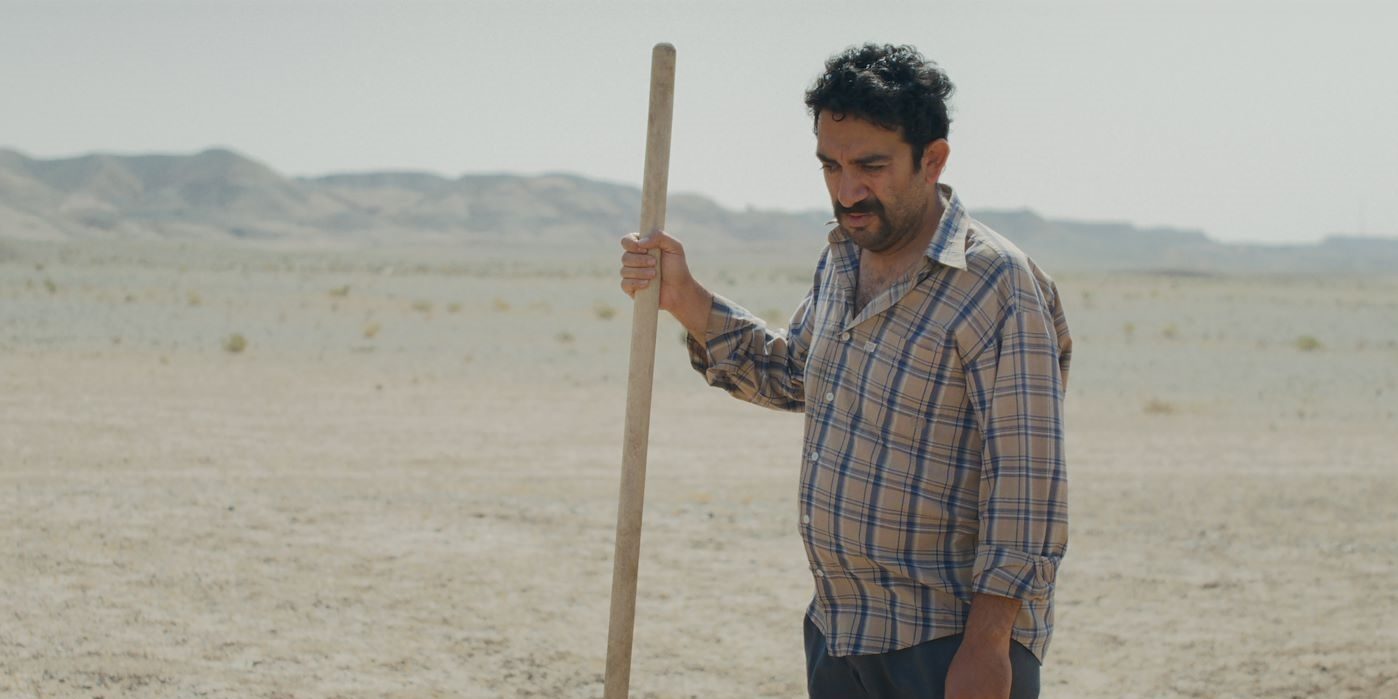
‘It Was Just an Accident’ or ‘Yek Tasadef Sadeh’ chronicles the journey of Vahid, a mechanic with a troubled past of incarceration. His seemingly mundane life is turned upside down when he crosses paths with Eghbal, a man who may be linked to his experiences in jail. He assumes that the man is the jailhouse captor who tortured him during his imprisonment by the Iranian authorities. Seeing his past and present converge, Vahid races against time and uncertainty to confirm if Eghbal is indeed the same man who tortured him.
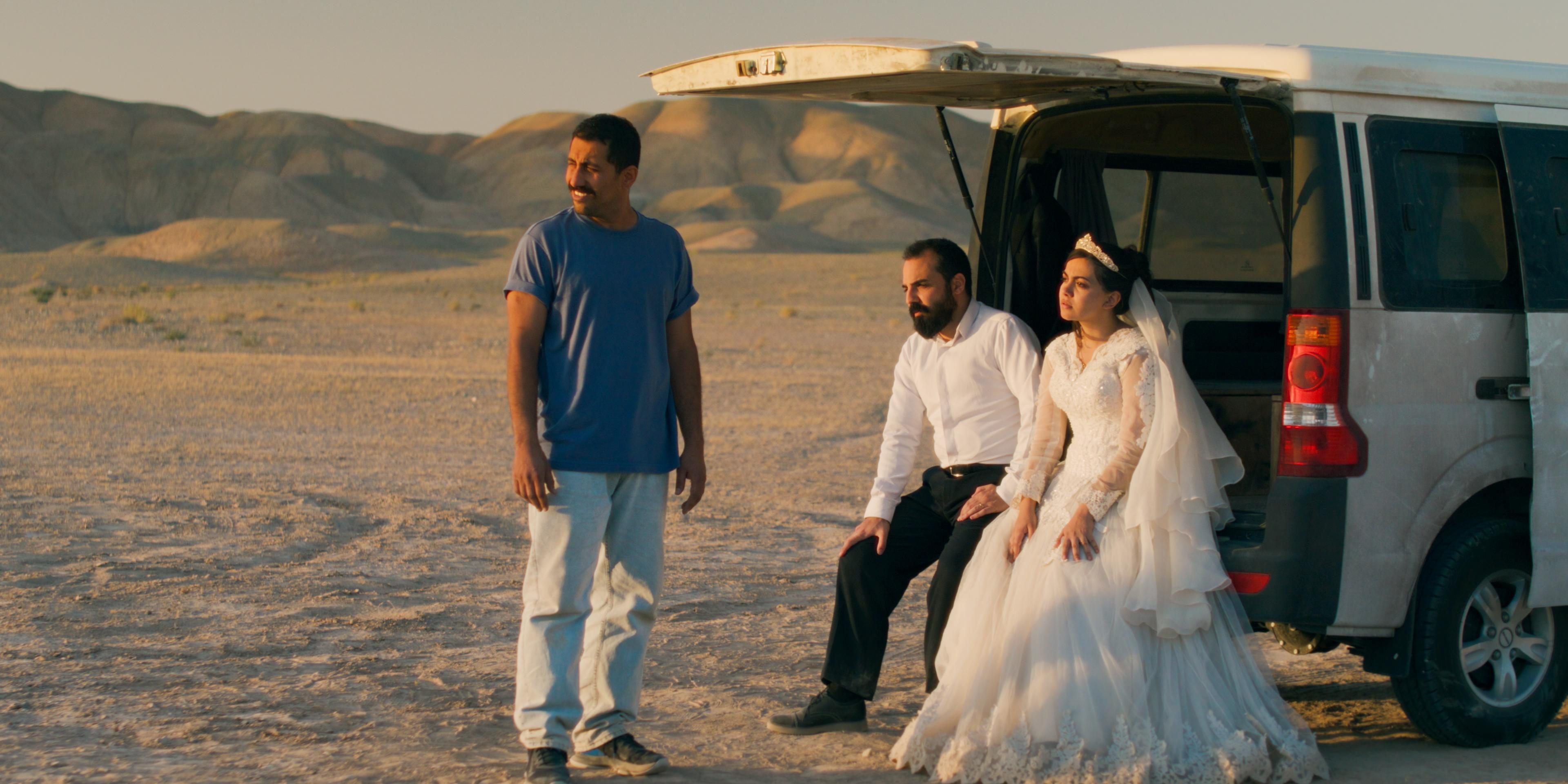
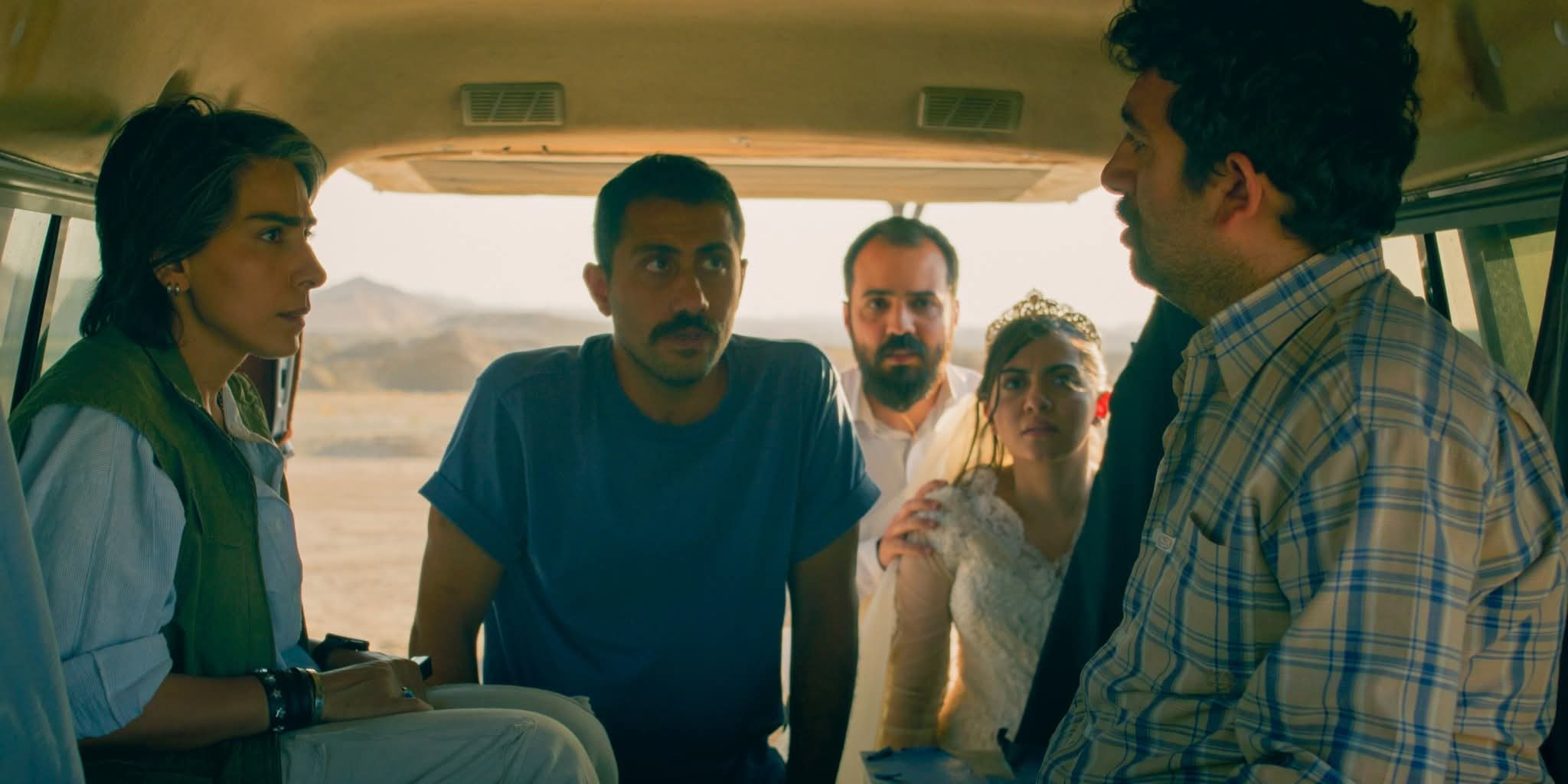
Consequently, Vahid kidnaps Eghbal, who happens to be an intelligence agent. The situation gets complicated when the mechanic also seeks help from his fellow former prisoners to confirm the agent’s identity, following which they transport him to an isolated area in a van. Directed by Jafar Panahi, the French–Iranian crime thriller drama film begins as a simple case of doubt and fate, but spirals into a layered examination of the complexities of violence, choice, and revenge.
It Was Just an Accident Is a Haunting Fictional Take on Reality
Written by the aforementioned director, ‘It Was Just an Accident’ is a brutal navigation of sensitive sociopolitical realities in the nation of Iran. Although the story and the characters are fictional, they are not random imaginations. Behind the nuanced storytelling, the director’s own experiences and conversations played a major role in determining the flavor of the movie. Jafar Panahi was imprisoned in 2010 and 2022 by the Iranian authorities for showcasing his views on the political reality of the country. He was released after spending a few months in prison in 2010. In 2022, he protested against the imprisonment of Mohammad Rasoulof and Mostafa al-Ahmad, his fellow filmmakers, which led to his own incarceration again. When he was released from Evin Prison in 2023, he wanted to make a film that would talk about his experiences in jail.
In an interview with Dazed, Jafar Panahi, talking about his time in jail, said, “We sat through interrogation sessions, blindfolded, in front of a wall, and the sound that we all heard just gradually penetrated us.” The filmmaker’s troubling experiences in jail also came with a surprising opportunity. He was able to have conversations with other prisoners who were serving longer sentences. The time he spent with them and the knowledge he gained inspired him to make a movie about torture and imprisonment. He added, “I heard from people who had been in the prison for 15 years. Afterwards, when I was outside, I was thinking about what I could do for my friends who were still in the prison.” The director wanted to show the reality of the people who have experienced violence in their lives.
Though fictional, Vahid and his fellow former prisoners in the film spiritually reflect the stories of the individuals that Panahi met in jail. The film is his way of shedding light on their ordeal and to educate the world about his perspectives on the Iranian regime. In a conversation with Interview Magazine, he opined that he wanted to ask questions about the cycle of violence in Iran and if it could ever be stopped. Ultimately, ‘It Was Just an Accident’ is more than just a film for the director. It is his way of asking difficult questions to those in power.
It Was Just an Accident is a Commentary on Torture, Revenge, and the Meaning of Life
‘It Was Just an Accident,’ at its core, is a poignant exploration of complex human realities. The experiences of torture drive Vahid and other former prisoners towards the kidnapping of the intelligence agent. However, the kidnapping of their alleged torturer puts them in a complex moral dilemma as they must decide between revenge and peace. The element of choice adds to the authenticity of the film. The story doesn’t romanticize the emotion of revenge, but observes it through the varying perspectives of the characters. The movie also highlights the value of human life and the consequences of revenge through a nuanced exploration of human nature. Whether or not revenge leads to the end of the cycle of violence is an important question it grapples with. Vahid is a spiritual representation of many prisoners and is more than just a fictional character.
His dilemma, moral conundrums, and quest for redemption make him a complex representation of the ordeals of those incarcerated and reportedly mistreated by the Iranian regime. While the plot appears cinematic and dramatic, the reality it wants to represent is deeper and realistic. In an interview with Deadline, Jafar Panahi stated that the film represents the lived experiences of people living under authoritarian regimes. He said, “The individuals who cooperate with that system don’t matter. What matters is the system itself that is broken.” One of the most important perspectives given by the filmmaker is that the film should feel realistic. He opined, “The audience does know that they’re watching fiction, but they’re constantly adapting themselves between realism and fiction, and this is how they can believe the story better.”
The fictional nature of the film doesn’t affect its realism, but gives the director the freedom to explore issues without the constraints of using real names. It is also possible that the film uses fictional names and characters to protect those who have been in and out of Iranian prisons in real life. During the filming process, Iranian political journalist Mehdi Mahmoudian was consulted by Panahi, as the former had been in and out of prison for a decade. Mehdi came to the set to give details to the actors about the ways in which interrogators act in real jails. Ultimately, the film is a poignant navigation of political reality, traumatic experiences, and the ways in which individuals try to make sense of them.
Read More: Is The Abandons a True Story?


You must be logged in to post a comment.