
 Diksha Sundriyal
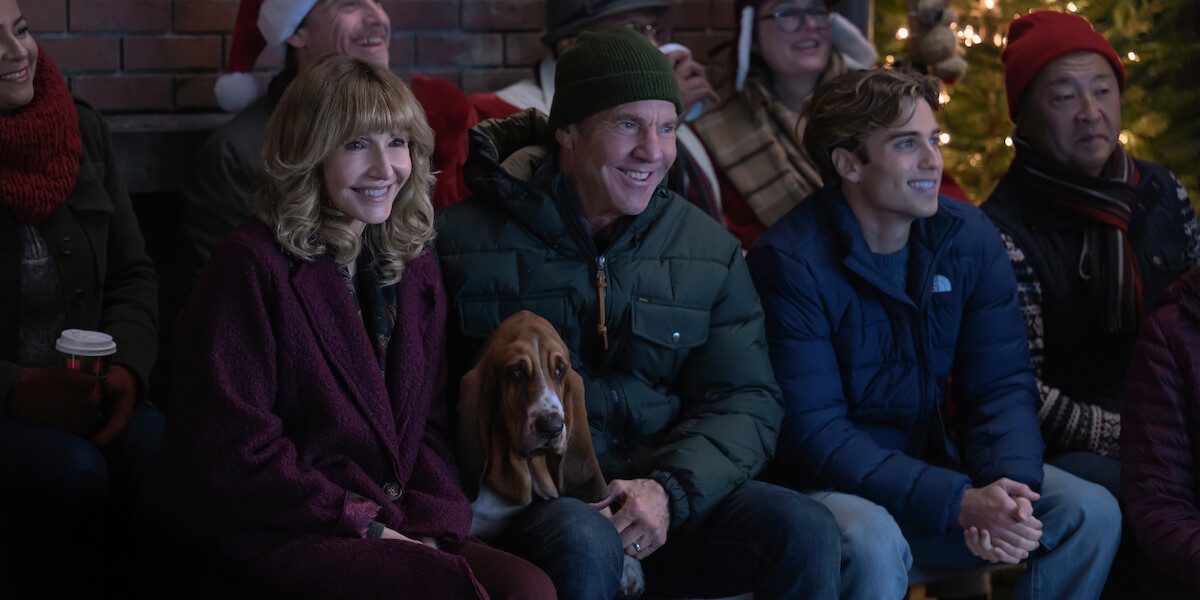
In Netflix’s ‘A Dog’s Perfect Christmas,’ the Goss family is destabilized when its matriarch faces a sudden medical emergency. Juliana Goss has been keeping the entire family together single-handedly. This includes her teenage daughter, Ello, her twins with her husband, Hunter, and her depressed father-in-law, Sander. But when she falls terribly ill, everyone has to come together and share responsibilities. All these developments are told from the perspective of the family dog, Winstead, who is later joined by another dog, Ruby. Despite being told from a canine perspective, the story carries a lot of weight due to its realistic issues. SPOILERS AHEAD.
The Fictional Goss Family Reflects on the Real Family Structures
‘A Dog’s Perfect Christmas’ is a fictional film based on the book of the same name by W. Bruce Cameron and adapted for the screen and directed by his wife, Cathryn Michon. For Cameron, the idea for the story originated from observing the general distribution of responsibilities in families. He noted that in many families, “the mom is more of a hero to Christmas than Santa Claus.” While everyone shares in the holiday spirit and celebrations, it usually falls to the mother to take care of everything. From planning everything to decorating the house to preparing meals and making sure everything lives up to the family’s expectations, they are usually the last ones standing, taking charge of cleanup once the celebrations are over.
“I wondered what would happen if the mom was unexpectedly taken out of the picture by an illness. Who would step forward?” the author wondered. This kernel led him to develop the idea of a family with a “grumpy and depressed grandpa and a snotty teenage girl” who have to save Christmas after the mom goes to the hospital for a while. To make things more interesting, he “tossed in a found puppy.” From here, Cameron fleshed out the characters, adding more details about their struggles, and preferred a dog’s perspective for the narration. He didn’t have any particular dog or his family in mind while writing the story. However, when Michon took on the adaptation, she enriched the film with her own ideas and inspirations.
The Director Painted Winstead in the Colors of Her Own Dog
While keeping the book’s core plot and message, screenwriter and director Cathryn Michon made some crucial changes to the adaptation. To begin with, she changed the dogs’ breeds. In the book, Winstead is a Wolfhound. However, in the movie, he is a Basset Hound. She noted that they are not an easy breed to train and that there are several reasons not to use them in a movie. However, Michon also noted that they are “the most loving, loyal, affectionate, and beautiful dogs,” and that their aesthetics are perfect for the camera. So, she spoke with Bonnie Judd, the film’s animal trainer, and it was decided that the difficulty of the task would be worth the reward. In the same vein, Ruby is not a Corgi in the book, but the director finds them to be the cutest puppies.
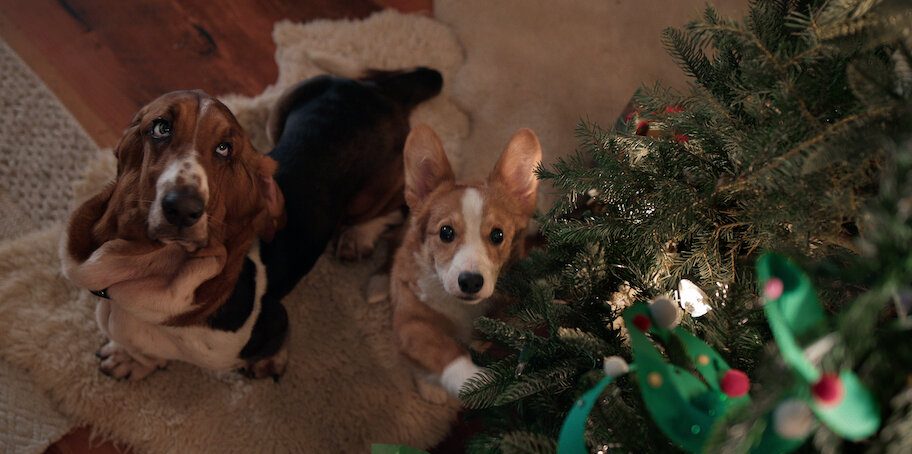
She revealed that Cameron would send her videos of Corgi puppies, and watching them inspired her to bring a Corgi to the film. Another notable change Michon made regarding the dogs is that, in the book, they are purebreds, but in the movie, both are rescues. “We’re animal advocates, and we always have messages about our opinions about animals in our movies. I just want people to know that whatever breed of dog you want, you can get one through rescue,” she added. The dog actors brought on board were highly trained and had to portray a character that fit the Goss family. For this, Michon referred to her own dog, Tucker.
She revealed that Tucker was a highly perceptive dog who didn’t like being left alone by his humans. The director noted that dogs usually have a heightened sense of perception toward their humans, but this was particularly evident in Winstead, highlighting his bond with Sander. This approach informed the dog actors’ training on set. Still, they were also free to improvise. In one scene, Winstead brings a book titled ‘I’m Still Here’ to Sander. Originally, he was supposed to bring ‘A Dog’s Purpose,’ but it was such a thick book that the dog actors couldn’t carry it with their mouths, which called for a change. Similarly, other adjustments were made to give the dog actors more space to bring the fictional dog characters to life.


You must be logged in to post a comment.