
 Diksha Sundriyal
Netflix’s ‘East of Eden’ follows the multigenerational story of the Trask family and the people whom they influence and are influenced by. The seven-part series adapts John Steinbeck’s novel of the same name and, for the most part, remains faithful to it. This means keeping the core of the characters, no matter how flawed and complicated they were. One of the most fascinating characters in Steinbeck’s novel is Cathy Ames, brought to life by Florence Pugh. From the start, she is portrayed as a calculating, conniving person whose sense of morality is so unhinged that she sees others’ goodness as an abnormality. Still, she is not portrayed as entirely unrealistic in an otherwise fictional story. SPOILERS AHEAD.
The Inspiration for Cathy Ames is Rooted in John Steinbeck’s Second Marriage
While ‘East of Eden’ is not based on a true story, John Steinbeck did mention on several occasions that certain characters in the book were based on the people he had known. The Hamiltons, for example, were reportedly based on his mother’s family. In the same vein, he is also reported to have revealed that the character of Cathy Ames was based on his second wife, Gwyn Conger. The author first met her after the success of his now-classic novel, ‘The Grapes of Wrath.’ At the time, he was already married to his first wife, Carol Henning, while Conger was a singer at a nightclub. They got married in 1943 and had two sons, Thomas and John Jr. However, their marriage ended in 1948, and in 1952, ‘East of Eden’ was published, immortalizing the vicious Cathy.

Steinbeck’s account painted Conger as a heavy drinker and adulterer. Considering that he presented Cathy as evil incarnate in his fictional book, one can imagine the image he must have had of his second wife, if she really was the inspiration for the character. However, a few years after his death, Conger shared her own account of their relationship, which wasn’t published until 2018 as ‘My Life with John Steinbeck: The Story of John Steinbeck’s Forgotten Wife.’ In it, Conger stated that Steinbeck himself had a mistress while he was married to her. She also claimed that he had never been attentive or affectionate towards her and their two sons.
According to her, he had never wanted children and claimed that when their second son was born prematurely, he wished that the baby would die. She also claimed that he had made a similar remark earlier during her pregnancy, calling her health problem a liability that had complicated his life. In the book, Conger describes him as a “sadistic” man and states that eventually, his lack of love and care towards her and their sons led to their divorce. If one goes by Conger’s account, it wouldn’t be too far-fetched to believe that Steinbeck may have explored the dark aspects of himself through Cathy’s character.
It doesn’t necessarily mean he himself was as evil as she was, and conversely, it doesn’t mean that Conger was as ruthless and unfeeling as Cathy. If anything, Cathy is most likely a massive exaggeration of whatever darkness the author saw in himself or the people around him. In the book, he compares Cathy to Satan, using words like “demonic” and “malformed soul,” and even describes her in a way that gives her the appearance of a snake, presenting her as the serpent who disrupted everything in the Garden of Eden. This imagery fits with the overarching theme of the Trask brothers reliving the story of Cain and Abel, making Cathy more of a symbol than a representation of an actual human being.
Cathy Ames Shows Strong Signs of Sociopathy
Through the character of Cathy Ames, the audience of ‘East of Eden’ is taken back to the age-old question of whether monsters are born or created. Interestingly, almost every character, particularly the Trask brothers, is explored through the concept of “timshel,” which puts a person’s fate in their own hands. Characters like Cal, who fear they may have an innate darkness inside them, are told that, despite everything, they still have the choice to be good. Whether they become good or evil depends entirely on their actions. Cathy, however, seems to be removed from that choice. Right at the outset, she is described as a monster born to human parents.
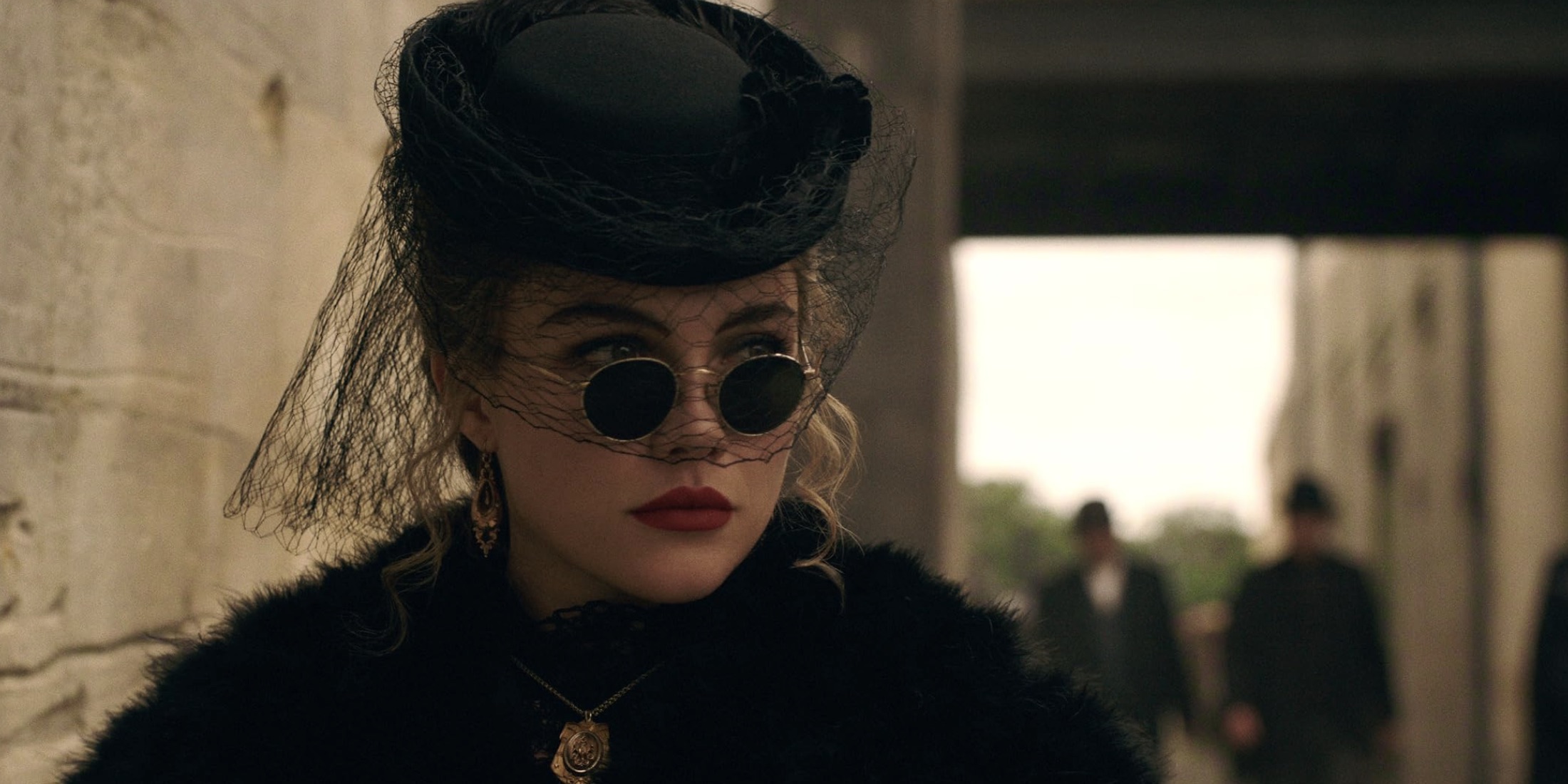
Her lack of empathy and the complete inability to see the good in people is compared to a person born with disability and not knowing that they are likely to have something they weren’t born with. Her situation is best explained by Cal, who asks her whether she ever feels that something is lacking in her, as if there were a secret she is unaware of, while everyone else knows it. Steinbeck explained this in his East of Eden letters, stating that, for Cathy, “life is one of revenge on other people because of a vague feeling of her own lack.” All of these points towards the fact that Cathy was born with this evil, not created. So, her lack of guilt, her need for control, her expertise in deceit and manipulation, aided by her strong charm and charisma, tick off almost all boxes for someone with an antisocial personality disorder or sociopathic tendencies.
The Netflix Series Tries to Explain Cathy’s Villainy
The Netflix adaptation adds to Cathy’s character by introducing, or rather differently interpreting,g a part of her backstory. It is suggested that something traumatic happened to her when she was five, and seeing the darkness in others at such a young age blinded her to the general goodness in people. Thus, despite meeting kind people throughout her life, she never truly learns to accept kindness, because she believes it will be tainted and she will suffer for it. So she makes others suffer instead and, in her mind, explains it as her own twisted form of justice. In her eyes, she is simply peeling back the facade of goodness and exposing these people’s hypocrisy.
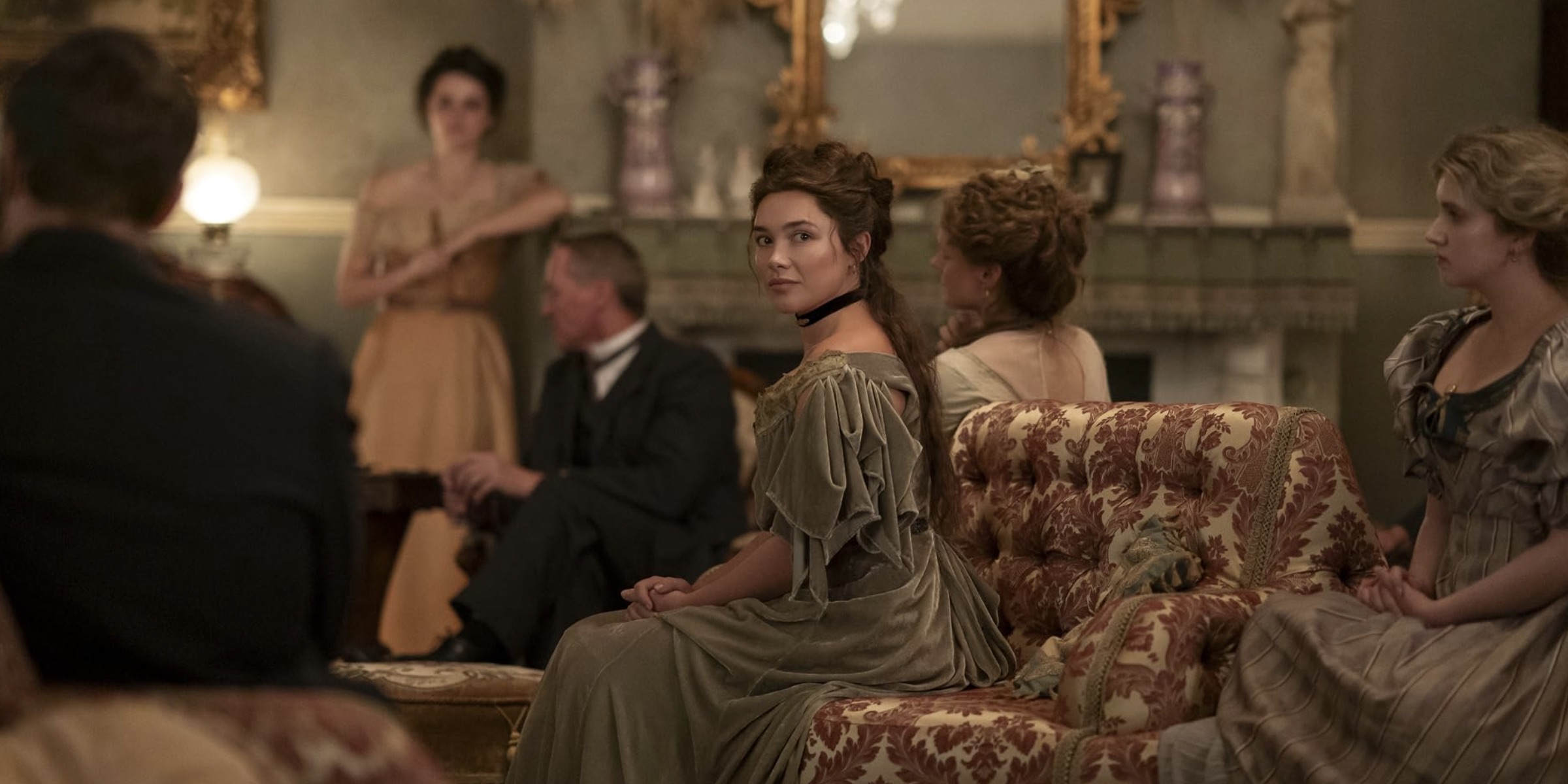
Steinbeck, however, doesn’t offer any such explanation in his novel, presenting Cathy as a direct counterpoint to the excess of goodness in people like Adam. Following the book’s success, the author stood by his initial portrayal of Cathy as manipulative, viewing human emotions as something to profit from. It isn’t that she doesn’t understand these emotions. Rather, she can read anyone like an open book, but her brain is wired to ignore whatever good a person may have and focus entirely on the bad. This is why she is never able to love her own parents or a mother figure like Faye, and cannot understand Adam’s unrelenting love for her.
It is easier for Cathy to understand Charles because he sees her for who she is and doesn’t try to impose his own sense of goodness and morality on her. At one point, she tells Adam that she may have been able to love his brother, and the show takes it a step further by making Charles her inner voice in the final episode. This shows that Cathy wanted to be understood more than to be loved or to be seen as someone who needed to be fixed. A faint version of this is later seen in Abra, whose relationship with Aron deteriorates as he projects his own idea of a perfect girl onto her. And this desire to be seen is perhaps the most human quality of all in Cathy.
Read More: East of Eden Ending Explained: Why Does Adam Say Timshel?


You must be logged in to post a comment.