
 Shivangi Sinha
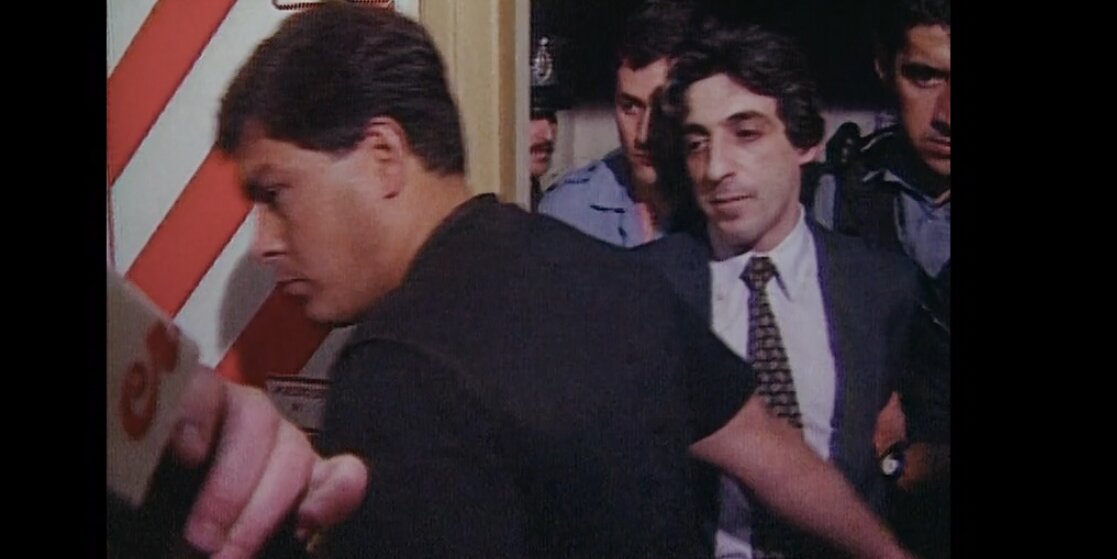
On the night of February 17, 1994, when the Bagnato house in the city of Flores, Buenos Aires, Argentina, caught fire, there was just one survivor: Matías Bagnato. He had lost his parents and two younger brothers in the fire. Another 11-year-old boy, a friend of one of the children who had been staying at the house, was also killed in the incident. Suspicion immediately fell on Fructuoso “Cacho” Álvarez González, a relative of the family. HBO Max’s ‘The Flores Massacre’ (originally titled ‘La Masacre de Flores’) gives a detailed account of the case and the evidence that led to his conviction.
Fructuoso Alvarez Gonzalez Had Loaned Money to José Bagnato for His Business
Fructuoso “Cacho” Álvarez González was born around 1960 in Asturias, Spain. He was very young when he moved with his family to Argentina, where he eventually made his fortune as a businessman. Cacho owned car dealerships and video-game arcades, and also administered Casandra, a legal sex work enterprise. He was related to the Bagnato family through his wife, who was their cousin. His association with them grew closer in 1993, after he gave José Bagnato a loan to save his shoe business. In the documentary, Matías claimed that Cacho allegedly increased the amount of debt owed and further accused him of threatening his family.
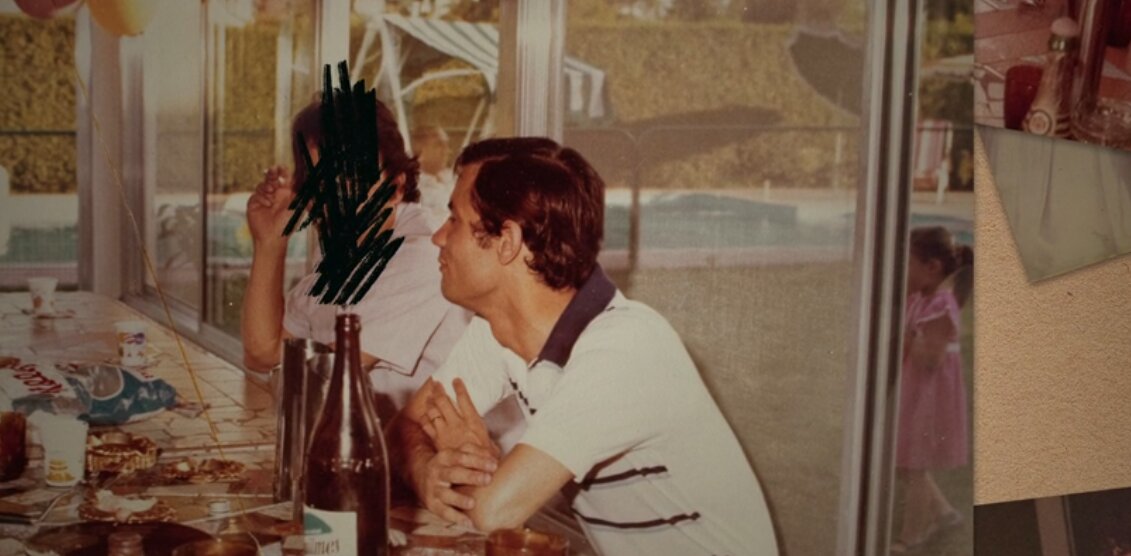
José and Alicia Bagnato filed several complaints against Cacho from October 1993 onward. In their reports, they claimed that he was allegedly calling them at odd hours and accused him of threatening to “burn and kill” them. One of the complaints described an alleged incident involving Alicia’s mother, Norma Calzaretta. They stated that Cacho had allegedly assaulted and humiliated her before fleeing when they tried to stop him. On February 17, 1994, at around 3:30 am, two canisters of liquid phosphorus were thrown into the Bagnato house in Flores. A neighbor saw a Renault Fuego coupé stop at the corner and a man throw two containers into the house, making him an important witness in the case.
At 16, Matías Bagnato became the sole survivor of his family. He and his grandmother, Norma, along with other family members, quickly told the police that Cacho should be considered a suspect. Investigators also took into account the complaints about the alleged threats, and on February 21, 1994, they arrested him. During his trial, a couple who had rented their property to Cacho also took the stand and testified that he had allegedly set their premises on fire following an argument. The neighbor who had seen the man throwing the containers into the Bagnato house also identified Cacho in court as the perpetrator. In his defense, Cacho’s legal team claimed that he had intended to cause property damage to recover his money but had no intention of killing the family. However, prosecutors argued that the timing of the incident, when the family would have been asleep, indicated otherwise.
Fructuoso Alvarez Gonzalez Passed Away Soon After He Broke His Hip
In November 1995, Fructuoso “Cacho” Álvarez González was found guilty of aggravated homicide by means suitable to create a common danger and was handed a life sentence. In 1996, his sentence was upheld on appeal. In 2000, while serving his sentence at the old U9 prison in Neuquén, Cacho earned his high-school diploma. His defense team later sought to have him extradited to Spain, as he also held Spanish nationality. In March 2004, he was transferred to a prison in Madrid under the Argentina–Spain treaty. In November 2008, the Spanish court converted his life sentence into a 20-year term and released him, citing his good behavior behind bars. Records stated that the date of the crime had been incorrectly recorded as 1990, allowing him to apply for parole four years earlier than he otherwise could have.
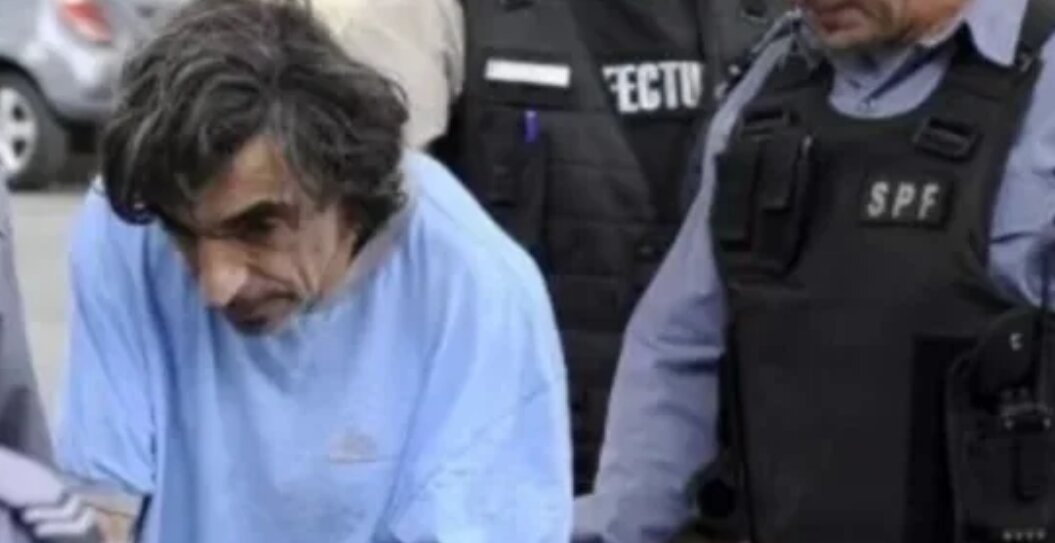
In December 2008, Cacho returned to Buenos Aires and lived as a free man. Around 2009, Matías Bagnato claimed that he had started receiving phone calls similar to those his family had allegedly received before they were killed. He accused Cacho of holding a vendetta against him and said that he was allegedly being threatened at the time. In July 2011, authorities ordered Cacho’s recapture after discovering irregularities surrounding his release. On December 4, 2011, he was found hiding in a false ceiling at a villa in Tortuguitas and taken into custody. Between 2017 and 2018, his legal team attempted to have him transferred back to Spain, but their request was denied.
In February 2022, Cacho’s defense team sought a fixed sentence-expiry date, citing his deteriorating health condition, but the request was denied. In December 2022, at the age of 63, Cacho fractured his hip and had to undergo surgery. In February 2023, he was placed on a pre-release program, but his parole was denied in March after the judge found that there had been a regression in his conduct. He had undergone surgery in January that year, but the prosthetic implant became infected. On April 4, 2023, Cacho was transferred to Ezeiza Hospital. After suffering multiple cardiorespiratory arrests, he passed away on April 30, 2023.
Read More: Aubrey Trail: Where is Sydney Loofe’s Killer Now?


You must be logged in to post a comment.