
 Diksha Sundriyal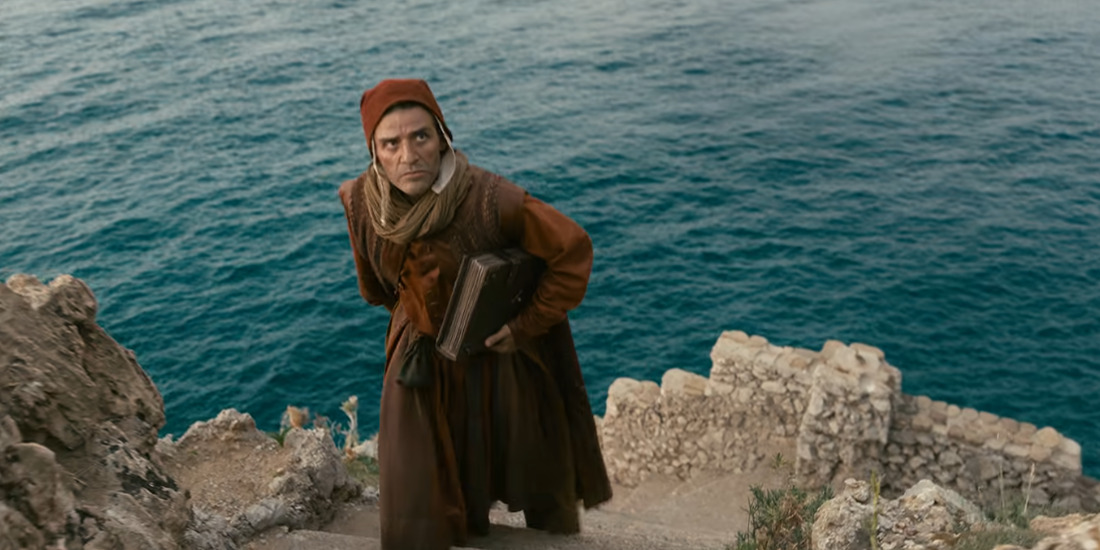
In Netflix’s ‘In the Hand of Dante,’ the quest to get their hands on the original manuscript of ‘The Divine Comedy’ leads an author down a dangerous path. His story runs parallel to that of Dante Alighieri, who wrote the epic poem after being exiled from his home, Florence, and while trying to find the meaning of love, life, and death. While Dante’s side of the story takes a more spiritual approach, the other author, Nick Tosches, takes one violent turn after another. The desire to possess the priceless manuscript creates trouble for everyone involved, and amid all that transpires, it raises the question: Is it even real? And what would happen if it were? SPOILERS AHEAD.
Dante’s Manuscript in In the Hand of Dante is Entirely Fictional
In ‘In the Hand of Dante,’ author Nick Tosches is hired by a gangster who tells him that the original manuscript of ‘The Divine Comedy,’ written by Dante Alighieri, has been found. Nick finds this hard to believe because, historically, the original manuscript is not supposed to exist. He is proven wrong when he finds a manuscript that seems to check all the boxes. In real life, however, Dante’s original manuscript remains elusive. To this day, no manuscript in Dante’s handwriting has been found. It is not known what happened to it, but it may have either degraded over the years or been lost due to an unknown event.
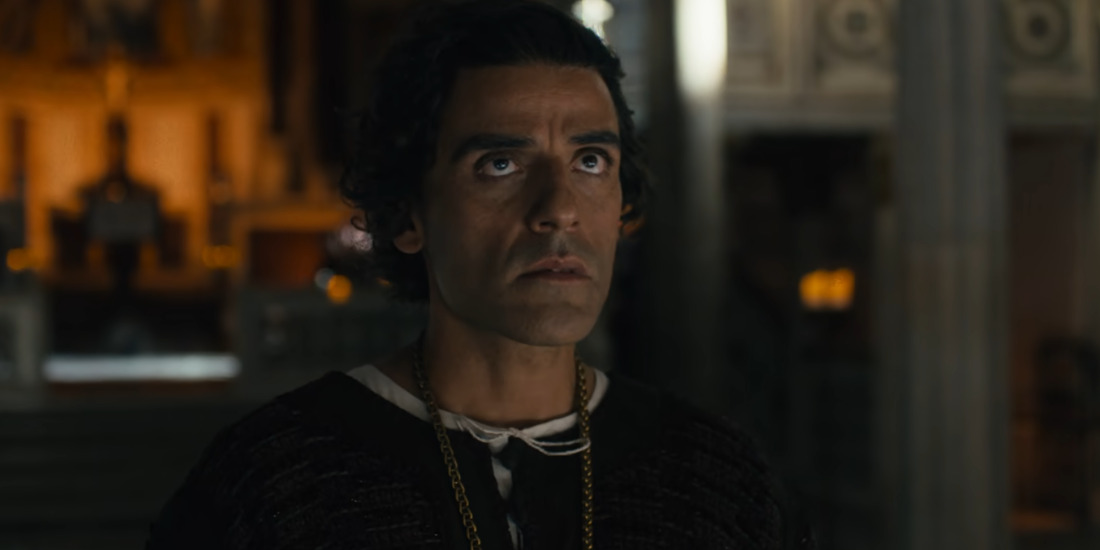
While the original might not be around, we do have its hand-copies from the 14th and 15th centuries. Reportedly, there are at least eight hundred manuscript copies of the same, which attests to the popularity of Dante’s work even in its early years. The first printed version of the poem appeared in Foligno, Umbria, in the second half of the 15th century, with illustrated editions following in the 1480s in Florence and Brescia. The translated versions also appeared over the years, with a reported 400 versions existing in over 52 languages.
The version Nick finds in the movie is supposed to be the one Dante himself wrote on rare parchments specific to his work, with unique watermarks in the background. As fascinating as it sounds, the fact remains that Dante’s original work has been lost to history, and every version read and circulated is a mere copy. Still, the age and proximity to the original make these copies rather valuable. With the value that they hold, one can only imagine what an original manuscript would be worth if it were found.
The Film Discusses Commercialization of Art Through the Fictional Manuscript
‘In the Hand of Dante’ is a fictional story written by Nick Tosches, who had always loved Dante and wanted to write something about him. The author’s desire to explore the Italian poet’s story led him to create a contemporary narrative about an author whose unlikely dream is fulfilled when he comes across Dante’s original manuscript. Given that Tosches was the poet’s fan in real life, it wouldn’t be far-fetched to assume he dreamed of finding the original manuscript himself. What didn’t happen in real life, he turned into a compelling storyline for his novel.
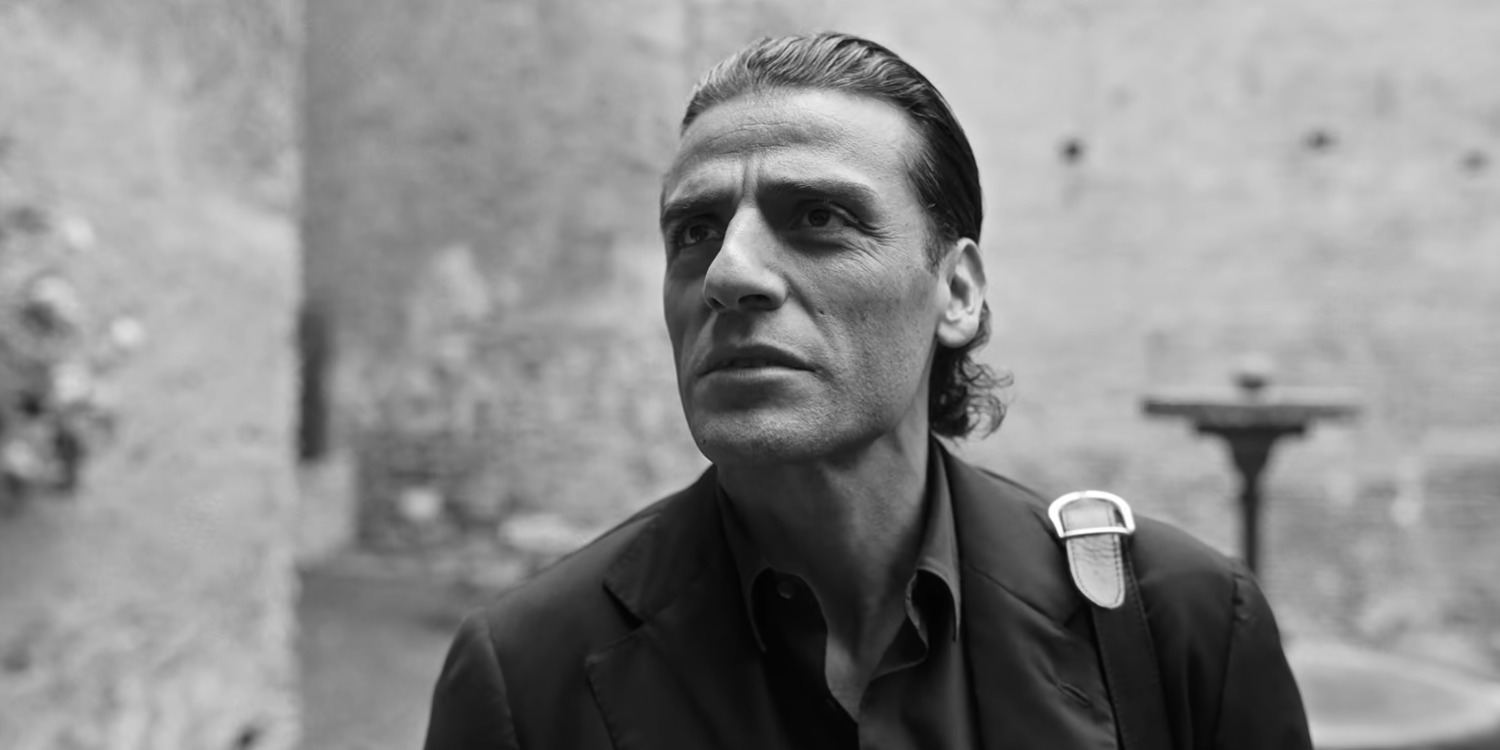
One of the themes in Tosches’ story is the exploration of art’s importance. From Dante’s point of view, we see that ‘The Divine Comedy’ is something that he pours his heart and soul into. He is forced to leave his home and embark on an emotionally, spiritually, and physically grueling journey that leads him to write something that would echo through the centuries to come. However, by the time Nick Tosches comes across it, the manuscript has been reduced to nothing but a commodity. Its pricelessness means that it is worth killing innocent humans over, and the people who want it aren’t really even interested in what Dante wanted to say through it.
In one scene in Joe Black’s office, it is discussed how he has a painting that he doesn’t really like but owns because of how much it’s worth and how it will make him seem to others. Later, Nick says that even though he doesn’t like the painting, he would keep it for several years so he could sell it for a higher price. Dante’s manuscript is to be put through the same fate: someone will eventually get to keep it after paying an exorbitant amount or by killing the previous owner, and it will be reduced to a pricey accessory they own. This commodification of art and how it twists the art and the artist’s intention is one of the core points of the story. Thus, the fictional manuscript becomes a device not only to further the plot but also to paint a realistic portrait of the characters in its context.
Read More: Is Oscar Isaac’s Nick Tosches Based on the Real Author? How did He Die?


You must be logged in to post a comment.