
 Diksha Sundriyal
Netflix’s ‘The Bombing of Pan Am 103‘ tells the story of a sudden crash that devastated the town of Lockerbie, Scotland. On the evening of December 21, 1988, the plane took off from Heathrow Airport in London and was headed to JFK Airport in New York. More than 30 minutes later, a bomb went off inside the plane’s cargo holding area. The resulting explosion rained down the debris on Lockerbie, killing 11 locals, in addition to the 259 people on board the plane. While the six-part series mainly focuses on the ensuing investigation, we also get to see the stories of two passengers who met different fates.
Jaswant Basuta Missed the Pan Am 103 Flight
Jaswant Basuta had come to Belfast to attend a family wedding in December 1988. On December 21, he was supposed to take Pan Am 103 to go to New York, where he had a new job waiting for him. The 47-year-old car mechanic was to be picked up at JFK airport by his wife, Surinder. His family members came to see him off at the terminal, but because the mood was still celebratory, they decided to have a few drinks at the airport bar. Jaswant had already checked in for the flight and still had a lot of time on his hands. He thought he’d still be able to catch the flight. However, one drink turned into many, and by the time he looked at the time, it was too late. He rushed towards the gate, but by the time he arrived there, the plane was already on its way.
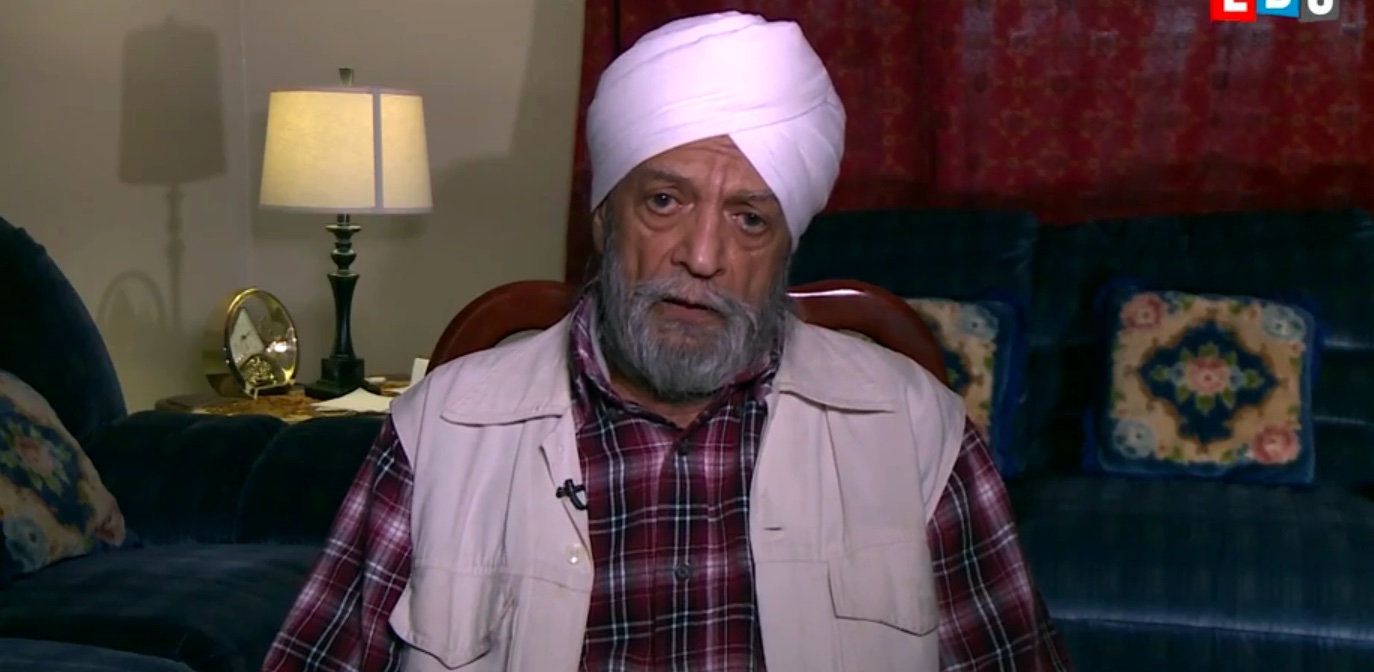
Jaswant tried to book another flight, but due to the Christmas season, none were available. He felt bad about missing the plane and didn’t know how to call and tell his wife he wasn’t going to be home, at least not until his next flight was confirmed. He decided to take a nap in the departure lounge, but barely half an hour later, he was woken by two police officers. It took Jaswant a bit to realize that the plane that he had missed had crashed, leading to the death of all the people on board. Since he did not get on the plane, his checked-in bag should have been removed. Due to security protocol failures and to avoid further delays, his checked bag was left on board. The cops wondered how his bag had made it onto the plane, but he had missed it.
The interrogation lasted several hours, and it ended with the conclusion that Jaswant was just another innocent and rather lucky passenger. When they called his wife, she had assumed that he had died in the crash, and it took some convincing to let her know that her husband was indeed alive. Now in his mid-80s, Jaswant lives in Valley Cottage, New York. Having missed a close call with death gave him a significant perspective shift and deeply humbled him. He turned towards spirituality, religion, and helping others, believing God had given him a second chance. He rarely talks about his experience, but he shared his story in a documentary for the 30th anniversary of the bombing. Apart from that, he has lived a quiet and private life.
Khaled Jaafar Was Unfairly Claimed as an Initial Suspect
Khaled Jaafar, a resident of Dearborn, Michigan, had been visiting his friends in West Germany in 1988. He had attended private school in Beirut, Lebanon, living with his grandparents, who were a prominent family in the country. His father, Nazir, had been trained as a lawyer and would have secured a seat in the Lebanese parliament. But the civil war forced him to flee his country and move to the US in 1974. He first settled in Scranton, Pennsylvania, and ran an import-export business. After a brief move to San Diego, he eventually settled in Dearborn, Michigan, where he owned a gas station. His son, Khaled, had attended his first year of college in Lebanon, but was to move to the US and continue his studies in Detroit. He had planned to become an architect.
The 20-year-old is remembered by his loved ones as a person with varied interests. He liked cars and soccer. He had taken up automotive courses at a vocational school in Detroit, which he was due to begin once he returned home from his trip. On December 21, 1988, he boarded Pan Am 103, which crashed due to a bomb explosion. His remains were found more than two weeks later in Lockerbie. If the grief of losing their son wasn’t enough, Khaled’s parents found themselves in a different kind of hell when allegations were made against their late son. Due to his Lebanese background and recent travel history, he quickly became the target of unfounded media speculation and conspiracy theories.
Ten days after the bombing, his family saw his name being mentioned on a CNN broadcast for allegedly bringing the bomb on board. Nazir immediately contacted the investigators in Lockerbie, who confirmed that his son was not considered a suspect. He then asked the network to contact investigators in Lockerbie, confirm the truth, and stop broadcasting unsubstantiated claims about his son. While they complied, the story stuck in the media. At one point, it was alleged that Khaled may have unknowingly brought a bag on board, possibly given to him by someone in Lebanon. However, the family said that he hadn’t been very political and knew better than to take a bag from just anyone. The Jaafars stood their ground and told the news outlets to get proof before running stories about Khaled.
Related


Khaled Jaafar’s Family Fought Hard for His Innocence and Justice
Ready to clear his son’s name, Nazir Jaafar began collecting items he believed could serve as evidence of Khaled’s innocence. However, he didn’t have to go as far as to present that evidence in court since his son was never formally considered a suspect. Even when two Libyan nationals, Al Amin Khalifah Fhimah and Abdelbaset al-Megrahi, were arrested and put on trial, the Jaafar family couldn’t completely shake off the suspicions against their son from the public’s mind. Their other two children, ten and nine years old at the time, were bullied in school. Khaled’s mother suffered anxiety attacks, and his father reportedly became dependent on Valium.
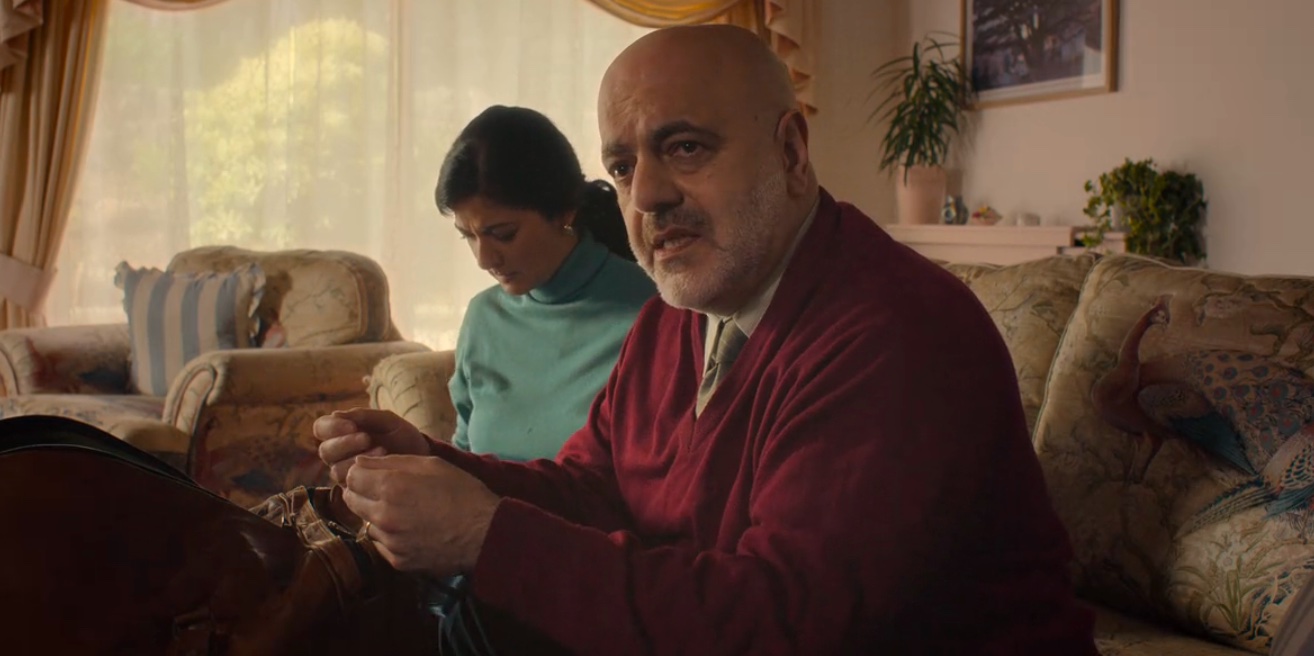
When the creators of ‘The Bombing of Pan Am 103’ reached out to Nazir to present his family’s story on the show, he readily agreed. He saw it as a way to finally let the truth be known to the world, not just about his son’s innocence, but what they had to bear in the aftermath of his death. He added, “I never thought there could be anything worse than death. But this is worse. The life I am living is worse than death.” This line was added by the writers into the show to reflect the pain and trauma that the Jaafar family had to suffer while grieving the sudden and tragic passing of their beloved son.


You must be logged in to post a comment.