
 Shivangi Sinha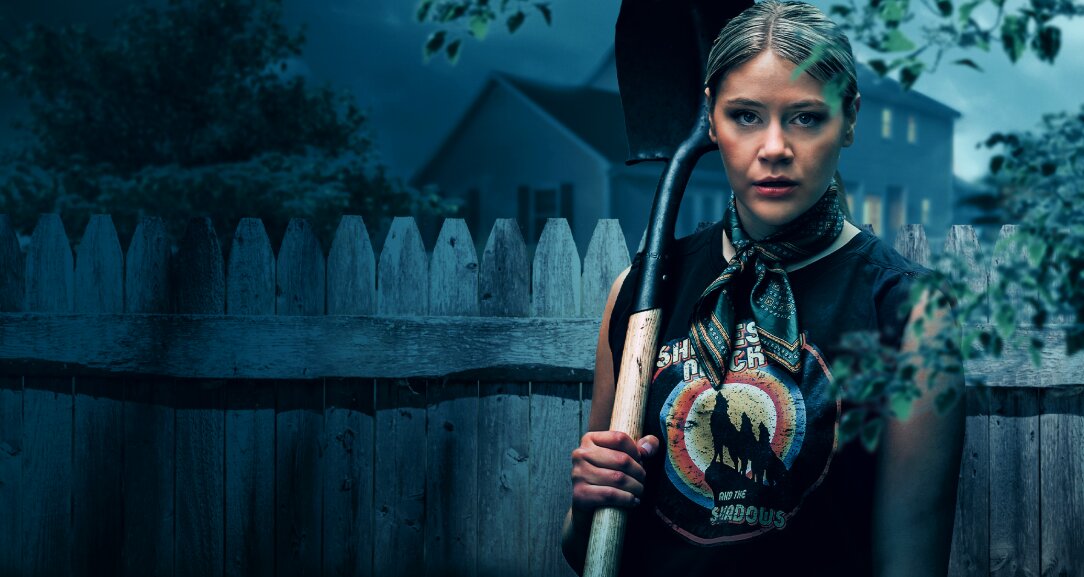
Lifetime’s ‘I Have to Kill My Neighbor’ follows Lauren, a woman living a quiet suburban life. She and her husband, Tom, consider their home peaceful and idyllic and a true safe haven. However, everything falls apart when Tom is kidnapped, and Lauren receives a call from his abductors, instructing her to follow their orders if she wants him to remain safe. She is told to kill her neighbor, Madeline, with whom she has had a strained relationship for years. Faced with an impossible choice, Lauren must decide how far she is willing to go to save her husband and bring him back home safely. Directed by Tyson Caron, the film builds tension gradually and peeks into paranoia and the hidden dangers that can surface at the least expected moment.
I Have to Kill My Neighbor Likely Draws From the Crimes in Suburban Areas
‘I Have to Kill My Neighbor’ presents a storyline that feels unsettlingly plausible, as though it could have been drawn from a real-life headline, yet it is not based on any specific true incident. Written by Matt Sweeney, the screenplay is an original creation shaped entirely by his imagination. That said, the film seems to echo real-world fears like home invasions, coercion, and the fragility of safety, which ground its premise. Rather than retelling a single true story, it brings together familiar anxieties and situations to build a narrative that feels real, even if it ultimately remains a work of fiction.
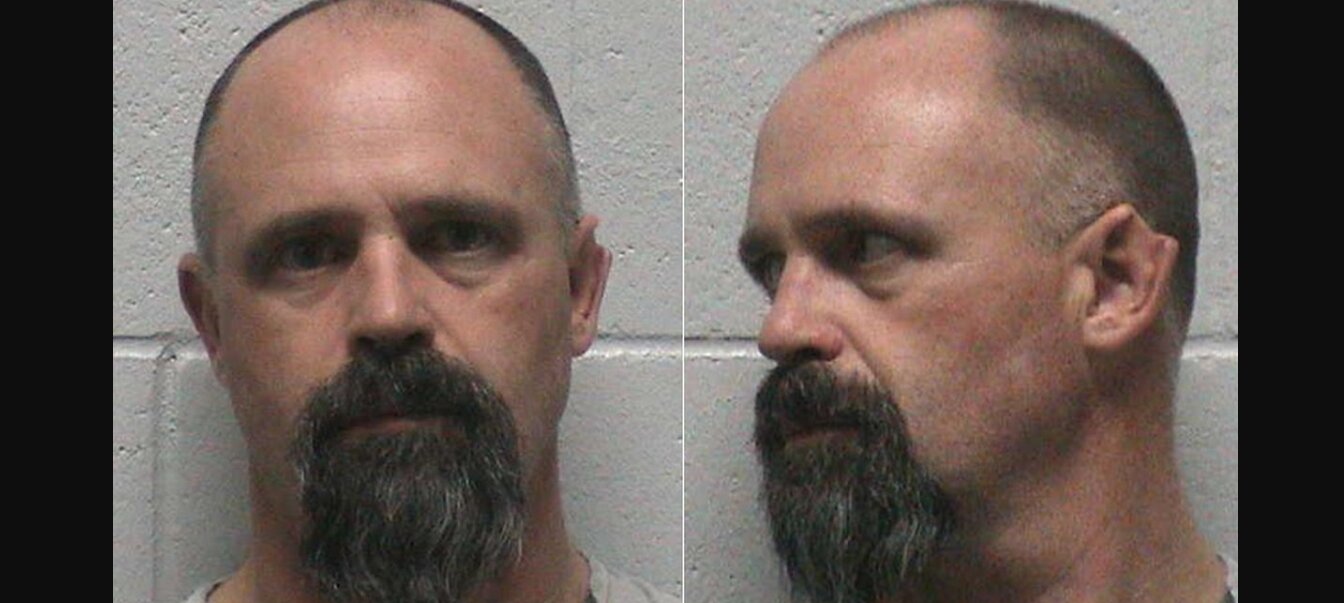
Crimes in suburban areas are particularly alarming because they shatter the perception of safety that communities often rely on. This tension is mirrored in the film, where Lauren’s life is upended after her husband, Tom, is kidnapped. A real-life case that shows the brutality of crimes that happen in such spaces happened in 2022. 18-year-old Naomi Irion was abducted from a Walmart parking lot in Fernley, Nevada, by 41-year-old Troy Driver. Naomi was held captive, shot, and buried in a shallow grave in rural Churchill County. His motive appeared linked to control and violence rather than personal grievance, but it showed how even seemingly safe suburban spaces can harbor threats.
The Film Shows the Ordeal That Families Face After a Kidnapping
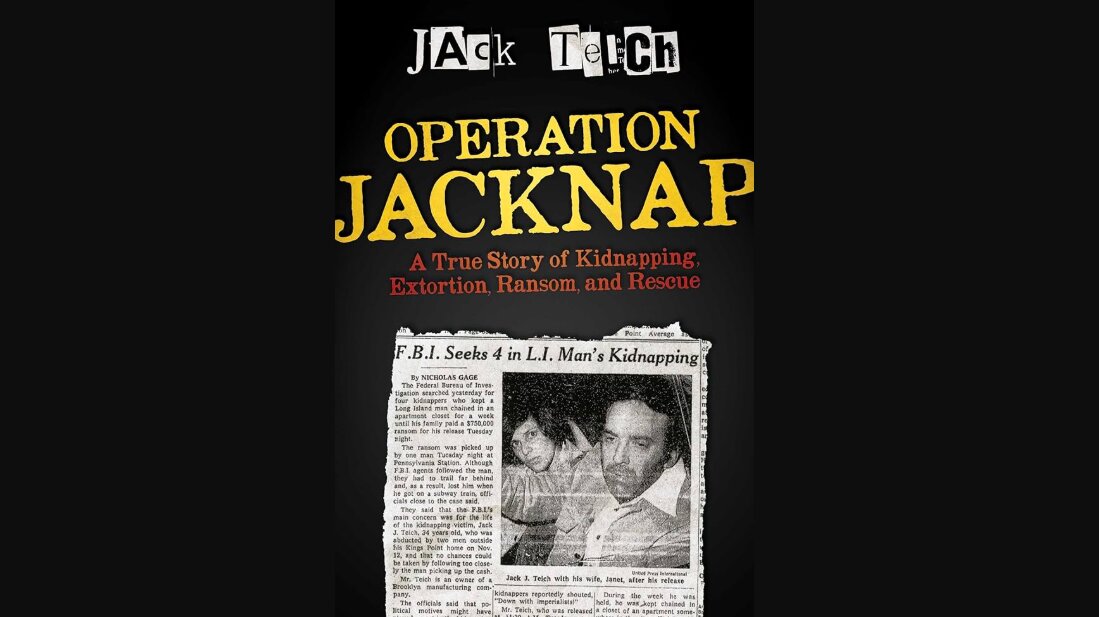
An aspect of the film is the dilemma that Lauren faces when she is asked to commit a crime as a ransom. This element sheds light on a criminal tactic that is often used and has been witnessed in real-life cases. On November 12, 1974, Jack Teich, a 34-year-old businessman, was kidnapped at gunpoint from his driveway. The perpetrators were motivated by his wealth, held him bound in chains, handcuffs, and tape in a closet in the Bronx for seven days. During this time, they contacted his wife, Janet, and his family, demanding a $750,000 ransom in exchange for his release. After the family complied with the ransom instructions, Teich was freed. The main perpetrator, Richard Williams, was later arrested in 1976 and convicted in 1978.
While ‘I Have to Kill My Neighbor’ does not draw from a single real-life incident, it vividly portrays the situation of a spouse forced to comply with a kidnapper’s demands to protect their loved one. The tension and moral dilemma Lauren faces reflect the psychological and emotional strain families endure in actual kidnapping cases. Though the story is fictional, it incorporates elements of fear, uncertainty, and the impossible choices that victims’ families are likely to face. These scenarios remind viewers that suburban communities are not immune to crime, and the film uses suspense to highlight truths that resonate with real-world experiences.
Read More: Is Lifetime’s Kidnapping My Own Daughter Based on a True Story?


You must be logged in to post a comment.