
 Shivangi Sinha
Directed by Katie Boland, Lifetime’s ‘I Killed Him in My Sleep’ follows the life of Kelty Crawford, who is about to be a bride but feels she doesn’t have enough money. She tries different options and knocks on different doors, but nothing opens. That’s when she decides to enroll in a sleep study experiment and deems it harmless. She enters the program, and while undergoing it, she experiences a very vivid nightmare. She dreams of herself holding a knife and a dying man in front of her, who is accusing her of murder. When Kelty wakes up, she dismisses it as something that isn’t true, but begins to question herself when she finds out that the person she had dreamt of has passed away in real life. The psychological thriller draws on various elements to build the story and question the very basics of narrative that one often takes for granted.
I Killed Him in My Sleep Likely Draws From the Sleep Experiments Conducted in the Real World
I Killed Him in My Sleep is not a story that one assumes to be a true story, and it is not, per se. The very structure is based on a dream that a person experiences, but what the story does is create a world where people go to extreme lengths to get money. What follows might or might not be what one imagines. So, while the story is obviously not one that has been heard or seen in real life, it is one that finds its reality in the characters and what drives them, and such things.
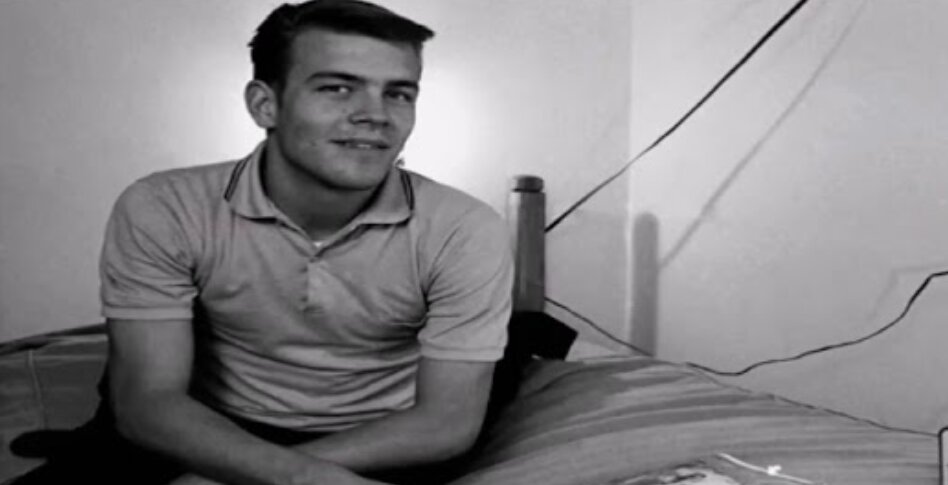
One element of the story that really stands out is the sleep experiment, and that is where it all begins. They are not uncommon or unheard of in the real world, and one can take a few examples to show that they have been conducted to better understand things. For example, Randy Gardner. Between December 1963 and January 1964, the 17-year-old stayed awake for 11 days and 24 minutes (264.4 hours) in a monitored experiment attended by sleep researcher William C. Dement. During this time, he experienced mood swings, poor concentration, memory issues, paranoia, and hallucinations. By the tenth day, cognitive decline was evident, and by the eleventh, he struggled with simple tasks. After the experiment ended, Gardner slept for nearly 15 hours, followed by another long sleep, and appeared to recover without lasting physical damage.
The Movie Appears to Draw From Cases That Bear Resemblance to Its Core Story
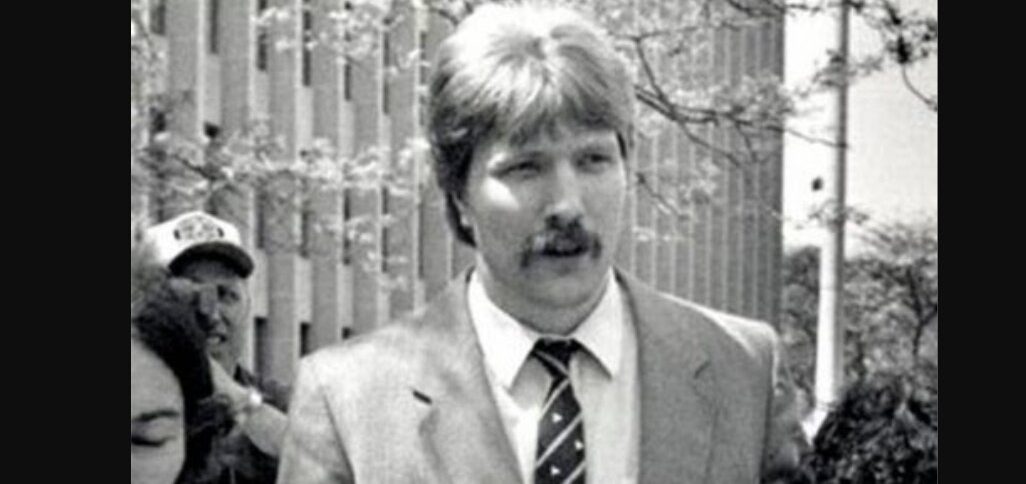
The movie creates the plotline of a crime being committed, with the perpetrator claiming they were asleep and had dreamt it all. In criminal cases around the world, there have been many such claims made by defendants, and some have resembled this idea as well. One well-known case is that of Kenneth Parks. In the early morning of May 24, 1987, Parks drove from Pickering to Scarborough, Ontario, and attacked his in-laws, killing his mother-in-law and injuring his father-in-law before driving to the police station and confessing. During the trial, medical experts testified that he was sleepwalking and in a state of automatism. In 1988, he was acquitted, and in 1992, the Supreme Court of Canada upheld the acquittal, ruling that his actions were involuntary and not due to a mental disorder.
In conclusion, as one can see, the film likely draws from many real-life elements and mixes and interacts them in a way that creates a beautiful and engaging story. While there are no direct characters or true cases exactly resembling what is shown in the film, the smaller details and ideas seen throughout are not too far removed from reality. Elements like sleep experiments, psychological uncertainty, and questions of perception echo real-world cases. All of this comes together to create a story that feels both imaginative and grounded, while keeping the audience constantly questioning what is real and what is not.
Read More: Is Scarpetta a True Story? Is Kay Scarpetta Based on a Real Forensic Pathologist?


You must be logged in to post a comment.