
 Shivangi Sinha
Anna Kingman was raised by her single mother, Laura Kingman, and while their life together has been loving, it hasn’t always been easy. Finances are tight, and with college tuition looming, Anna worries she won’t be able to afford her dream school. When an opportunity arises to access funds from a bank robber’s account, she takes the risk, hoping to change her future. However, their actions quickly entangle mother and daughter in a high-stakes investigation that threatens everything they’ve worked for. This is the premise of Lifetime’s ‘Ten Thousand Reasons for Revenge,’ which is directed by Danny J. Boyle. The film shows how extreme pressure can push ordinary people to make desperate, life-altering choices and the consequences that follow.
Ten Thousand Reasons for Revenge Likely Draws From the Real Desperation of Many People
‘Ten Thousand Reasons for Revenge’ tells the tale of a mother and daughter whose poor decision sets off a chain of events threatening to unravel their entire lives. While the scenario may seem dramatic, it appears to reflect real-world patterns in which people commit crimes driven by personal pressures and desires. However, the film is not a depiction of any single true incident. Instead, it likely draws inspiration from common motives behind criminal behavior and explores why ordinary individuals might cross moral lines. Writer Charlie Mihelich appears to have blended imagination with plausible real-life dynamics to create a realistic screenplay.

College tuition in the United States has risen dramatically over the past few decades. This financial strain can lead some students to lose hope and even consider extreme or unlawful measures to afford school. A real-life example of such a citation is that of Andrew Butler and Christopher Avery. They were struggling to pay for school as Butler’s scholarships didn’t cover the University of Toledo’s $7,000 tuition, and Avery couldn’t afford summer classes after a failed internship. On July 17, 2022, they robbed Valley Central Savings Bank in suburban Reading, armed and masked, stealing $130,000. They were caught switching cars after a witness called the police. Both pleaded guilty to aggravated robbery and kidnapping and faced up to 20 years in prison.
The Film Highlights the Pressure Students Face With Regards to College Tuition
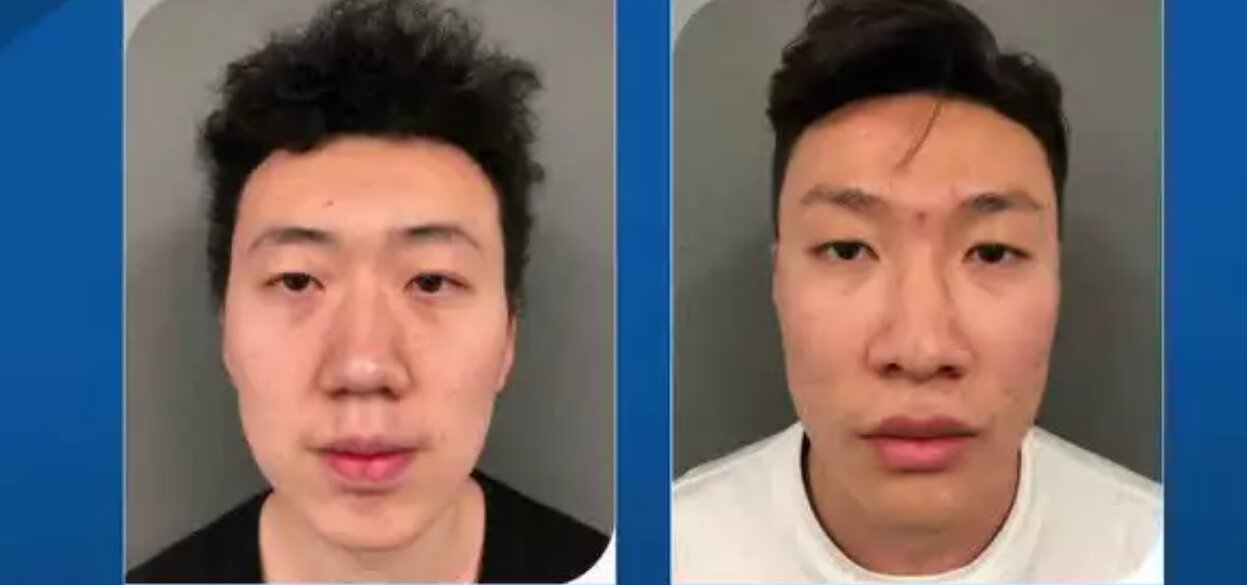
One of the most relatable aspects of the film for viewers is the pressure of rising college tuition, which can drive students to extreme actions. A notable real-life example is that of Chunyang Li, 20, and Chenghan Wang, 20, students at the University of New Hampshire. On May 16, 2019, both were arrested in Durham, New Hampshire, for allegedly using stolen credit cards to pay tuition and other university expenses. Li reportedly attempted to charge over $56,000 using nine stolen cards from victims across the US and Australia, with each transaction around $6000. Wang allegedly used a stolen Maryland card for $6,332.50 and attempted an additional smaller charge. Li faced nine felony fraud counts, while Wang faced one felony and one misdemeanor. Both pleaded not guilty and were released on $5,000 bail each.
The film adapts its premise for the screen by incorporating fantastical elements that stretch beyond real-life events. While much of the story is dramatized, it remains grounded in reality through the motivation of the daughter and the support she receives from her mother. This dynamic reflects situations we’ve seen in real life, where individuals take drastic measures when faced with seemingly insurmountable pressures, such as financial strain or limited options. By blending imagination with authentic human motivations, the film effectively balances suspense with relatability, making the story believable.
Read More: Is Lifetime’s Picture Perfect Sister-in-Law Based on a True Story?


You must be logged in to post a comment.