
 Shivangi Sinha
Lifetime’s ‘The Couple Across the Street’ is a thriller-drama movie that begins when a small community suddenly goes into lockdown. A family finds itself caught in the middle of the situation and, unable to return home, is forced to seek refuge with their neighbors. However, the neighbors have always been somewhat aloof and are known as “doomsday preppers,” which makes the family apprehensive about staying with them.
As strange occurrences unfold, the family begins to believe the neighbors are at the center of everything. But as the events slowly unravel, they come to realize that the real danger had been lurking much closer to them than they had ever imagined. Director Anjali Nayar builds an apocalyptic setting where preconceived notions are dismantled, and what was once taken for granted ultimately leads to revelations no one expected.
The Couple Across the Street Shows What Doomsday Preppers Seemingly Look Like
Lifetime’s ‘The Couple Across the Street’ is not an ordinary story, and in its truest sense, it leans toward the fantastical. Writer Peter McLeod builds this universe without basing it on any real person or character. However, the reality of human emotions within this imagined scenario makes the events feel believable. Even though the circumstances may seem extraordinary, the story plays on the natural, instinctive reactions that arise when people face a major dilemma and a threat to their lives. Through these emotions and responses, the film creates a sense of realism within its otherwise fictional world.
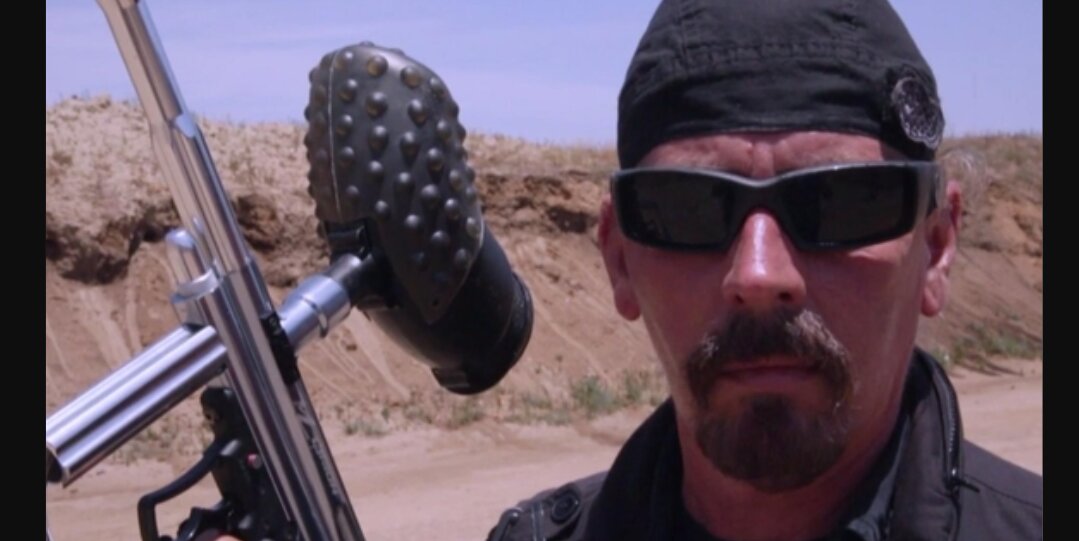
The phenomenon of doomsday preppers is very real. They are individuals who actively prepare for potential natural, economic, or societal disasters by stockpiling food, water, medical supplies, and sometimes building bunkers or survival shelters. There have been many examples of people embracing this lifestyle, while others like Bear Grylls and Les Stroud, though not preppers per se, promote survivalist skills that emphasize independence and adaptability during crises. A notable example in popular culture is National Geographic’s ‘Doomsday Preppers,’ which began airing in 2011. The show documents real people and their elaborate preparations for worst-case scenarios, offering viewers a glimpse into the diverse strategies and mindsets of modern survivalists.
The Film Emphasizes the Disconnect that Exists Between Neighboring Households
Though the film casts doubt on the neighbors and shows it to be ultimately unwarranted, it underscores how little we truly know about the people who live so close to us. In real life, there have been numerous instances where horrific crimes occurred right under the noses of neighbors who had no idea. A notable example is David and Louise Turpin in California, who kept 13 children in abusive and neglectful conditions for years, largely unnoticed by those nearby. Similarly, Fred and Rose West in Gloucestershire, England, committed a series of brutal crimes within their household, with neighbors remaining unaware. These cases reveal the unsettling reality that danger and abuse can exist in seemingly ordinary homes, hidden from those around them.

The Lifetime production is grounded in a world that closely mirrors our own. Everyday elements and familiar surroundings serve as the story’s building blocks, giving it a sense of realism. From there, the narrative takes unexpected twists and turns, venturing into scenarios that feel surprising yet are rooted in recognizable settings. This mix of the ordinary and the extraordinary allows the story to come out in ways that keep the audience engaged. It balances plausibility with dramatic tension, creating a world that feels both relatable and unpredictably intense.
Read More: Is Lifetime’s Pushed off a Plane and Survived Based on a True Story?


You must be logged in to post a comment.