
 Shivangi Sinha
Lifetime’s ‘The Guest Who Never Left’ is a thriller that sets its premise inside the home of a modern, successful couple. Anna works as an editor-in-chief at a highly reputable magazine, while Daniel is the founder of an AI-based security company. They are at an exciting phase of their lives and are eagerly awaiting the arrival of their newborn baby. As they prepare for their growing family and make sure everything is in place, they realize there might be an unknown man in their home. With their lives suddenly in danger, they must do everything they can to protect themselves. The film explores how a threat can emerge from a technological failure and how the very systems designed to keep people safe can sometimes leave them vulnerable.
The Guest Who Never Left is Driven By a Fictional Plot That Likely Resembles Tragic Real-Life Home Invasions
‘The Guest Who Never Left’ is not based on a true story and is entirely a work of fiction. However, its premise seems to draw on very real dangers. One is the fear of having a safe space, such as one’s home, infiltrated by an unknown person, turning a place meant for security into a source of danger. The film also highlights the vulnerabilities that can come with increasing dependence on technology. Smart security systems and AI-based devices are designed to protect people, but technological failures can potentially create new risks. The film also explores how quickly security and privacy can be compromised in the real world.
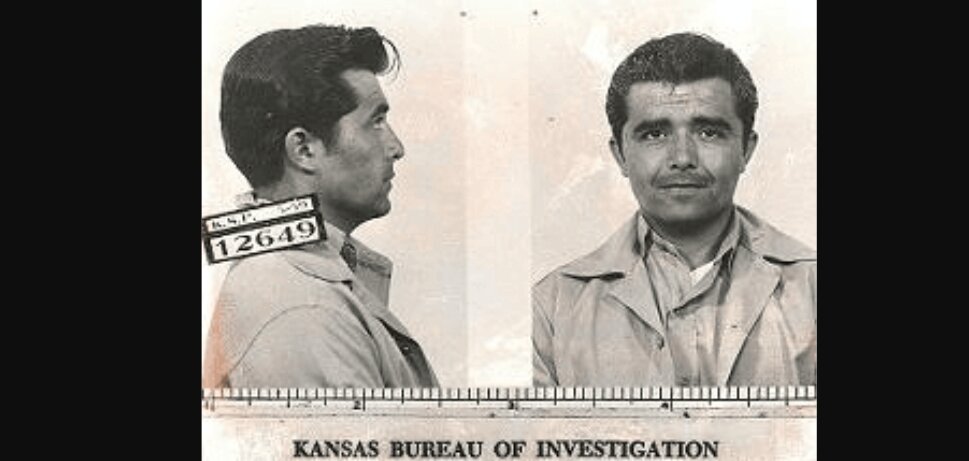
Strangers committing crimes against someone in their own home is not something only films portray. There have been numerous real cases in which victims were targeted by people they barely knew, making such crimes among the most senseless and frightening. One such example is the Clutter family murders in Kansas. In the early hours of November 15, 1959, ex-convicts Perry Edward Smith and Richard “Dick” Hickock entered the Clutter family’s home in Holcomb, hoping to find a large amount of cash. They bound and killed farmer Herbert Clutter, his wife Bonnie, and their teenage children Nancy, 16, and Kenyon, 15. Smith and Hickock were arrested in Las Vegas on December 30, 1959. They were convicted of four counts of first-degree murder and sentenced to death. Both were executed on April 14, 1965.
The Movie Highlights the Risk of Technological Vulnerability
Technological progress over the last few decades has transformed the way people live. One of its examples is also part of the film. While innovations offer hope for a safer and more convenient future, they have also come with a cost that innocent people have sometimes paid. One such case was the death of Elaine Herzberg, who was struck and killed by a self-driving Uber vehicle on March 18, 2018, in Tempe, Arizona. The Volvo SUV was traveling at about 40 mph in autonomous mode when it failed to properly identify the 49-year-old, who was walking her bicycle across the road outside a crosswalk. The National Transportation Safety Board (NTSB) later found that the system could not properly classify jaywalking pedestrians and that the vehicle’s emergency braking system had been disabled.
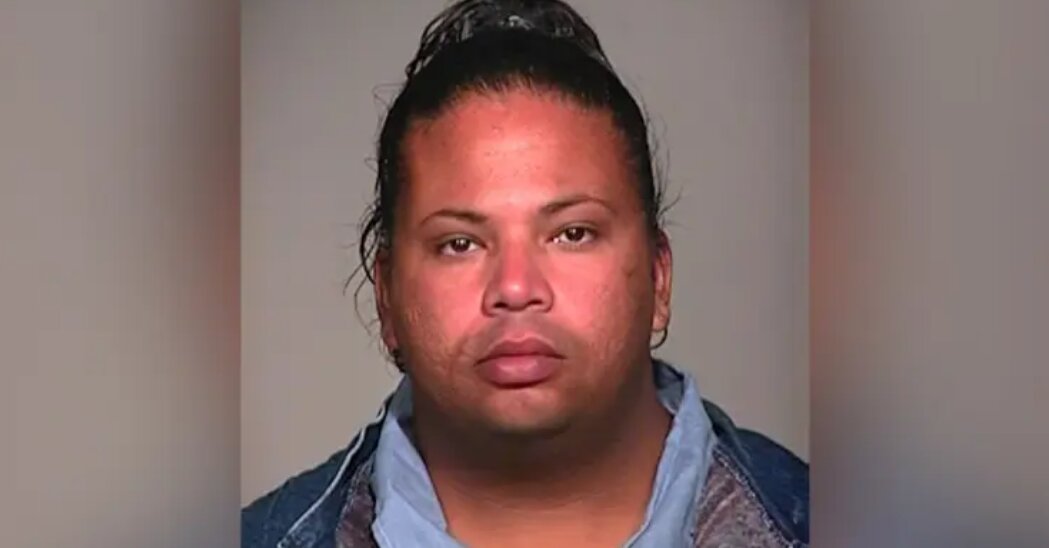
The safety operator, Rafaela Vasquez, also failed to intervene in time. Uber later modified its programming, and Herzberg’s family reached an out-of-court settlement with the company. The Lifetime film places its characters in a carefully controlled environment meant to be their safest space, only to have that security breached from within. At the heart of the story is a failure of faith in a system that was designed to protect them. Both fears have found echoes in the real world, where people have experienced the violation of their homes and the consequences of placing too much trust in technology. It is this connection between fiction and familiar anxieties that gives ‘The Guest Who Never Left’ a sense of realism, as the fears it explores are deeply real and relatable to its audience.
Read More: Is Lifetime’s The Daughter She Left Behind Based on a True Story?


You must be logged in to post a comment.