
 Shivangi Sinha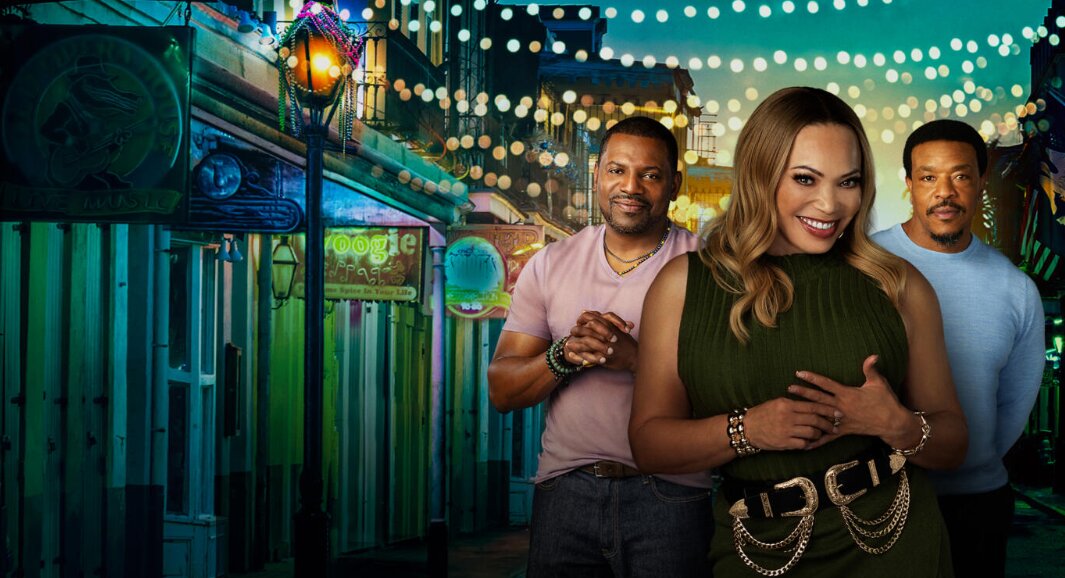
Lifetime’s ‘Mary J. Blige Presents: Be Happy’ follows Val as she enters a new chapter of her life. After years of defining herself through motherhood and caring for her family, she is left adjusting to an empty home when her children move out. Her marriage to Ross has settled into routine, and the closeness they once shared has faded. Feeling disconnected and yearning for passion again, Val begins to question what she truly wants and whether that spark can be rekindled. Directed by Gabourey Sidibe, the film transforms an everyday story into something deeply resonant. It explores a woman’s buried desires and fearless pursuit of fulfillment, which can change one’s life.
Be Happy Bases Its Fictional Story on the Shared Experiences of Many Women
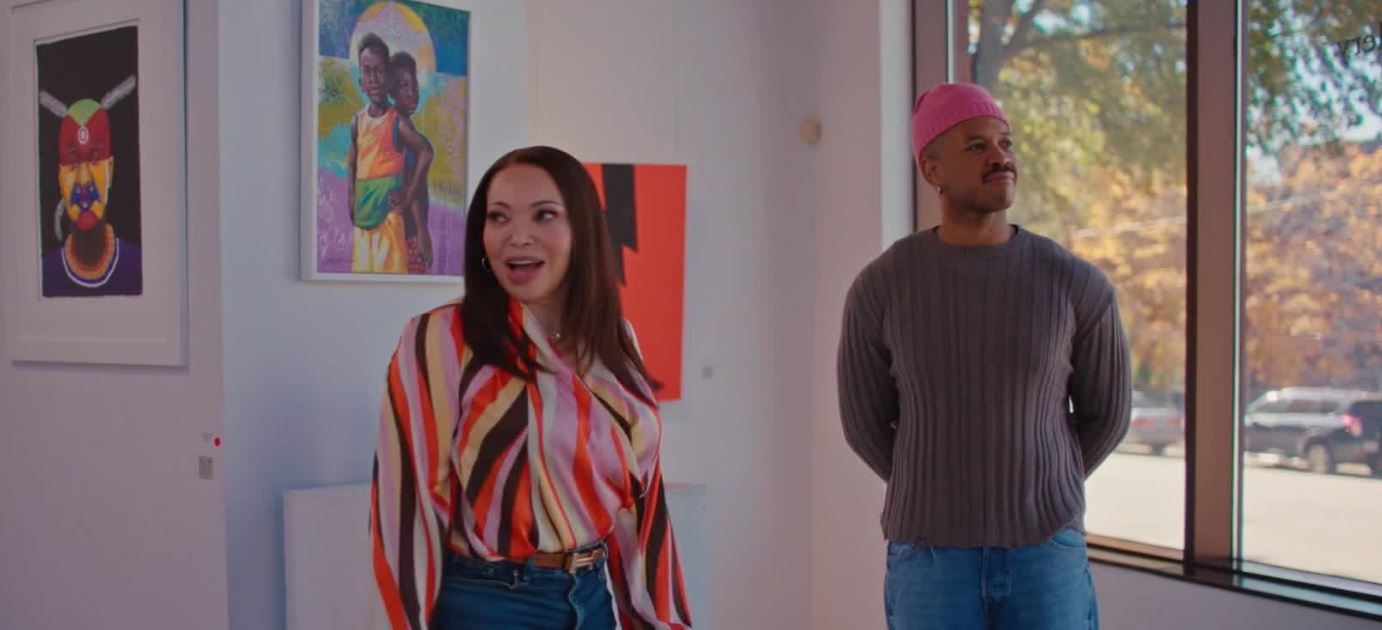
Although ‘Mary J. Blige Presents: Be Happy’ feels deeply personal and emotionally familiar, the film is not rooted in real events or drawn from any specific individual’s life. Writer Cameron J. Ross has made it clear that the story, its characters, and their circumstances are entirely fictional. Rather than retelling someone’s lived experience, the film taps into universal emotions of longing, restlessness, self-discovery, and the quiet questions that surface during life transitions. Its power lies not in factual accuracy, but in using imagined characters to reflect feelings many people recognize, even if they’ve never lived this exact story themselves.
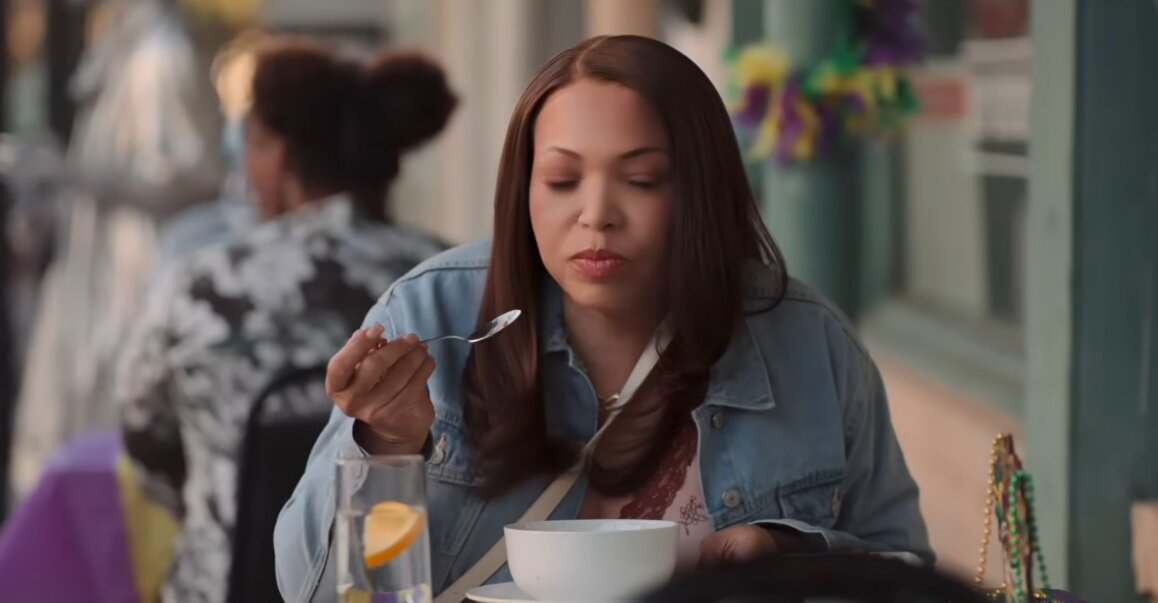
Ideas about women in midlife have evolved, yet the period is still widely seen as complex and confusing. Many women experience a mix of gains and losses, like greater self-knowledge and independence, alongside physical, emotional, and relational changes. Hormonal changes, stress, and long-term partnership dynamics can alter sexual desire and romantic expectations, sometimes reducing intensity while increasing the need for emotional closeness. For some, this creates distance or dissatisfaction, while for others it opens space to redefine intimacy on new terms.
Be Happy Brings an Often Sidelined Topic Under the Spotlight
Many women in the public eye have spoken openly about midlife, reframing it as complex rather than purely negative. Acclaimed filmmaker Chloé Zhao has described her own midlife as transformative. For her, it was a period of vulnerability and reflection she did not expect, but one that deepened her creative voice. Writer Ada Calhoun’s book ‘Why We Can’t Sleep?’ explores how structural pressures and unmet expectations make midlife especially difficult for many women, even as it opens space for clarity and self-definition. The account of all these women just goes to show how universal such experiences are and how they vary from person to person. This movie adds to the discourse through its story and shows a different side of this time.

When told through fictional characters, these changes in desire and emotional need become more accessible and deeply felt. Fiction allows private struggles to be externalized and gives language to feelings that are often silenced. Bringing such narratives into the mainstream matters because women’s midlife experiences have long been overlooked or reduced to stereotypes. Centering them now helps normalize them and affirms that these transitions are worthy of attention and serious storytelling.
Read More: Three Women: Is the Starz Show Based on True Stories?


You must be logged in to post a comment.