
 Shivangi Sinha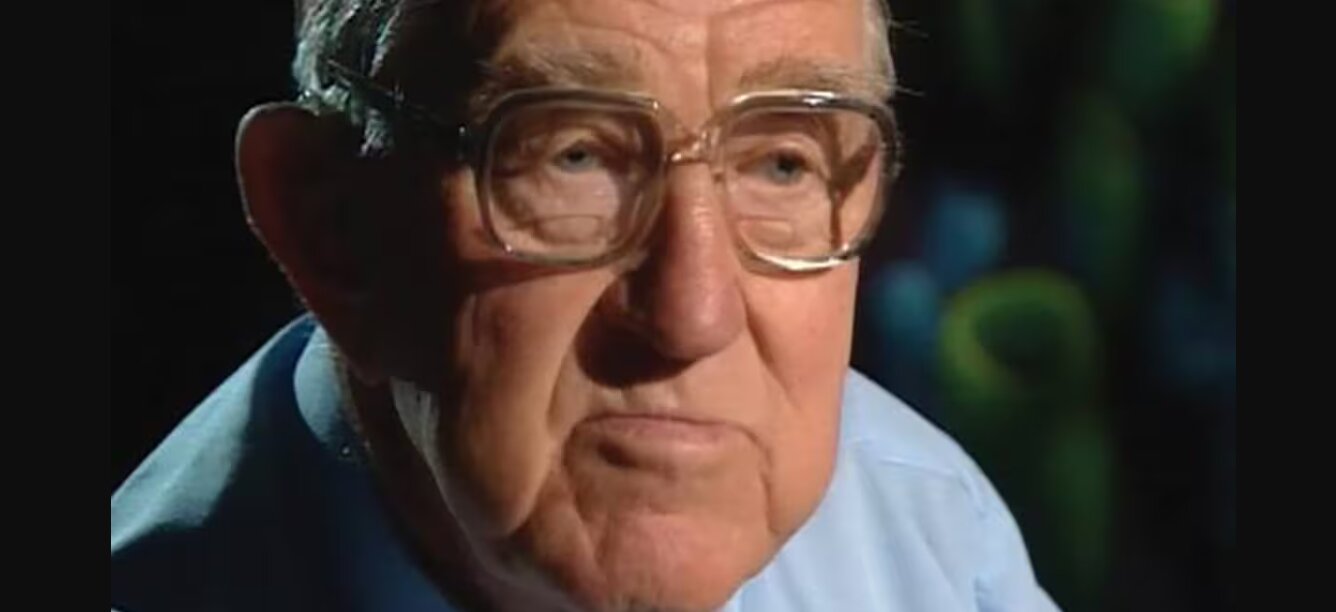
The Gloriavale community on the South Island of New Zealand is a religious community that has long remained embroiled in controversy. While former members and outsiders have raised doubts about its operations and inner workings, many within the community have defended it as simply a different way of life. At the center of it all was its founder, Neville Cooper, who later took on the name Hopeful Christian and led the group for decades. In Paramount+’s ‘Devotion: Obedience or Betrayal,’ various aspects of his life are examined, alongside the perspectives and opinions of people who have been associated with the community over the years.
Neville Cooper Laid Down the Dictates for His New Religious Community
Neville Barkley Cooper was born in Toowoomba, Australia, in 1926. His father owned a fruit shop, and Neville was only 12 years old when he left school to help with the family business. Coming from a religious family, faith played an important role in his life from an early age. In 1965, after surviving a near-fatal plane crash, Neville underwent a significant change in outlook. At the time, he was a member of the Voice of Deliverance Evangelist Mission and subsequently decided to become a preacher. It was his commitment to evangelism that brought him to New Zealand in 1967. He frequently found himself at odds with other religious groups and denominations. Over time, he came to believe that New Zealand would be the ideal place to establish and grow his own religious movement.
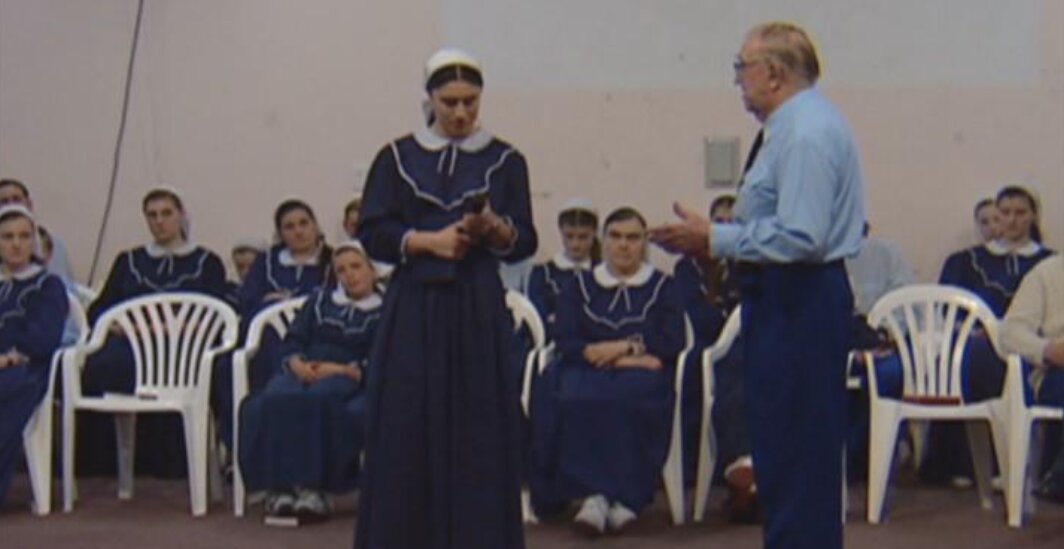
By 1968, Neville had brought his first wife, Gloria, and their children to New Zealand, where they settled in Rangiora. He helped establish the New Life Church, but soon encountered fundamental differences with other local preachers. As a result, he decided to form his own religious group and founded the Springbank Christian Community. Under Neville’s leadership, the group established a school, a church, and several businesses, including plumbing, gas fitting, and motor mechanic operations. Members also became involved in keeping and raising farm animals.
Neville introduced a points-based system that rewarded members with profits generated by the community’s businesses. Over time, personal bank accounts were phased out, and members came to rely on distributions from the enterprises where they worked. Dress codes and modest uniforms for women became standard within the community. The group’s teachings revolved around communal living and the submission of women to male leadership. Neville also promoted opposition to contraception and divorce and encouraged members to adhere to traditional gender roles and family structures.
Neville Cooper Was Convicted on Charges of Sexual Abuse
In the early 1990s, Neville Cooper decided to relocate the group to a larger property in the Haupiri Valley on New Zealand’s South Island. The settlement was named Gloriavale after Neville’s first wife, Gloria, and it ultimately became the foundation of what is now known as the Gloriavale Christian Community. As the community expanded, infrastructure such as schools, churches, and communal kitchens was established, along with two large dairy farms. Several other ventures were also developed, including a sphagnum moss export business, a hunting lodge, a pet food enterprise, and a deer farm.
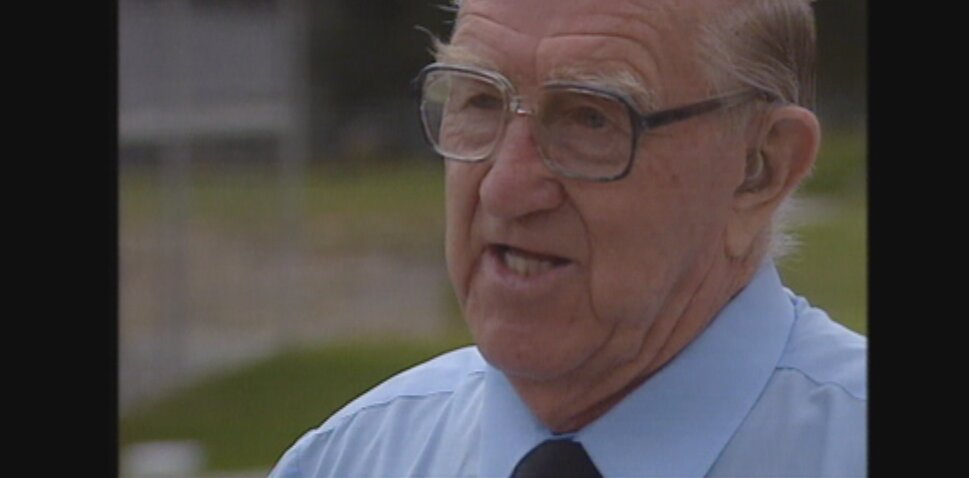
In 1994, Neville was convicted on 11 charges of indecent assault and sentenced to six years in prison. The conviction stemmed from an incident that allegedly had taken place in 1984 with a 19-year-old girl. However, the Court of Appeal later quashed these convictions and ordered a new trial on those particular charges. In 1995, Neville was again convicted, this time on three counts of sexual abuse. During the trial, his son, Phil Cooper, who had publicly left the group in 1991, also testified against him. Neville was sentenced to five years in prison, but he was granted parole after serving just eleven months.
Even while incarcerated, he maintained contact with his followers through letters, and it has been alleged that many members of the community were not fully informed about the nature of his convictions. Following his release, Neville resumed many of his responsibilities within the community and remained a prominent figure. Although he stepped down from the Board of Trustees in 2010, he continued to serve as the group’s “overseeing shepherd.” In that role, he retained significant influence over leadership appointments, the baptism of new members, and the establishment and enforcement of the community’s code of conduct.
Related

Neville Cooper Passed Away From Cancer in 2018
The community’s businesses continued to perform well under Neville’s leadership, and by 2017, Gloriavale reportedly held more than $40 million in assets. Over the years, a number of former members who left the community made allegations relating to coercive control and labor practices, claiming that members worked without receiving conventional wages. However, Neville was never charged in connection with such allegations. On May 15, 2018, Neville passed away following a battle with cancer. Leadership of the community was subsequently taken over by Howard Temple. His legacy continues to have a strong influence within Gloriavale, and many members remember him as a man who, despite his flaws and mistakes, offered people what they believe was an alternative way of life built around faith and community.


You must be logged in to post a comment.