
 Aahana Swrup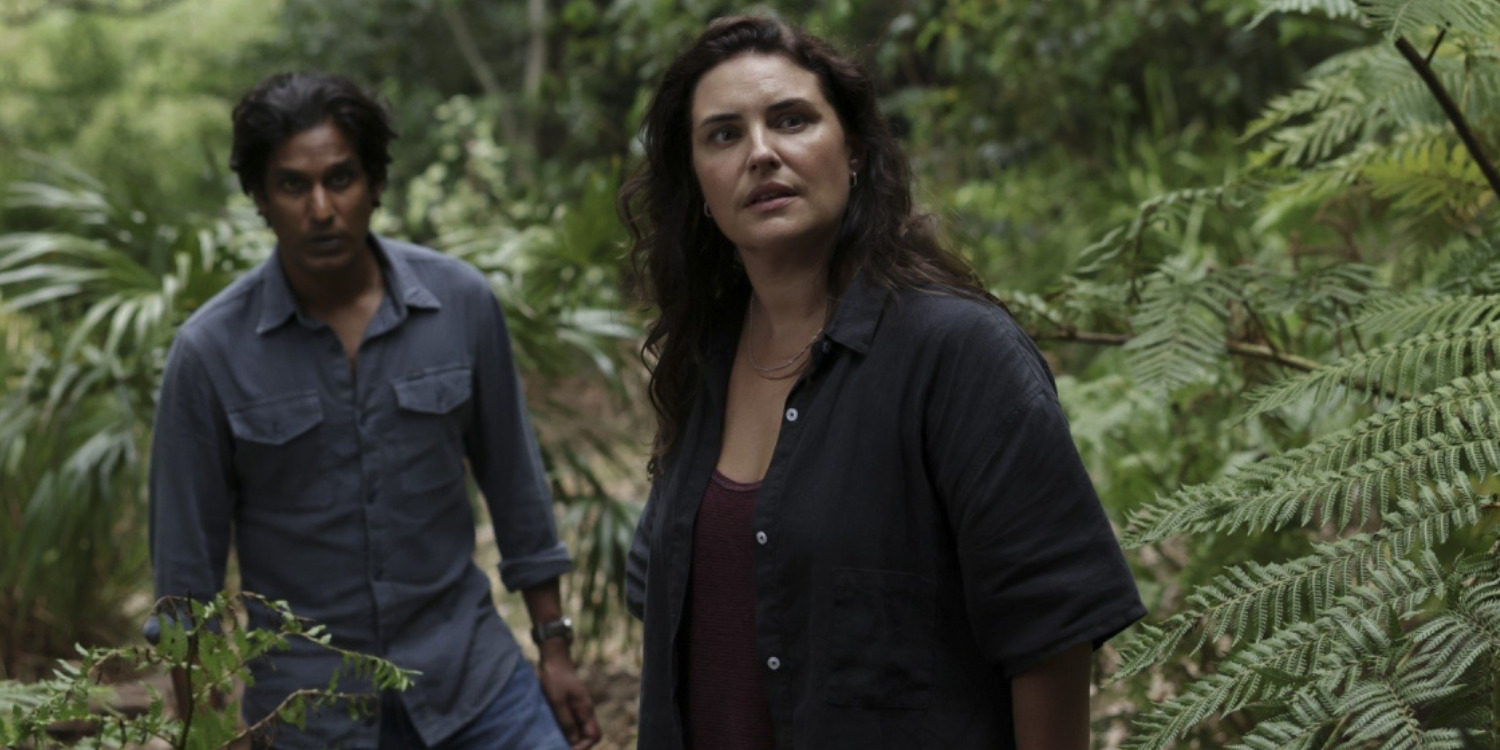
Created by Miranda Nation, ‘Playing Gracie Darling‘ is a mystery drama series that delves into the buried past of a small town as a local supernatural legend comes back to haunt one of the resident families. In 1997, the Darling family suffers a great loss when young Gracie disappears after she and her fellow teenage friends hold a seance session in the woods. Twenty-seven years later, history repeats itself when another Darling, Frankie, goes missing, leaving no trace behind. After hearing the news, child psychologist Joni, Gracie’s best friend, finds herself pulled back to her old hometown.
Consequently, she soon learns that since her friend’s disappearance and presumed death, the teenagers of the town have started playing a game revolving around calling upon the dead teenager’s spirit. As a result, the lines blur between the two missing person cases, enhanced by the undercurrent of the strange paranormal pull surrounding the victims’ friends and family. Despite its supernatural themes, the Paramount+ show presents a tale with grounded motifs like intergenerational compilations and teen mental health, alongside a healthy dose of exploration of urban legends.
Playing Gracie Darling Has Some Resemblance to the 1986 Film Playing Beatie Bow
‘Playing Gracie Darling’ is a work of fiction without any tangible roots in real life. As a result, the series is an entirely fictitious endeavor credited to the imagination of creator Miranda Nation, her co-screenwriter Anya Beyersdorf, and their creative collaborators. Off-the-bat, the show’s title is particularly reminiscent of the 1986 Donald Crombie directorial ‘Playing Beatie Bow.’ The film, based on the eponymous 1980 novel by Ruth Park, is a mystery sci-fi story in which the protagonist, 14-year-old Abigail Kirk, gets transported to 1873 due to a game of “Beatie Bow,” named after a young girl from the Victorian period. After traveling back in time, Abigail’s fate becomes intertwined with that of Beatrice May Bow, the game’s namesake, and her family. Evidently, there seem to be some points of similarity between the film and the TV series.
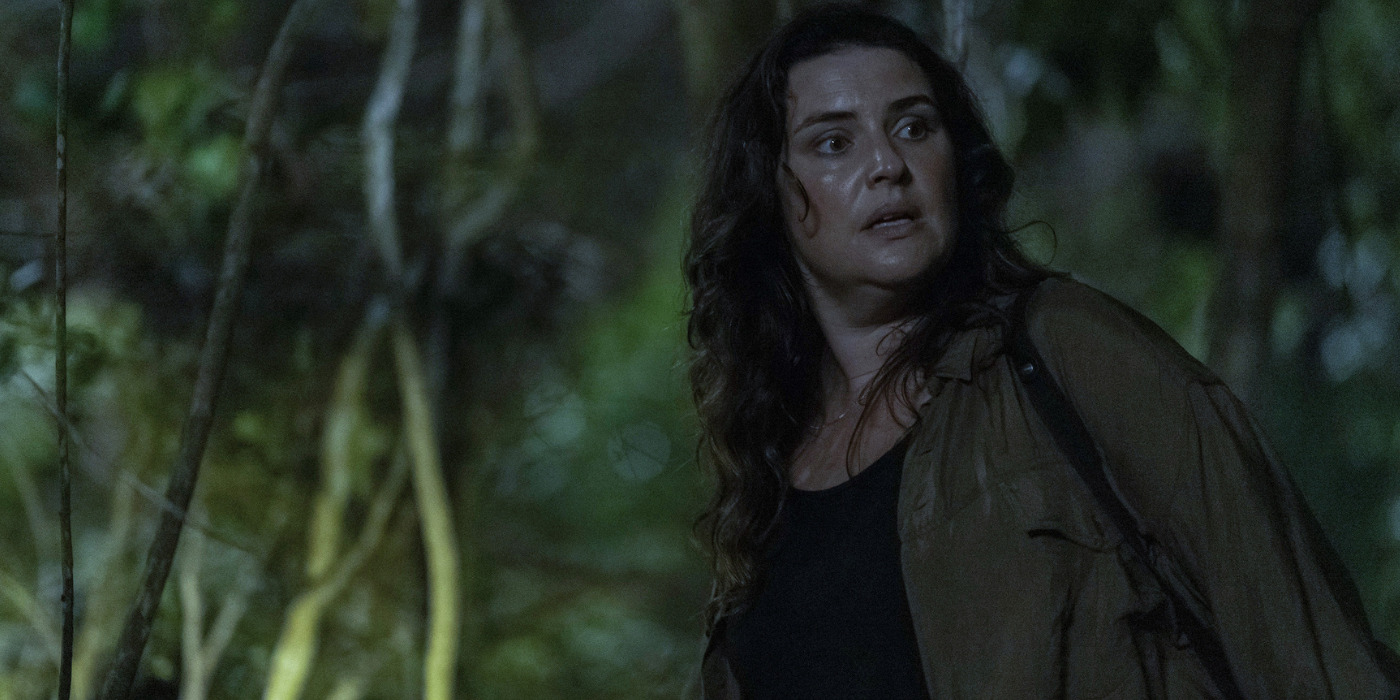
For one, both revolve around the premise of a kid’s game based on local legend/folklore that leads to some paranormal activities. Additionally, both stories center on the game’s impact on 14-year-old girls. Nonetheless, it seems that’s where the similarities stop. Where ‘Playing Beatie Bow’ is a science fiction narrative that employs time travel as a major plot device, ‘Playing Gracie Darling’ swerves in a different, more supernaturally haunted direction. Furthermore, besides the base premise, the two stories share little else in common, exploring divergent themes and narratives. Therefore, while it is possible that the series took some conceptual inspiration from the Crombie film and its source material, there are no official or direct connections between the two pieces of media. By and large, the series stands as its own distinct story, devoid of any pre-existing source material.
Playing Gracie Darling is a Fictional Story Centered on Small-Town Supernatural Legends
One of the defining aspects of the storytelling in ‘Playing Gracie Darling’ revolves around the show’s focus on the hidden and ambiguous supernatural world that lingers within the central small town. This manifests in integral horror storylines, such as the local teenagers’ obsession with seances across time, Joni’s interactions with the paranormal world, and the mystery surrounding the Darling girls’ disappearances. Since the show isn’t based on any real-life individuals or events, these plot lines also remain fictional in nature. Yet, their on-screen portrayal proves to be steeped in relatability and authenticity. Part of this stems from the frequency of legends, mythology, and folklore that tend to surround small, suburban towns in real life.
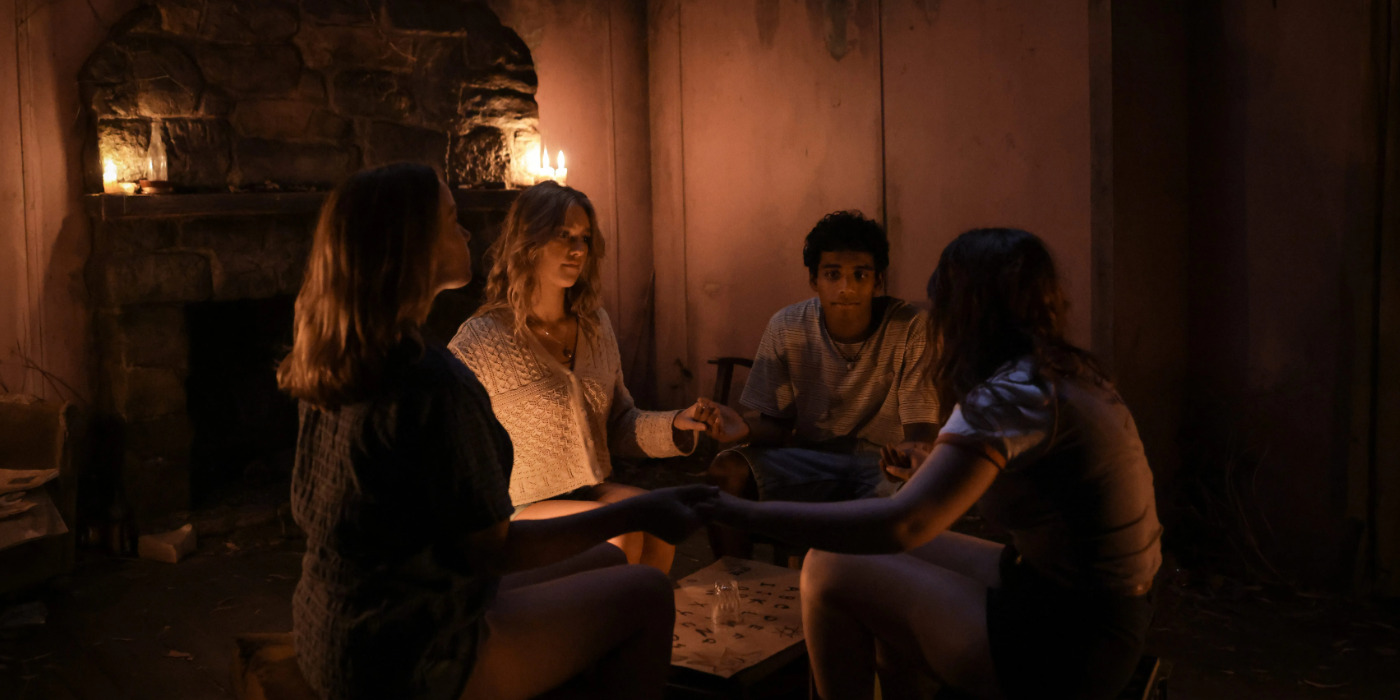
Urban legends like Bloody Mary, the Woman in the White, Western Pennsylvania’s Green Man, and more are some well-known examples that have become cultural cornerstones in the past few years. As a result, Joni’s hometown’s more concentrated legend about Gracie Darling instills a sense of familiarity and authenticity to the show’s worldbuilding. Similarly, the story’s portrayal of the timeless teenage obsession with the paranormal further instills a sense of relatability and realism to the characters and the narrative. As it turns out, creator Miranda Nation had a similar interest in the supernatural in her teenage years.
In a conversation with The West Australia, she spoke about her experiences and said, “My best friends and I did them (seances) every chance we could.” She further shared, “Each one of us was struggling with personal trauma, but we couldn’t talk about this stuff; we didn’t have the emotional tools. Instead, we disappeared into this thrilling game where, by testing the limits of the known, we could push the boundaries and say and do things that were otherwise taboo. These intense and sensual experiences, of connection with the otherworld or collective female hypnosis, have stayed with me forever.” Even though these lived experiences didn’t become a direct inspiration for the show, Nation’s familiarity with the same likely contributed some realism to the overall narrative.
Read More: Playing Gracie Darling Ending Explained: How Did Gracie Die?


You must be logged in to post a comment.