
 Shivangi Sinha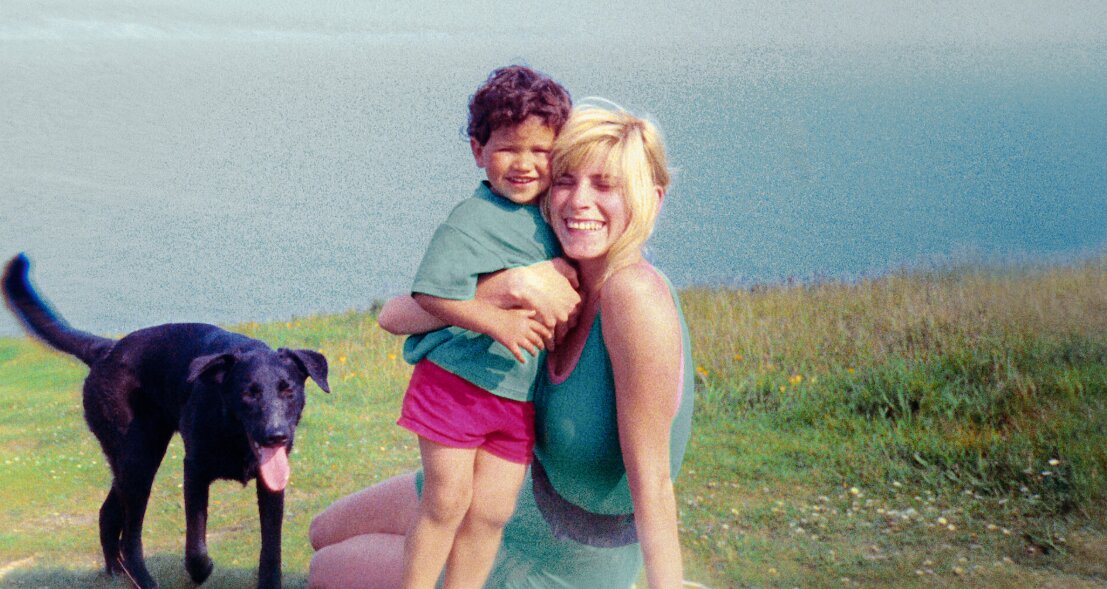
In July 1992, Rachel Nickell took her 2-year-old son, Alex Hanscombe, for a walk on Wimbledon Common in London, the UK. It was a fairly regular activity for the pair and a part of her routine that she enjoyed. On that day, a man hiding among the trees attacked Rachel and stabbed her multiple times. She was killed in the assault, while her son was left physically unharmed beside her body. Netflix’s ‘The Murder of Rachel Nickell’ follows the timeline of this horrific case, whose victims extended far beyond Rachel and included many others, especially the family left behind in its wake.
Rachel Nickell Was Attacked in the Middle of the Day in a Popular Park
Rachel Jane Nickell was born on November 23, 1968, to Andrew and Monica Nickell. Her father served as an Army officer, and she was raised in the Essex village of Great Totham, near Colchester, UK. After receiving private tuition for a period, she attended Colchester County High School for Girls, a highly regarded grammar school in Essex. Rachel was always active in sports and had a particular passion for swimming. She also attended the Essex Dance Theatre and played an active role in her community. Caring for elderly people and working with children with disabilities were causes she consistently devoted time to. Although she had the potential to pursue a career in dance, she ultimately decided to follow a different path.
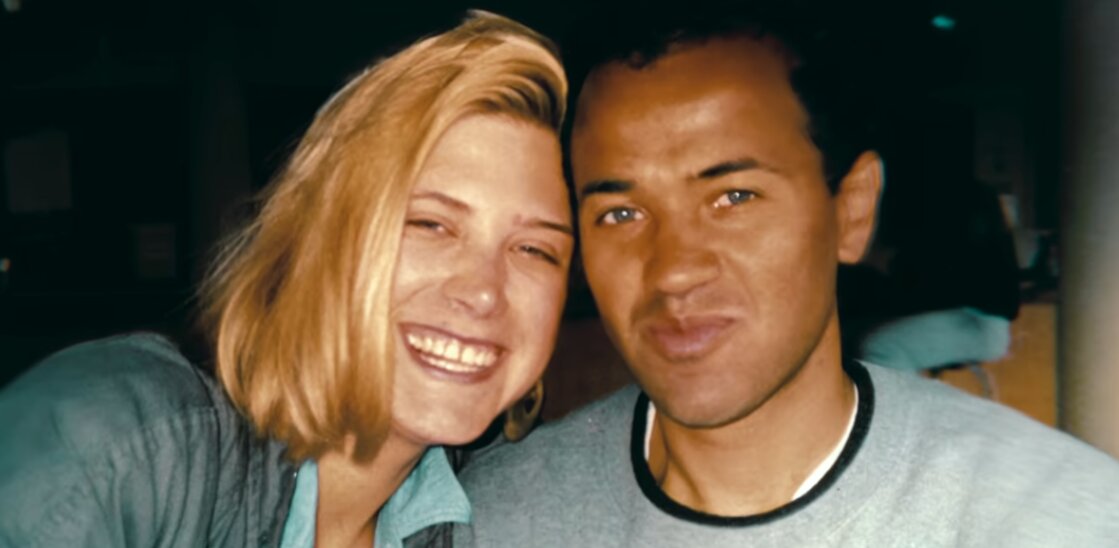
Rachel enrolled at Thames Polytechnic in Woolwich while also pursuing modeling opportunities. She appeared in several magazines and took a job as a lifeguard at a swimming pool in Richmond, London to help support herself financially. It was there that she first met André Hanscombe in 1988. When their son, Alex Hanscombe, was born in 1989, Rachel chose to step away from modeling and leave college in order to become a full-time mother. She and André later moved into a house in Balham, South London, where they built a family life together. The couple also adopted a dog named Molly, who became an important part of their household.
André and Rachel were deeply in love. She was living the life she had long dreamed of, along with raising her son and building a happy family with André. On July 15, 1992, she decided to take Alex and Molly for a walk and chose Wimbledon Common because she believed it would be safer than the parks closer to her home. It was there that she was attacked and fatally stabbed 49 times in the head and chest. She had also been sexually assaulted. Alex was found clinging to his mother’s body and reportedly asking her to wake up. The crime scene was discovered by a passerby, who immediately alerted the police.
Rachel Nickell’s Case Led to a Wrongful Arrest by the Metropolitan Police
The nature of the attack was exceptionally brutal, and the fact that it had taken place in broad daylight in a well-known public park drew widespread national attention. Police carried out numerous interviews and even commissioned a criminal profile, believing that the perpetrator was likely to offend again. Investigators also sought the assistance of a therapist and arranged for André Hanscombe to sit with Alex, along with detectives, while the young boy was gently questioned about what he had witnessed during his mother’s murder. Acting on witness information and a description of a man they believed could be involved, police eventually focused their investigation on a local resident named Colin Stagg.
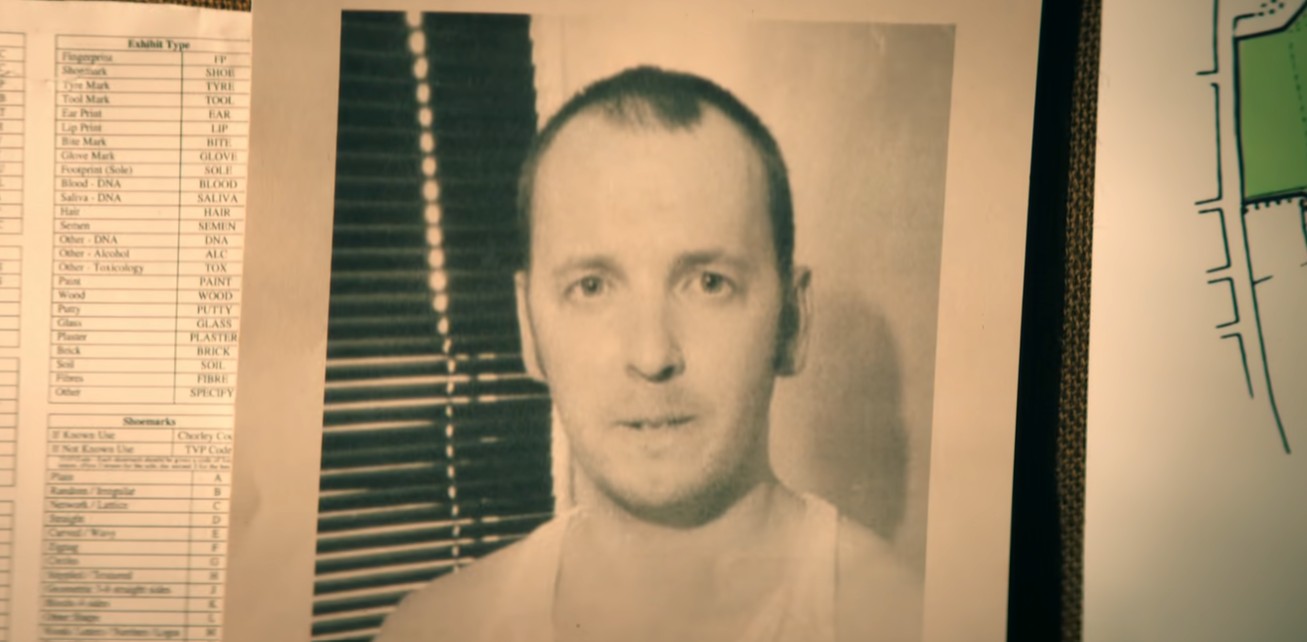
The Metropolitan Police Service launched a covert operation known as Operation Edzell, during which an undercover female officer adopted the identity of Lizzie James and began corresponding with Stagg. Posing as a woman romantically interested in him, she exchanged letters with him, who shared details of his sexual fantasies. Investigators argued that some of these fantasies resembled aspects of Rachel’s murder and used the correspondence as part of their case against him. Police further alleged that Stagg had discussed details of the killing that only the perpetrator could have known. He was subsequently arrested and charged.
However, in September 1994, after spending approximately 14 months in custody, Stagg appeared at the Old Bailey, where the judge ruled that the evidence against him was inadmissible. As a result, the case collapsed and he was released. In 2002, a cold case unit began re-examining Rachel’s investigation. Using advanced DNA techniques, investigators were able to recover a partial male DNA profile from evidence connected to the crime. Over the following two years, they refined the profile and started exploring whether the murder could be linked to other offenses. In 2004, the DNA was matched to Robert Napper, who was already in custody.
Related


The Perpetrator Killed a Mother and a Daughter 16 Months After the Crime
Robert Napper was being held at Broadmoor Hospital and had been diagnosed with paranoid schizophrenia and Asperger syndrome. He had spent nearly a decade at the facility after being convicted of two murders, one manslaughter, two rapes and two attempted rapes. Investigators also discovered that, in November 1993, around 16 months after Rachel’s murder, Napper had killed Samantha Bisset and her four-year-old daughter, Jazmine Bisset, in the Plumstead area of London. In fact, detectives working on the Bisset murders had suspected that Napper might also have been responsible for Rachel Nickell’s murder because of similarities between the two cases.

Both victims were young women, and both incidents involved children being present. Investigators also discovered a map in Napper’s home on which several locations had been marked, including the area where Bisset lived and Wimbledon Common. However, by that stage, the team investigating Rachel’s murder had already focused on Colin Stagg and was actively pursuing that line of inquiry. In 2010, the Independent Police Complaints Commission released a report acknowledging a series of errors that had allowed Napper to remain at liberty for years.
The report noted that opportunities to identify him had been missed long before Rachel’s murder. One example dates back to 1986, when Napper was involved in an incident, but his DNA was not collected. In 1989, his mother contacted the police and reported that he had confessed to a rape on Plumstead Common. He had also come under suspicion as the so-called Green Chain Rapist, and was even linked to a few of the sexual assaults carried out between 1989 and 1992. The findings generated significant criticism of the investigation, with many arguing that both Rachel’s murder and the killings of Samantha and Jazmine might have been prevented had earlier warning signs and investigative opportunities been acted upon more effectively.


You must be logged in to post a comment.