
 Naman Shrestha
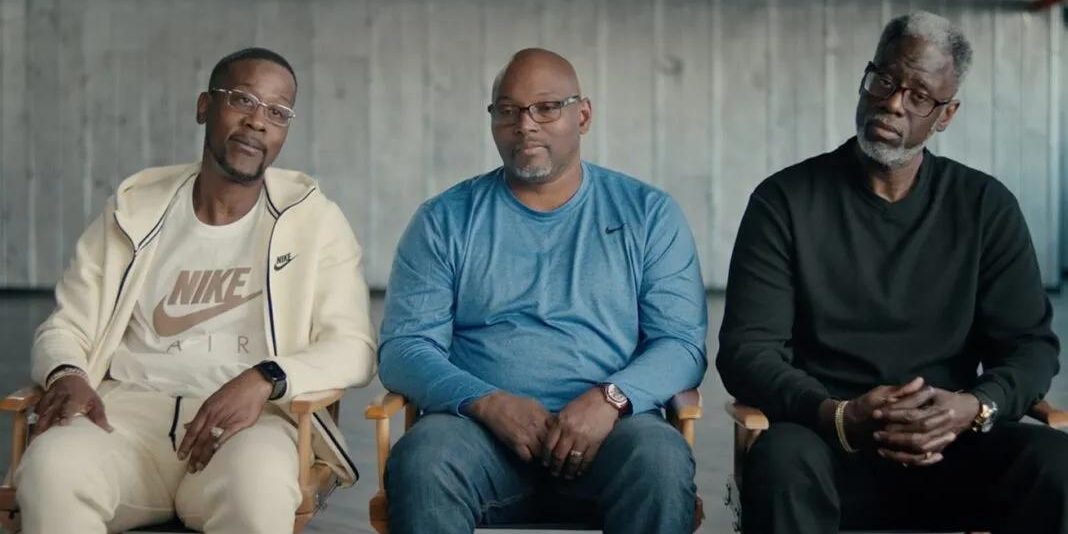
HBO’s ‘When a Witness Recants’ is a true-crime documentary film that explores the controversial and wrongful convictions of three suspects — Ransom Watkins, Andrew Stewart, and Alfred Chestnut — in the tragic demise of 14-year-old DeWitt Duckett in the hallway of Harlem Park Junior High School in Baltimore, Maryland, in November 1983. After spending more than three decades behind bars for a crime they didn’t commit, the Harlem Park Three were finally exonerated and released from prison. In the documentary, all three wrongfully convicted men recount their experience during the trial, their incarceration, and their life afterward.
The Three Exonerees Sued the Baltimore Police Department After Getting Released
In 2019, Alfred Chestnut of the Harlem Park Three obtained the police reports that proved vital to his exoneration, along with those of Ransom Watkins and Andrew Stewart. After he wrote to the Conviction Integrity Unit at the Baltimore City District Attorney’s Office, their case was reinvestigated. When the four primary witnesses recanted their statements against Alfred, Ransom, and Andrew, they were exonerated and released from prison on November 25, 2019. Following the release, Andrew told WBAL-TV, “I really don’t have the words to say. I just thank God, man, I really do. It’s surreal (to be released).” His mother, Mary Stewart, also added, “This is the first time I’ve been able to hug my son in about 20-some years. This is wonderful. God bless, God is good all the time, not sometimes, but all the time.”
Ransom said, “My faith is what kept me through it. The people around me that you see here helped me get through all this. They never stopped fighting for me, and I never stopped fighting.” Lastly, Alfred described the feeling of getting exonerated as “out of this world.” Later, Andrew added, “I’m going to spend Thanksgiving with my mama and live a normal life…I got to learn how to live right now.” The following year, the three exonerees filed a civil rights lawsuit against the Baltimore Police Department, Donald Kincaid, and two other police officers, accusing them of coercing false statements for the convictions. Three years later, the Baltimore Board of Estimates reportedly settled for a total of $48 million outside of court, with each of the trio receiving $14.9 million each.
Ransom Watkins Still Deals With the Impact of His Wrongful Conviction
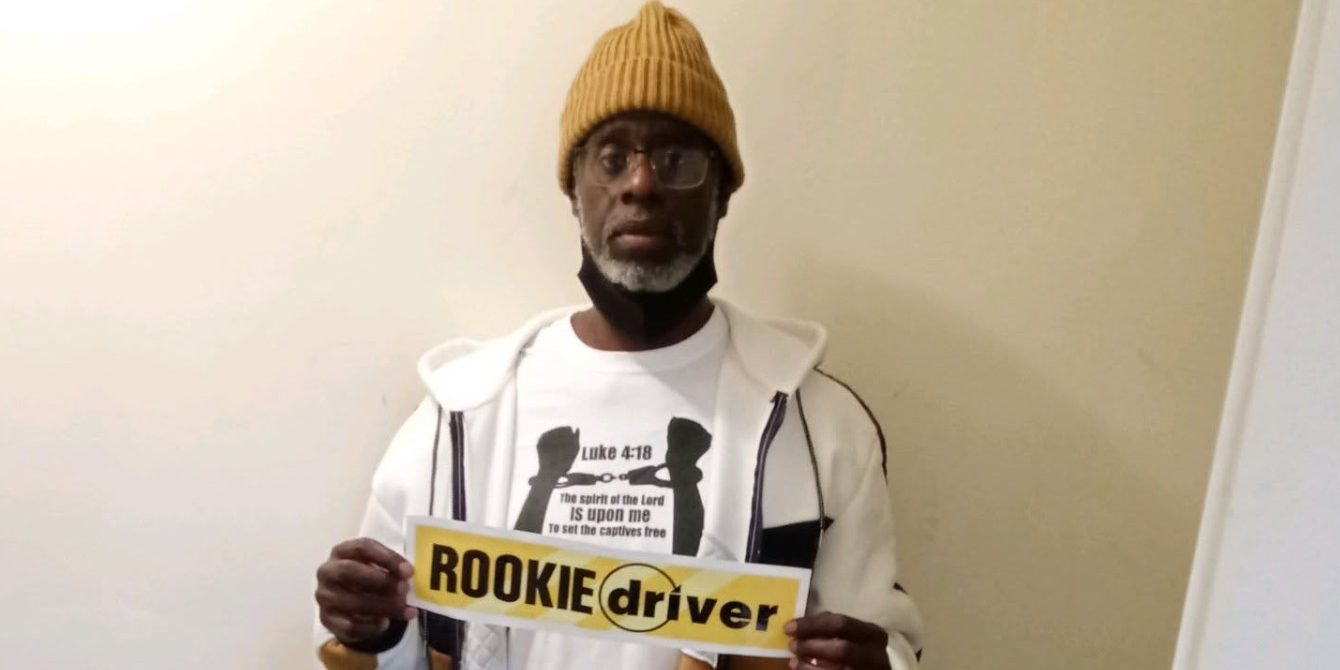
Ransom Watkins reunited with his family after his release and started afresh with his wife, Carolyn Watkins, a former correctional officer whom he met while he was incarcerated. The Baltimore, Maryland, resident still admittedly struggles to navigate the trauma he experienced during his nearly four decades of wrongful incarceration. In 2020, Ransom also earned his driver’s permit. In 2024, Ransom was the guest on the ‘Thinking Freely‘ podcast of the ACLU of Maryland, opening up about his life after prison. When the host, Nehemiah Bester, asked him about the impact the entire experience had on his life, Ransom shared that he had become overtly paranoid.
He elaborated, “Even when you driving. Certain jobs, you don’t work because you don’t feel comfortable in that environment. It’ll even go that far. Cause man I can’t take that job because I can’t. You know certain things like I got to keep moving. Like if I wanted an office job, can’t do an office job, I got to keep my body moving at all time.” Ransom shared how his paranoia affected parts of his marriage as Carolyn wanted to travel more and he didn’t like to be surrounded by crowds. “I’m more safer here than I am out there. Because in my mind, in prison I knew where I was at, I knew everybody, and I had that type of rapport with people where I didn’t have to worry about violence. Right. So, all that for me was comfort. Now you took me from that setting and then you let me loose out here where I know nothing,” he explained.
“People don’t understand it’s hard to focus when your mind is going through so much. That you’ve been through so much that you can’t even go to a restaurant and just have a normal dinner…” After Ransom was exonerated, he did a lot of volunteer work on a farm and gave back to the community, which he loves. He also said that he tore his rotator cuff in five places while volunteering at the farm, after which the doctors put a plate in his neck. In the summer of 2023, Ransom also donated a snowball machine to a recreation center.
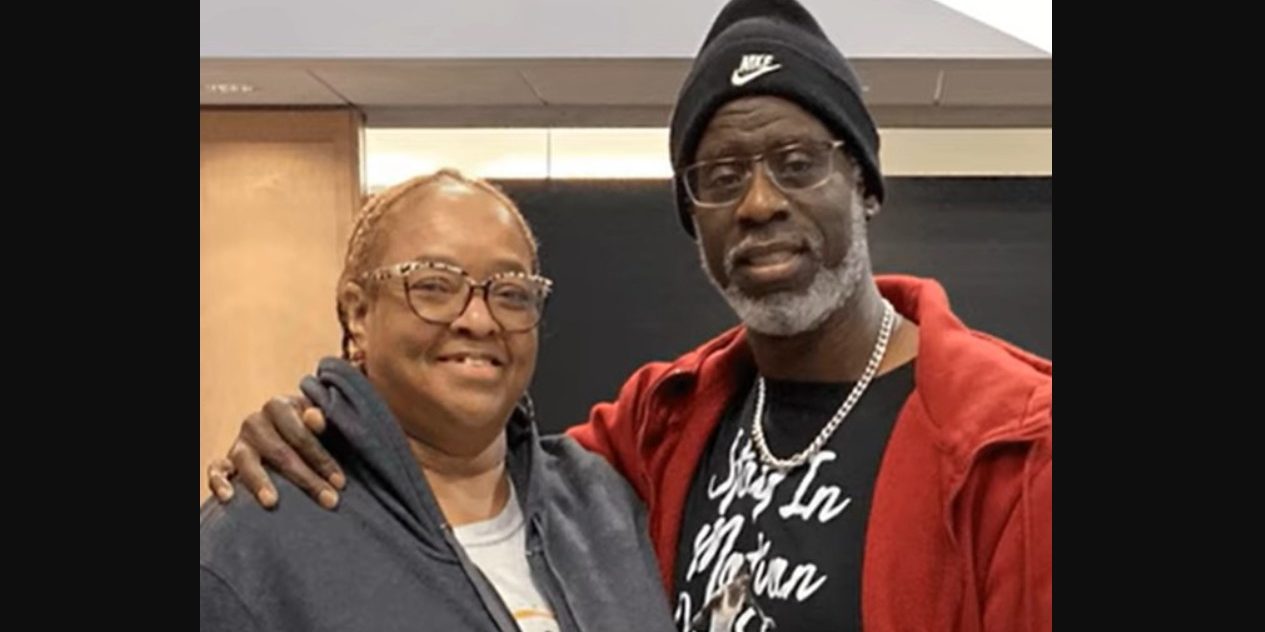
For 2024, he intended to donate roller skates to kids in the recreation center where he grew up. He concluded, “Yeah, yeah, it’s my life goal man just to give back, it’s my life goal I don’t need much. But to put smiles on other people faces and kids’ faces, it means the world to me.” In June 2023, Ransom was one of the speakers at the Mid-Atlantic Innocence Project’s 14th Annual Awards Luncheon. As he prefers to keep matters of his personal life away from the limelight, we don’t know much about his current whereabouts, besides the fact that he still lives in Baltimore, Maryland, with his wife, Carolyn.
Read More: Joachim Posener: Where is the Main Suspect of the Trustor Scandal Now?


You must be logged in to post a comment.