
 Shivangi Sinha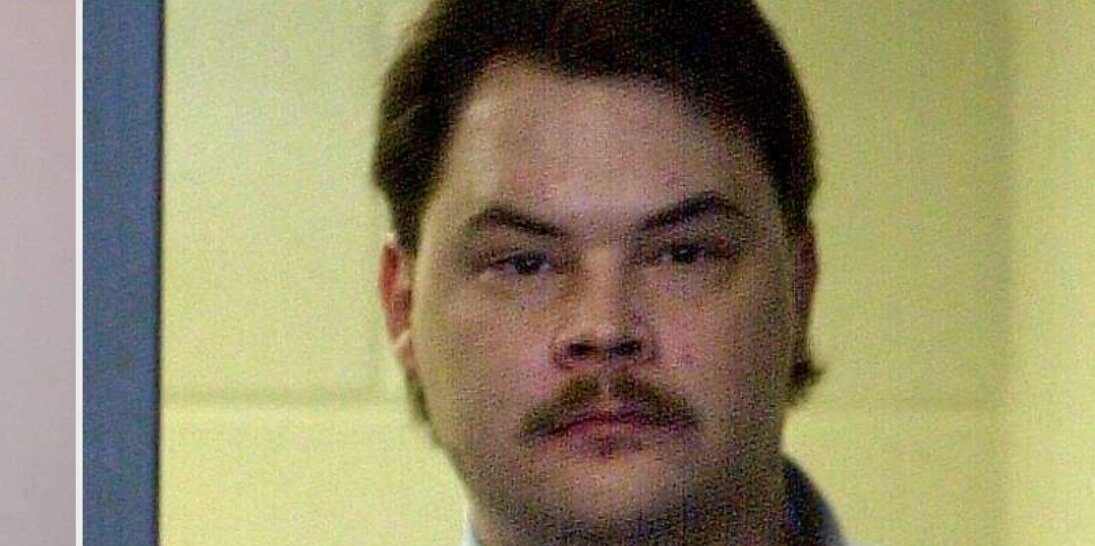
In December 1991, the city of Austin, Texas, was left in shock when news broke that an I Can’t Believe It’s Yogurt! store had caught fire. After firefighters put out the flames, they discovered the bodies of four teenage girls, Amy Ayers, Eliza Thomas, Jennifer Harbison, and Jennifer’s sister, Sarah Harbison, inside. Investigators concluded that the fire had been intentionally set to conceal the crimes. In the years that followed, police arrested four suspects, including Robert Springsteen. He was charged with homicide, but he alleged that he had been coerced and was innocent. In CBS’ ‘48 Hours: The Yogurt Shop Murders,’ his legal proceedings and whether he was ultimately convicted are explored in detail.
Robert Springsteen Allegedly Confessed to Being the Gunman in the Yogurt Shop Killings
The news of the quadruple homicide of Amy Ayers, Eliza Thomas, and sisters Jennifer and Sarah Harbison ripped through Austin, Texas, on December 6, 1991. It was an unimaginable crime, and the grief of the families was overwhelming for the entire community. Police concluded that all four girls had been shot in the back of the head, and evidence indicated that at least one of them had also been sexually assaulted. As the investigation picked up in the days that followed, officers identified a 16-year-old named Maurice Pierce as a suspect and brought him in for questioning. He had reportedly been seen walking around a mall with a .22-caliber gun, which was the type of weapon investigators alleged had been used in the crime.
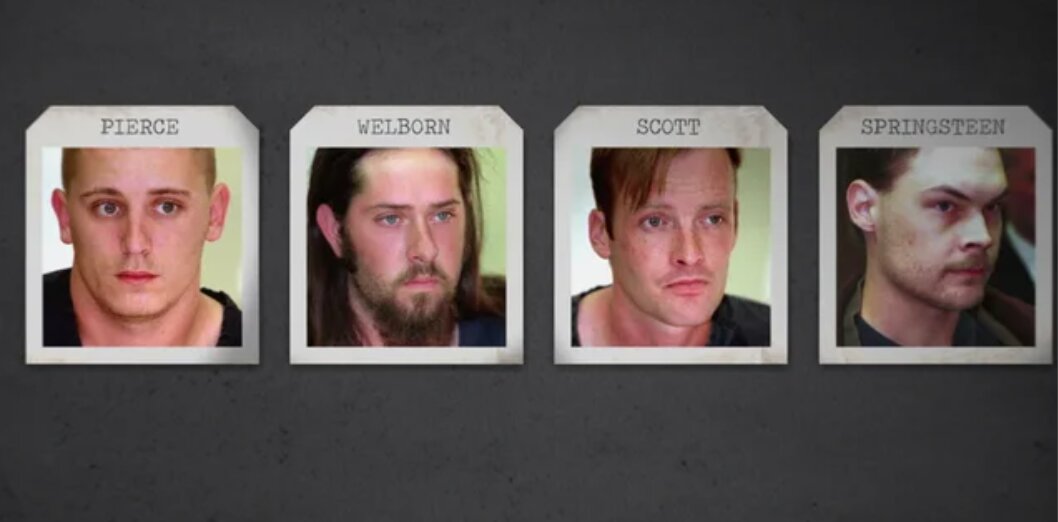
Maurice was the one who named Robert Springsteen as the person who had given him the gun. He also identified Forrest Welborn and Michael Scott as accomplices, but there was no evidence directly linking them to the crime. When it was determined that the gun used in the murders was not the one in Maurice’s possession, the case against him weakened. He was even asked to wear a wire and speak to Forrest, but it soon became clear that the latter had no understanding of what was being implied, and the case fell apart. In 1999, all four young men were brought in for questioning again. During lengthy interrogations, Springsteen was held for hours and allegedly confessed to being involved in both the sexual assault and the killings.
Police alleged that the others had also confessed and claimed that much of Springsteen’s alleged confession matched what the others had said. However, there was no physical evidence directly tying him to the crime. He was ultimately charged with four counts of capital murder, and in 2001, he was convicted and sentenced to death. By that time, he had already begun recanting his statement, alleging that he had been coerced and was not involved in the crime in any way. In 2005, his sentence was commuted to life in prison, but he continued to pursue appeals.
Related

Robert Springsteen Does Not Carry the Burden of a False Accusation Today
In May 2006, the Texas Court of Criminal Appeals overturned Robert Springsteen’s capital murder conviction, ruling that his rights under the Confrontation Clause had been violated because he was not able to confront his accuser in court. In June 2009, after new DNA evidence emerged that did not tie Springsteen to the crime, all charges against him were dismissed, though he was not formally exonerated at that time. He was released on bond, and his defense team continued to fight for his full innocence.
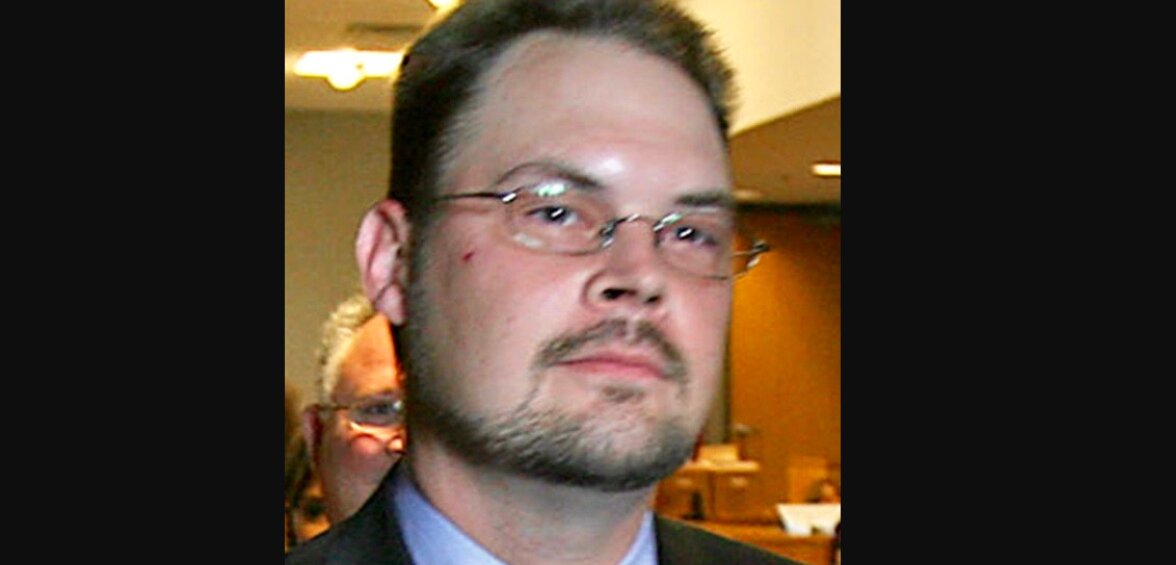
In December 2025, his lawyers began seeking exoneration after a new suspect was identified, and in February 2026, he was officially exonerated. After the hearing, he said, “For decades, I have carried the burden of wrongful conviction. Every day, I have carried the weight of a crime that I did not commit. No court ruling can return the years and the love that were taken from me, but it can acknowledge the truth: I am not guilty.” Springsteen has since kept a low profile and is believed to be living in West Virginia, away from public attention.


You must be logged in to post a comment.