
 Aahana Swrup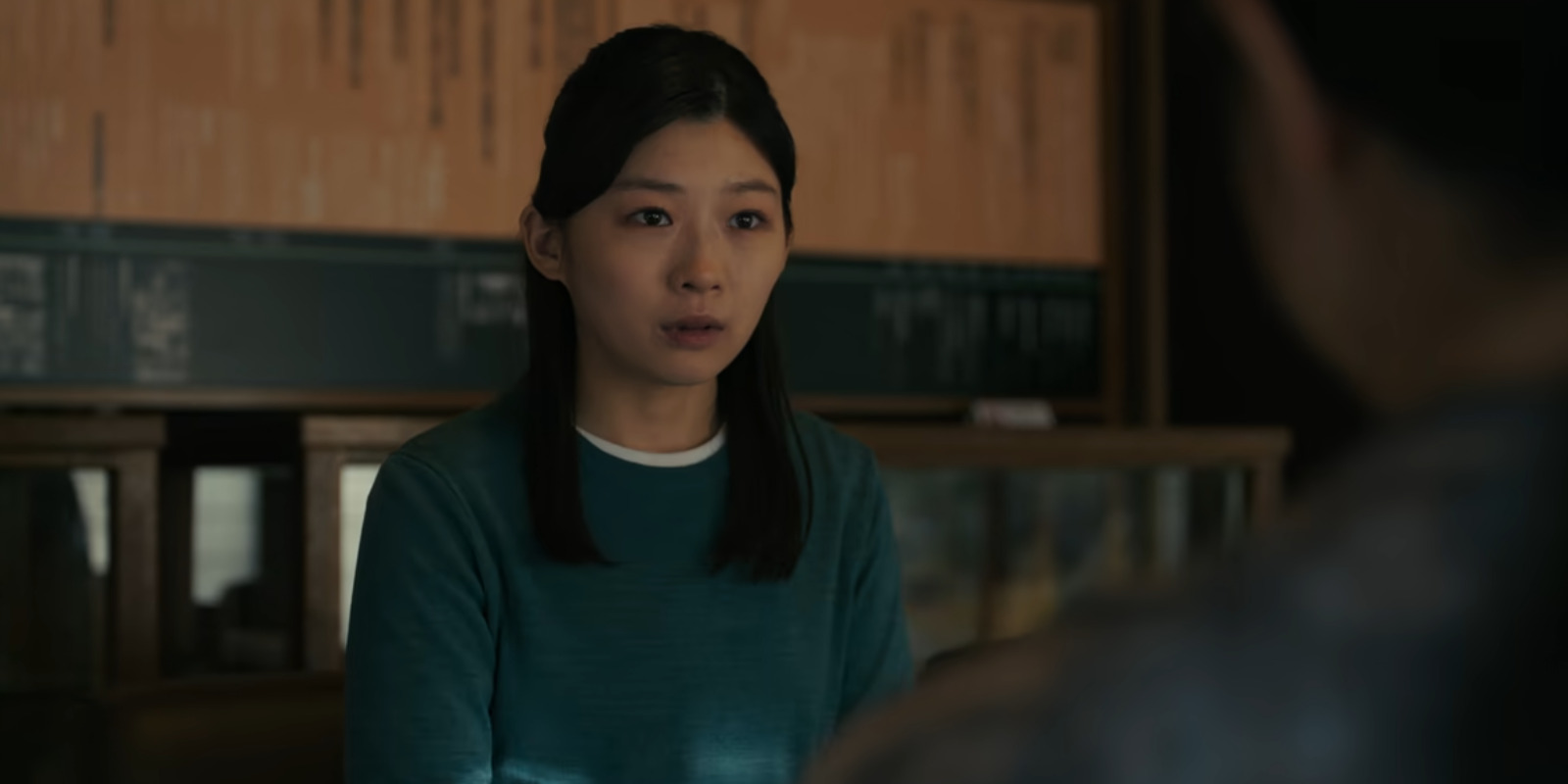
Netflix’s Japanese drama series ‘Straight to Hell’ delves into the history of Kazuko Hosoki, a famed fortune teller who was once the Queen of the nation’s television ratings. The story is largely told as a series of flashbacks, explored over the course of interviews between the TV personality and a young novelist, Minori Uozumi, who will be penning her biography. Over time, she learns of the woman’s fraught past, in which she took on various roles, as a hostess, a club owner, a woman scorned, and even a victim of the Yakuza.
Yet, despite the hardships, Kazuko climbs her way to the very top. However, once Minori begins to investigate the woman’s life through outside sources, a different story emerges, one where the fortune teller might be a survivor but also a manipulative subduer. The novelist compiles all her nuanced understanding of her subject into a biography titled “Self-Portrait of a Facade.” As this book becomes the nucleus, the book’s possible roots in Hosoki’s real life remain worth exploring.
Minori Seems to be a Fictional Creation of the Series
‘Straight to Hell’ is based on the real life of the central character, Kazuko Hosoki. Yet, the series fictionalizes many aspects of its storyline in the service of the overarching thematic and narrative plot. As a result, instead of a completely authentic biography, the on-screen story ends up presenting a dramatized, and occasionally fictionalized, version of events. Minori’s involvement in the protagonist’s life seems to be a part of the latter. In real life, there are no records of a novelist named Minori Uozumi having any connections to the real Kazuko Hosoki. In the early 2000s, the fortune teller did indeed become the subject of journalistic exposés by the Weekly Gendai magazine.
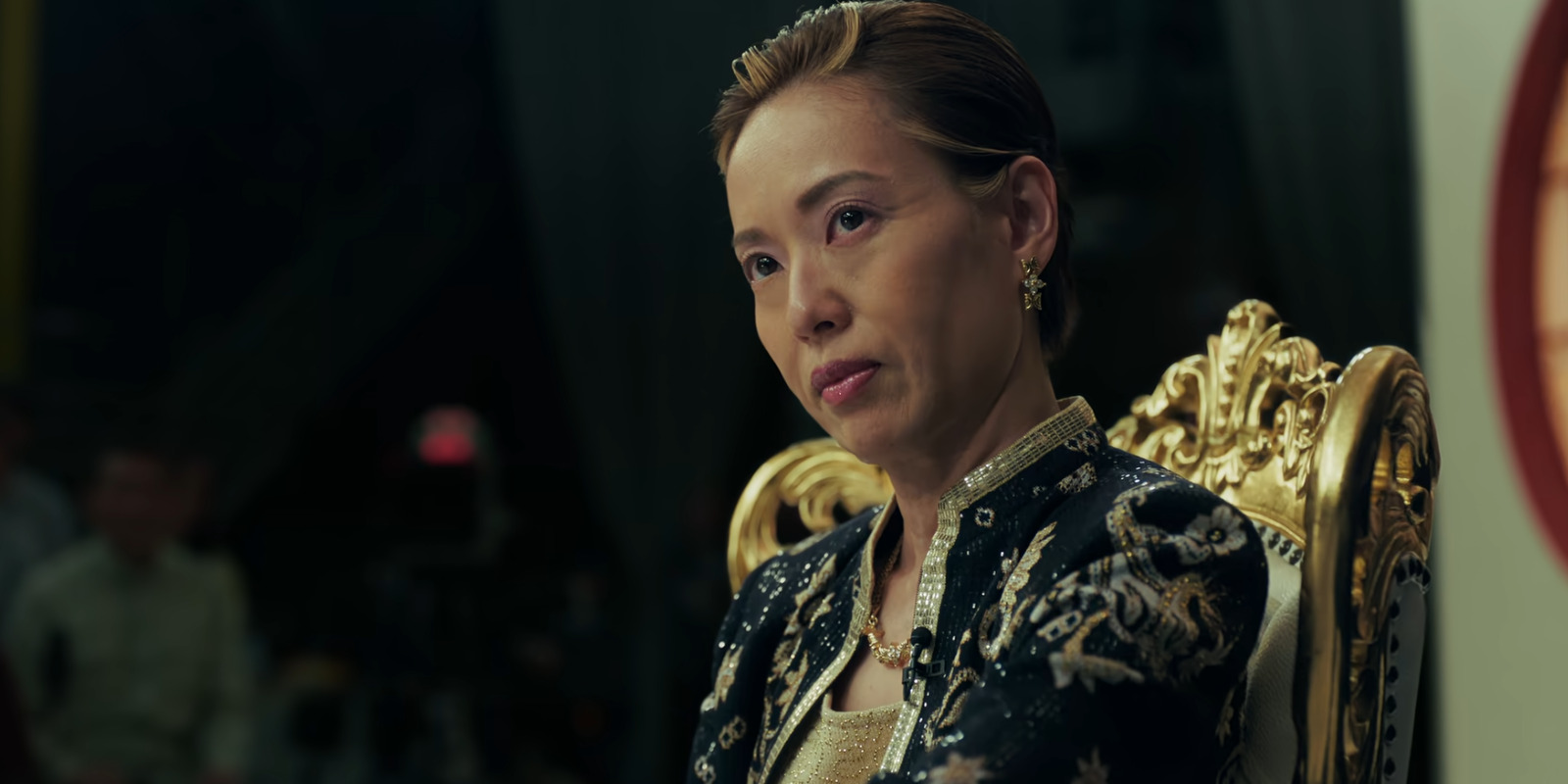
The Japanese publication published a series of articles titled ‘The Witch’s Resume,’ which detailed Hosoki’s connections to organized crime, like the Yakuza, and their influence on her finances. However, no historical records suggest that during this time, the fortune teller sought out any positive publicity through an attempted biography, even one that was ultimately scrapped. Thus, Minori’s on-screen presence in Kazuko’s story seems to be a work of fiction confined within the Netflix show. Still, despite being a possible fictitious element, the novelist serves an important role in the narrative, which reflects a certain realistic aspect of the real Hosoki’s life.
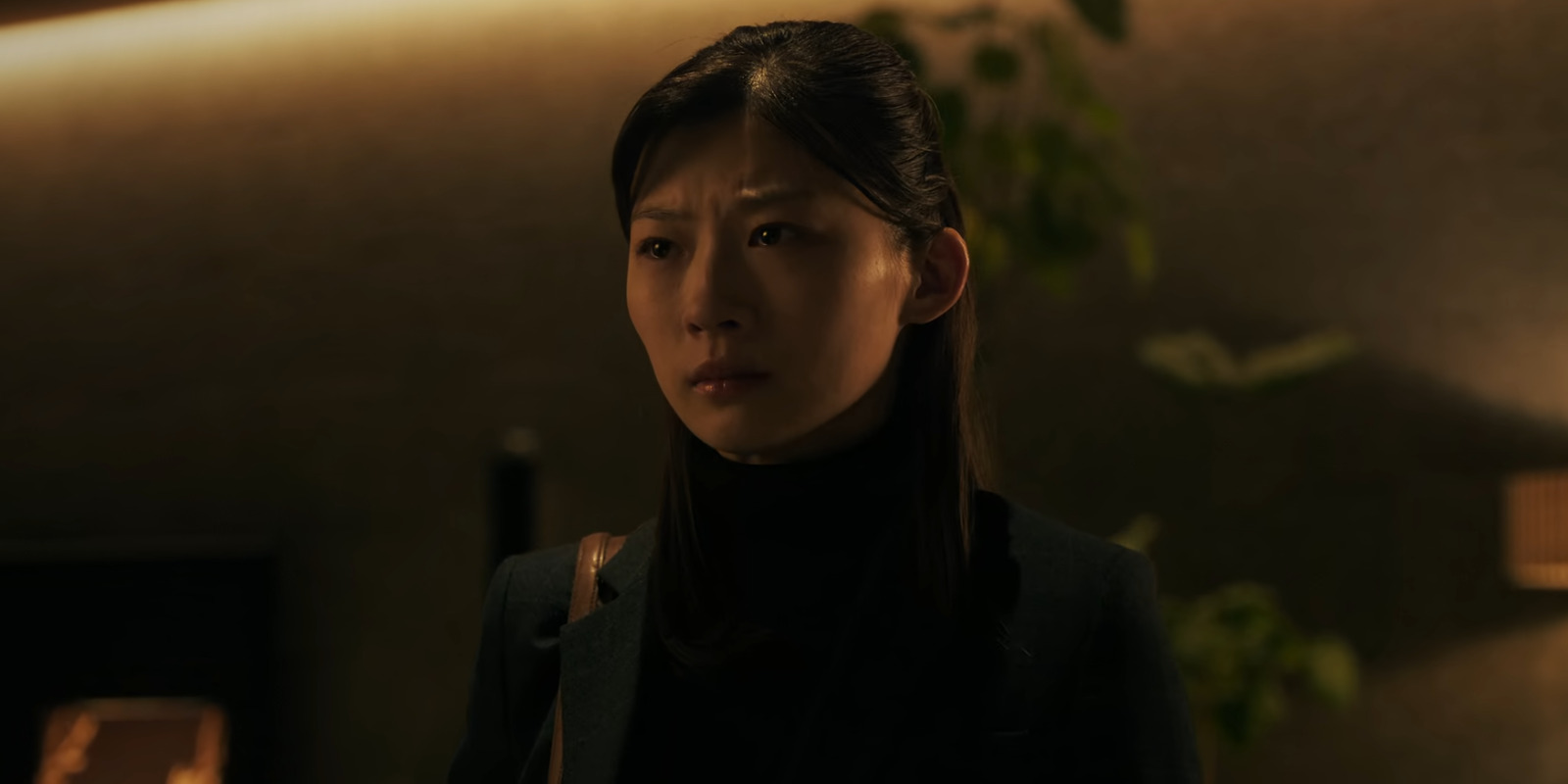
In the series, Minori largely remains an audience surrogate, who is the entryway into the story for the viewers. In the beginning, she has some recognition for Kazuko’s work and her identity as a pop-cultural phenomenon. Afterward, she learns about the complexities of her early life over time. However, it’s only after some digging that she learns the truth about Kanuko’s past and the many lies she has been peddling. Although the show takes a nuanced and non-definitive take on the truth of Hosoki’s life, this progression of Minori’s familiarity with the fortune teller is reminiscent of the reality of her stardom. Thus, in some ways, her thematic presence in the show remains shaped by reality.
Self-Portrait of a Facade is a Fictional Combination of Kazuko Hosoki’s Autobiography and Scandalous Expose
The Self-Portrait of a Facade is the novel Minori is working on throughout the course of the series. It’s a biographical based on the novelist’s perception of Kazuko Hosoki’s life, relationships, and characters. However, for the fortune teller herself, it’s a means to an end. As she anticipates a scandal brewing on the horizon, she’s eager for positive publicity, which she hopes to get from Minori’s work. However, the more the author learns about Kazuko’s life, both from her and other people’s perspectives, the book takes a morally nuanced stance on the fortune teller’s life. For the same reason, in the end, she bars it from publication. In real life, there are no records, at least easily accessible by the public, that suggest such a biographical novel ever existed.
Instead, there are other literary sources into Hosoki’s real life. In 2008, Weekly Gendai magazine ran a series of articles, ‘The Witch’s Resume,’ which presented a scandalous exposé into the public figure’s life. This is when her ties to organized crime and other shady business practices were first revealed to the wider public. On the other hand, along with her numerous other books, Hosoki also penned an autobiography. While the level of truth and authenticity behind this book remains up for debate, it offers a fascinating drive into the fortune teller’s life. Notably, this autobiography became a source of inspiration for Tomoyuki Takimoto, the director of ‘Straight to Hell.’
In a conversation with Netflix, he spoke about the book and said, “Hosoki wrote an autobiography titled “Onna no Rirekisho” (“A Woman’s Résume”). There are plenty of exaggerations and untruths, but taken together, her little-known rise from post-war poverty is immensely compelling and overflowing with classic drama: love, betrayal, ambition, ill intent, and self-preservation. In today’s world, bound so tightly by compliance, the energetic figure of a woman who lived true to her desires at each moment looked incredibly magnetic to me.” Thus, while Self-Portrait of a Facade remains a work of fiction, in the show, it seems to do the combined bidding of these two real literary pieces on Hosoki’s life.
Read More: Is Apex a True Story? Is Ben Based on a Real Serial Killer?


You must be logged in to post a comment.