
 Diksha Sundriyal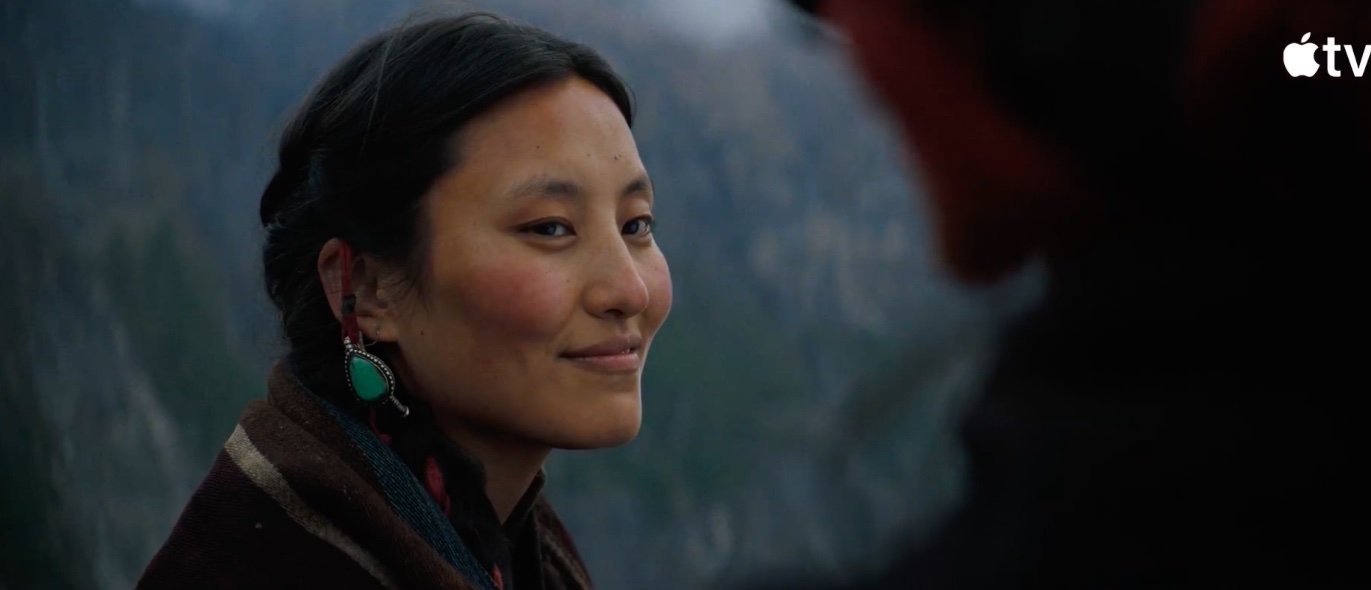
Apple TV’s ‘Tenzing’ brings to life the true story of Tenzing Norgay, who first summited Mount Everest with Edmund Hillary. The film charts his journey from his village in Tibet to his life in Nepal as he dreams of climbing the world’s highest mountain. His dreams are not well-received by everyone. Some dismiss it for religious and spiritual reasons, while others believe him incapable of it. In all of this, there is one person who not only stands by him, but also pushes him to pursue his dreams, overcoming the many challenges that stand in his path: his wife, Dawa. She becomes the heart and soul of the story and the emotional force that pulls Tenzing to turn his dreams into a reality. SPOILERS AHEAD.
The Apple TV Film Fictionalizes Certain Aspects of Tenzing Norgay’s First Marriage
In the Apple TV movie, Tenzing Norgay’s deep bond with his wife, Dawa, becomes the driving force that sustains and pushes him even after she tragically passes away from an illness. However, in presenting that arc, the film takes creative liberties, tweaking certain details to serve the story’s narrative. In real life, Tenzing married Dawa Phuti in 1935. They had three children: a son, Nima Dorje, and two daughters, Pem Pem and Nima. Their son tragically passed away in Darjeeling when he was four, and Dawa, too, died of a prolonged illness in 1944. In the movie, the family is shown to be living in Darjeeling at the time.
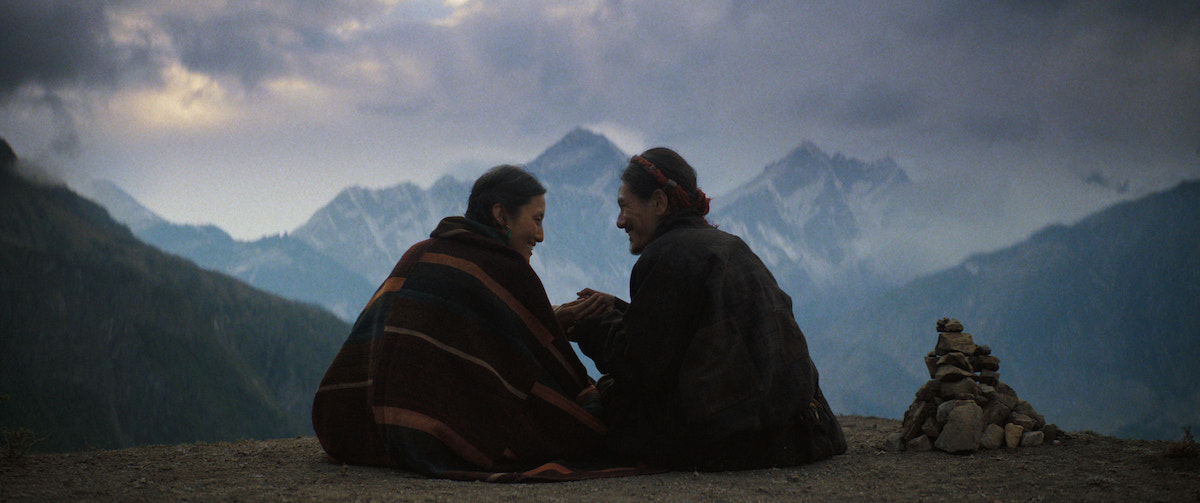
But in reality, they had shifted to Chitral (now in Pakistan) in the early 1940s. Some accounts indicate that, at the time, Tenzing served as a batman to a British Major named Chapman, while another account claims he worked for a Colonel White. It was in Chitral that Dawa spent her last days and was laid to rest. The Norgay family returned to Darjeeling during the Partition of India in 1947, where they settled permanently. By then, he had already remarried. He reportedly tied the knot with Ang Lahmu in 1945, though some accounts claim that they got married after his return to Darjeeling. Ang Lahmu was Dawa’s cousin and raised Tenzing’s daughters, though she had no children of her own.
In 1953, when Tenzing summited Mount Everest and was invited to meet the Queen in Buckingham Palace, his second wife was with him. She passed away in 1964. Tenzing had a third wedding with Dakku, whom he is believed to have married when Ang Lahmu was still alive. Their marriage was reportedly according to the Sherpa custom, which allows polygyny. From his third marriage, Tenzing had four children: three sons, Norbu, Jamling and Dhamey, and one daughter, Deki. The film focuses solely on Tenzing and Dawa’s relationship to give the story an emotional edge and, within that context, to explore the spiritual sentiments behind Tenzing’s desire to climb Mount Everest.
Tenzing Norgay Left Behind Several Gifts on Mount Everest
In the movie, before Tenzing leaves for the 1953 expedition, his daughter hands him the rosary that belonged to her mother, Dawa. She sees it as a good luck charm for her father while also a sign that Dawa is with him in spirit. In the end, when Tenzing is on the top of Mount Everest, he leaves the rosary on the summit as a remembrance to his late wife. In real life, Tenzing did not leave behind any rosary, though he did take a gift from his daughter, Nima. She gave him her favorite blue-and-red ballpoint pen to leave at the top. In line with his Buddhist tradition, he also left food offerings for the Gods in the form of biscuits and chocolates and said some prayers.
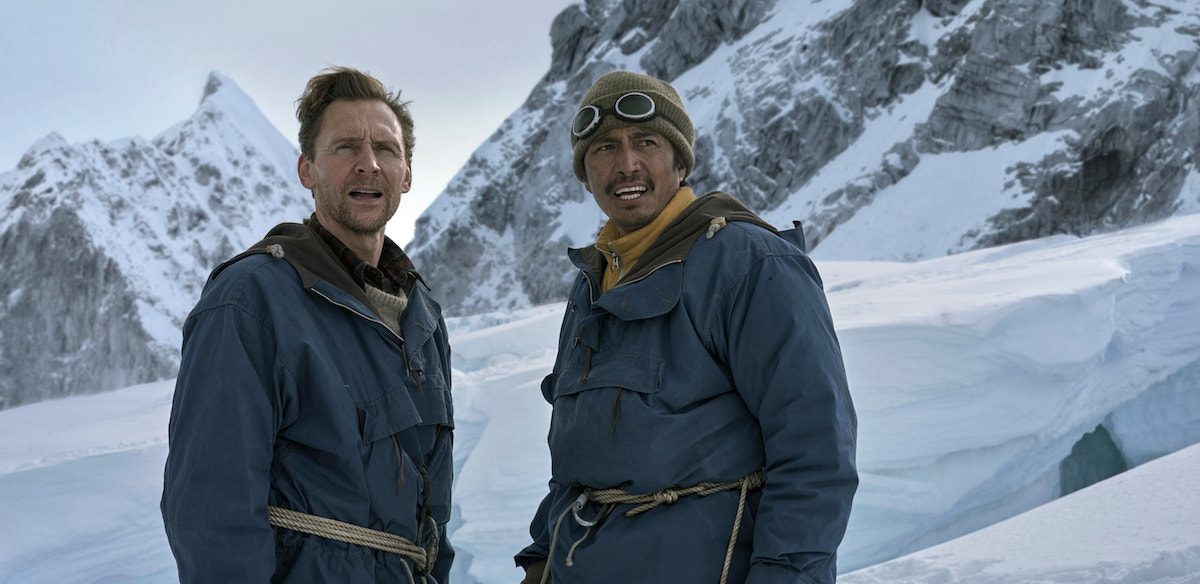
He also reportedly left a red scarf which he’d received from Raymond Lambert, the Swiss mountaineer with whom he’d almost reached the top the year before. Meanwhile, Edmund Hillary’s account states that he left a crucifix that was given to him by Colonel John Hunt. Reportedly, the crucifix came from the rosary of Father Martin Haigh’s father, which he’d received from Pope Pius XII. However, Norgay has presented a conflicting account, in which he claimed that Hillary handed him a small black cloth cat (a mascot) that the Kiwi mountaineer had received from their expedition leader, Hunt.
He claims to have no recollection of Hillary burying a crucifix. In any case, Father Haigh informed the Pope that the crucifix had been left at the highest mountain peak in the world. This prompted the Pope to award papal medallions to Hillary and Hunt, with one later being awarded to Tenzing as well. The film chooses a fictional route and, instead of focusing on the various offerings, uses Dawa’s rosary to add further emotional depth to Tenzing’s extraordinary feat. It serves as a mark of the connection with his wife and daughters who stood by him through it all.
Read More: Best Mountain Climbing Movies and Shows on Netflix


You must be logged in to post a comment.