
 Diksha Sundriyal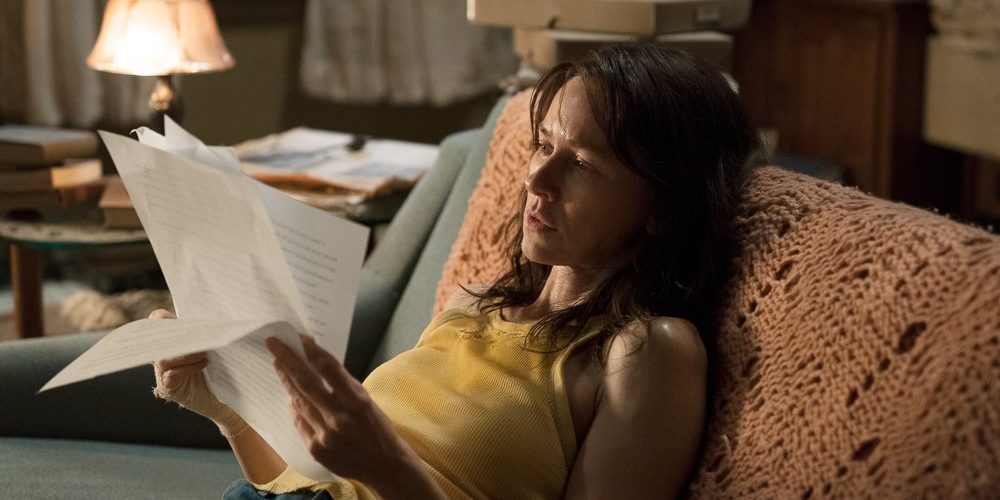
A reclusive author is terrorised by the idea of stepping out of her apartment in ‘The Wolf Hour.’ Set in the late 1970s, the film stars Naomi Watts as June Leigh, who achieved critical success with her first novel but is now in self-imposed exile. Directed by Alistair Banks Griffin, the psychological thriller film delves into the dark recesses of the protagonist’s mind, all while she is confined to her New York apartment. It touches upon the themes of isolation and paranoia, where the character’s mental state is reflected in the degradation of the outside world. Watts’ performance adds a movingly realistic touch to the story, keeping the audience invested in how it all ends for her. SPOILERS AHEAD.
The Wolf Hour is Inspired by a Real Period in the Director’s Life
‘The Wolf Hour’ is a fictional story written by Alistair Banks Griffin, which borrowed elements from his real-life experience as a reclusive writer in New York. After the release of his first feature, ‘Two Gates of Sleep,’ Griffin went through a difficult time where he hadn’t worked in over a year and was so broke that the only place he could afford in the city was a tiny fifth-floor apartment in Chinatown. The room could barely fit his small mattress, and because he couldn’t keep too much stuff there anyway, he decided to get rid of most of his possessions. At the same time, he didn’t feel like keeping in touch with his family or friends, so he would keep his phone turned off. The anonymity of his surroundings pleased him, and he would find himself observing people on the street from his window. During this time, he also seemed to have hit a creative block, and at one point, he started to wonder if he should keep writing.
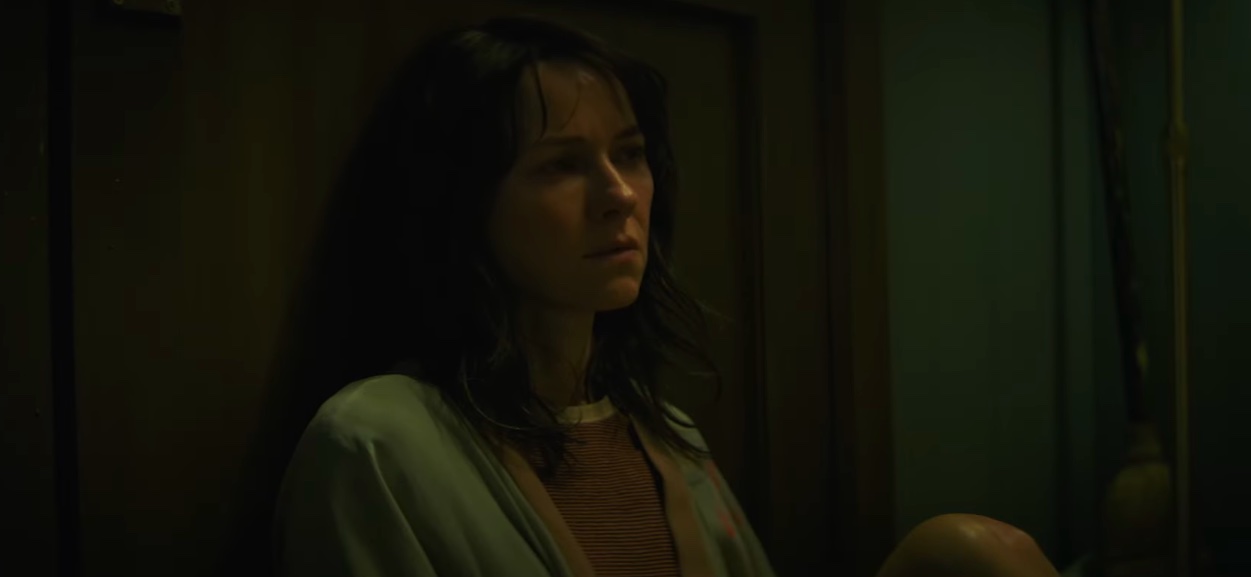
A lot of time had passed since his first project, and he felt unable to write something new. That’s when an idea popped into his head. He imagined a woman who cannot leave her house and is haunted by a mysterious noise that talks to her through her intercom. Once the idea took root in his mind, he kept writing, and the story flowed out of him. To make the story more grounded, he researched the lives of people who had lived in such isolation, particularly referring to the Collyer brothers in the 1930s, in whom he saw a bleak future that he himself would be headed towards if he didn’t get out of his apartment. He also reached out to his loved ones, who welcomed him back with open arms, and once he was out in the world, he started living again. Not only did he start working on his movie, but he also met the woman he would eventually get married to.
The Wolf Hour Presents the Paranoia and Isolation of Its Fictional Protagonist
While his own feelings and situation became the core of the story, Alistair Banks Griffin set the story in the 70s because of the cultural contrast that the era presented. He said, “This was about as bleak as it could get, and still there was this vibrant, cool thing happening there, and some of the best art and culture and music was coming out of the city at the time.” He also referenced movies like ‘Repulsion,’ ‘Rear Window,’ and, most importantly, ‘Jeanne Dielman, 23 quai du Commerce, 1080 Bruxelles,’ which he called “the most epic portrait of a woman” he’s ever seen. Meanwhile, Naomi Watts referred to writers like Susan Sontag and Joan Didion to bring a sense of authenticity while portraying the fictional June Leigh. She said that the process of finding the core of the character required them to use “certain people of that era to tap into the voice of someone who’s educated, someone who has a sense of self-worth and value, but because of her psychosis, her life has been disrupted by this paranoia.”
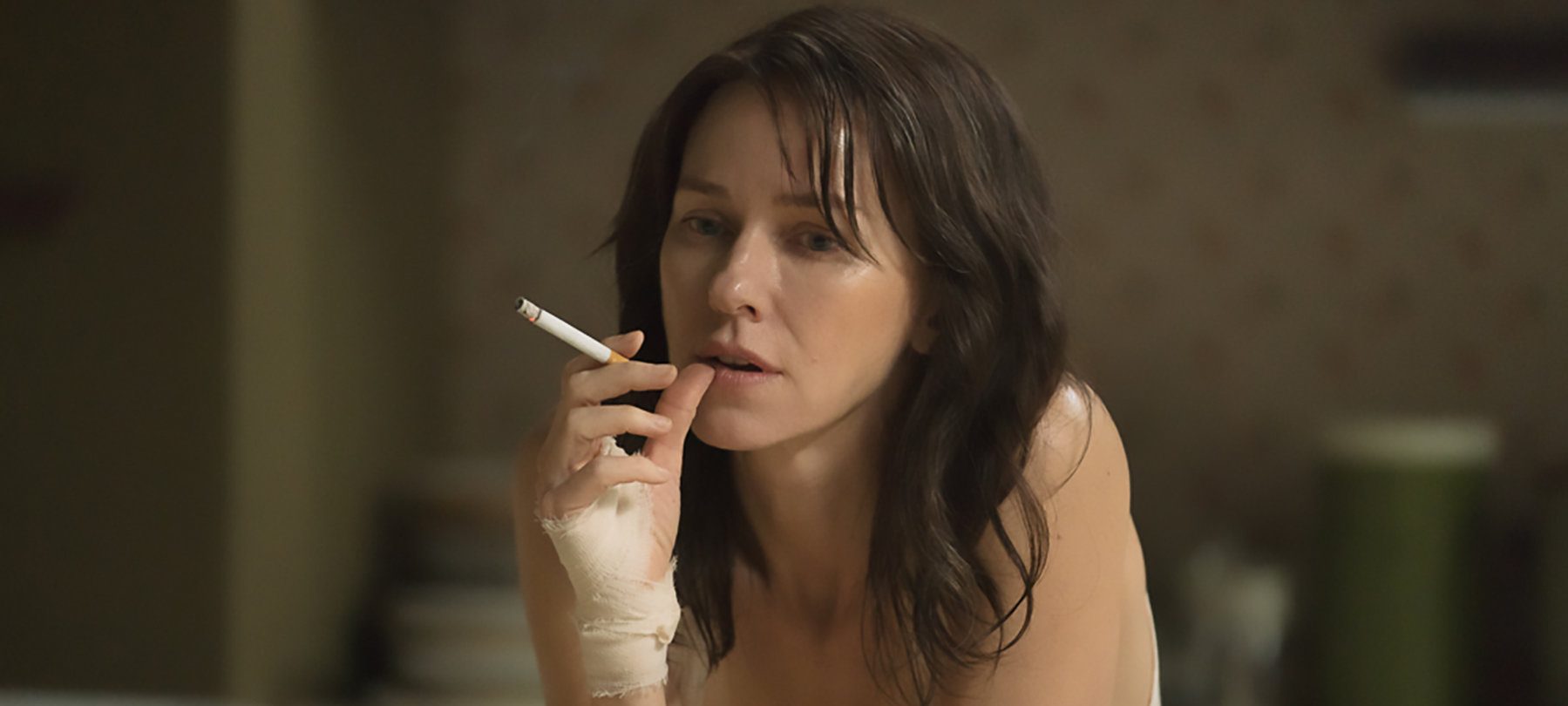
Watts was fascinated by the portrait of June presented in Griffin’s script and looked up imagery to find ways to reflect the depth of the character’s deteriorating mental state. At the same time, she could also connect with June as an artist in the way she struggles with the idea of irrelevance and reinvention, and how it messes with her mind. Alongside June, her apartment also becomes a co-protagonist whose dishevelled appearance lends to the film’s chaotic tone. The director wanted the place to feel suffocating, and to give it a sense of closing in on June, it was stuffed with books and other things. The production design team leaned into working up every single detail of the room, right from the peeling paint to the rust on the door’s peephole. The idea was to give the apartment a 1970s look, and the crew did a commendable job of bringing Griffin’s vision to the screen.
It also helped define the washed-out color palette that gives the distinct measure of June’s exile. The director wanted to factor in the humidity of the weather, for which the actors were reportedly covered in Vaseline every day. The only thing that made it difficult to reflect the heat was the exterior shots. The filming took place in the middle of a biting winter, while the actors were supposed to behave as if they were experiencing one of the hottest summers in New York. Still, it all worked out pretty well, delivering the desired effect. At the end of the day, the idea was to present the disarrayed mental state of the character in a way that the audience could relate to and sympathise with, while also connecting to June’s growing sense of unease and paranoia as she is forced to face her demons.


You must be logged in to post a comment.