
 Aahana Swrup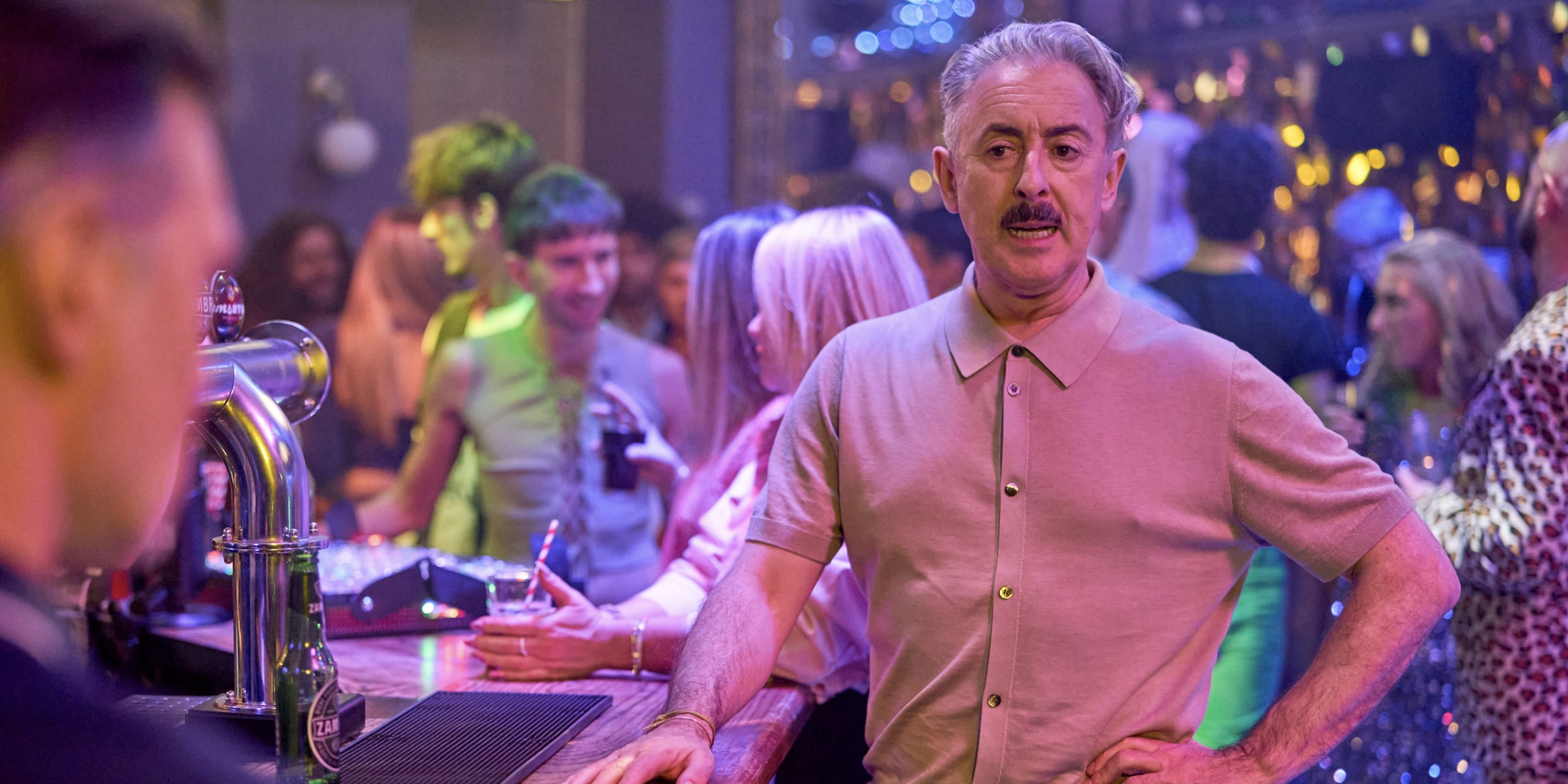
Created by Russell T. Davies, ‘Tip Toe’ charts the story of Leo Struthers, a bar owner whose Canal Street business makes him a foundational member of the local queer community at a time when social tensions rapidly rise. The man, nearly in his 60s, lives in a house next to a nuclear family, the Gosses. Clive and Marie Goss are parents to two boys: Saul, who is in his 20s, and George, the teenager of the house. Through their awkward neighborly encounters, Leo can tell Clive isn’t the most politically or socially liberal of heterosexual men.
Yet, a tentative acquaintanceship forms between the two after an early-morning encounter in which Leo gets locked out of his house. Once a spare key is exchanged between the two, things quickly become complicated, creating a pressure-cooker situation that promises to end in disaster. The show portrays a tense reality about the contemporary world where a sharp turn to the right-wing politics increases hostility towards the LGBTQ+ community. Through Leo Struthers and his tale, the story delves into this prevalent socio-political issue on a personal and humane level.
Tip Toe is a Fictional Story Inspired by the Reality of Rising Bigotry Against the LGBTQIA+ Community
‘Tip Toe’ presents a socially relevant narrative, brought to life on screen through realistic characters and their equally realistic storylines. Even so, neither Leo Struthers nor his life’s story as depicted in the show is based on any direct real-life counterparts. Instead, the influences shaping the series stem from broader, more indirect sources of inspiration. Russell T. Davies, the creator of the miniseries and writer of all five episodes, cites incidents from his own life and the lives of those around him as the principal seed of his creativity on the project. The show explores the nature of LGBTQIA+ rights in the 2020s through the lens of political evaluation and public perception.
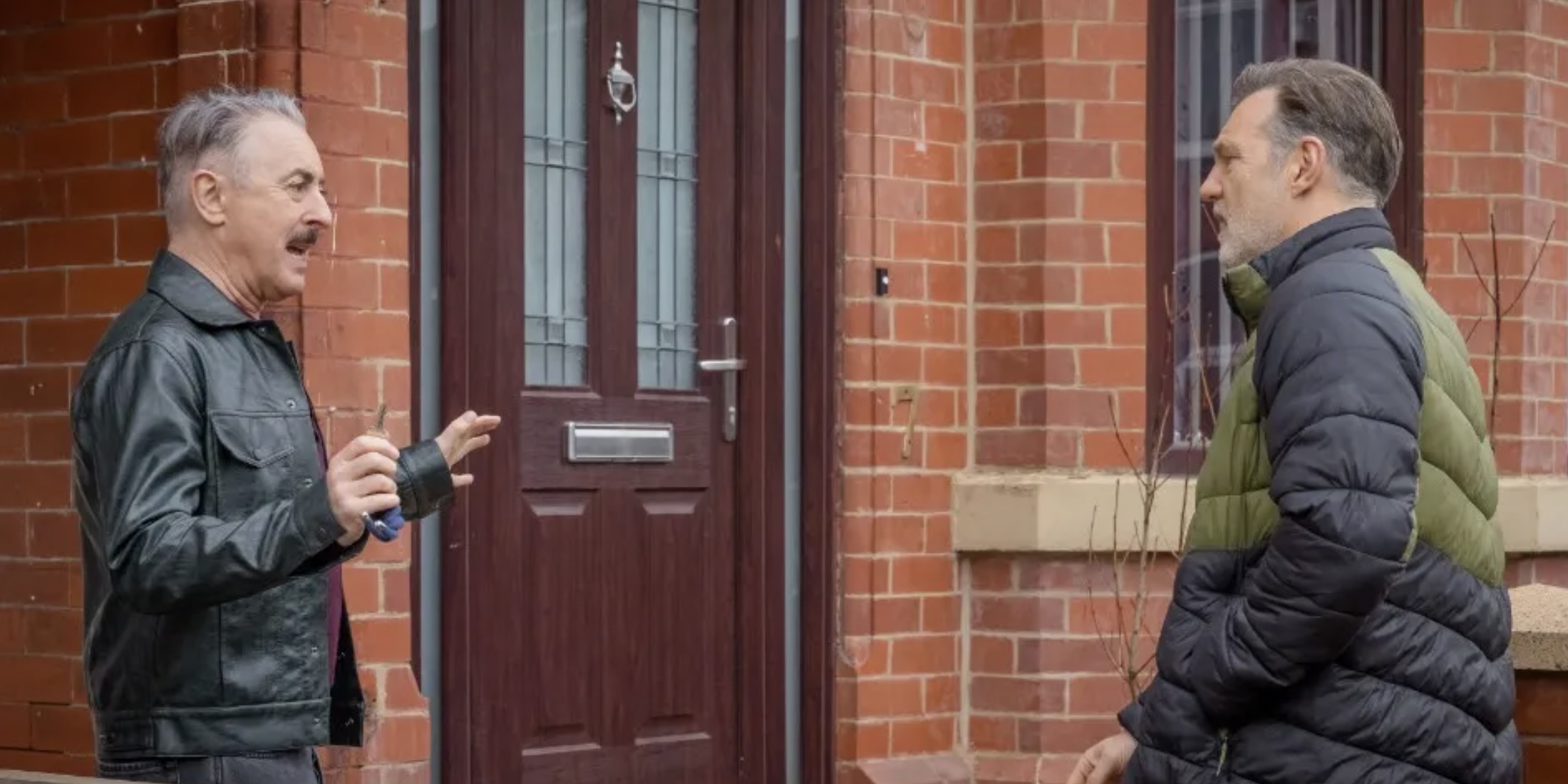
The central conflict in the story originates from the dynamic between Leo, a homosexual man who has been a pillar of the local queer community for decades, and his neighbor, Clive, a heterosexual man who feigns modern tolerance while feeding on right-wing rhetoric behind closed doors. This creates a narrative friction that becomes an ideal battleground for investigating various topics, such as themes of queer solidarity and perseverance at a time of tumultuous socio-political change. When speaking with Huffington Post about what inspired Davies to create this story, the creator shared, “Things happened both at work and at home, in ways that I’m not going to go into because it’ll only encourage them to happen again, genuinely—that made me think that’s enough.”
Davies, who has been an out-and-proud queer creative in the industry for a long time, has received online backlash of his own. Furthermore, he has heard horror stories regarding the pressure and fear his friends experience as members of the LGBTQ+ community or other marginalized groups. In witnessing the progression of online radicalization, which continues to translate into the rise of far-right politics and violence in the real world, the creator felt compelled to tell a story that explores the current socio-political climate as experienced by individuals on the frontlines of marginalization. Thus, despite remaining textually fictional, ‘Tip Toe’ presents a reflection of a disheartening reality.
Tip Toe Portrays the Reality of the Spike in LGBTQ+ Driven Hate Crimes in the UK
In ‘Tip Toe,’ the premise revolves around a horrific hate crime and the exploration of the build-up to the event. While this crime itself is a fictional one, without any direct counterparts in reality, it mines inspiration from the reality of such crimes against the LGBTQ+ community in recent years. As per reports, the UK has overseen an increase of 20% in hate crimes against individuals based on sexual orientation. On the other hand, there’s been a 50% increase in similar crimes based on trans identity. Statistics, which are likely underestimations due to the disparity between incidents committed and reported, showcase that over 18,000 hate crimes have been committed on the basis of sexual identity between 2024 and 2025.
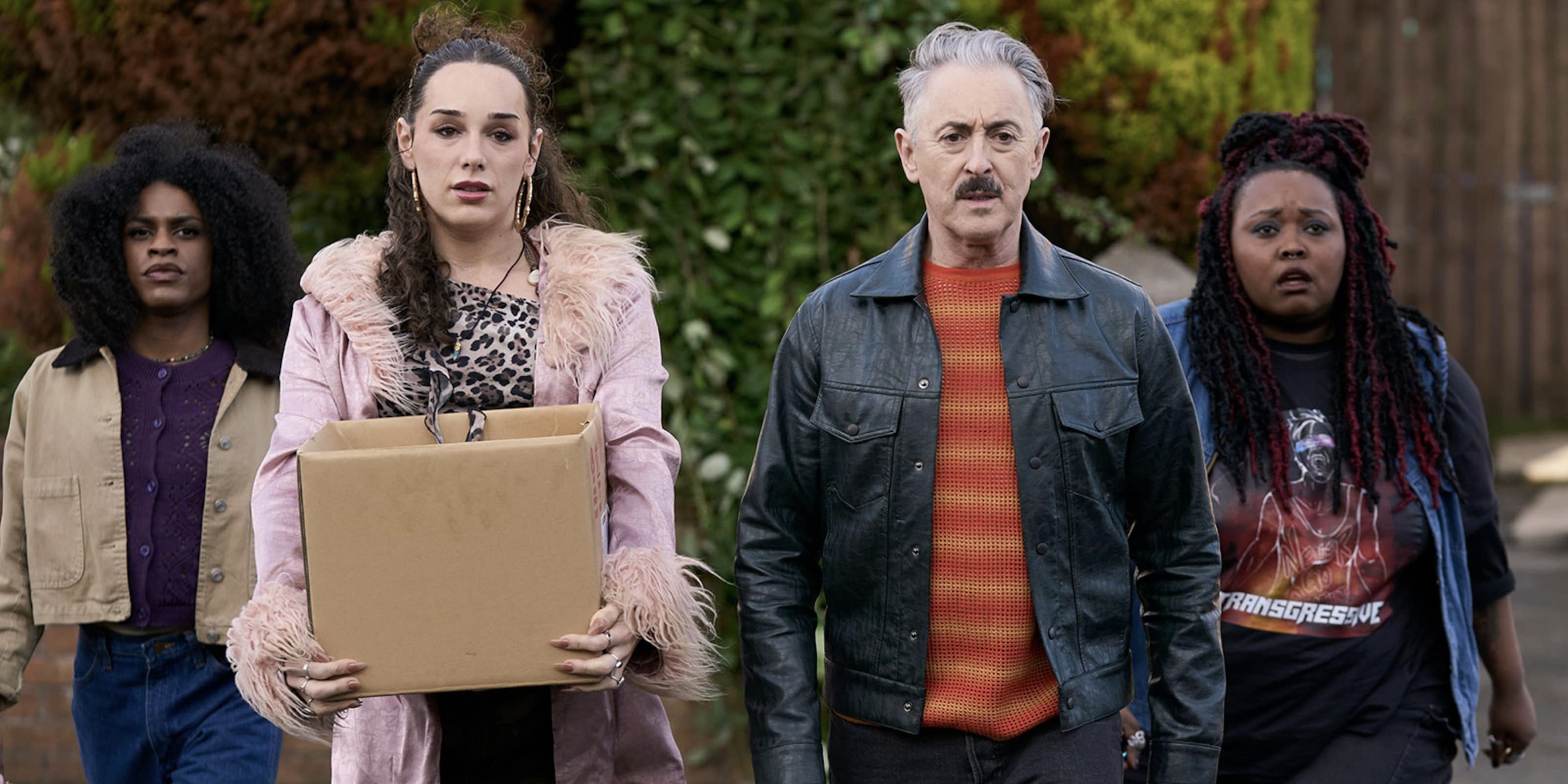
Hate crimes against transgender individuals within the same window of time are estimated to be over 3000. Moreover, LGBTQIA+ advocacy groups have expressed serious concern over recent legal rulings regarding transgender rights. One such instance includes the April 2025 UK Supreme Court ruling in the case of For Women Scotland Ltd v The Scottish Ministers that affirms that terms “sex,” “man,” and “woman” under the Equality Act 2010 strictly refer to biological sex at birth, establishing that holding a Gender Recognition Certificate does not alter an individual’s biological sex for the purposes of the Act.
These socio-political realities, paired with the increasing hostility against the LGBTQ+ community in far-right spheres of the internet, play an instrumental role in the realistic construction of Leo’s character and his story. Furthermore, the narrative highlights the nature of social media hate and its contribution to the social rejection of marginalized groups in real life. Thus, real-life stories and socio-politics have a tangible and discernible influence on the otherwise fictionalized narrative in ‘Tip Toe.’
Read More: Is War a True Story? Are Morgan Henderson and Carla Duval Based on a Real Couple?


You must be logged in to post a comment.