
 Shivangi Sinha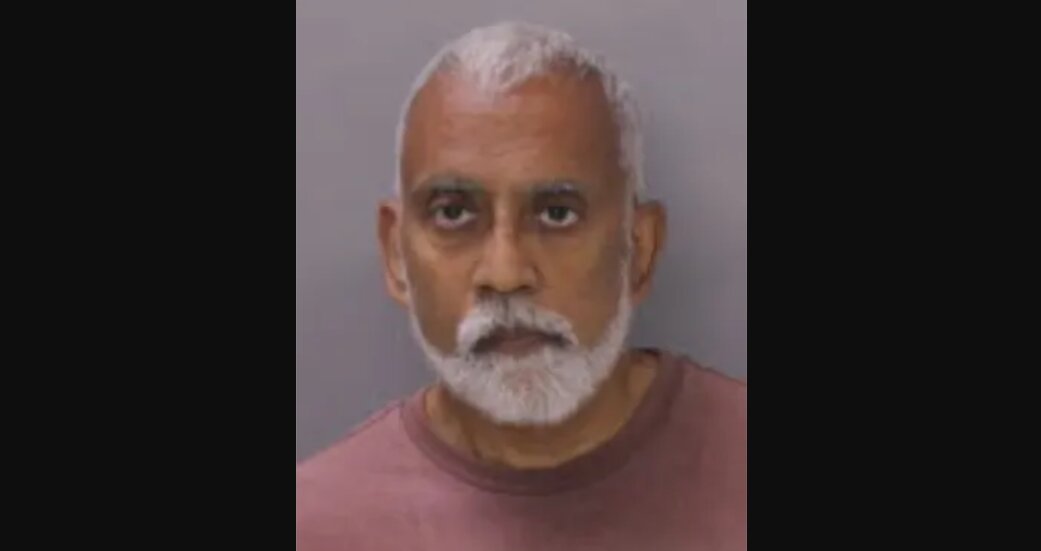
In December 1980, in the small town of State College, Pennsylvania, it was reported that a 19-year-old boy, Tom Kinser, had disappeared. His family conducted extensive searches for him, but it seemed as though he had simply walked away. In September 1981, when some human remains were found, they were immediately sent for testing and identified as Kinser’s. When the police began tracing his whereabouts just before his disappearance, one name surfaced and was pursued. In AMC+’s ‘True Crime Story: It Couldn’t Happen Here’ season 4 episode 2, the case is featured in detail, along with accounts from people close to it.
Tom Kinser Had Gone Out of Town With a Friend the Day He Disappeared
On February 1, 1961, in Boulder, Colorado, William Kinser and Charleen Petersen welcomed their son, Thomas Edgar Peterson “Tom” Kinser, into the world. He grew up alongside his sister, Maggie Ellyn Kinser, in State College, Pennsylvania, near Penn State University, where his parents were faculty members. Tom was known as a kind and cheerful person who had many friends in the area. He had several plans for his future and, in pursuit of them, enrolled at St. John’s College in Annapolis, Maryland. Not wanting to be dependent on anyone, he also supported himself by working in the family business, Charleen Kinser Designs.
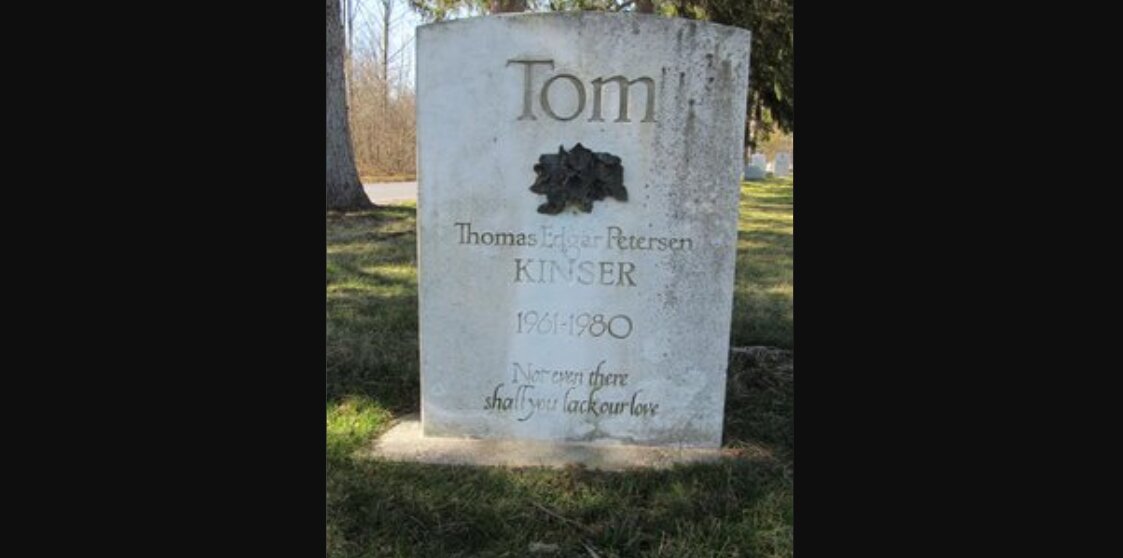
Even after joining college, he would often return home, as he worked there and still had many friends in the area. On December 14, 1980, Kinser borrowed his family’s van for a short trip to Lewistown with a friend. He left a little after 10 am, but by the time evening fell, there was no sign of him. The van was later found parked in a lot, but Kinser was nowhere to be seen. His mother began calling all his friends, but no one knew where he was. After finding no leads, his parents filed a missing person report a few days later. On September 26, 1981, human remains were discovered in a sinkhole in Rothrock State Forest and were identified as Kinser’s. The autopsy determined the cause of death to be a gunshot wound to the head, and an immediate investigation was launched.
Tom Kinser’s Accused Killer Was Convicted Two Times for First-Degree Murder
After Tom Kinser’s remains were found, the police began retracing his movements around the time he disappeared. They discovered that he had, in fact, gone to Lewistown with a friend, Subramanyam “Subu” Vedam. The latter’s parents were also faculty members at Penn State University, and the two had grown up in the same town. In early 1980, Subu and Kinser had even rented an apartment at Lion’s Gate for the summer semester. Investigators also learned that Kinser had been allegedly selling drugs on a small scale at the time. In March 1982, while the homicide case was still under investigation, police arrested Subu on unrelated drug and theft charges. On Kinser’s remains, the police observed a wound to the skull which they alleged was caused by a .25 caliber gun. They also alleged that shell casings of the same caliber were found near the remains and were taken in as evidence.
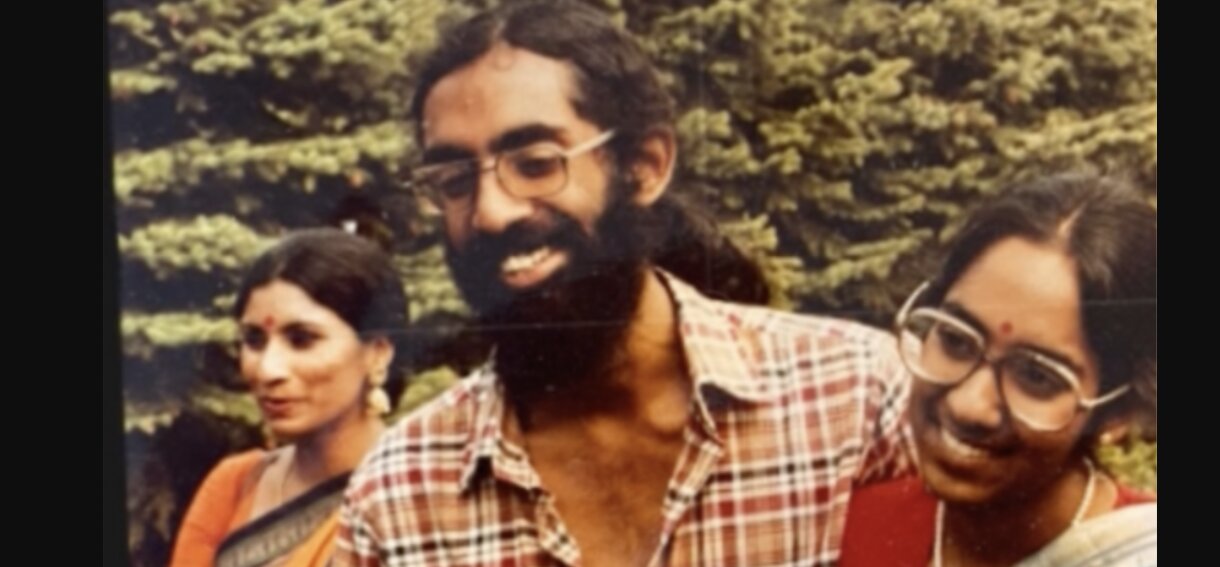
When officers began questioning people in the area, a young man named Daniel O’Connell alleged that he had sold a .25 caliber gun to Subu shortly before the incident. Based on this evidence, along with the fact that Subu had called Kinser that morning and ridden with him to Lewistown, he was charged with first-degree murder in June 1982. In February 1983, Subu was taken to trial, where he was found guilty and sentenced to life in prison without parole. Maintaining his innocence, he immediately filed an appeal, arguing that evidence of other alleged bad acts had been improperly allowed into the trial. In January 1984, while his appeal was pending, Subu entered a plea of no contest to four counts of delivering LSD and one count of receiving stolen goods. He was sentenced to five to ten years in prison on those charges.
In December 1985, the Supreme Court ordered a new trial for Subu. Subu’s second trial began in February 1988, during which O’Connell became a key witness. He alleged that he had sold the gun to Subu, and prosecutors repeated their claim that the fatal gunshot wound came from a similar weapon. Subu’s defense team argued that he had purchased the gun after the homicide. O’Connell was also questioned and, when asked whether he had been convicted of any criminal offenses since 1981, he stated that he had not. Prosecutors portrayed him as a reformed man seeking the truth. Throughout the trial, emphasis was allegedly placed on Subu’s Indian identity and how his customs and practices were different. He was again found guilty of the same charge and sentenced to life in prison without parole.
Subu Vedam is Fighting His Deportation Case in Pennsylvania Today
Between 1994 and 2013, Subu Vedam’s defense team filed three Post-Conviction Relief Act (PCRA) petitions, but all of them were dismissed. In 2021, the Criminal Appellate and Post-Conviction Services Clinic at Penn State Dickinson Law, along with the Pennsylvania Innocence Project, began reviewing Vedam’s case and reached an agreement with the DA’s office to examine the full case file. In October 2023, Subu’s legal team filed a new motion for post-conviction relief, alleging violations of Brady rules (suppression of exculpatory evidence) and Napue rules (allowing false testimony). They claimed prosecutors had withheld FBI measurements showing that the bullet hole in Kinser’s skull was smaller than a standard .25-caliber round.
They also discovered that three .22-caliber bullets had been recorded from the crime scene but were never presented in court. Additionally, they alleged that O’Connell falsely denied prior criminal convictions, despite having seven convictions in California between 1981 and 1988. Evidence of other potential suspects, they argued, had also never been pursued. In February 2025, an evidentiary hearing was held in Subu’s case, and in August 2025, he was granted a new trial. His conviction was vacated, and in October 2025, the DA announced that there would be no retrial and that all charges against Subu were dismissed.
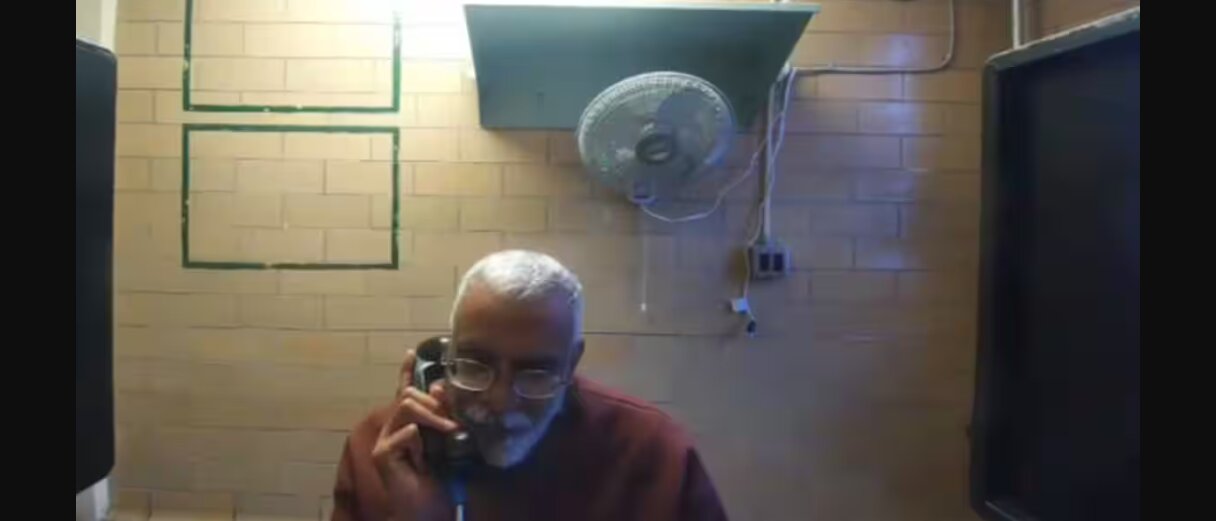
Although he was released shortly after, he was immediately taken into custody by Immigration and Customs Enforcement based on a 1988 detainer issued at the time of his conviction. He remained in ICE custody, and in February 2026, the US Department of Justice Board of Immigration Appeals vacated the 1998 deportation order, restoring his permanent US residency. However, his bond request was denied later that month, with a judge ruling there was a lack of jurisdiction due to his separate 1984 felony drug convictions. According to reports, Subu remains detained at the Moshannon Valley Processing Center in Clearfield County, Pennsylvania, as he continues to fight his ongoing deportation proceedings.
Read More: Katarzyna Zowada Murder: Where is Robert Janczewski Now?


You must be logged in to post a comment.