
 Diksha Sundriyal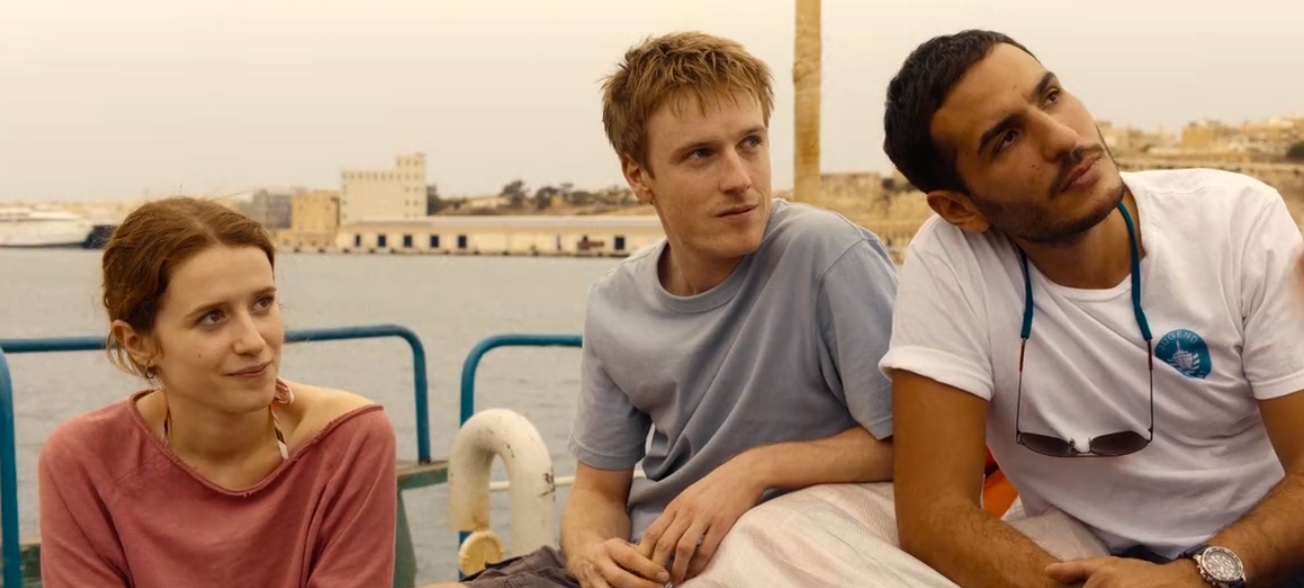
Netflix’s ‘23,000 Lives’ follows the true story of an organization that set out to save migrants from dying at sea when the governments wouldn’t stand up for them. The story begins with a young man named Lukas, who is appalled that so many people are dying on an arduous journey across the Mediterranean, and that no one seems to care. He wishes to do something about it, and his friends, Nina and Mauro, echo his emotions. They are his roommates who get attached to the project on Day 1. Together, they buy a ship, name it Iuventa, and use it to save the lives of thousands of people. The story’s impact lies in its roots in reality. However, certain aspects have been fictionalized to fit the movie’s framework. SPOILERS AHEAD.
Nina is Inspired by the Real Co-Founder of Jugend Rettet
The German NGO Jugend Rettet was co-founded by Jakob Schoen and Lena Waldhoff. The character of Nina in ‘23,000 Lives’ is likely a fictionalized rendering of Waldhoff, who was in her early 20s when she and her roommate, Schoen, decided to establish their own NGO. She was a philosophy student and had been volunteering at a refugee center. In April 2015, she watched the news about the deaths of hundreds of people in the Mediterranean. She was shocked and appalled by this, and, with Schoen, agreed that someone needed to act, especially when the governments didn’t seem too concerned about it.
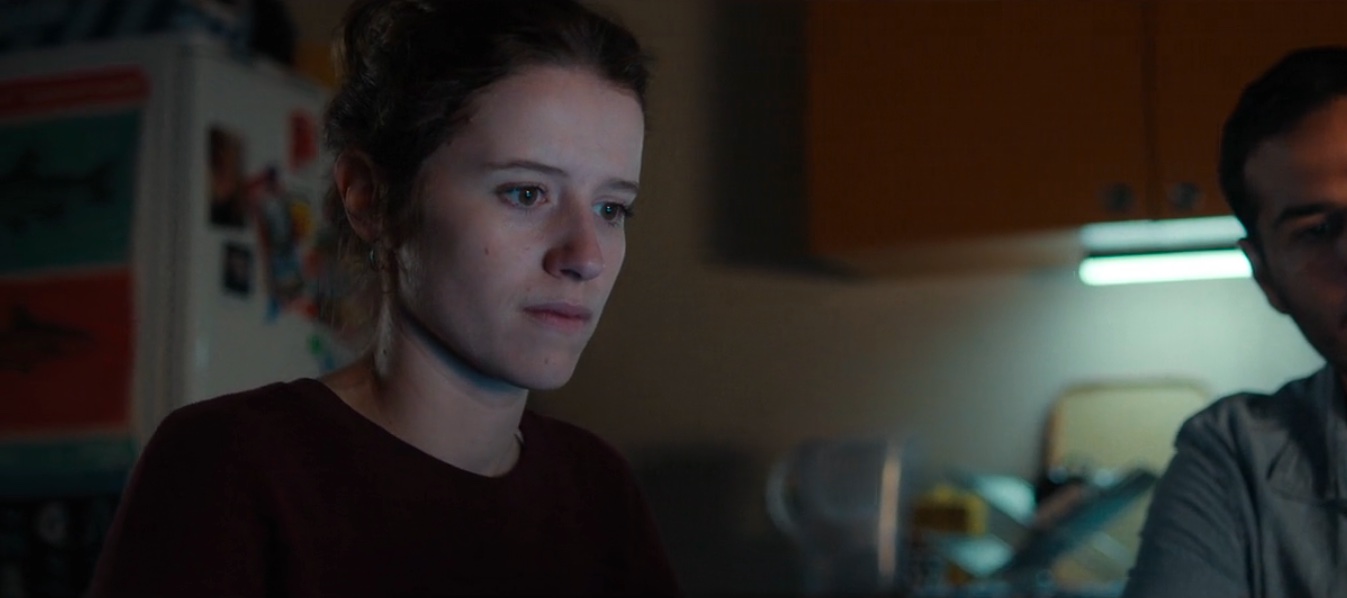
So, they formed Jugend Rettet, and soon, many people came on board to support the cause. With crowdfunding, the NGO bought a ship, renovated it themselves, and named it Iuventa. It was sent into the sea with the mission of saving lives, and had a rotating crew, which meant Waldhoff, too, spent a lot of time on the vessel. When she was not at sea, she worked tirelessly in the organization’s Berlin office. She took on administrative tasks, coordinated with crew members, and spread the word about the NGO’s work, including drafting mission statements and liaising with ambassadors.
While she was happy to do it all, she also highlighted that this work of aid and rescue wasn’t on her or other young people. It was on the government and politicians to ensure that people were not drowning to death right at their doorsteps. In 2017, when Iuventa was seized, and several crew members were accused of participating in illegal activities, Waldhoff stood by the organization and the crew till they were acquitted in 2024. She noted that the governments seemed more focused on criminalizing sea rescue rather than saving people’s lives, and concluded that a lot of it had to do with the right-wing narrative.
While the case was still pending in court, she turned her attention towards another important issue. She joined Aufstehen gegen Rassismus (Stand Up Against Racism) as an education officer, focused on training activists to counter right-wing narratives in everyday situations. She also co-authored the organization’s ‘Myth of the Neutrality Requirement’ brochure. She regularly conducts workshops to train young people to counter fascist slogans and stand their ground for human rights and democracy. Additionally, she develops educational programs for teachers and other NGOs. She is dedicated to making the world a better place for everyone. As for her personal life, she prefers to enjoy her privacy away from public scrutiny.
Mauro is a Composite of the Real People Who Worked on Iuventa
In ‘23,000 Lives,’ a group of young people forms an organization called Jugend Rettet (Youth Rescues) to provide rescue and aid to migrants at sea. However, even as it presents real events, the film takes a fictional approach. This means merging several people into one character to streamline the story. This is most likely what happened with the character of Mauro. In reality, Jugend Rettet was quickly joined by many people in its early days. People such as Alexander Hof, Matthias Schnippe, and Titus Molkenbur were involved in the project from the beginning.
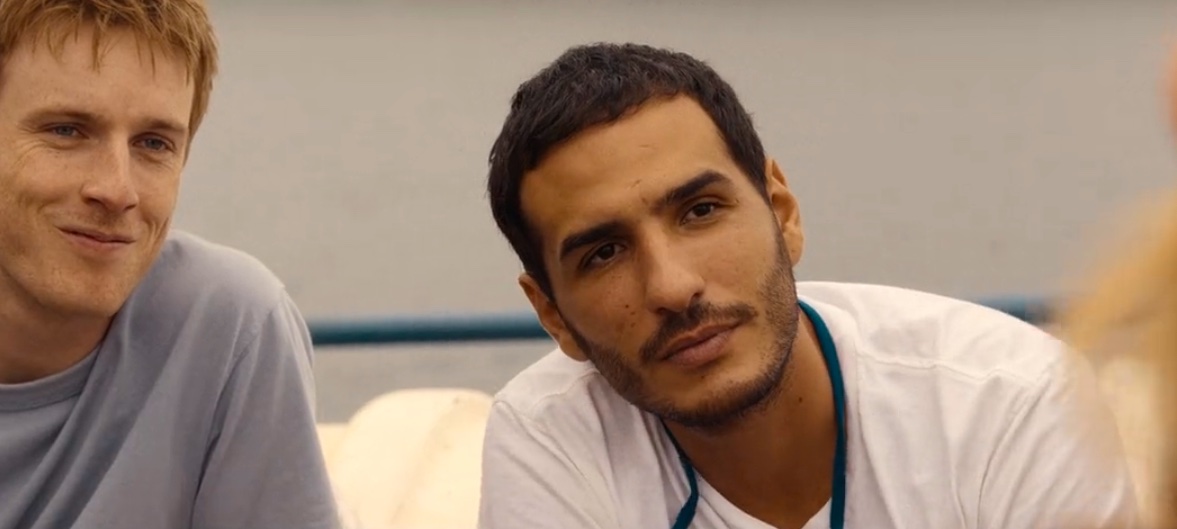
They worked in different capacities at the NGO as well as aboard Iuventa. In the movie, Mauro plays a dual role on the ship. With the rest of the crew, he is focused on helping the refugees leave their dangerous dinghies and come aboard. They receive aid and are later dropped off on land, where the next phase of their journey continues with the relevant authorities. At the same time, he also photographs the crew’s experience on the boat and in the rescue efforts. He documents the migrants who have been rescued and becomes familiar with their stories.
The Iuventa also had Spanish-Iranian photojournalist César Dezfuli on board. However, unlike Mauro, he was not an original part of the crew or the NGO. In fact, he spent approximately three weeks on Iuventa, taking portraits of 118 people rescued by the crew. He turned it into a project called ‘Passengers,’ for which he received two major journalism awards in 2023: the World Press Photo and the European Press Prize. It is likely that the filmmakers created Mauro to reflect the collective experience of these people, highlighting the many challenges of the work they dedicated themselves to.
Read More: 23,000 Lives: Are Rose and Lamin Based on Real Refugees?


You must be logged in to post a comment.