
 Abhiroop Das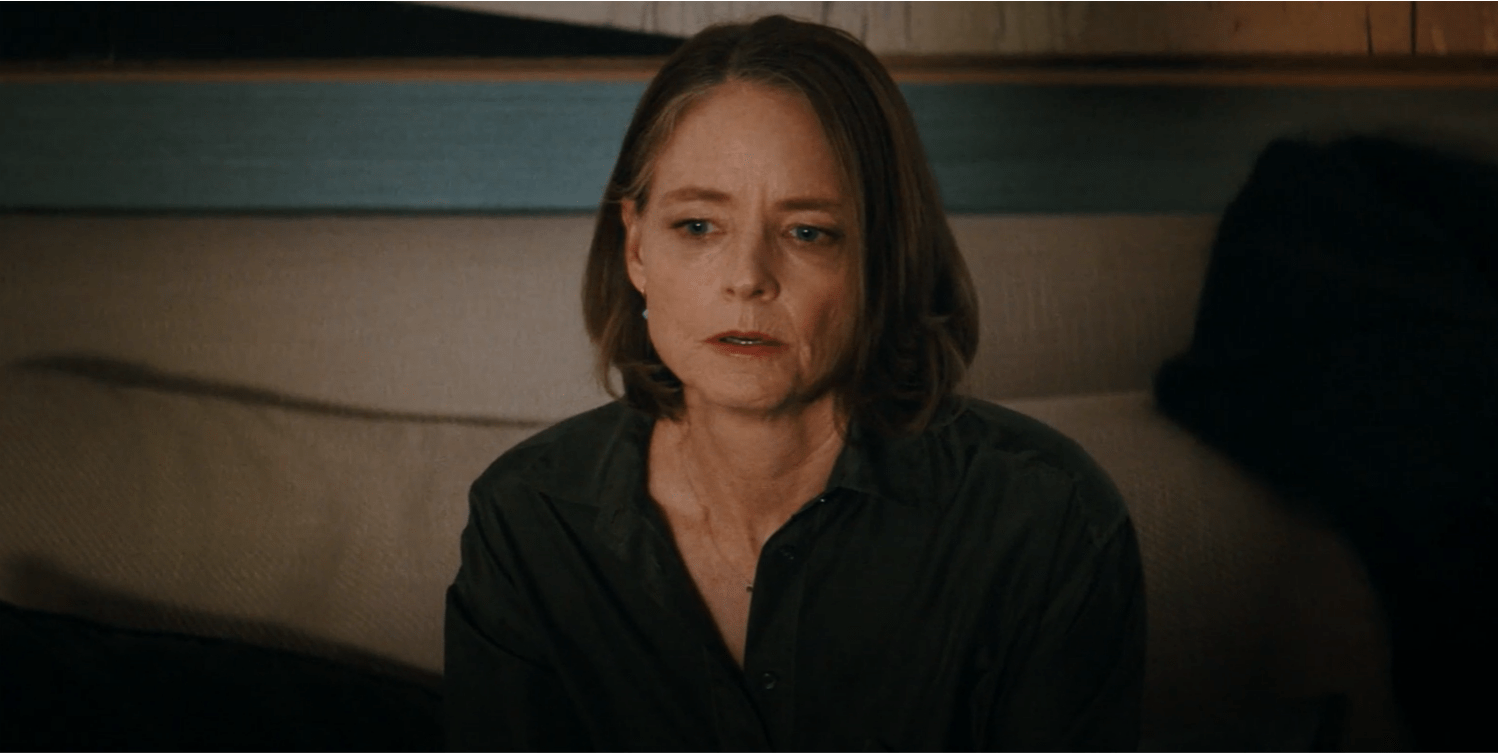
Helmed by Rebecca Zlotowski, ‘A Private Life,’ or ‘Vie privée,’ glimpses into the mind of Dr. Lilian Steiner, a psychotherapist who seems neither too good nor too bad at her job. Life seems to be moving smoothly as she deals with her patients, records all of the conversations on old-school disks, and then reflects on them later at night. However, this rhythm is disturbed when one of her patients, Paula, mysteriously dies, leaving Lilian to question how she never sensed anything off. What begins as a simple curiosity descends into a full-blown conspiracy.
Lilian becomes convinced that Paula was murdered by someone close to her, for reasons that can only be unraveled if she digs deeper into their conversations. However, somewhere along this road, the ever-so-skeptical psychotherapist is met with the world of dreams, which reaches into her unconscious and pulls out truths that would have otherwise never made it to the light. By the end of this French mystery thriller film, Lilian is forced to reconsider her own definition of what is real and what can be an illusion. SPOILERS AHEAD.
A Private Life Plot Synopsis
‘A Private Life’ begins with Lilian Steiner, a psychotherapist based in France, hearing from one of her patients, Pierre, that he has been cured of his cigarette addiction after consulting a hypnotherapist. Furious at how he has spent all this time and energy on psychotherapy, Pierre quits, and later Lilian learns about the death of one of her long-time patients, Paula Cohen-Solal. At Paula’s wake, her husband, Simon, demands that Lilian leave the house, blaming her for this tragedy. Shaken by the events, Lilian is then met with a new conundrum: her eyes begin to tear up for no reason at all, which prompts a visit to her ex-husband Gabriel, an ophthalmologist, who is also at a loss for an answer.
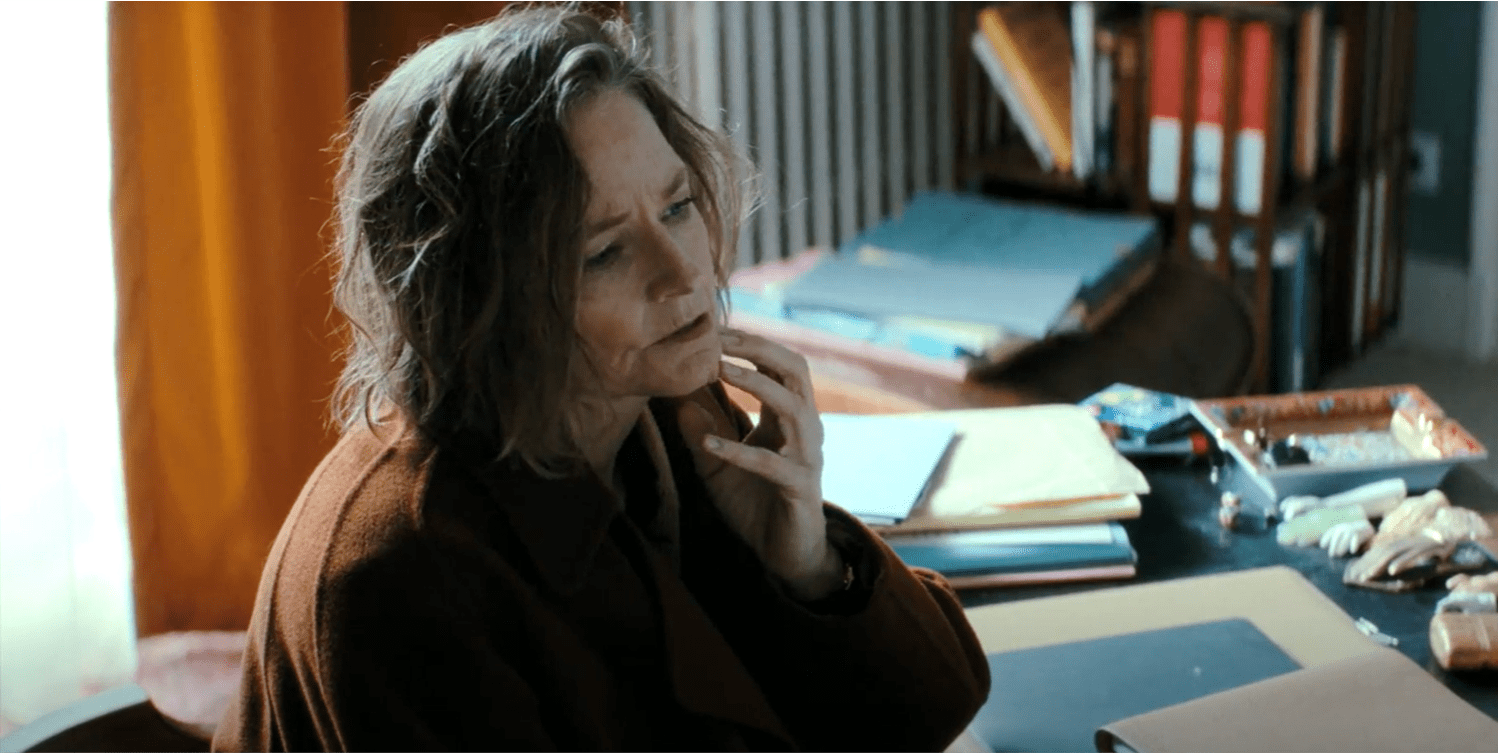
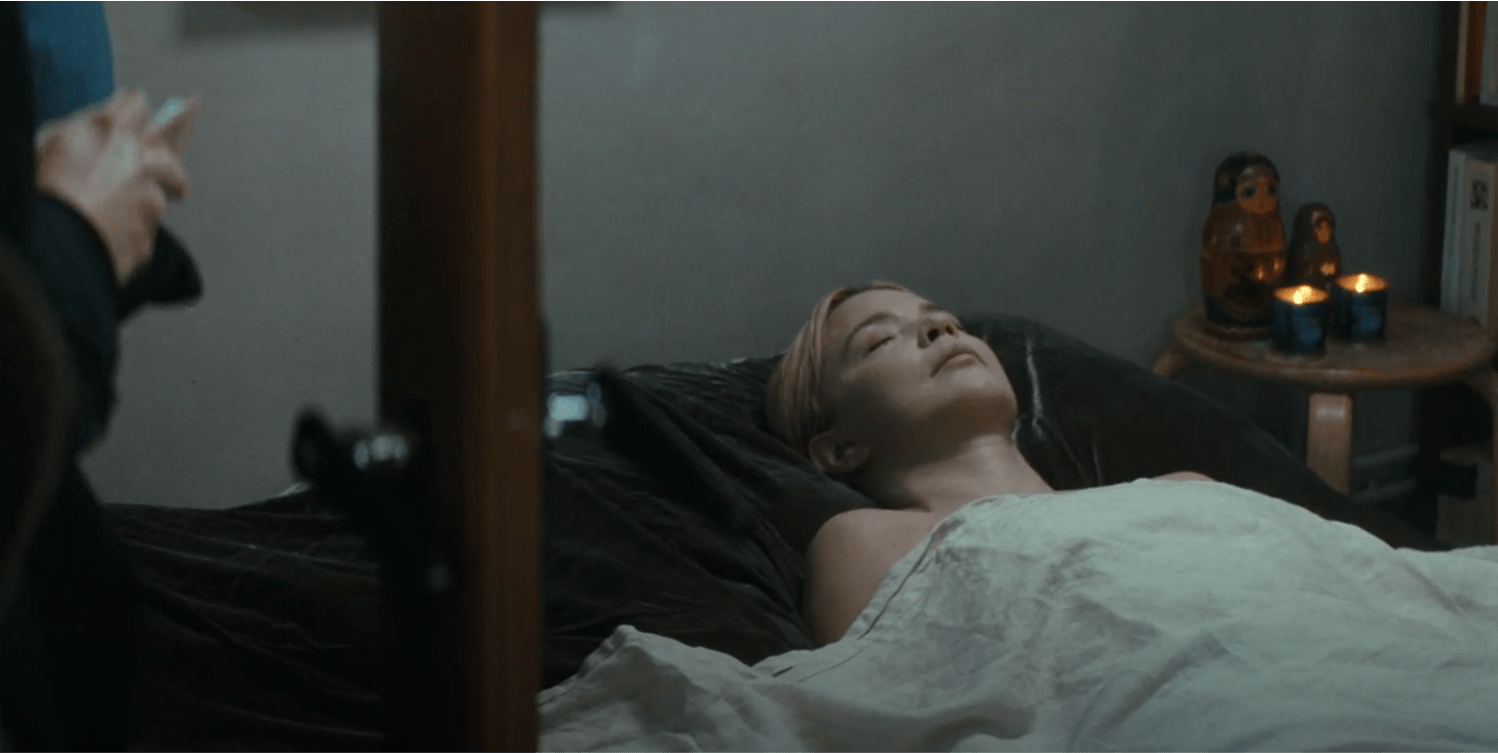
Later that day, Paula’s daughter, Valerie, arrives at Lilian’s chambers, revealing that her mother died by suicide via an overdose, and left her with an ominous message etched on the prescription note. Confused by the events and by her own incessant tears, Lilian decides to pay the hypnotherapist a visit and is soon lulled into a dreamscape where she imagines Paula as her lover from a previous life. The crying mysteriously stops, and Lilian is left contemplating whether Paula was murdered, possibly by her husband or her daughter. To make things stranger, someone breaks into her house one night, stealing the disk with a recording of Paula’s last session with Lilian, and the murder theory seems inevitable.
Following the logic of her dreams, Lilian follows Simon all the way to the rural town of Chérence, where it is revealed that he is having an affair. To make things more complicated, it turns out that Paula had a wealthy aunt named Pearl, who died recently and left her with the entire inheritance, which is currently under Simon and Valerie’s joint ownership. Desperate to prove Simon’s guilt, Lilian tasks Gabriel with distracting him, while she sneaks into his house in search of her disk. However, when nothing comes up, she returns home, dejected and tormented by her own dreams. That is, until she meets Pierre, and later Simon, for the grand reveal of this tale.
A Private Life Ending: How Did Paula Die? Was it Murder or Suicide?
At the end of ‘A Private Life,’ it is revealed that Paula died by suicide, having altered her own prescription to cause an overdose. This effectively subverts every theory and explanation Lilian has been chasing for the entire movie, forcing her to step back and reflect. The entire ordeal is precipitated by her belief that Paula showed no suicidal thoughts or tendencies during their final sessions, but that isn’t quite true. In reality, Lilian refuses to acknowledge her own failure as a psychotherapist down to the last minute, seeing the evil in everyone else that may as well be imaginary. In reality, the murder plot she pieced together in her own head was never right to begin with, as it is not Simon or someone else who took Pearl’s life, but Paula herself.
Paula’s reason for taking her own life adds a new spin to Lilian’s dream sequences, where she constantly imagines Paula as the victim, and Pearl or Simon as the people exerting an influence over her. While not the exact opposite, reality is nonetheless quite different. It is Paula who poisons Pearl with her own medication, all so that she can lay claim to that enormous heritage. This is a side of her’s that we are never made privy to, but that is something Lilian has to wrestle with. Despite being her therapist, Lilian is not once able to grasp what Paula truly desires and how far she is willing to go to achieve that. The information that Lilian never acknowledges has a direct effect on how the story itself is presented, leaving us to ruminate on how this changes every interaction we have passively observed so far.
After killing Pearl, Paula momentarily hopes that her life is about to turn for the better, but reality is much crueler. Instead, she falls into a state of despair. Not able to bear the guilt of committing murder and living with the “spoils,” Pearl decides to take her own life. In a way, this hopelessness is reflected in Lilian’s struggle as well, as on some level she truly does blame herself for her patient’s death. The truth behind all things, though, is far messier, and Lilian is left with no choice but to accept that Paula’s death was a suicide, one whose context existed entirely outside of Lilian’s line of sight, until now. While this resolves the biggest mystery of the film, some questions still remain, especially about the mystery figure targeting Lilian.
Who Stole the Disk? Why?
The question of who stole the minidisk from Lilian’s chamber remains ambiguous to the end, but it is not without a purpose. There are four suspects at play here: Pierre, Simon, Valerie, and Paula, and while their actions overlap, it’s not necessary that any of them is actually responsible for the theft. First, Lilian’s former patient, Pierre, turns out to be the one who broke into her apartment that night, as well as the one who vandalized her car and sent her anonymous phone calls. His real plan was to steal the disk containing his own final session with Lilian, but he took off in fear, unwittingly fueling a conspiracy.
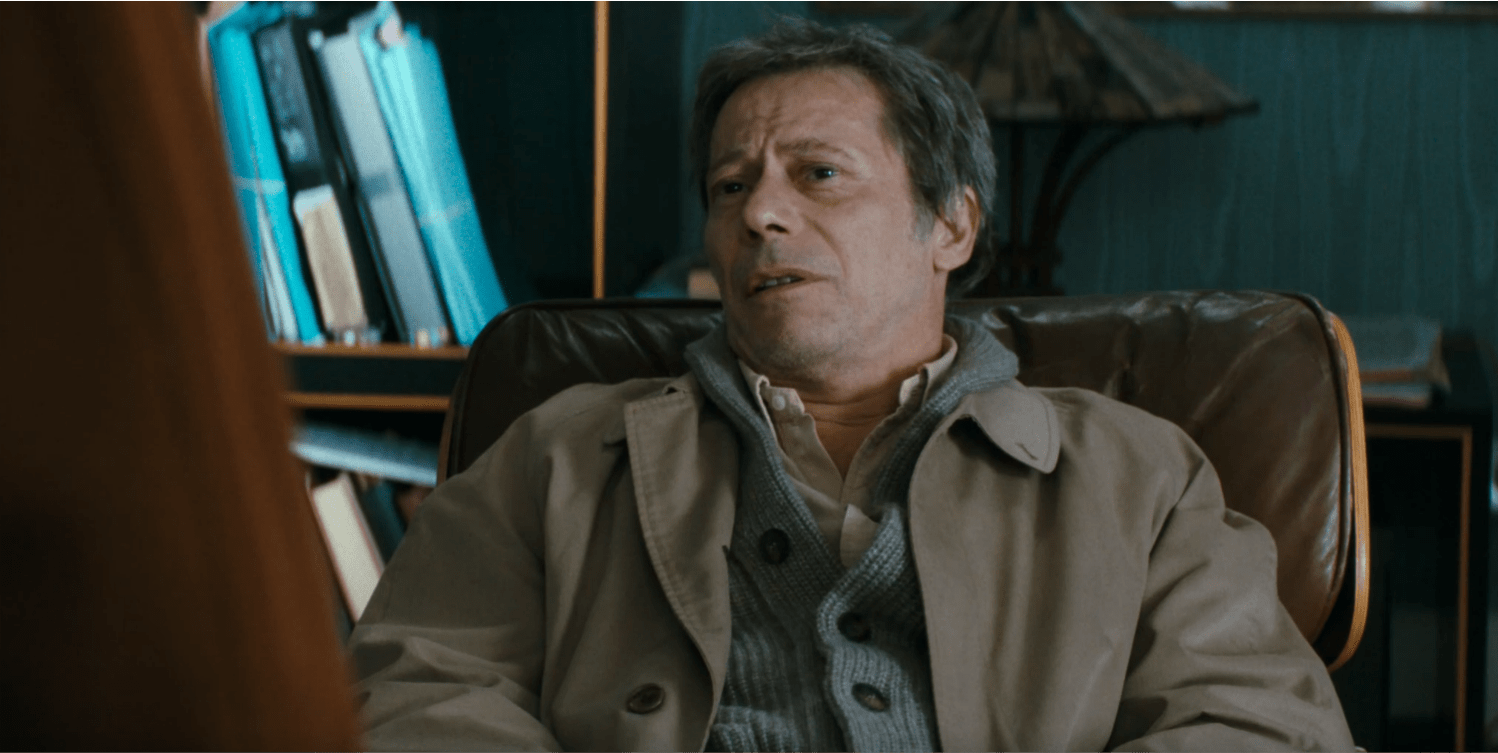
Having been a long-time patient of Lilian’s, Pierre is perhaps the clearest embodiment of Lilian’s inability to communicate with the people she wishes to help. Unlike Paula, though, he is alive, and more importantly, he gets rid of his cigarette addiction with the help of a hypnotherapist. In his first scene, he almost feels disappointed by how quickly he got over his addiction, as it invalidates all the hours he put into therapy, hoping to improve, but only slipping deeper into the spiral. However, it is not Pierre who turns out to be in possession of the disk, but Simon himself.
When questioned about how he got the disk, Simon shrugs it off, claiming that he could have stolen it himself, or it could very well have been his daughter. Perhaps, it was Paula who stole it mid-session, desperate to remove evidence of her crimes. As Simon lays out all the possibilities, Lilian is made to realize that the mystery of the missing disk is, in fact, secondary to her own inability to process emotions, and while that may be true, there is a detail that actually gives away the mystery entirely. Simon claims that there is a chance that he stole the disk on the night of the robbery, but the only way he could have known about Pierre’s break-in is if he was actually there that night. While this all but confirms that Simon stole the disk, possibly to understand his wife’s death better, the larger point doesn’t change.
Why Does Lilian Stop Recording Her Sessions?
Shaken up by the truth about Paula’s death, Lilian is forced to reconsider everything she has known about therapy, both as a practice and her own application of it. Simon brings up the fact that patients are fully capable of altering their recollection of life, or in some cases inventing new details, just so that they can have an actual conversation with a therapist. This narrativization of the human condition, so to speak, isn’t something that psychotherapy can parse through. However, while Simon considers this to be a failure of the system, there is another way to view this. Whatever alterations that can be made to a perfectly honest recollection of life ultimately stem from the patient’s desires, what they wish to share or what they wish to hide, and Lilian’s real job is to listen and parse through the differences.
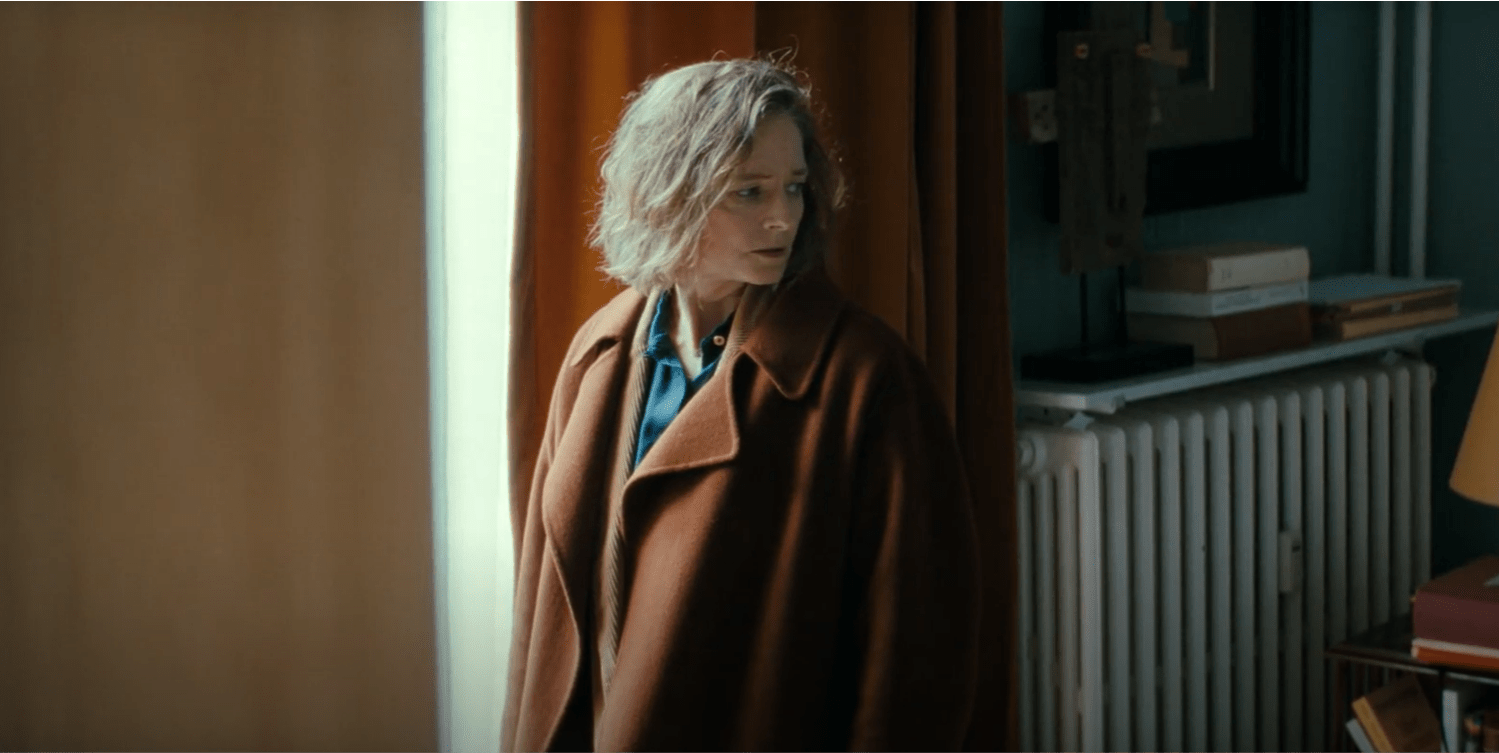
Lilian’s dependency on the disks is also unfurled in how she has no real explanation for what went on in Paula’s mind in the hours and days before she took her own life. The search for the missing disk, then, becomes synonymous with Lilian desperately trying to do therapy the way she has this entire time, by listening to the disks in retrospect and making distant observations. However, by the end, this rationale falls apart, and Simon forces her to reconcile with how little she actually interacts with her patients in earnest, which is something Pierre brought up as well.
Fittingly, it is only after Lilian is forced to lie down on the patient’s chair and go through the exact same procedure that she realizes how important it is to be a listener. This entire time, she has been constructing an echo chamber in her own consciousness, and it is only after Paula’s death that she makes the decision to change her ways. The next time we meet Lilian, it is in a completely remodeled chamber, but with a very familiar patient, Pierre. Perhaps most importantly, though, she doesn’t seem to be using disks to record conversations anymore, as she realizes that actually listening to a patient can be so much more effective. Instead of piecing things together in retrospect, Lilian chooses to live in the present, empathizing with her patients in a way that wouldn’t have been possible earlier.
Read More: Is The Devil’s Mouth a True Story? Is the Devil’s Mouth a Real Cave in Thailand?


You must be logged in to post a comment.