
 Shivangi Sinha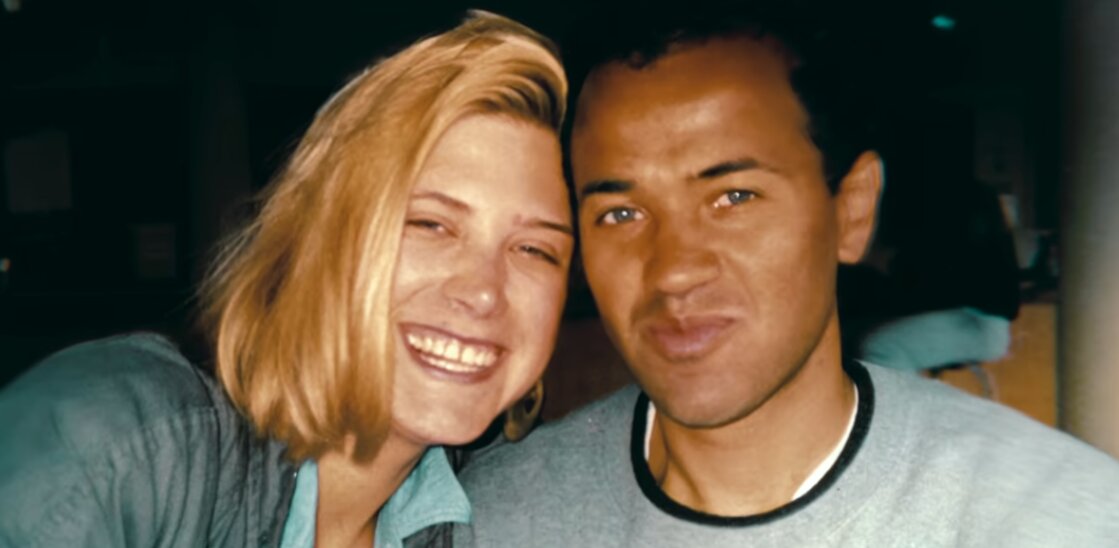
The life André Hanscombe had known was turned upside down in July 1992 when his girlfriend, Rachel Nickell, was murdered on Wimbledon Common in London, the UK, while their 2-year-old son, Alexander Hanscombe, witnessed the attack. For years, the police pursued the case, and it was only decades later that André finally found some peace of mind, knowing that the perpetrator had been caught. Netflix’s ‘The Murder of Rachel Nickell’ features André’s interview, in which he recounts the tragic day and the difficult years that followed as he worked to protect both himself and his son.
André Hanscombe Feared For the Safety of His Son in the Aftermath of the Crime
André Hanscombe first met Rachel Nickell in 1988. At the time, she was working as a lifeguard at a swimming pool in the Richmond area of London, while he was employed as a motor dispatcher. There was an immediate connection between them, and André felt it very strongly. He later recalled that both of them were focused on building their careers, but when their son, Alexander “Alex” Hanscombe, was born in 1989, their priorities changed completely. Together, they built a home and a family, and all André wanted was to preserve and protect the life they had created. On the morning of July 15, 1992, he left for work as he had done every day, unaware that everything was about to change.
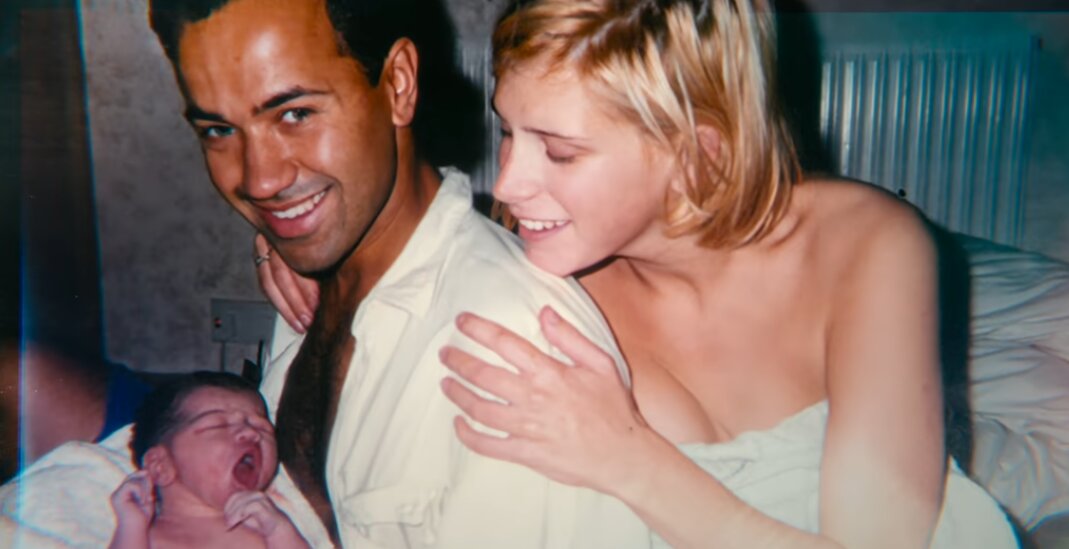
André said that mobile phones were not common at the time, so he would use payphones throughout the day to call home whenever he had the chance. During one such call that afternoon, a man answered the phone at his house, and André immediately sensed that something was wrong. The man identified himself as a police officer and informed him about the attack on Rachel, telling him to come and take care of Alex. Before being reunited with his son, André spoke with a psychologist and was given guidance on how to handle the emotional aftermath of what the two-year-old had witnessed. When detectives later suggested that Alex take part in interview sessions, with André and a therapist present, he agreed, believing it might help identify the killer and bring him to justice.
André said it was incredibly difficult to watch his son struggle as he was repeatedly asked to recall what had happened and answer questions about his mother. By that point, he had moved into his mother’s house because he could not bring himself to return to the home that held so many memories of Rachel. Following the psychologist’s advice, he personally asked many of the questions during the sessions with Alex. He even agreed to take his son back to the spot where the crime had occurred, but when he saw Alex become overwhelmed and break down, he decided to leave immediately. André said that throughout this period, he lived with the very real fear that the killer might come after his son as the only witness to the attack. With that concern weighing on him, he took Alex and moved to France, a country he knew well from having spent much of his teenage years there.
André Hanscombe is Speaking About the Case From His Perspective Today
André Hanscombe’s mind was never truly at rest until Rachel Nickell’s killer was finally convicted. In 1996, he published ‘The Last Thursday in July: Memoir of Rachel Nickell,’ as a tribute to Rachel Nickell, in which he recounts raising his son alone while navigating the emotional and practical challenges that followed her murder and the lengthy investigation. He even recorded a conversation with Alex in which the little boy privately told him about the details that he had seen. Following the wrongful arrest and eventual release of Colin Stagg, he felt the investigation had reached a dead end and was unlikely to progress until the case was reopened in 2002.
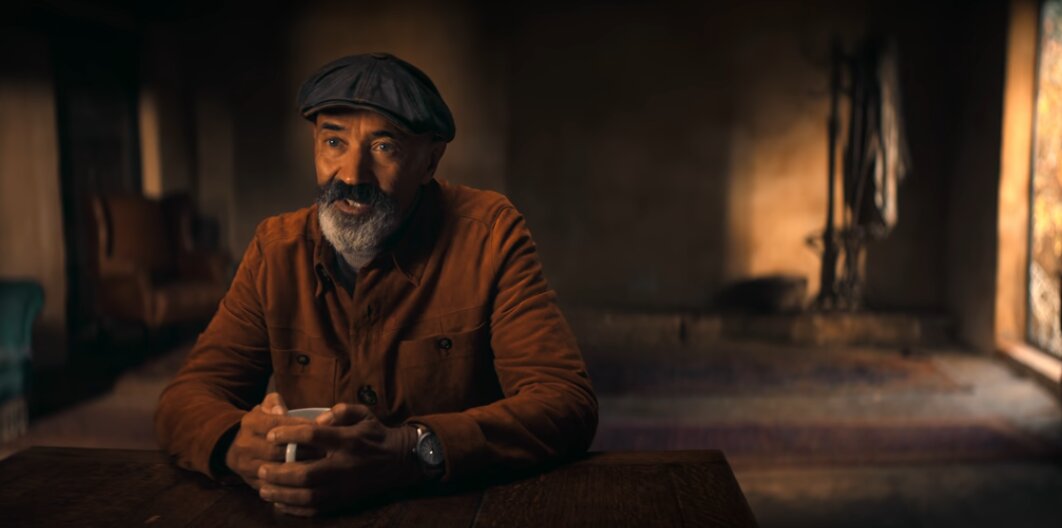
In 2008, Robert Napper pleaded guilty to Rachel’s murder, but it was only then that André became fully aware of Napper’s extensive criminal history. He has since expressed deep sympathy for Samantha Bisset and her daughter Jazmine Bisset, who were killed by Napper after Rachel. André also strongly criticized the police investigation and filed complaints with the Independent Police Complaints Commission and the Metropolitan Police Authority. In 2010, the Metropolitan Police formally apologized to André and his son for mistakes made during the investigation, but they were not awarded any compensation.
André has repeatedly made the case that both he and Alex deserve financial compensation for the ordeal they endured as a result of the murder and the mishandling of the investigation. He eventually settled in Barcelona, Spain, where he raised Alex with love and support. André also served as a consultant on Netflix’s ‘The Witness’ and has spoken about the challenges of sharing his story in a way that accurately reflects his experiences and intentions. Throughout the years, André has remained a source of support for Alex and has encouraged him in his pursuits. The loss he suffered is immeasurable, and his decision to publicly share his experiences after so many years speaks of the courage he has.


You must be logged in to post a comment.