
 Abhiroop Das
Created by Rob Williams, Netflix’s ‘The Witness‘ begins on the tragic day of July 15, 1992, when 23-year-old Rachel Nickell is killed and sexually assaulted in front of her 2-year-old son. As the case shakes the entire nation, pressure mounts on police officers to yield results quickly. However, the key to solving the case lies in the eyes of the only witness to the murder, Rachel’s son, Alexander Hanscombe. Together with his father, André Hanscombe, Alex is swept into a world full of trauma with no shred of privacy, and the child gradually develops a disillusionment with the concept of home and security as the memories continue to haunt him. With the police investigation giving way to a crisis of its own in this true-crime drama, Alex and André spend the following decade picking up the pieces of their irreparably shattered lives.
The Witness is Based on the True Story of the Tragic Murder of Rachel Nickell
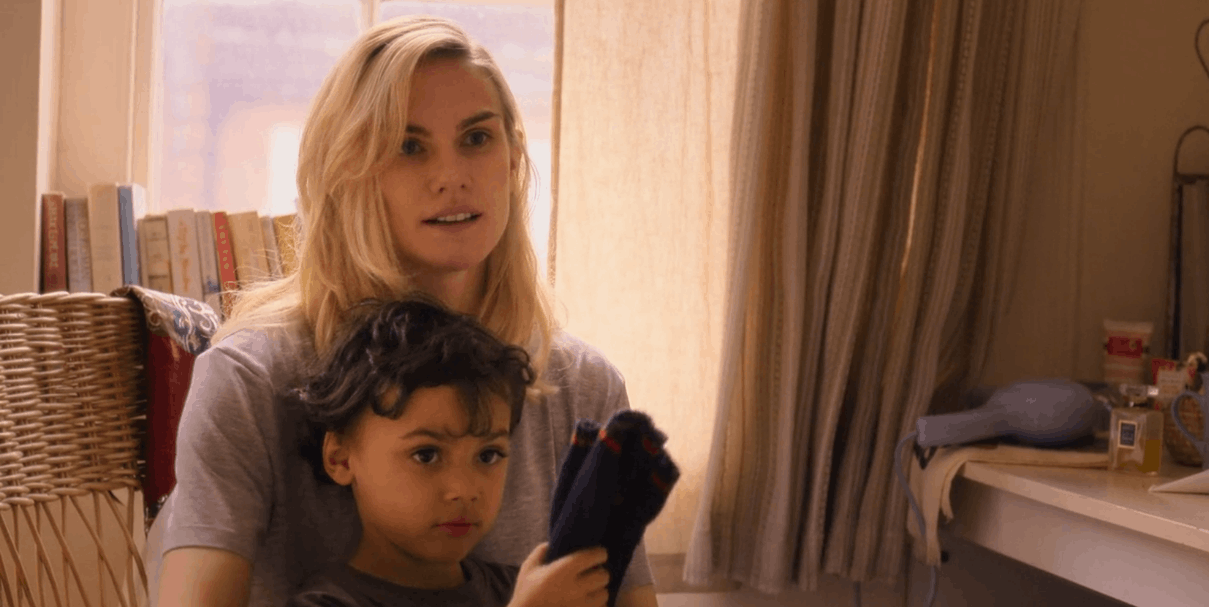
‘The Witness’ is a dramatized retelling of the aftermath of the 1992 murder of 23-year-old Rachel Nickell on London’s Wimbledon Common, as seen through the eyes of her son, Alexander, also called Alex. Only 2 years old at the time, Alex was the only eyewitness to the crime, and the subsequent police investigation gripped the entire nation, highlighting the systemic roots of this tragedy. Alex’s memoir, titled ‘Letting Go: A True Story of Murder, Loss and
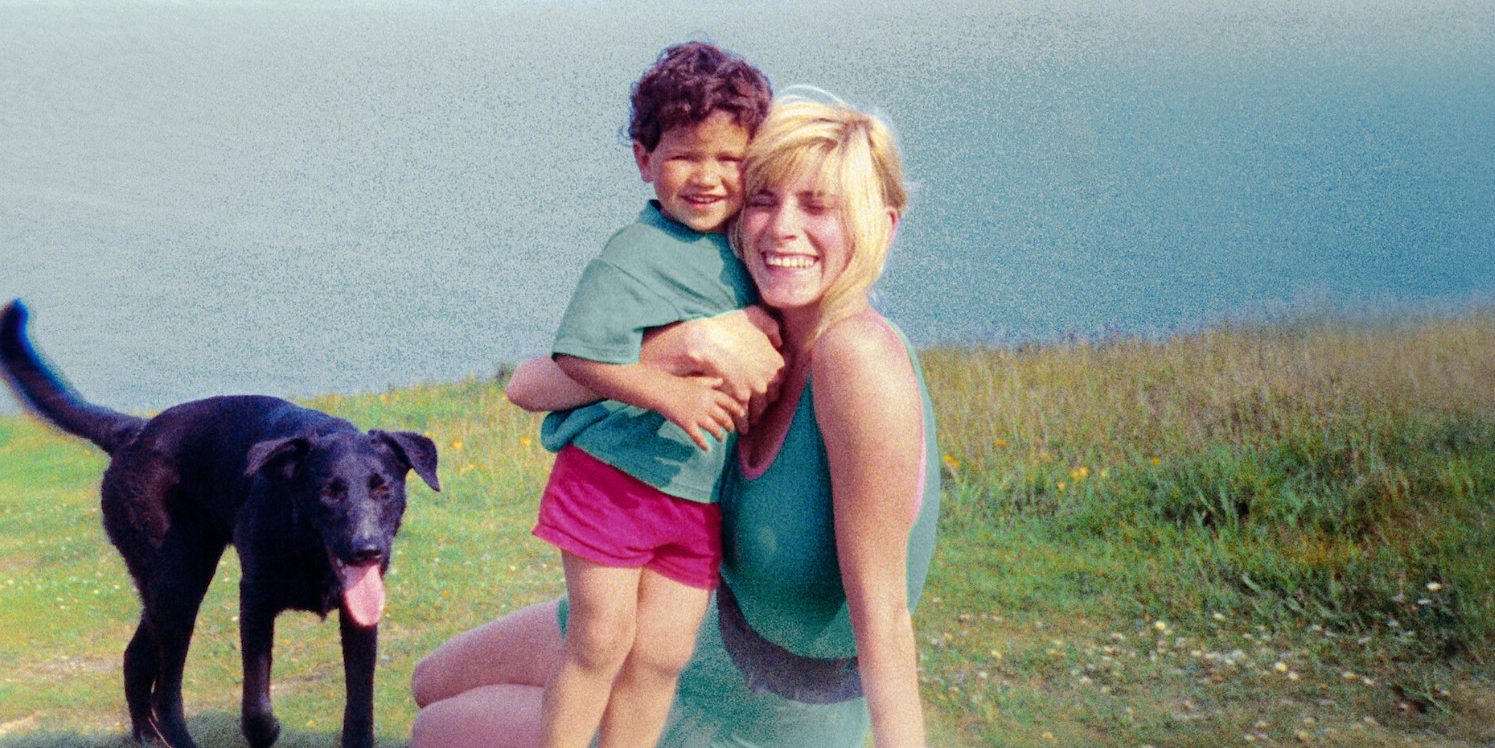
Survival by Rachel Nickell’s Son,’ where he details his recollection of the incident, as well as the aftermath, both in the public and private spheres, also emerged as one of the sources that inspired the series, with writer Rob Williams bringing the story of Alex and his father, André Hanscombe, to the screen.
Rachel Jane Nickell was born on November 23, 1968, and spent much of her childhood in Essex village, Great Totham. After finishing high school, she began working as a lifeguard at a pool in Richmond, London, and it is there, in 1988, that she first met her partner, André Hanscombe. The couple welcomed Alexander the following year, on August 11, 1989, and around the same time, the family, along with their rescue dog, Molly, moved in together in the Balham area of south-west London. While Rachel, aged 23, had worked as a part-time model, she reportedly scaled back her professional career to spend more time with Alex and André.
Alexander Hanscombe Became the Sole Eyewitness to His Mother’s Death
On the morning of July 15, 1992, Rachel Nickell took Alexander and their dog, Molly, for a walk on Wimbledon Common, an expanse of land situated near their house. As they were passing through a secluded section of the common, Rachel was attacked by a man, later identified as serial killer Robert Napper. The subsequent investigations determined that Rachel was stabbed and slashed at least 49 times in the neck and torso region, causing her to die at the scene. Napper also sexually assaulted her during the course of the attack and then fled the scene, leaving Alex physically unharmed. A passerby eventually arrived at the scene to find Alex clinging to his mother’s dead body, their clothes covered in blood.
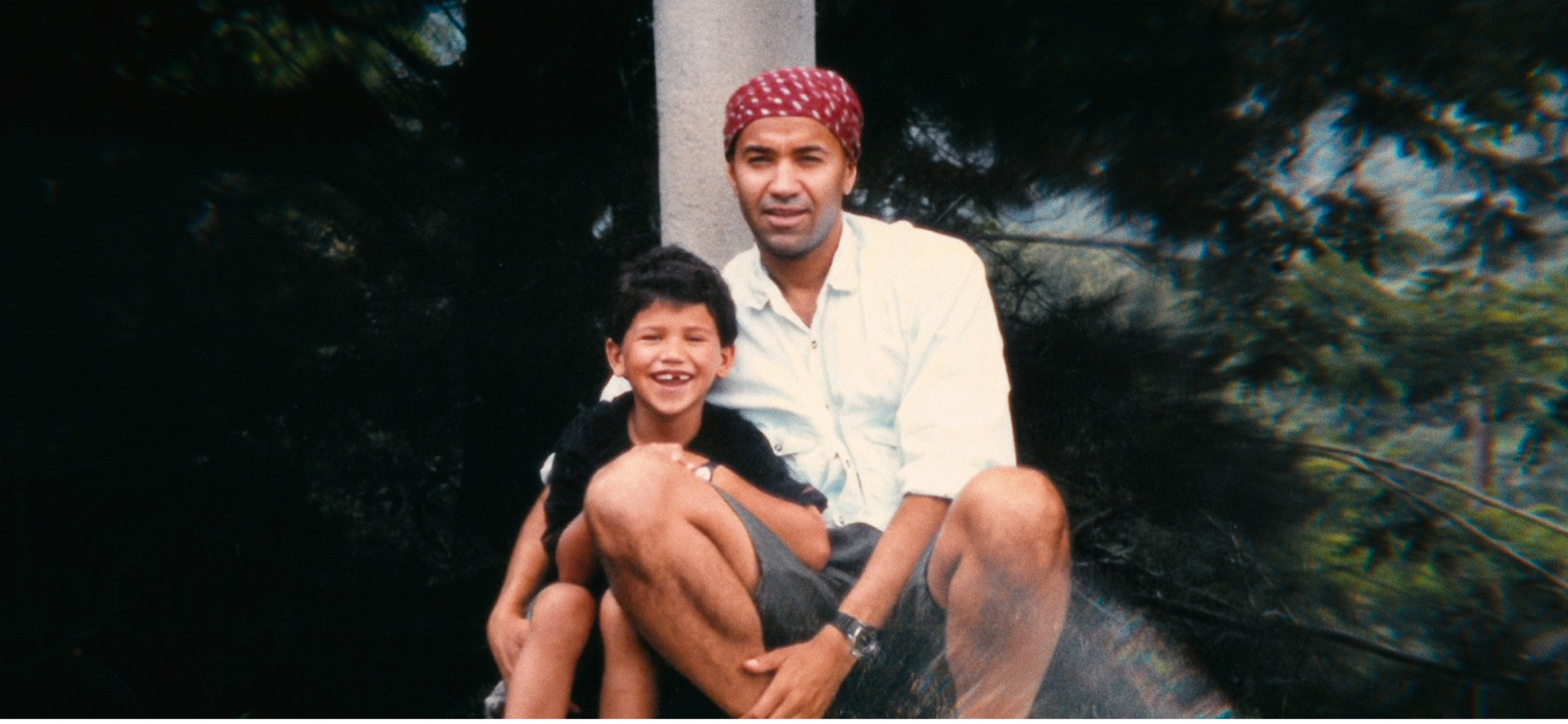
Officers from London’s Metropolitan Police were the first to arrive at the scene, and Alex was swiftly transported to the hospital. André, who was at the outskirts of London at the time of the murder, rang a call home later in the morning, only to be informed about what had transpired. Though the news was a catastrophic blow to André, he knew he had to be there for his son. Before reaching out to Alex, André was told by psychologists to be honest about what had happened, as everything from that day could go on to have a lasting impact on the child’s psyche. However, another aspect was that Alex was, according to several reports, the only witness to the actual crime, making his testimony of utmost value in apprehending the culprit.
While André eventually gave the police permission to question Alex about Rachel’s death, it proved to be an increasingly delicate task, involving constant supervision by child psychologists. Initially, Alex, only 3 years old at this point, managed to recall the color of the assailant’s shirt, but repeated interviews and visits to the crime scene only added to the child’s traumatic experience, leading André to put a stop to these sessions. With limited evidence and technology, the police then turned to alternative methods, which included the creation of an estimated psychological profile of the killer.
Colin Stagg Was Wrongly Accused of Killing Rachel Nickell
Soon, Colin Stagg, a resident of Roehampton who frequently took his pet dog on morning walks in and around the common, emerged as a prime suspect for the police. Though there was no forensic evidence linking him to the crime, the police reportedly considered him to be a match for the offender profile developed by criminal psychologist Paul Britton. In light of that, the investigation team, led by DI Keith Pedder, set up a covert operation, code-named Operation Edzell. As a part of the operation, an undercover policewoman, who went by the alias Lizzie James, was reportedly tasked with contacting Stagg and gaining his confidence, to see if he would implicate or eliminate himself as a suspect.
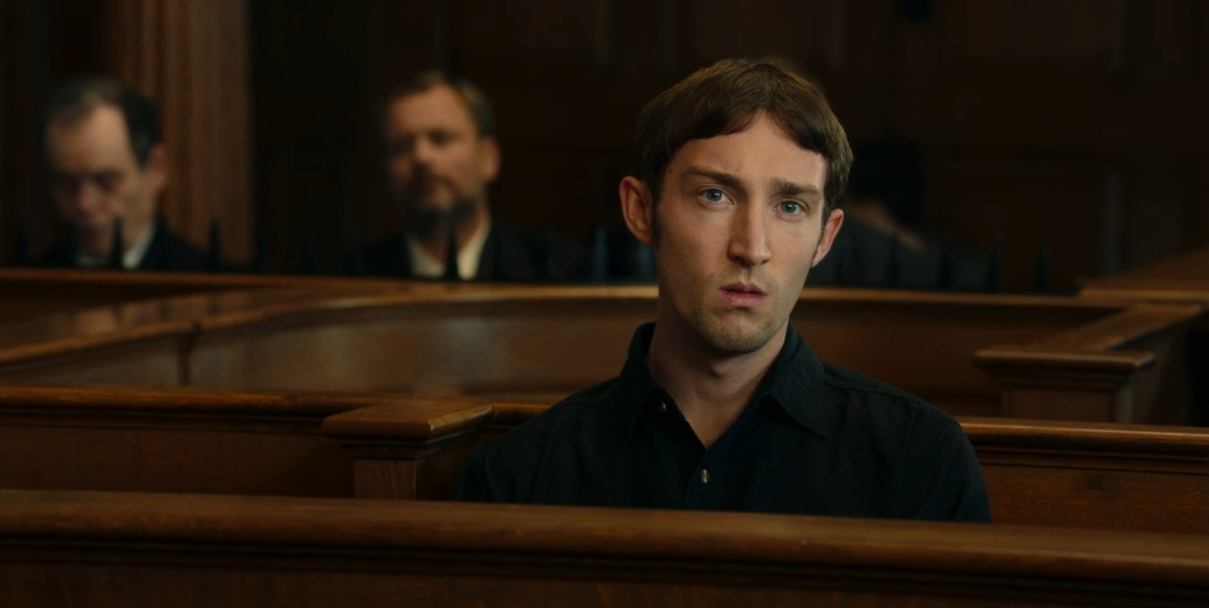
At one point during the operation, Stagg reportedly reiterated that he had not killed Rachel, but he was nonetheless arrested on the basis of claims that he had known aspects of the crime scene that only the killer could have known. In September 1994, when Stagg stood on trial in the Central Criminal Court of England and Wales, the judge ruled that the police conduct during Operation Edzell had been “deceptive conduct of the grossest kind.” Without the material gathered through entrapment, the prosecution had no other evidence to offer, and Stagg was acquitted and received £706,000 in compensation. Though the police eventually issued a public apology to Stagg, the psychological and social effects of what he had endured remained for a long time.
The Killer’s Confession in 2008 Put the 16-Year-Old Case to Rest
In the meantime, André and Alex Hanscombe had moved out of London due to constant media intrusion into their personal lives. In 1996, the two moved to France, describing their new home as a “sanctuary.” However, when some reporters allegedly found André and Alex in France, the duo decided to move once again, this time to Spain. During their time abroad, André reportedly recorded several instances of Alex recollecting what happened on July 15, 1992, including mentions of a knife. Much of ‘The Witness’ finds its narrative base in this period of their life, through which it reimagines how the past may have affected their father-son relationship.
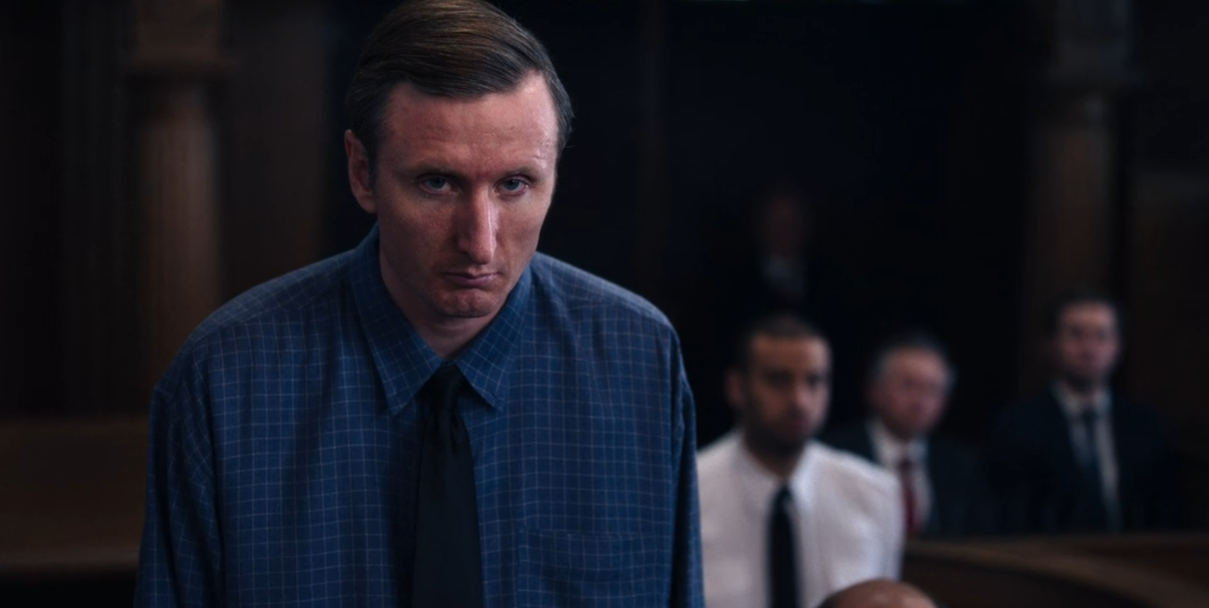
On November 3, 1993, Samantha Bisset and her four-year-old daughter, Jazmine, were found murdered in their Plumstead home, and the similarities to the Rachel Nickell case soon drew public and police attention. Two years later, in October 1995, Robert Napper pleaded guilty to the manslaughter of Samantha and Bisset, as well as to three unsolved sexual assault cases from 1989. In light of his diagnosis of paranoid schizophrenia and Asperger syndrome, Napper was tried on the grounds of diminished responsibility and ultimately sentenced to indefinite confinement at Broadmoor Hospital. In 2002, however, several years after the Rachel Nickell case had gone cold, a new forensic expert began reexamining all the details of the case.
Over the course of two years, a new forensic investigation team developed a novel way to extract and amplify DNA from the crime scene, which eventually linked Napper directly to the crime. He was charged with Rachel’s murder on November 28, 2007, with trials beginning the following year. On December 18 2008, Napper appeared at the Central Criminal Court of England and Wales and pleaded guilty to manslaughter on the grounds of diminished responsibility. The court eventually sentenced him to an additional sentence at Broadmoor, bringing the case to a close after 16 long years.
Related

André and Alexander Hanscombe Served as Consultants on The Witness
Following Robert Napper’s conviction, André Hanscombe became a vocal critic of the original Metropolitan Police investigation, arguing that the police had overlooked evidence and information that could have led to Napper’s crimes being brought to attention much earlier. In 2010, the Independent Police Complaints Commission supported André’s claims, with a report that highlighted missed opportunities regarding Napper’s arrest for his other crimes, years before Rachel’s murder. The IPCC report raised awareness of the “catalog of bad decisions and errors” it had identified, while concluding that no police officer would face disciplinary action.
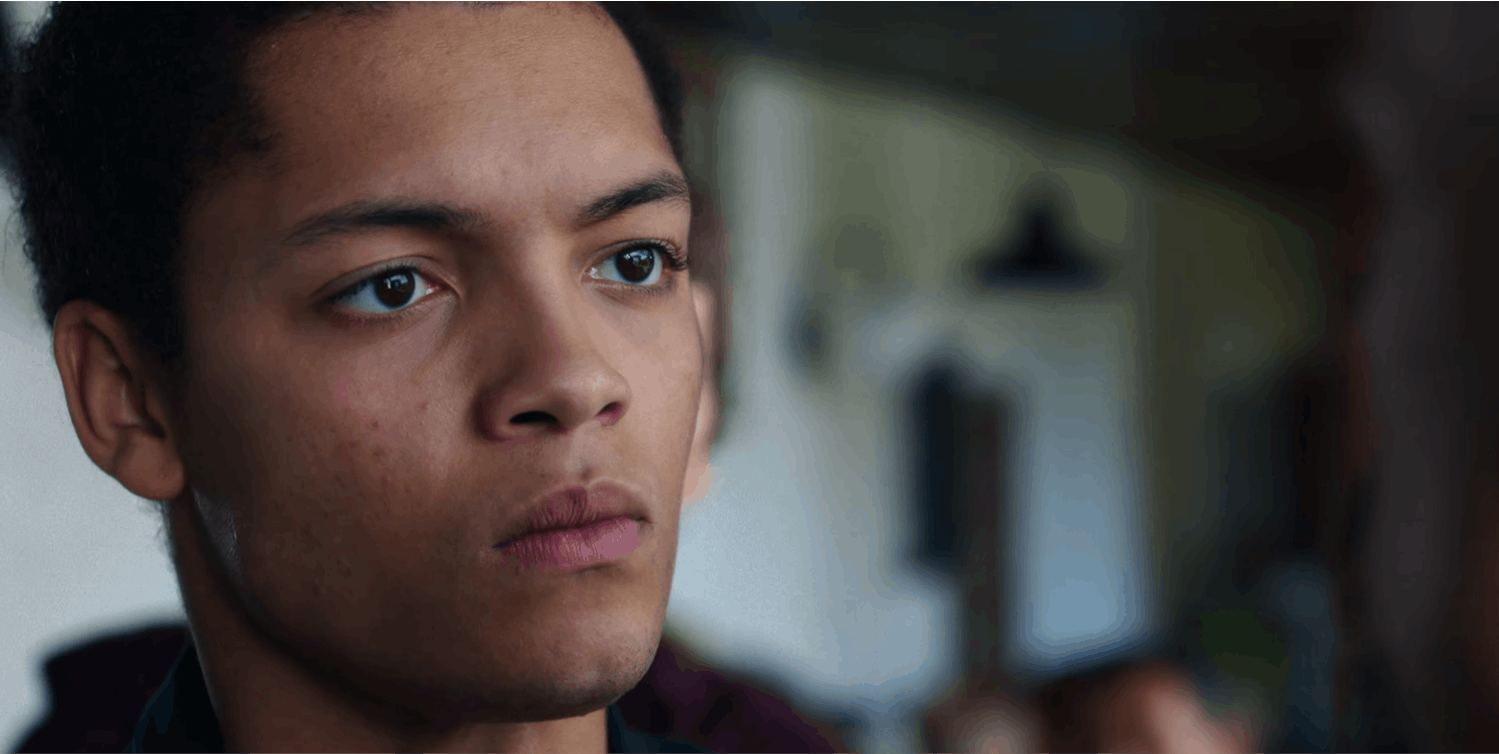
The idea to pen down his lived experiences came to Alexander Hanscombe in 2013, following which he was soon contacted by Rob Williams, the series creator. It wouldn’t be a stretch to say that ‘The Witness’ has been a concept ever since, as its foundations ultimately saw the light of day in 2015, with the publication of Alex’s memoir, ‘Letting Go: A True Story of Murder, Loss and Survival by Rachel Nickell’s Son.’ When asked about why he chose to write this book, Alex told Tudum, “Over the years, I have tried to make sense of and come to terms with what happened (…) Writing the book was part of that process, but it’s a complicated journey and, for my father and me, we never felt we’d got it quite right, nor that we’d stopped growing.”
For Alex, writing the book became a way to honor Rachel’s memory. In line with that, it made sense for both him and his father to join the crew of ‘The Witness’ as consultants. While the creative team remained committed to authenticity, some parts of the show have been fictionalized for a narrative effect. Reflecting on the show, André told Tudum that while it is not a home video mini-series, the creative team “worked incredibly hard to make sure that everything felt true in spirit to us, as we lived it.” On some level, ‘The Witness’ is a balancing act between depicting the criminal investigation and the relationship between father and son, and it ultimately renders a deeply realistic portrait on both fronts.


You must be logged in to post a comment.