
 Abhiroop Das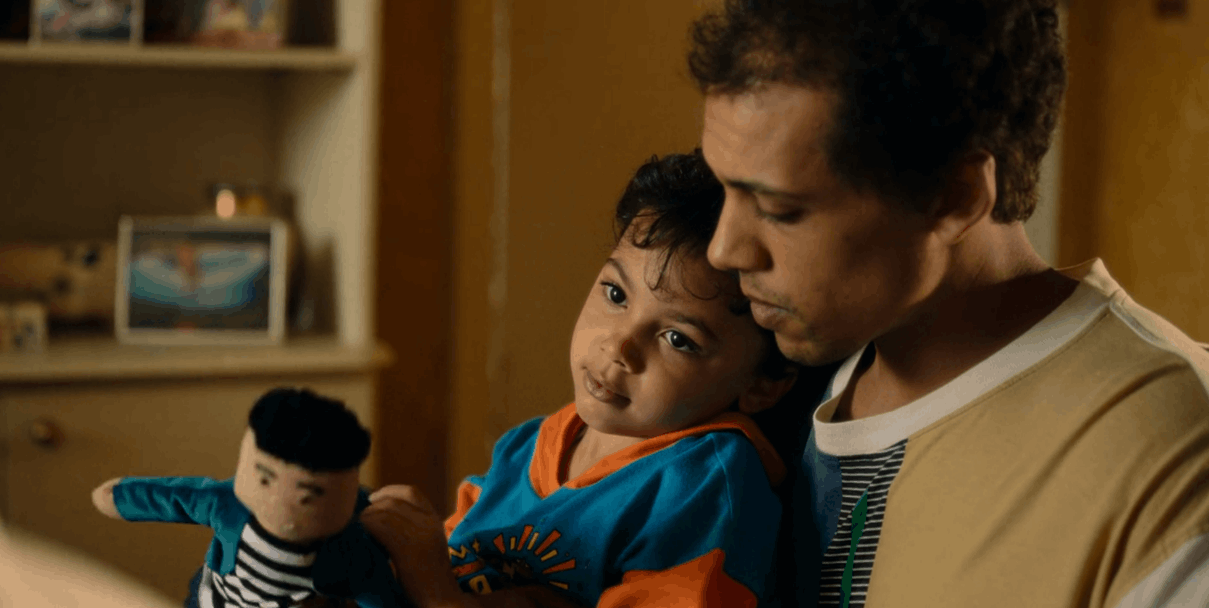
Created by Rob Williams, Netflix’s ‘The Witness‘ is a miniseries that presents a dramatization of the murder of Rachel Nickell. At the same time, the three-part true crime drama series also chronicles the aftermath, specifically in how Rachel’s 2-year-old son, Alexander Hanscombe, and her partner, André Hanscombe, dealt with the tragedy. Though July 15, 1992, begins as an ordinary day, the horrors that unfold on Wimbledon Common soon shake up the entire nation. What follows is a uniquely controversial police investigation in which several disparate narratives come together, only to obscure the truth rather than bring us closer to it. At the end of this decades-spanning saga, both Alex and André are left with no choice but to confront their past and see what the future can bring. SPOILERS AHEAD.
The Witness Plot Recap
‘The Witness’ begins on the morning of July 15, 1992, with Rachell Nickell preparing to go on a morning walk with her 2-year-old son, Alexander Hanscombe, and their rescue dog, Molly. At the same time, Rachel’s partner, André Hanscombe, also heads out for work, not knowing that this is the last time he will see her alive. While walking on Wimbledon Common, Rachel is attacked by an unknown assailant, who viciously stabs and sexually assaults her. As she succumbs to her injuries, passersby find little Alex clinging to her body in a blood-soaked, tragic sight. With the police stepping in almost immediately, André is informed of his partner’s passing and rushes to the hospital to reunite with Alex, who has since gone silent.
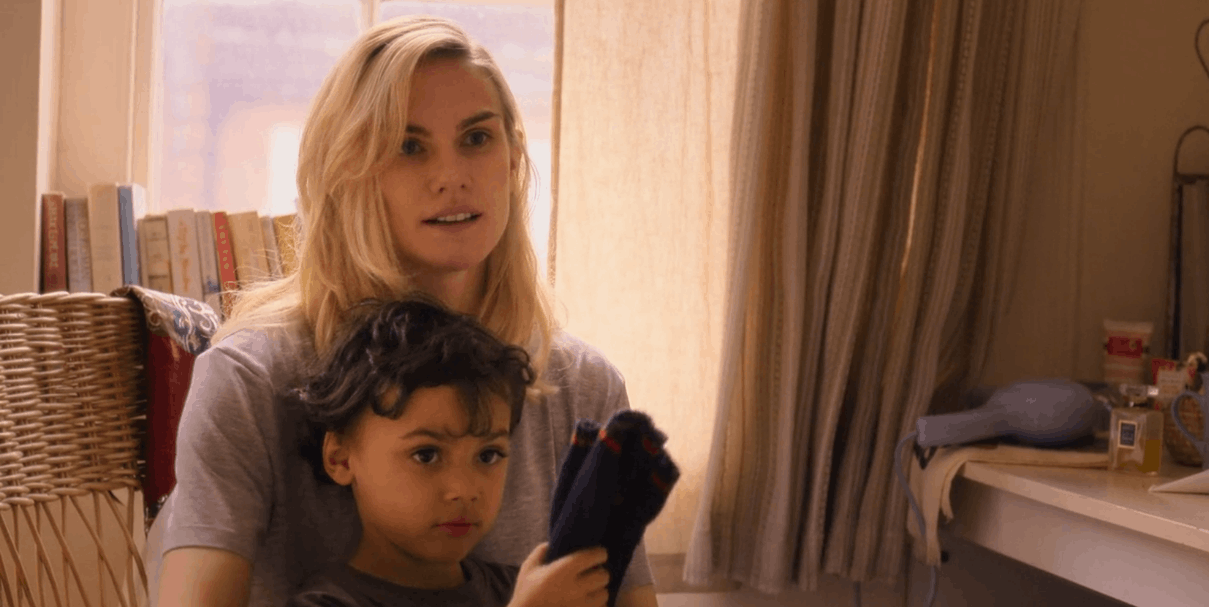
With psychologists advising André to be honest with Alex, he has no choice but to tell his son the bitter truth. However, things steadily get more complicated when the initial investigation concludes that Alex is the only eyewitness to the crime, meaning he will need to be questioned sooner rather than later for any possible details. Though André worryingly gives permission at the start, all that several difficult sessions are able to bring out of him are vague descriptions of the man’s appearance, and the fact that he had something akin to a utility belt or fanny pack tied around his waist. Still, amid the media’s rapid sensationalization and invasion of the family’s privacy, André takes the drastic step of moving with his son to an unknown location in France, where the media cannot reach them.
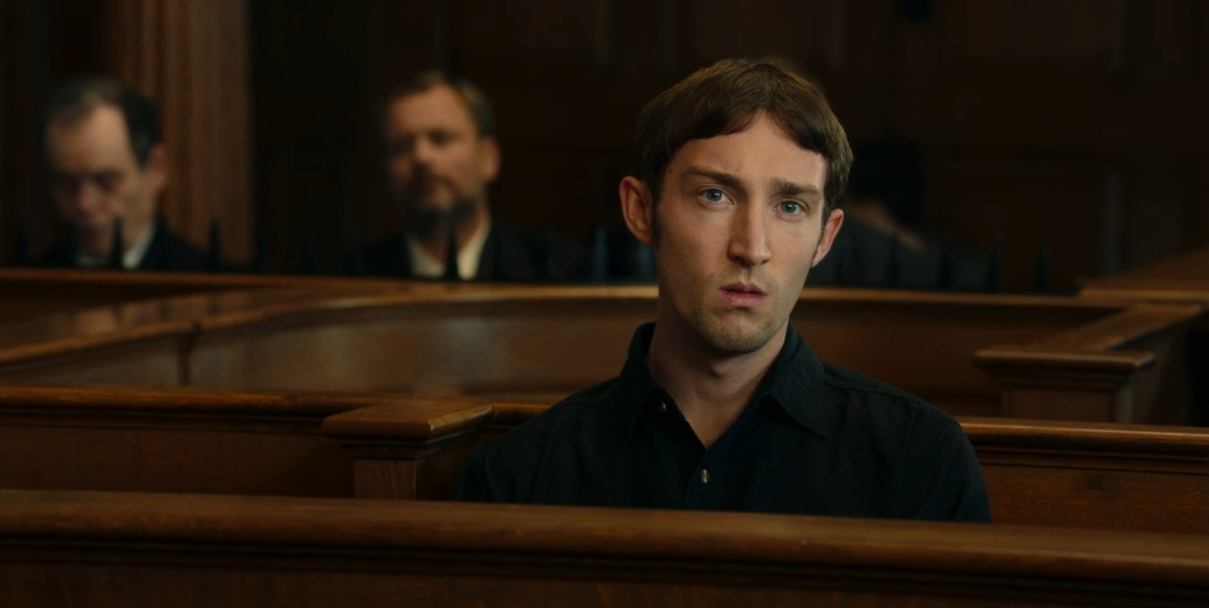
Meanwhile, the police close in on their primary suspect, Colin Stagg, who often frequents Wimbledon Common. Though there is no forensic evidence tying him to the scene, the officers believe he is the culprit based on a psychological profile of the offender that appears to match. With little to go on, they launch an ambitious, six-month undercover mission to bait Colin into befriending an undercover policewoman. While he never confesses to the crime, the police claim that he knows details of the crime scene that only the perpetrator could have known. However, the court rejects their case, ruling it entrapment.
At the same time, André and Alex’s home in France gets discovered, prompting them to shift to Spain, where they spend the next decade. As Alex grows into an 18-year-old, André constantly tries to monitor and curtail his actions, leading to frequent disagreements. Just when it seems all hope is lost, André is contacted by a new investigative team, which says new advancements in DNA testing have been made and the case is being reopened. In the process, the police make a new, definitive discovery, tying Rachel’s murder to a new man.
The Witness Ending: Who Killed Rachel Nickell? Does Robert Napper Go to Prison?
At the end of ‘The Witness,’ Robert Napper pleads guilty to the manslaughter of Rachel Nickell, on the grounds of diminished responsibility. While his defense takes into account his diagnosis of paranoid schizophrenia and Asperger’s syndrome, there is only a certain extent to which it can counter the sheer volume of evidence against his serial killings. In light of everything, the court finds him guilty and sentences him to extended confinement at Broadmoor. However, the true impact of this ending occurs in the gallery, where André Hanscombe finally gets the closure he has been seeking for well over a decade. However, neither can help but feel a vague emptiness alongside this verdict, given just how much has transpired in this long span of time.
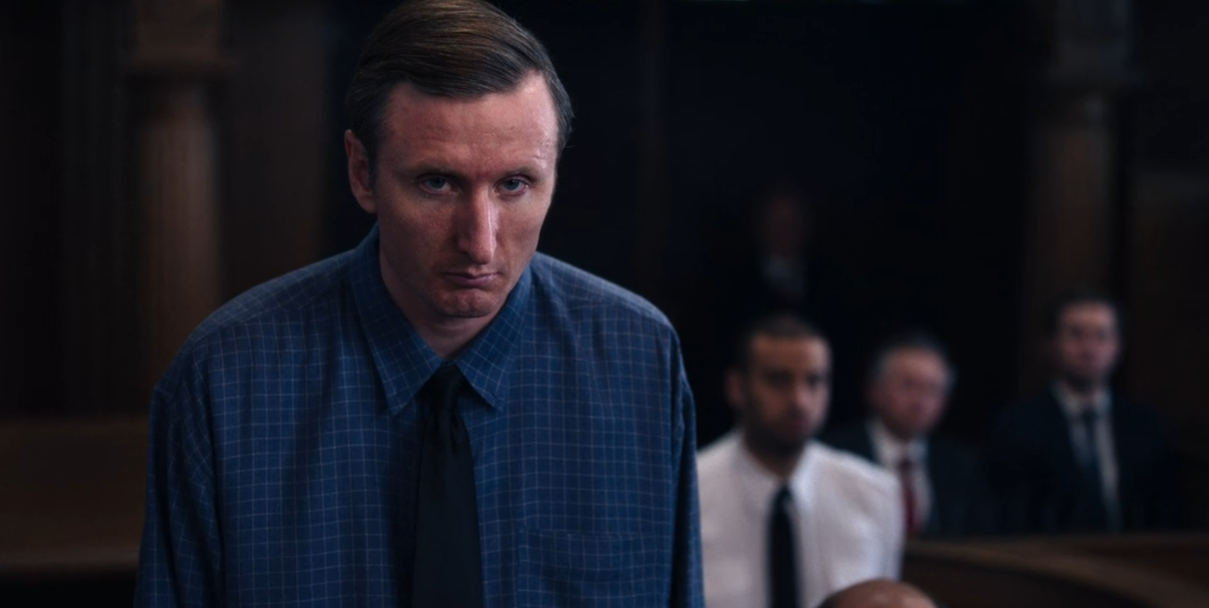
André and Alex’s disillusionment with the criminal system stems primarily from the case’s prolonged focus on Colin Stagg as a suspect, wasting crucial days and diverting resources. Perhaps the most damning blow amidst all of this is the fact that Napper claimed two more victims not long after killing Rachel. While André may have been partially successful in ushering his family out of London and into a new sanctuary, a part of his consciousness is never quite able to live with the fact that the killer is still out there, walking freely. However, it’s the sheer weight of time and memory that leaves André with only a numbing feeling after Napper is convicted. Despite the saga being finished at last, everything that André was once familiar with is now gone, never to return.
Though a few officers initially bring up the name of Napper as a suspect in Rachel’s murder case, it isn’t until several decades later, under Officer Nash’s leadership, that the connection becomes too big to ignore. A large part of why and how the case gets cracked lies in DNA technology, which simply wasn’t advanced enough in 1992 to yield any viable results. In the end, a specialized forensic team spends 2 years developing the technology to extract sufficient DNA from the crime scene, which ultimately leads to Napper’s arrest. The show’s epilogue reveals that the same technology was later used to solve many real-life cases, allowing the past to inform and improve the present.
Why Did Robert Napper Not Kill Alex? Why Did He Attack Women?
Much like his father, Alex is left with an uneasy sensation after the court verdict, and it all comes down to the central question that several characters have had from the moment the murder took place: Why did the killer spare Rachel’s child? For Alex himself, the question gains many layers after he learns from André that Rachel may have given up on self-defense so as to keep his attention focused on her, and not Alex. The ensuing survivor’s guilt, manifesting in his mind, is only magnified by his knowledge of the Samantha and Jazmine Bissett murders, where Robert Napper notably did not spare Jazmine despite her being a four-year old child. Desperate for answers, Alex makes his way back to England, where he finds Dr. Monroe, Napper’s former psychologist, and relays some of his burning questions.
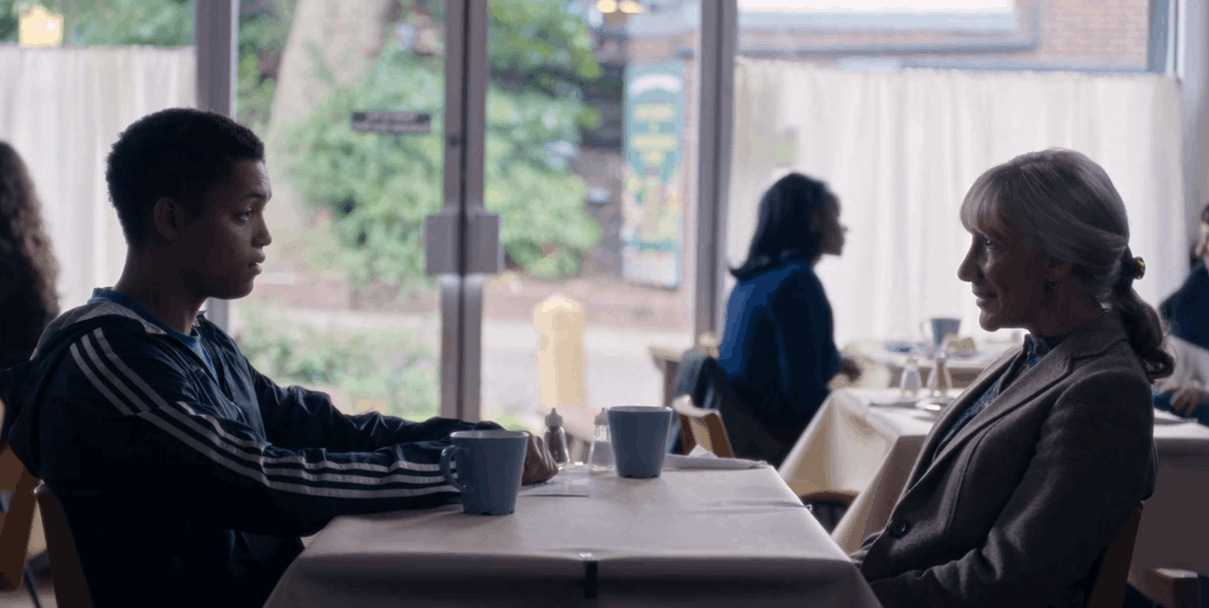
The answer to the mystery surrounding Napper’s decisions on that fateful day lies in his childhood, particularly in the abuse he endured as a child with Asperger’s syndrome and paranoid schizophrenia. Perhaps the biggest revelation that Dr. Monroe makes is that Napper was sexually abused as a child by someone close to the family. Moreover, his parents were extremely abusive, and by the time they separated, the psychological effects had ballooned and already taken a damaging form for Napper. The psychologist then hypothesizes that he exclusively murders mothers with young children because of his own resentment towards his mother for leaving him and the family.
While it is likely that Napper also had a lot of anger preserved for his father, it likely never manifested through his murders because of his intense, subconscious fear of abuse. Instead, Napper chose to repeat the cycle by being violent and sexually abusive towards women, and on July 15, 1992, Rachel became one of his victims. However, this line of thought becomes even trickier when Dr. Monroe claims that Napper might have visualized Rachel as his own mother on some level, suggesting that a part of him identified with Alex. By leaving him unharmed, Napper simultaneously displayed a level of self-destruction and an aversion to it. It is precisely that odd middle space that has suffocated Alex his entire life, until now.
Do Alex and André Reunite? Will They Go to Court Against the Police?
With a fresh perspective on Robert Napper and the entire case in general, Alex comes to realize just how important one’s parents can be in dictating the course of their lives. It is only because of André’s desperate attempts to protect his son from the darkness of the world that Alex is able to enter a positive stage in his life. Though the two of them have had a bumpy relationship over the last 16 years, Alex finally comes to empathize with his father’s position, realizing just how much André has had to sacrifice to escape the shadow of the past and to acclimatize to a new community and lifestyle. Thus, with a renewed sense of empathy, Alex returns home to his dad, only to realize that André is already preoccupied with something even bigger.
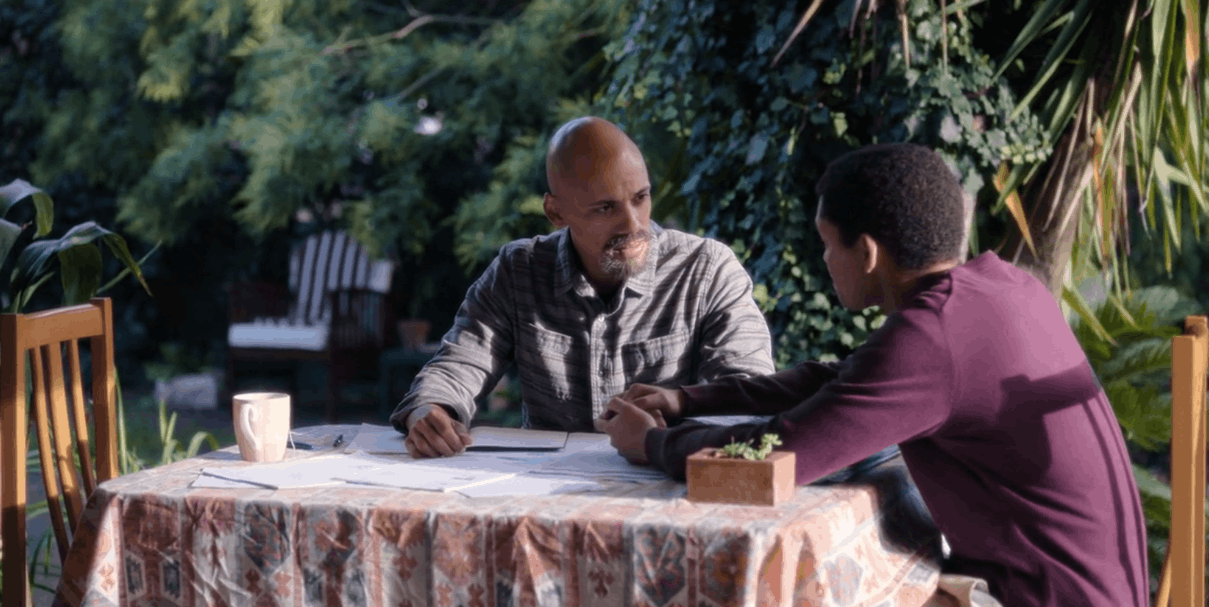
After being anonymously sent a file containing the bulk of police investigations into Napper, André slowly comes to realize that the investigative failings didn’t begin with Rachel’s case, but actually go back further in time. The dossiers reveal that Napper had entered the police’s radar for crimes before Rachel was murdered, but the police never followed through with the cross-case investigations. We see a blatant instance of such a blunder pan out during the investigation of the murder of Samantha and Jazmine Bissett. When one of the officers finds similarities between this case and a string of sexual assault cases from 1989, the investigator attached to the latter cases claims that he ruled Napper out due to his not matching the described height.
The police’s inability to catch Napper in time plays a big role in Rachel’s death, and following this, André decides to raise matters on a legal platform. Though Alex is initially opposed to this step, owing to his new belief that closure lies in leaving the past behind, André explains that this might be the only way to raise awareness and prevent such blunders from happening again. In the epilogue to the series, we learn that, in real life, André’s complaints soon received national attention with a report by the Independent Police Complaints Commission highlighting a series of opportunities missed by the police to apprehend Napper before the tragedy could escalate to this extent. However, no disciplinary action was taken against any police officer.
Read More: The Witness True Story, Explained


You must be logged in to post a comment.