
 Abhiroop Das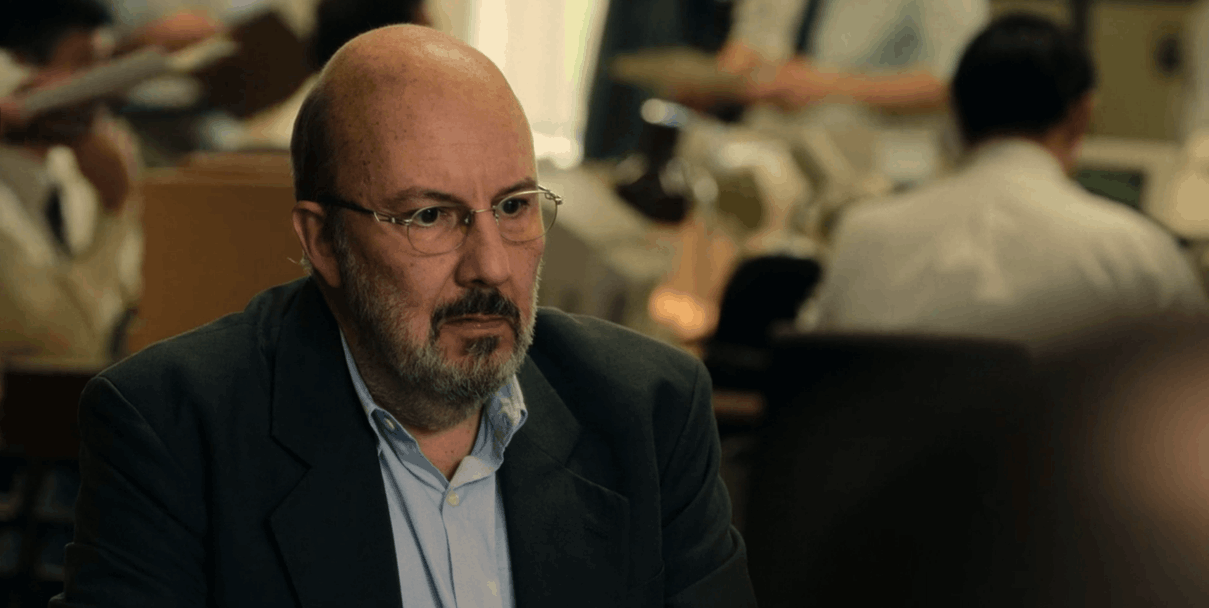
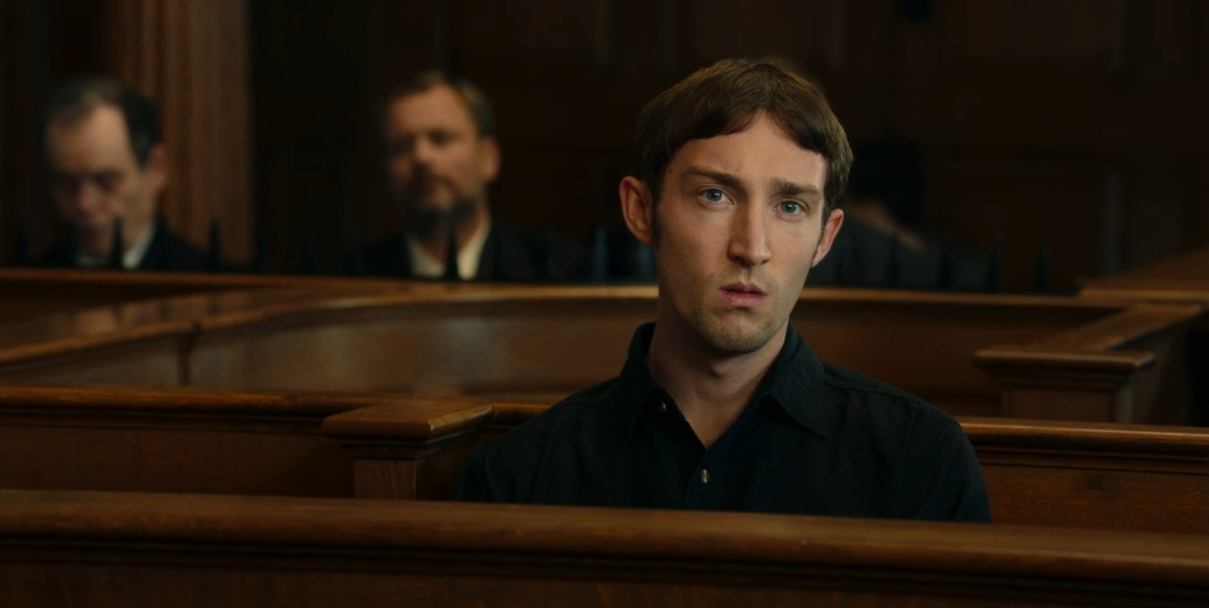
Created by Rob Williams, Netflix’s ‘The Witness‘ brings forth a dramatized perspective on the July 15, 1992, murder of Rachel Nickell, who was sexually assaulted and stabbed to death in front of her 2-year-old child, Alexander Hanscombe. In capturing this tragedy on the screen, this true crime drama series shines a light on the police investigation that spanned more than a decade, as well as the effect it had on the lives of Alexander and his father, André Hanscombe.
Among the many figures that became associated with the case over the years, one name that stands out is that of Professor Paul Britton. As one of Britain’s foremost criminal and forensic psychologists, Britton had a substantial impact on the investigation and the direction it ultimately took. However, complications naturally emerged over the course of the entire process, affecting Britton’s life just as the case gripped the subconscious of the entire nation.
Professor Paul Britton is a Leading Voice in the Field of Criminal Psychology
Professor Paul Britton was born in 1946 and had developed a keen interest in psychology early on in life. Around the same time, he became familiar with police work as a student police cadet around the age of 16, but his two worlds wouldn’t collide until much later. A turning point in Britton’s life came on August 8, 1963, when he, as a cadet stationed at Leamington Police Station, heard of the hijacking and robbery of the overnight Royal Mail bound from Glasgow to London, an event that is today known as the Great Train Robbery. It’s this case that spurred Britton’s interest in the psychology of crime and the various circumstances that might lead people to become violent.
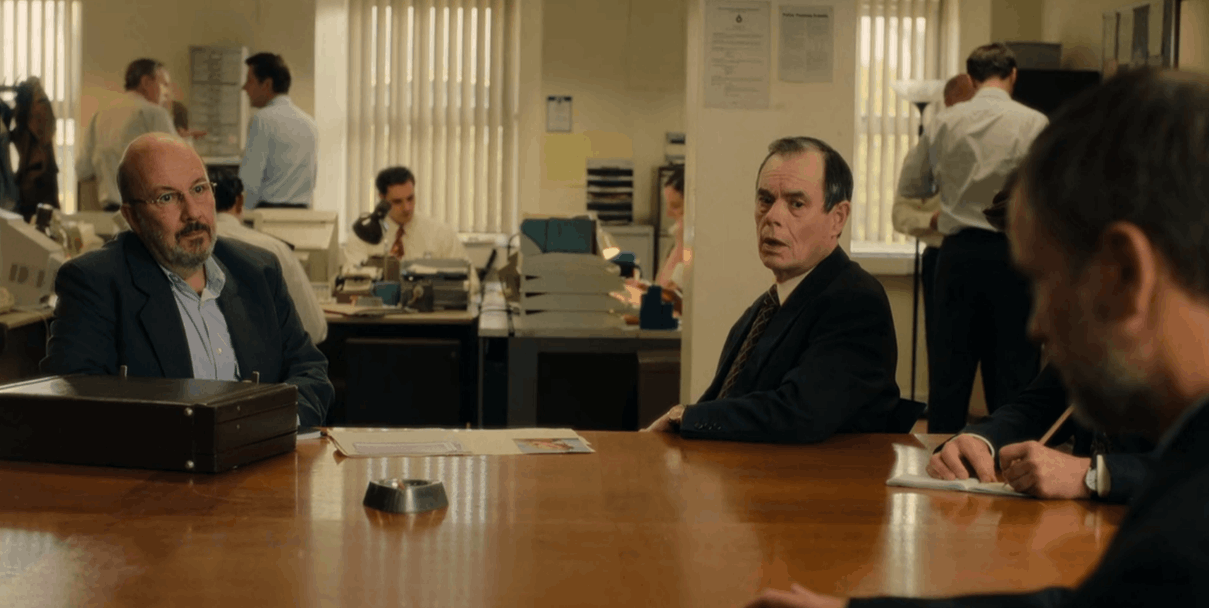
In 1966, Britton tied the knot with Marilyn, and the couple soon welcomed their two children, Emma and Ian. At that point, Britton was working odd jobs in and around Leamington, often holding multiple jobs at once, which meant putting his aspirations of studying at the university on hold. Things changed in 1972, when Britton, with Marilyn’s support, enrolled at a night school and later joined Thornbank College, all the while juggling a job. In the coming years, he graduated from the University of Warwick and the University of Sheffield with a degree in psychology. After starting out as a trainee clinical psychologist with the Leicestershire Health Authority, Britton climbed up the ranks, eventually becoming the head of the Regional Forensic Psychology Service for Trent in 1986.
Professor Paul Britton’s Criminal Profile For the Rachel Nickell Case Became a Subject of Controversy
Professor Paul Britton’s expertise within the realm of offender or criminal profiling led him to become an advisor for the Association of Chief Police Officers Crime Committee for several years. It was during this period that he became involved with the Rachel Nickell murder investigation and was asked by the Metropolitan Police to create a criminal profile for the assailant. Around the same time, the police began focusing on Colin Stagg, a Roehampton resident, as a suspect. Stagg was a regular visitor to Wimbledon Common and reportedly matched the profile created by Britton. However, there was no forensic evidence directly tying him to the case, and in the lead-up to that, Britton was reportedly consulted during the creation of a covert operation, dubbed Operation Edzell.
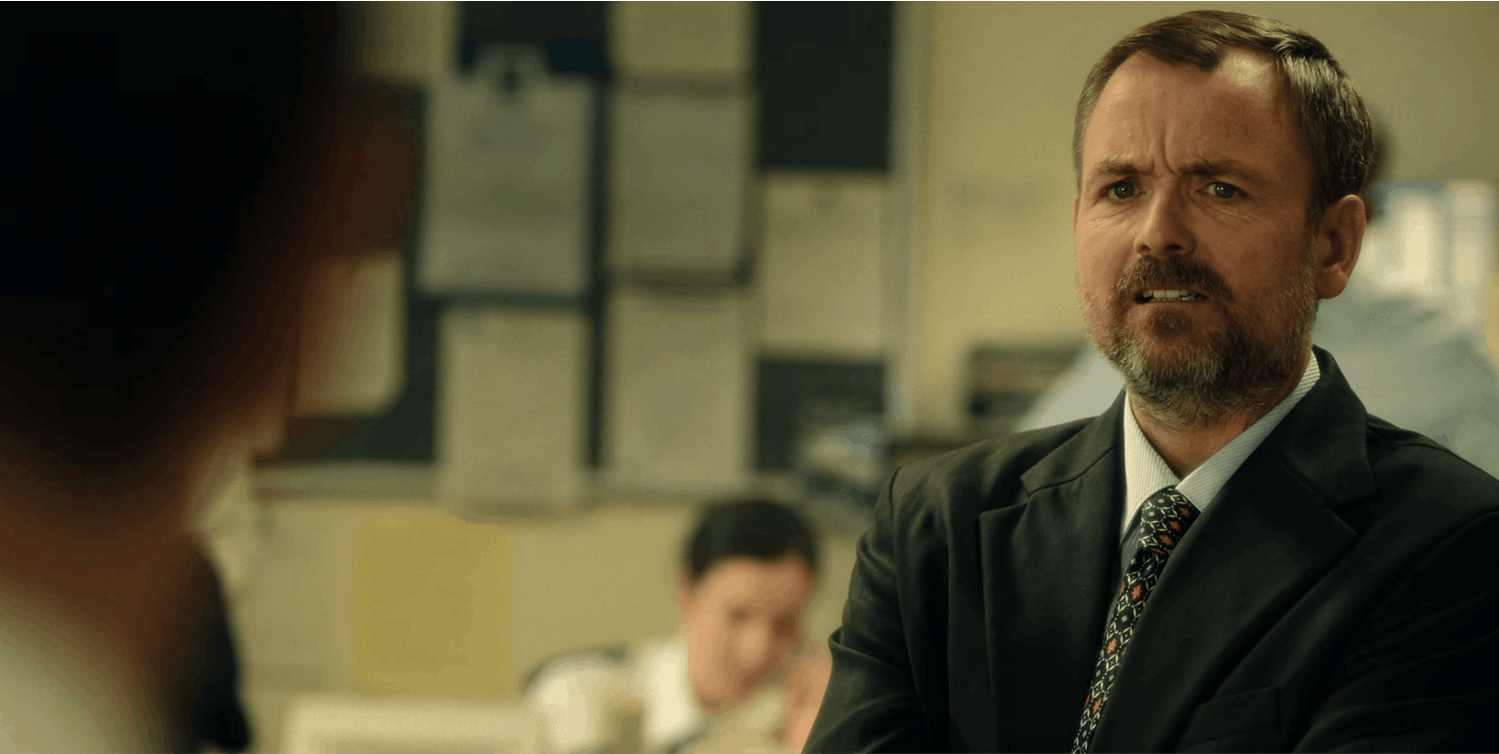
Operation Edzell has often been described as a “honeytrap,” as it was primarily designed to get Stagg to befriend an undercover policewoman who went by the alias of Lizzie James. Feigning a romantic interest, the policewoman eventually began exchanging letters and meeting with Stagg, with the stated goal of confirming whether he was guilty or innocent. Though Stagg, at no point during the entire operation, claimed involvement in Rachel’s murder, the police ultimately charged and arrested him by claiming that he knew details about the murder that only the killer could have known.
Related

Professor Paul Britton is a Known Face in the World of True Crime Storytelling
In September 1994, when Colin Stagg was presented in front of the court, the judge reportedly described the covert operation as “deceptive conduct of the grossest kind,” and denied the evidence as admissible. While Stagg was released from custody the same day, the details of this entire operation lingered in the public and professional consciousness for quite some time. Soon after, Stagg raised a complaint against Paul Britton at the British Psychological Society, accusing him of breaching the code of conduct. However, due to various circumstances, it took eight years to set up a disciplinary committee for the matter. During the proceedings, it was reportedly shown that Britton’s profile was verified by an FBI offender profiling unit, and soon thereafter, all the allegations were dismissed.
Britton also denied having any foreknowledge of the letters exchanged between Stagg and the undercover policewoman, maintaining that he learned of them only after they were sent. Soon thereafter, all the allegations were dismissed. Around the same time as the allegations were raised, Britton claimed that his health and career had been affected by the case. By this point, Britton had already left the National Health Service because of ill health. As of writing, he teaches clinical and forensic psychology at Birmingham City University.
Additionally, Britton has also been involved in the world of television, making several appearances in documentaries as a consultant. Some of the titles that he lends his expertise to include ‘Making a Monster,’ ‘The Murder That Changed Britain,’ ‘World’s Most Notorious Killers,’ and ‘Fred & Rose West: A British Horror Story.’ Britton also makes an appearance in the Netflix documentary ‘The Murder of Rachel Nickell,’ which has been released as a companion piece to ‘The Witness.’ While he has stepped away from clinical practice, Britton remains an influential figure in the field of criminal and forensic psychology, especially through his involvement in the Rachel Nickell case.


You must be logged in to post a comment.