
 Abhiroop Das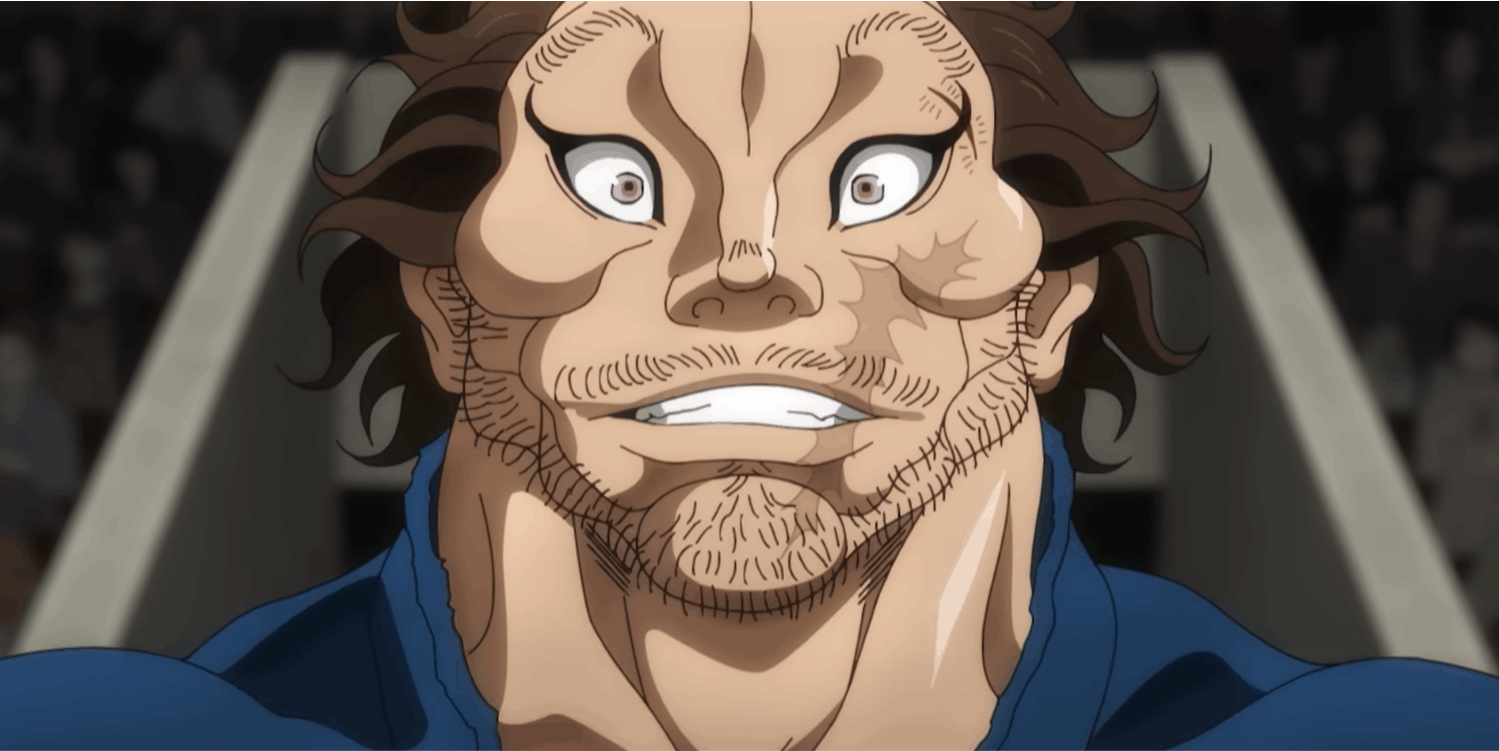
Helmed by Toshiki Hirano, ‘Baki-Dou: The Invincible Samurai Part 2’ continues its adaptation of Keisuke Itagaki’s ‘Baki’ manga series, this time chronicling Miyamoto Musashi‘s bouts with a new set of challengers. In the previous cour, Musashi is brought back to life via a blend of cutting-edge technology and supernatural necromancy. However, what comes out is far from the idealized version of a sword saint that has been remembered in the history books. The real Musashi is aggressive, haughty, and doesn’t shy away from climbing the social ladder with unusual means.
Naturally, every fighter worth their salt wants to test their strength against the great swordsman of history, but it doesn’t take him long to defeat Doppo, kill Retsu, and stun Baki. By the end of this part, however, Musashi’s real role in the story’s grand commentary on power is thoroughly tested, and the result is a step even further away from history and deeper into the mystical. SPOILERS AHEAD.
Baki-Dou The Invincible Samurai Part 2 Plot Recap
‘Baki-Dou: The Invincible Samurai’ begins its second cour by picking up things right where they left off. Musashi, still undefeated, is presented with a brand new opponent, the Cretaceous humanoid known as Pickle. While he has been living in the sewers, feeding on giant alligators and other beasts, Pickle doesn’t back down from the challenge when he is presented with what Musashi has to offer. After starving himself for days to build up an appetite, he lunges at the sword saint with all his might, refusing to let go even when he is cut relentlessly. What ultimately wards him off, though, is the realization that Musashi is less of a delicious meal and more of a poisonous insect that Pickle must run away from.
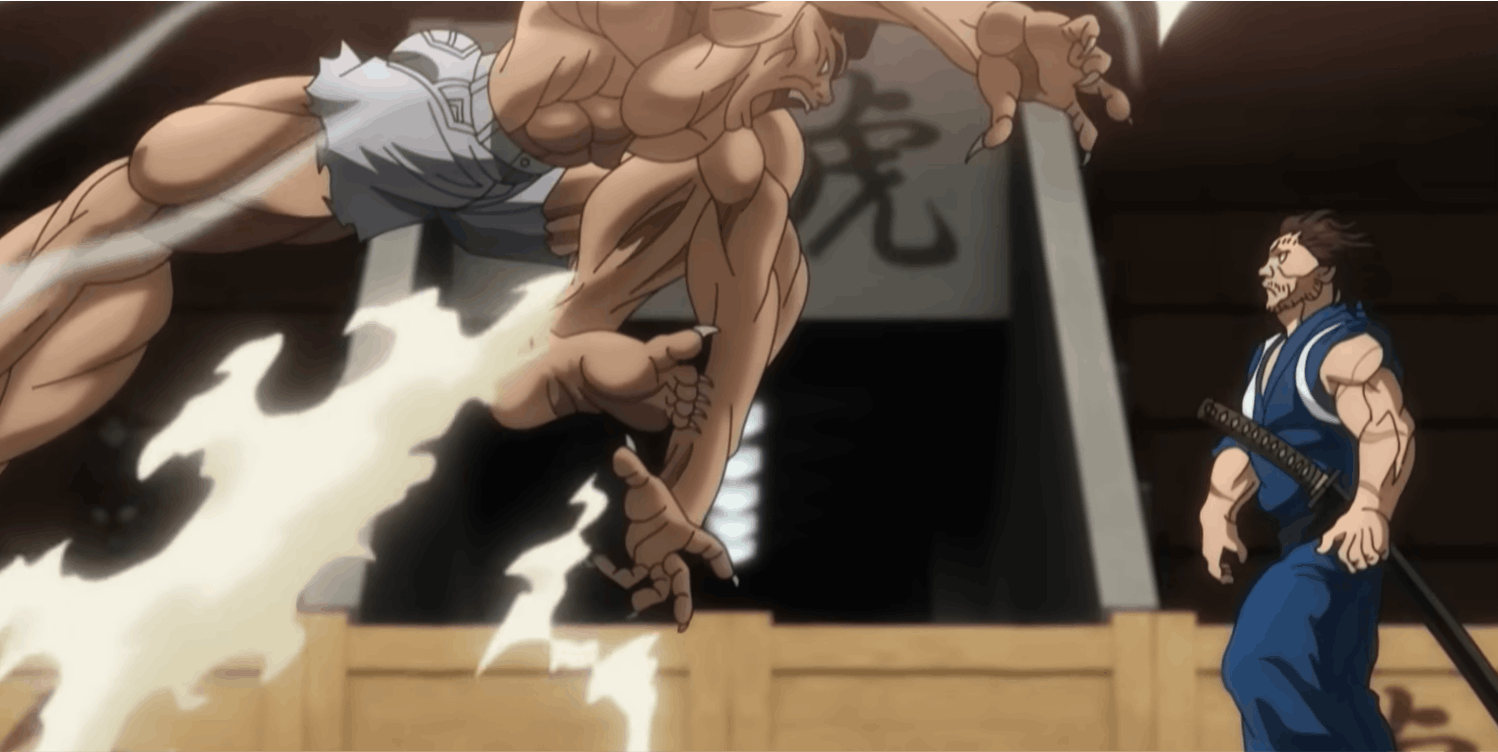
The next challenger on the list is Motobe, who has secretly been preparing for the battle by gathering every trick, occult technique, and weapon that he can lay his hands on. After consoling Pickle, Motobe marches onto the arena, declaring that he is the only one who can save Musashi, as well as the others, from participating in this charade any longer. The fight plays out similarly to how he confused and attacked Jack with his combination of smoke bombs and other hidden measures. However, they don’t seem to prove even half as effective when compared to Musashi. Though the sword saint is able to slash Motobe beyond recognition, the latter gains the upper hand with a choke-hold, choosing to spare Musashi even when he is knocked unconscious.
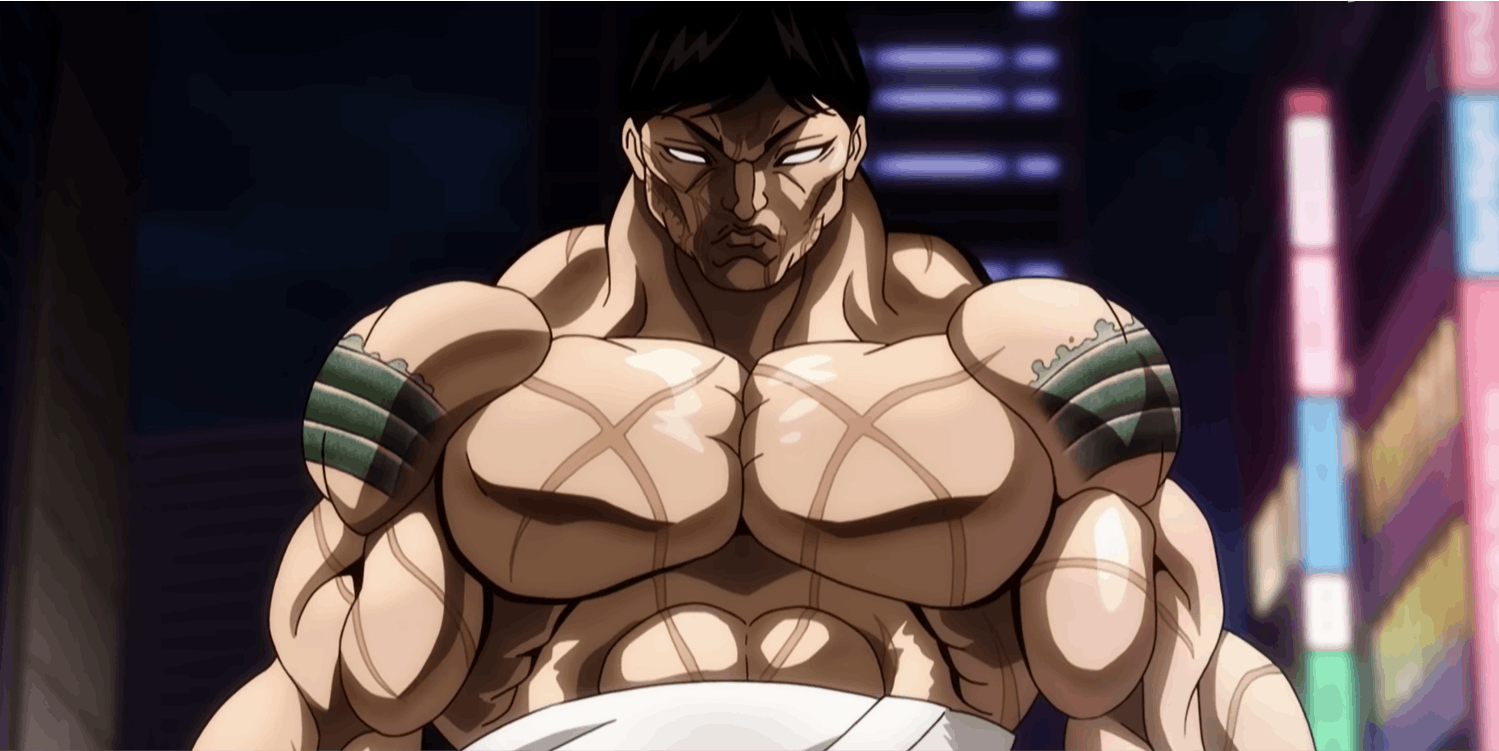
Bitter after his defeat against Motobe, Musashi takes to the streets, dominating entire squads of army and police officers who stand in his way. With no way to put a stop to this beast, the one who steps onto the field is none other than Hanayama, the boy wonder. Musashi is taken aback by how Hanayama seems to fight like a blank slate, with no preconceived hatred or awe in his strikes. At one point, this purity of action nearly blinds Musashi, leading Hanayama to land a solid punch and nearly crack Musashi’s skull. However, the latter wins the fight with his signature series of cuts and is about to land the death blow before Baki steps in. Having lost their first go-around, Baki challenges Musashi to a rematch, seemingly assured of his victory. This gets on the old man’s nerves, and he boldly accepts what is bound to be the grandest match-up this world has seen since the battle of father and son.
Baki-Dou The Invincible Samurai Part 2 Ending: Is Musashi Dead? Can He Come Back?
‘Baki-Dou: The Invincible Samurai Part 2’ ends with an anti-climax, as Sabuko Tokugawa swoops in and kisses Musashi’s soul out of his body, sending it back to the realm it belongs to. Though this send-off disrupts the grand fight, it is still poetic in how it definitively shatters Musashi’s quasi-escapism by bringing him back to the real world, where he is within grasp and an equal among all. After nigh-effortlessly cutting through everyone who stood in his way this season, the sword saint is ultimately bested by someone who isn’t even a martial artist, and it is only made possible because of an ingenious move pulled off by Baki. Somewhere along the line, he realizes the sword is Musashi’s only way of affirming his existence in this unfamiliar world, and thus by targeting the weapon instead of the man himself, Baki is able to gain the upper hand.
A defining characteristic of Musashi’s arc in ‘Baki-Dou’ has been his conscious acknowledgment of being completely out of place. He understands that this world is not suitable for his anachronistic value system, and yet responds by forcing the world to submit to his conditions. In some ways, this is a delusion that he believes he can manifest by simply using enough force, and the same principle becomes crystallized in the form of his katana. After being disarmed by Baki, Musashi realizes that his swords are no longer a reliable weapon and brings back a fighting style that he briefly attempted with Yujiro. Lifting his own arms as if they were swords, he momentarily believes in and thus manifests a truly divine technique. However, the counter Baki launches at this moment is one Musashi has no response to.
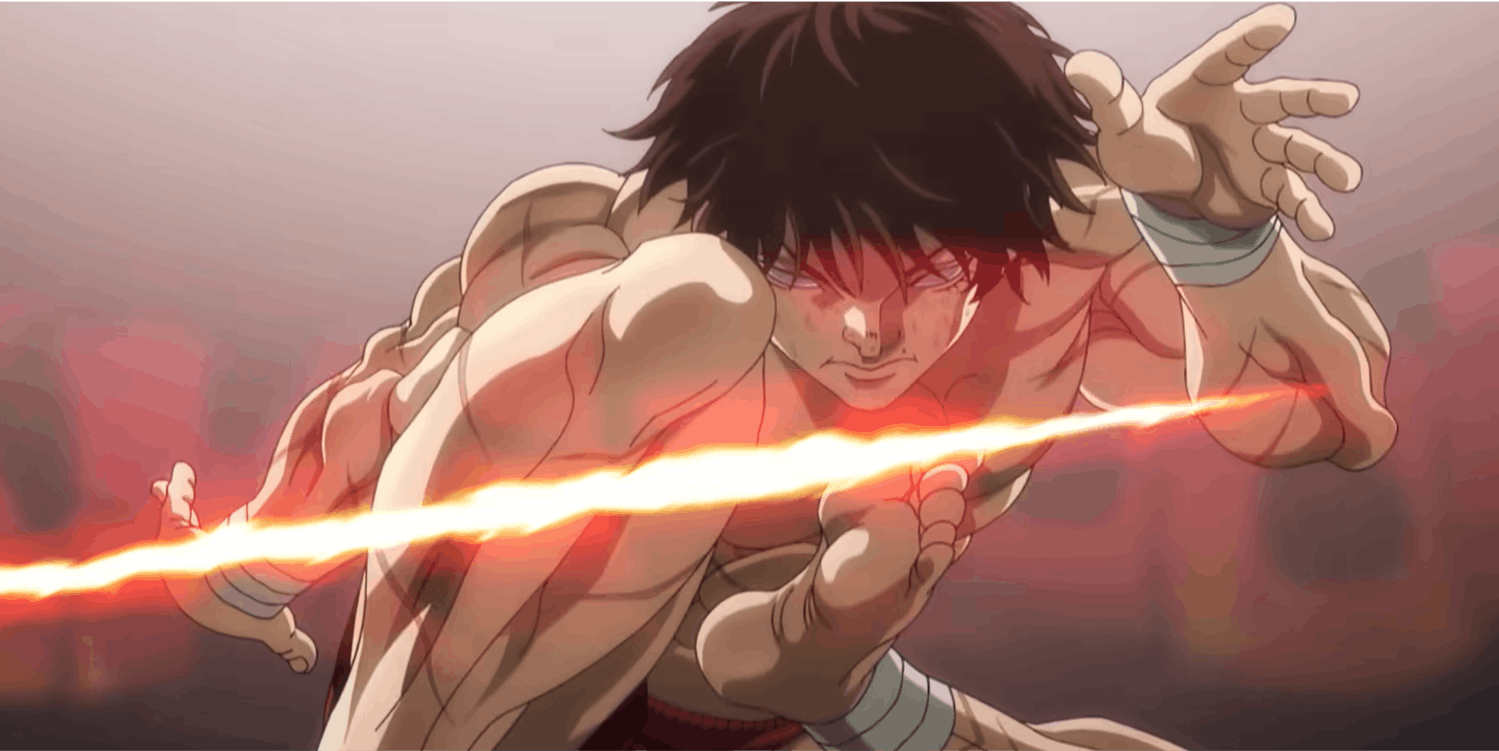
Faced with a technique he cannot possibly win against, Baki reminds Musashi of his own otherworldly nature and how a supernatural technique should belong to a supernatural realm. Musashi has been forcibly brought back to a world that simply got too bored with itself, and now, with everyone sufficiently roused, the sword saint has no reason to remain on his feet. Hearing this, Musashi momentarily lowers his guard, instinctively catching the sword, a symbol of external validation, when Baki throws it at him. This gives Sabuko a clean shot at sucking the soul out of its vessel, following which Musashi’s body falls to the ground, motionless. While the entire world is convinced that Musashi was killed in the fight, the reality is that he has simply been returned to the spiritual realm, where he can yearn for true enlightenment once again.
Who Won Between Musashi and Baki? Who is Stronger?
Though the fight technically never gets a conclusion, on a thematic level, Baki is the clear winner. Not only does he have the upper hand throughout the entire bout, but it is also he who pushes Musashi to his ultimate limit, perhaps even more so than Yujiro did. While the latter’s position as the apex entity hasn’t shifted an inch, this ending only reaffirms that Baki, too, has his finger on the pulse of martial arts. The moment the fight is truly won is when Baki unleashes his three-point strike, merging the speed of a jab with the impact of a finisher move. What truly catches Musashi off guard, however, is the sheer confidence with which Baki attacks, to the point that not a single muscle in his body is readable until the moment the strike is already in place.
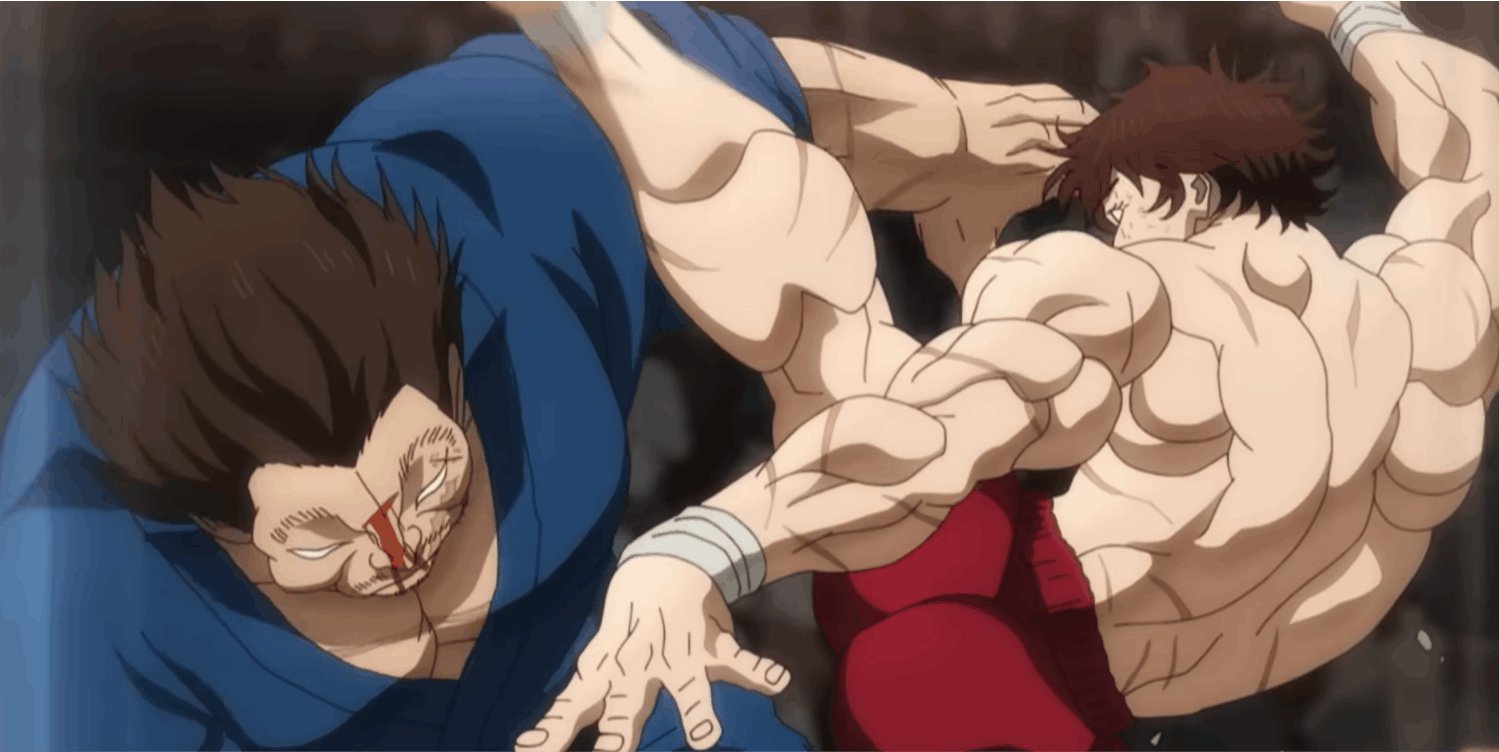
While on the surface, Baki’s winning strategy is one of taking Musashi by surprise, a thematic dive into the fight reveals a completely different dimension. The metaphor of pure, blinding light, first introduced in the fight with Hanayama, is reapplied here in a new form, with both Baki and his Yakuza counterpart serving as symbols of pure youth, in stark contrast to Musashi. While the latter has been chasing a faux-enlightenment his entire life by relying on violence as a means to an end, Hanayama, and Baki even more so, treat martial arts and combat as simply an expression of themselves, as ordinary as breathing. Perhaps Motobe describes it best by saying that someone who works hard can never beat someone who enjoys himself.
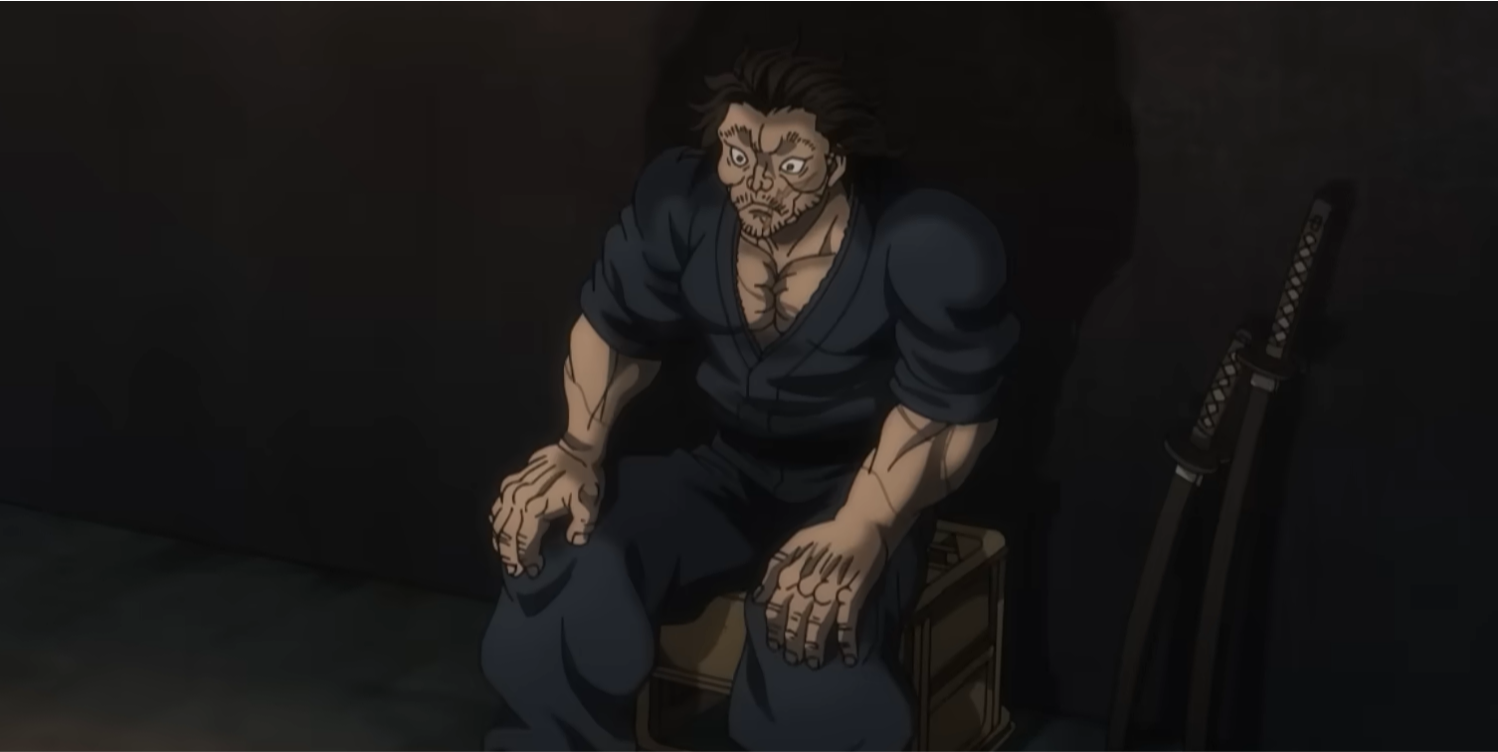
Throughout the arc, Musashi reiterates that being a swordsman was always a job to him, one that he simply excelled at. His real self, as it turns out, shines the brightest when he is unarmed in the middle of war, where he is free to be as gnarly and unruly as possible. Baki, as his opponent, is able to bring that true face of the sword saint out into the public, demythologizing him in the process. Without his legendary repute, Musashi has no choice but to hold onto his martial might even harder, and all Baki needs at that point is to turn that from a strength into a weakness, with the help of Sabuko. Musashi never holds the title of the strongest person in the world, and thus, it is hardly a surprise that the boy who beat Yujiro emerges as victorious once again.
Why Does Tokugawa Preserve Musashi’s Body? What Will Happen to it?
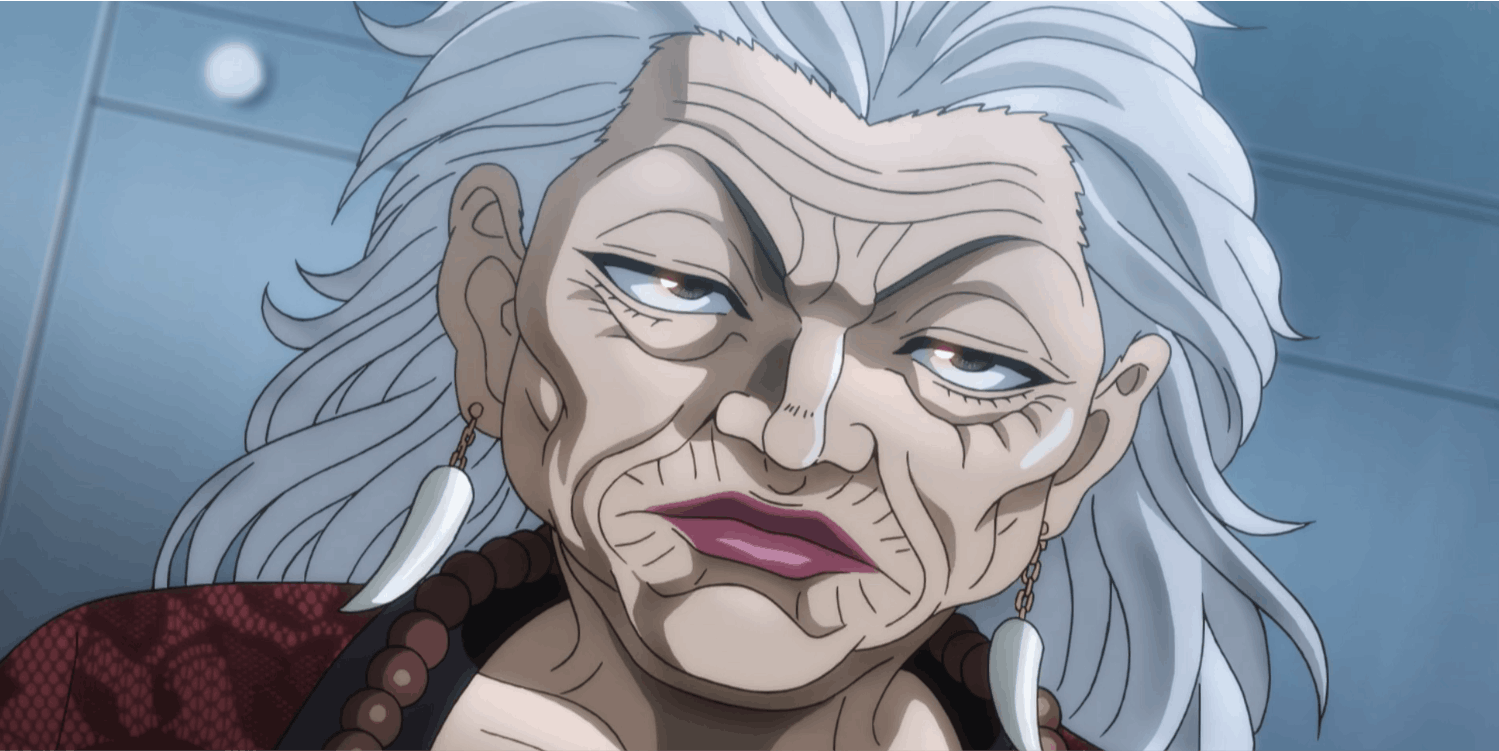
After Musashi’s body falls to the ground, lifeless, Tokugawa and his team of scientists are faced with a rather peculiar problem: should the epitome of the human form be buried or cremated out of respect, or should it be preserved for generations to study, learn from, and simply marvel at? On some level, Musashi has been stripped of his agency since the moment he was brought back into this world, and though he has attempted to assert his will with every step and every slash, it remains undeniable that Tokugawa is the engineer of this calamity. As such, with everything behind him, Tokugawa decides to adhere to what Musashi would have wanted for his corpse.
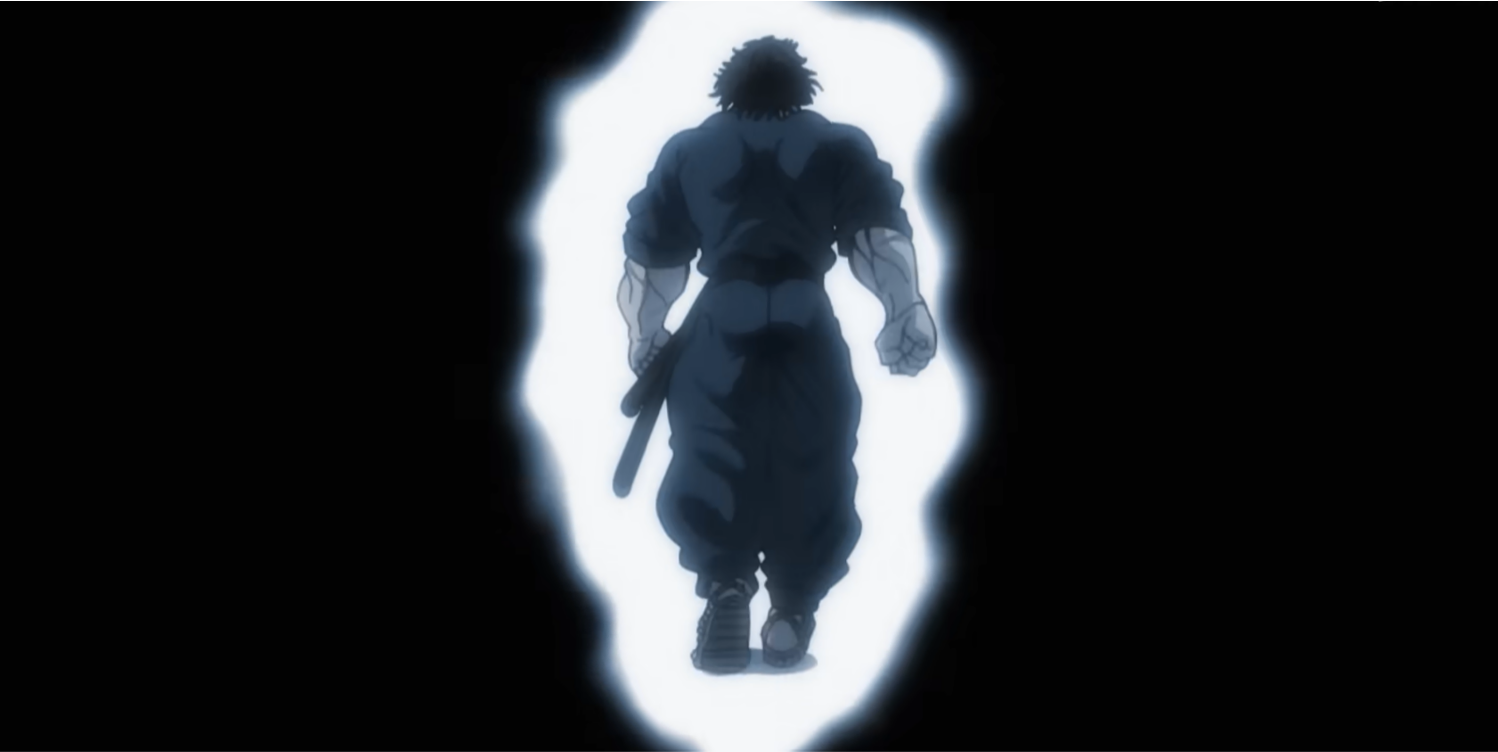
In his past life, Musashi instructed that he was to be laid to rest in full armor, and though he doesn’t say anything of the sort as a resurrected entity, Tokugawa determines that the greatest swordsman of all time ought to be remembered at his physical peak. It is perhaps the same reason that his body managed to endure centuries of weathering and decomposition, preserving blood and tissue as its only means of self-affirmation. In the present, scientists learn from this phenomenon and create a mechanism that can freeze the body on a cellular level, preventing any damage to the tissue. In a way, this method is an inverse of how Pickle was found, as instead of crystallizing his body in time, the scientists gently lull Musashi’s body, still pulsing, into a long and potentially never-ending slumber.
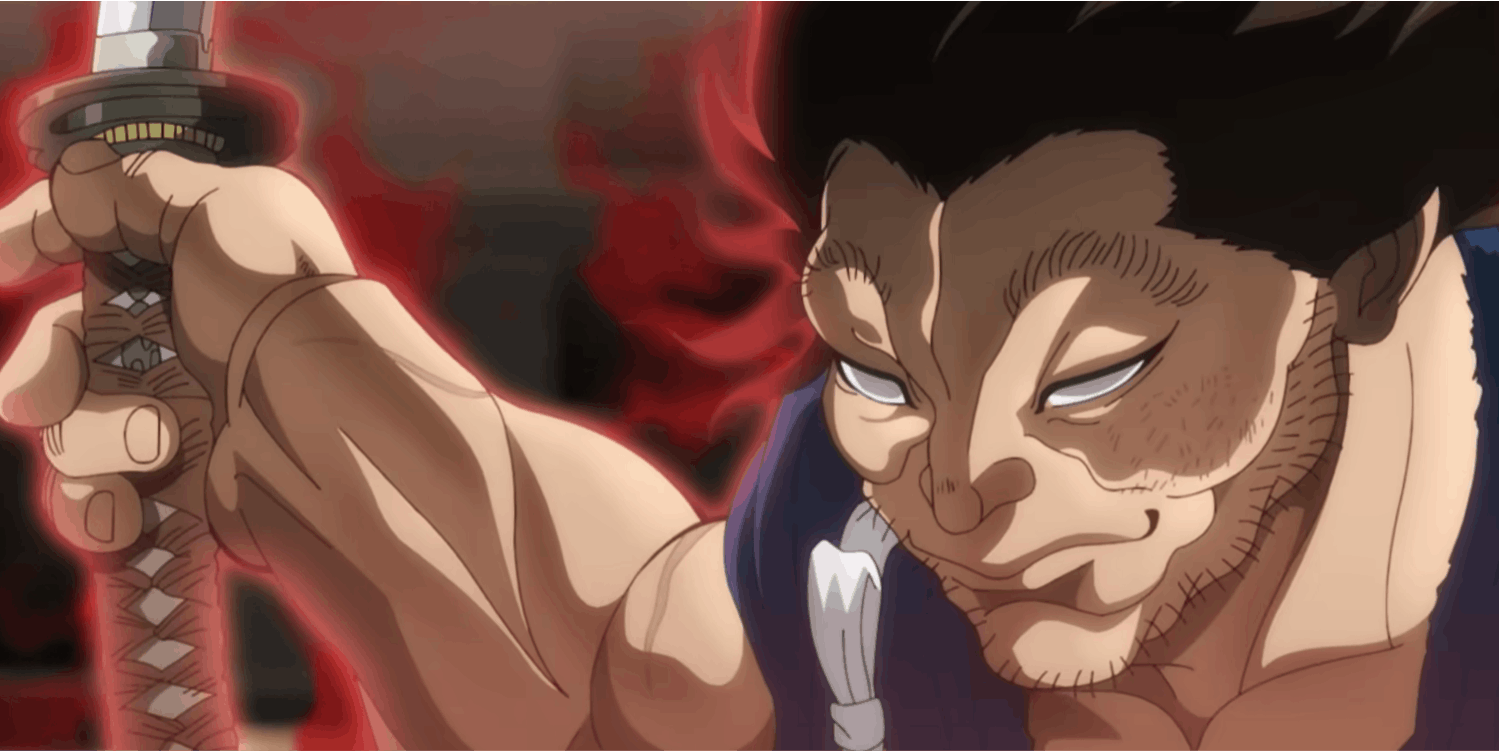
The act of sending Musashi off doesn’t just begin and end under the Sky Tree, but also has a rippling effect on public consciousness. Having seen the legendary swordsman quite literally come to life and go back again, they reexperience precisely the legendary performance that turned Musashi into a near-deity figure. However, at the same time, they also see his wrath, his hedonism, and most importantly, his hubris. Thus, while the nation stands in attention as Musashi’s body is carried away for preservation, no one prays to him, as Baki has shown them that treating people as God can poison one’s view of reality.
Read More: Baki Dou: True Story of Miyamoto Musashi, Explained


You must be logged in to post a comment.