
 Aahana Swrup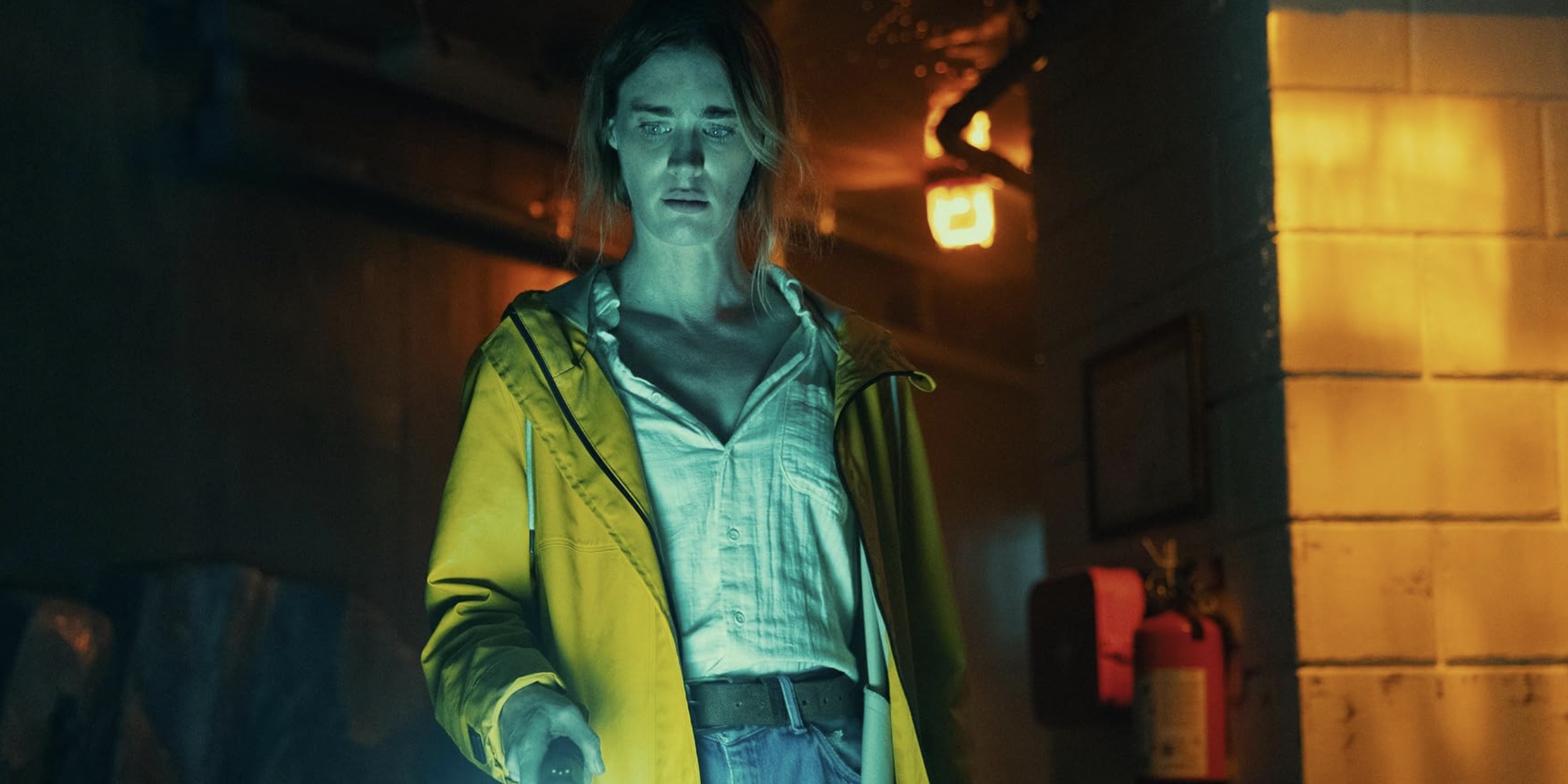
‘Below’ is a horror mystery series set in a small fishing town in Newfoundland, Canada, where the community has to put its internal struggles on the back burner once a sinister sea creature begins terrorizing its harbors. The protagonist Calvin Penney, a single father of three, is one of the few local voices trying to combat a resettlement initiative. However, when a strange iceberg drifts near the town’s shores, it brings a new and vastly more terrifying problem. A mysterious sea creature with a penchant for causing massive damage to docks, fisheries, and ships out on the sea is circling the coastal town. Thus, set up against a seemingly indomitable force, Calvin and the rest of the Penneys must fight for their home. Despite retaining a crucial creature-feature factor, the show created by Jesse McKeown finds a grounding in reality through Newfoundland’s history and the unfolding reality of the climate crisis in the modern world.
Below Builds Upon the Rich History of Newfoundland and Its Resettlement Program
The central narrative in ‘Below,’ revolving around a town under attack from a menacing sea creature, remains a work of fiction. Yet, the worldbuilding surrounding this premise finds a tangible basis in reality. The story utilizes its setting, the Canadian province of Newfoundland, as a notable narrative and thematic storytelling tool. In the show, the fictionalized town of Snook’s Arm is a resettlement, populated with former residents of Little Pot Rock, another fictional island town in Newfoundland. Although these towns and their inhabitants may have been created in service of the series, the reality of resettlement programs in the Canadian province is a reality with historical roots.
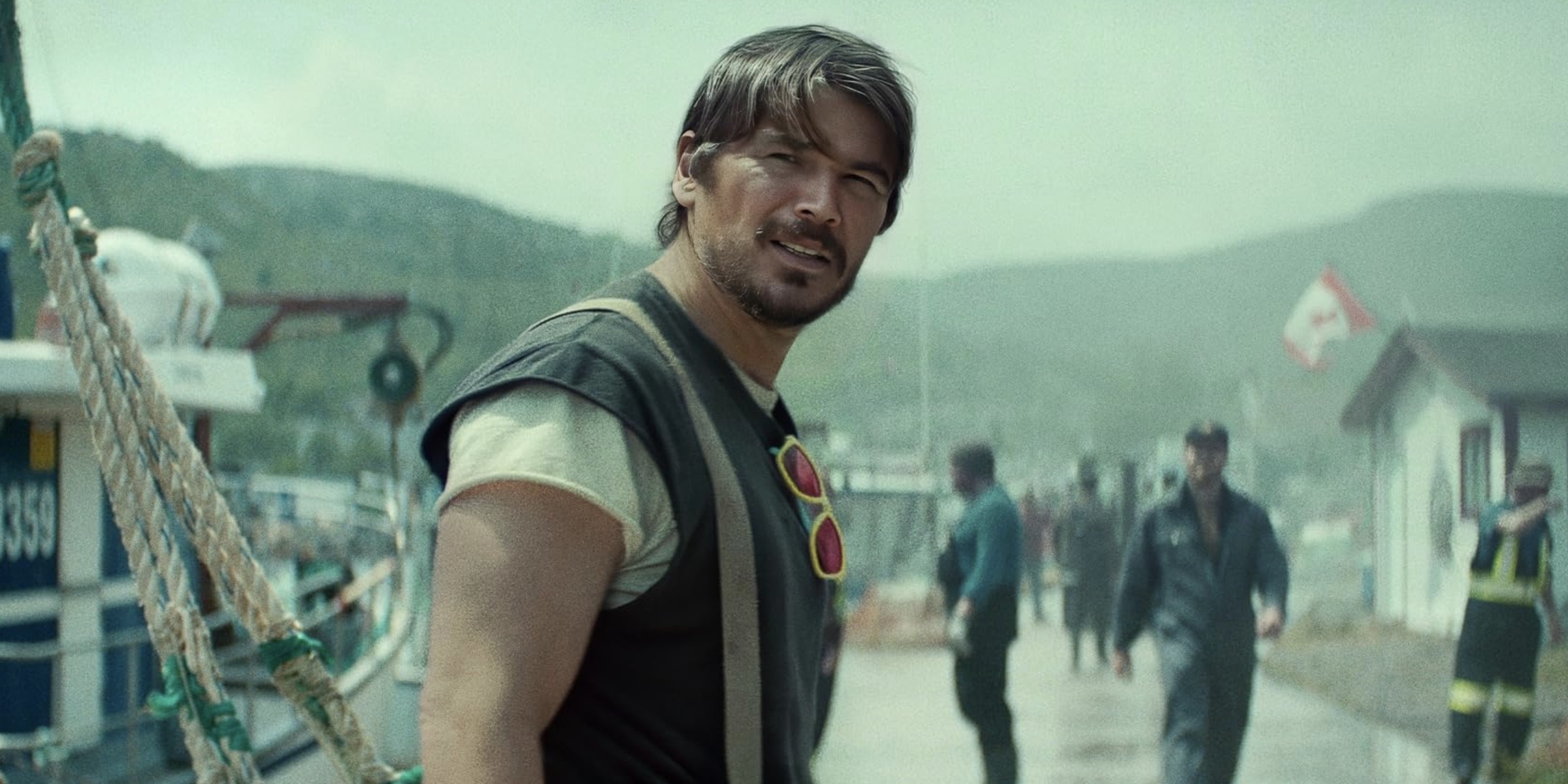
In 1965, a Fisheries Household Resettlement Program was introduced, replacing the old Centralization Program. It proposed a resettlement plan based on growth pole theory that encouraged rural Newfoundlanders to move to “growth centers,” i.e., locations expected to showcase economic development. As per the Resettlement Act of 1965, the community had to showcase a shared desire for resettlement, requiring a petition with signatures from 90% of the community’s householders. Once the petition was verified and approved, the town’s residents were financially compensated, with the household and its members both receiving separate funds.
During the resettlement, many residents floated their entire houses across waterways to transport them to their new hometowns. In ‘Below,’ the Penney family sports a taut relationship with the reality of this resettlement program. Calvin had lost his father during this move from Little Pot Rock to Snook’s Arm in an inexplicable accident. Moreover, he remains perpetually homesick for a town he was forced to evacuate as a child. Therefore, when a similar program is pitched for Snook’s Arm, which becomes economically unviable in a short few decades, Calvin remains staunchly opposed to the plan. In a conversation with Polygon, creator Jesse McKeown spoke about mining inspiration from this part of Newfoundland’s history.
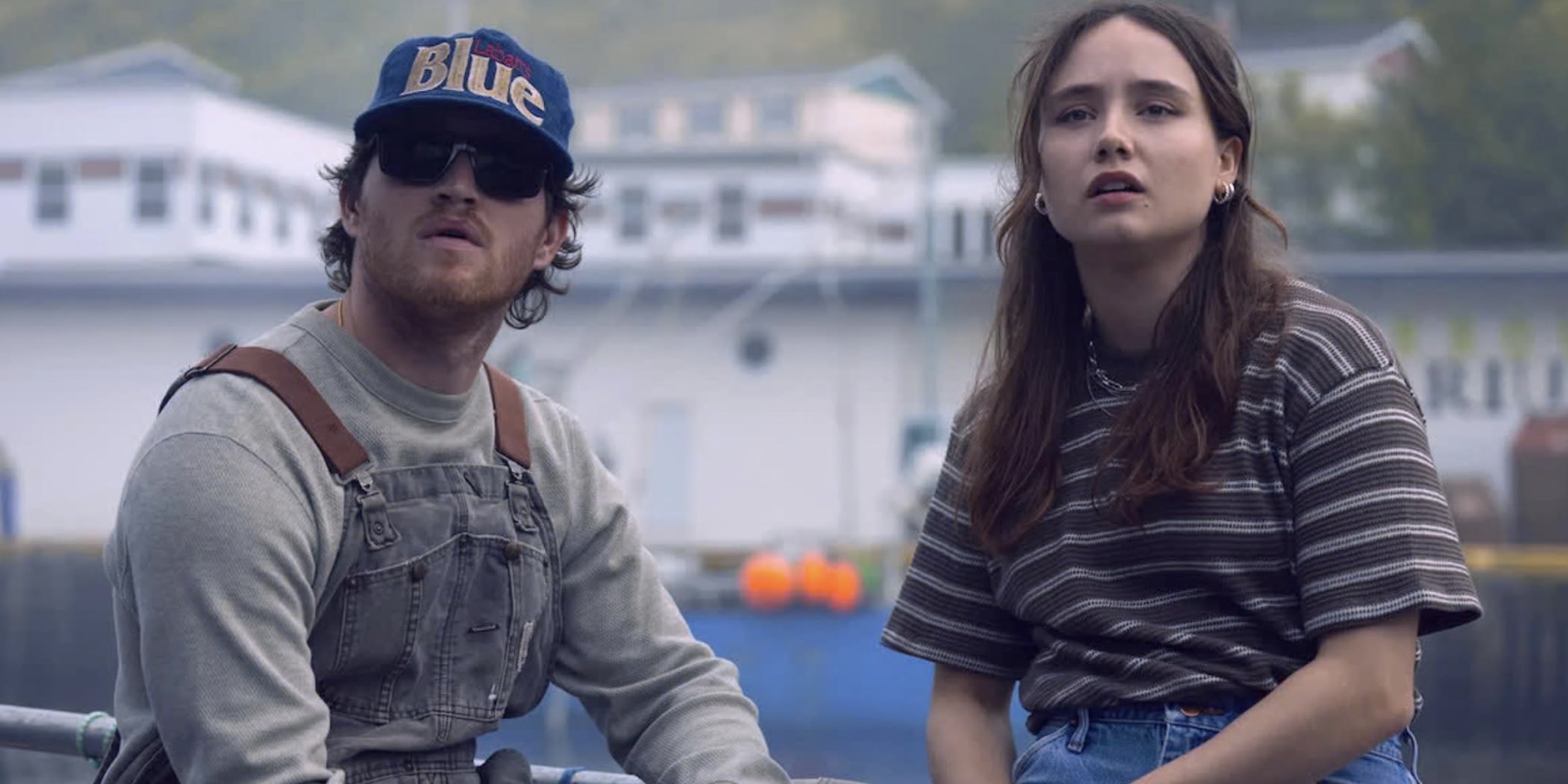
“There are lots of remote communities that are still grappling with the decision of whether to stay or leave,” McKeown shared. “Now it’s very democratic. The town votes to stay or leave just like in the show, and a certain threshold of the town has to agree to it to be officially resettled by the government, but that wasn’t always the case.” He further added, “Back in the day, there was a lot more pressure. It was quite violent and coercive. It’s a very difficult part of Newfoundland history, and a lot of people were affected by that. I wanted to open the show with that.”
Below Blends Atmospheric Horror With Newfoundland’s Local Culture
Narratively, the storyline in ‘Below’ mines some indirect inspiration from previous iconic titles from the genre. Reportedly, films from the 70s and the 80s, like ‘Jaws,’ ‘The Fog,’ and ‘The Thing,’ offered substantial influence in the making of the series. In creating Snook’s Arm and the danger surrounding the town, Jesse McKeown aimed for a “cosmic folklore feeling” that would use the natural aesthetics and environment of Newfoundland to create a sense of haunting mystery. The creator had been visiting the Canadian province for a few years prior to the series’ development. As such, he had always believed that the location could be an ideal setting for a story of epic proportions.
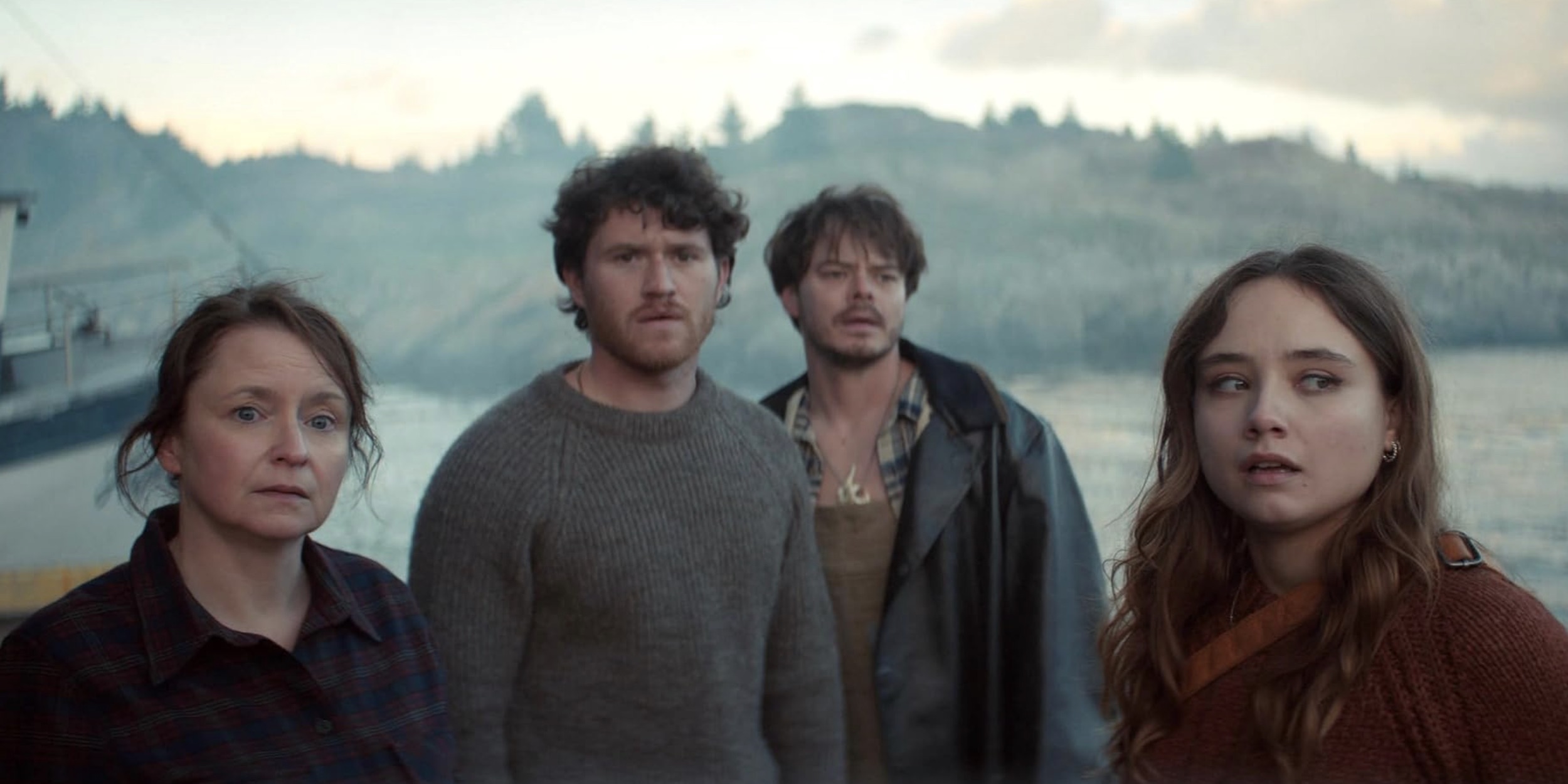
“It’s such a unique landscape and such a rugged, dangerous, isolated, scary place in a lot of ways,” McKeown told Netflix. “But then there’s also this other side to it, which is that the community is so warm and the people are so funny and unique and there are so many eccentricities about the place.” Thus, despite the fictionality of the central town, the show presents an authentic depiction of Newfoundland, from its history to the cultural identity of the community. Furthermore, the show also delves into the impact of global warming and the ever-growing climate crisis on such coastal communities and their way of life. Ultimately, all these elements infuse a sense of authentic realism to the otherwise fictitious narrative of ‘Below.’
Read More: Below Ending Explained: Why Are There More Icebergs Near the Town?


You must be logged in to post a comment.