
 Abhiroop Das
Helmed by Lena Khan, Netflix’s ‘Best of the Best’ follows two lifelong friends, Maya and Anjali, who are fresh out of high school and find themselves at the heart of UCLA’s competitive South Asian dance team. As they navigate the high-stakes world of collegiate dance, their friendship, ambitions, and ability to work together under pressure are soon put to the test. In telling this story, the coming-of-age dance film explores friendship, identity, and the uncertainty that comes with new beginnings in life, all from the perspective of young dancers.
Best of the Best is an Ode to Bollywood, College, and the South Asian Experience
‘Best of the Best’ is a fictional story penned by Hasan Minhaj and Prashanth Venkataramanujam that draws inspiration from their personal experiences in the Bollywood-inspired dance competition scene. Rather than being centered around any one real-life team or competition, the duo conceived the film as a “coming-of-age story of the Desi diaspora” based on “a bunch of painfully true events that we got to witness firsthand,” as Minhaj said in a conversation with Netflix. At the same time, director Lena Khan also described the film as a mashup of seven movies in one, naming dance, friendship, and ambition as some of the main themes it tackles.
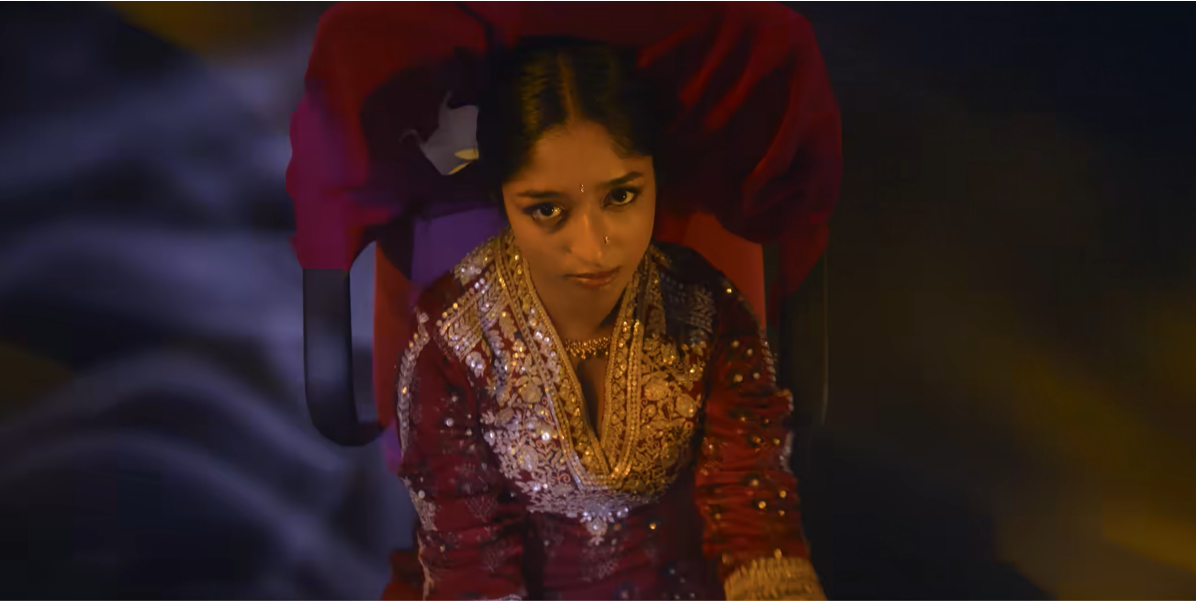
Minhaj, an alumnus of the University of California, Davis, along with Venkataramanujam, who went to college at the University of Illinois Urbana-Champaign, attended many dance competitions back in the day, several of which were Bollywood fusion-themed. Whether it is participating in these competitions or watching as an audience, Minhaj described it as a shared experience for many members of the South Asian community, where “not only their culture is celebrated, but a specific homage to Bollywood dance is celebrated.” It is from this idea that ‘Best of the Best’ draws its inspiration, whether in narrative or aesthetics.
Best of the Best Was a Real-Life Dance Competition That Took Colleges By Storm
While the story of ‘Best of the Best’ may be fictional, the film is named after a real-life dance competition that brought together hundreds of South Asian dancers. Founded in 2004 by Palak Sheth, Jasmina Chhabra Desai, and Sam Eliad, Best of the Best, also known as BOB, was a competitive dance platform that ran for eight years. In an interview with Seema, Sheth stated that she was inspired to co-create BOB by her experience as a college dancer at the University of Michigan. More specifically, she recalled a desire to “fill a void in the South Asian arts community that I felt throughout college—a lack of a unified platform that celebrated the diversity and excellence of Indian dance.”
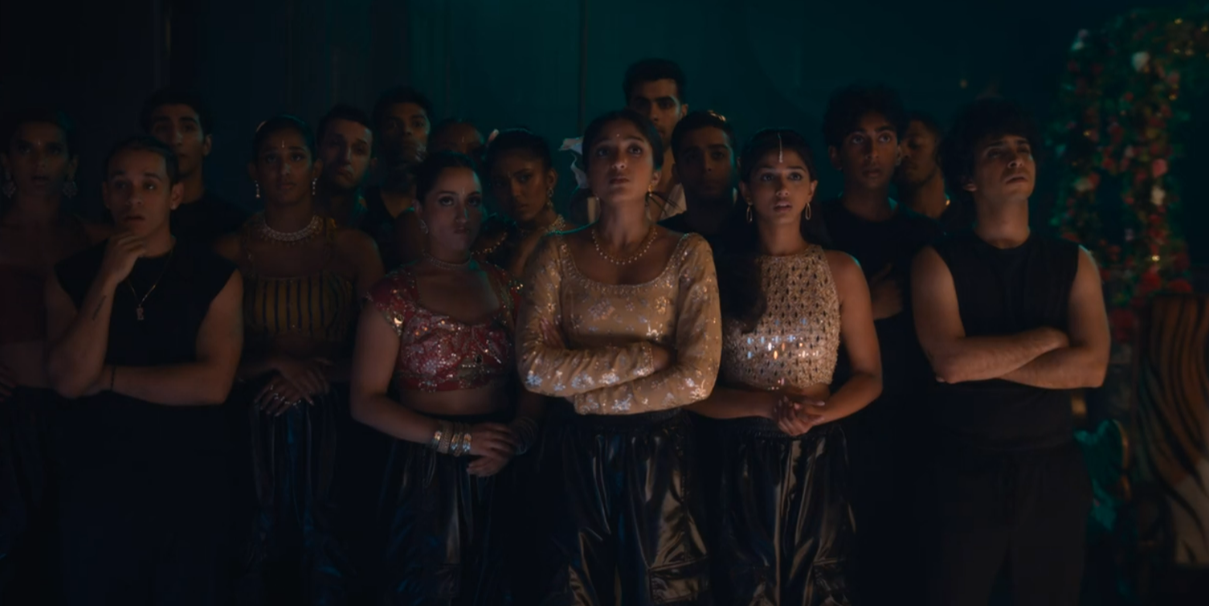
The first Best of the Best was held on April 2, 2005, at the Tribeca Performing Arts Center in New York City, and its structure and aesthetics clearly served as a reference for the movie’s creative team. Director Lena Khan also confirmed that the film’s title is a direct homage to the creators of the real-life competition. BOB wasn’t the only competition or organization that inspired the writers, either, as Minhaj also named Legends and Desi Dance Network (DDN) in the same vein.
Best of the Best Uses Dance as a Medium for its Emotional Storytelling
The story behind ‘Best of the Best’ actually started shortly after Hasan Minhaj and Prashanth Venkataramanujam wrapped up their iconic comedy series ‘Patriot Act.’ Describing it as a “grad school for doomscrolling,” they expressed a desire to create something more lighthearted and fun, while still retaining its South Asian cultural grounding. The duo had always talked about doing a college-based coming-of-age comedy, and when they began developing those ideas more seriously, the premise of a dance competition came naturally. While talking to Tudum, Venkataramanujam pointed out how dance teams bring together the familiar elements of “drama and cliques and gossip, and how intense it all felt at the time,” all of which make it into the film.

While ‘Best of the Best’ may not be a direct reimagination of the real dance competition of the same name, it nonetheless brings several timeless themes into its world. Minhaj identified sisterhood, friendship, and self-acceptance as highlights, and the movie addresses these themes with a heightened sense of maturity. Given its dynamic relationship with Bollywood, the Lena Khan directorial also draws from the same creative and emotional palette, using Bollywood’s iconic style, tropes, and dramatic beats as a springboard for its own take on “what it means to be seen,” per Venkataramanujam.
Read More: Is Smile 2 Based on a True Story or an Urban Legend?


You must be logged in to post a comment.