
 Suvechha Sarkar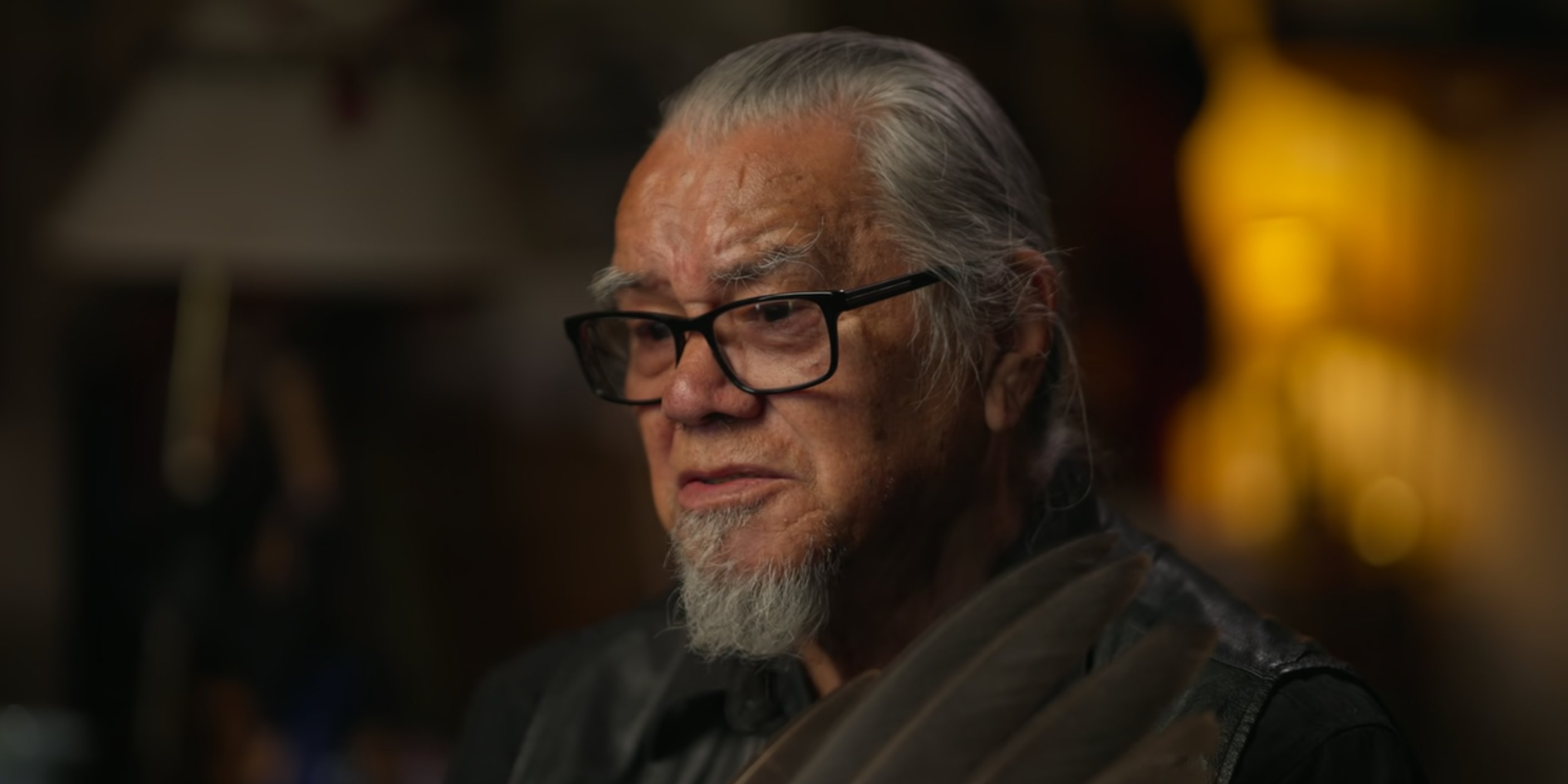
In the early 1970s, South Dakota experienced rising tensions between indigenous activists and the federal authorities. In June 1975, the tensions led to the murders of 28-year-old Jack Ross Coler and 27-year-old Ronald Arthur Williams, both of whom were FBI agents. During the investigation into the two agents’ deaths, officials focused on three suspects: Darrelle/Darrell Dean “Dino” Butler, Leonard Peltier, and Robert Eugene “Bob” Robideau. Netflix’s ‘Free Leonard Peltier’ examines their jury trials, during which Ronald and Dino were acquitted on the basis of self-defense, while Leonard was convicted of the murders. The documentary further features interviews with several members of the American Indian Movement (AIM), including Dino.
A Difficult Upbringing Shaped Darrelle “Dino” Butler’s Path to Activism
On April 8, 1942, Chester Butler and Polly Case Butler welcomed their son, Darrelle Dean Butler, into the world. Lovingly known as Dino, he was born in Portland, Oregon, and maintained an unbreakable bond with Robert Butler. Unfortunately, he and his brother experienced turbulent childhoods as they were raised in several logging camps around Siletz. According to one of his interviews, Dino had once wandered around 100 miles away from home and committed curfew violations, leading him to be sent to MacLaren Boys School at 13. He further revealed that between 1956 and 1970, he was arrested on several charges of assault and other related offenses that resulted in his incarceration.
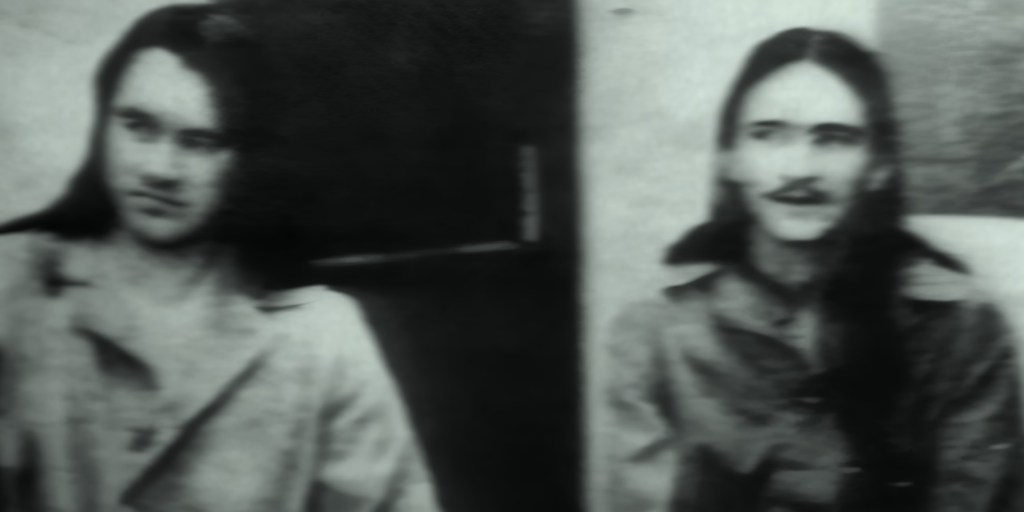
Dino gradually focused on advocating for the rights of indigenous people and his roots. Ultimately, he came across the American Indian Movement (AIM) and attended some of their ceremonies in 1974. Following that, he became a member of the organization. Eventually, he began advocating for the Indian people alongside Leonard Peltier and Robert Eugene Robideau, AKA Bob. By the early 1970s, tensions had risen between the elected tribal chairman and the Lakota traditionalists. As the situation worsened, the Federal authorities also became increasingly involved in the escalating tensions at the Pine Ridge Indian Reservation, South Dakota.
The 1975 Shootout Led to the Arrest of Darrelle Butler With Other AIM Members
On June 26, 1975, FBI special agents Ronald Arthur Williams and Jack Ross Coler arrived at the area to search for a person they needed to question on a separate case. However, they soon found themselves in an intense gunfight with the indigenous people in the area, which led to both of their deaths. Shortly after that same day, an AIM member named Joseph “Joe” Stuntz also passed away during the firefight after he was shot. Once the FBI began their investigation, they alleged Dino had taken away a handgun from Ronald while Robert R. took a .308-caliber gun from Jack after he passed away, as per the documents. Further reports suggest that they believed that Leonard fired the fatal shots at the two agents.
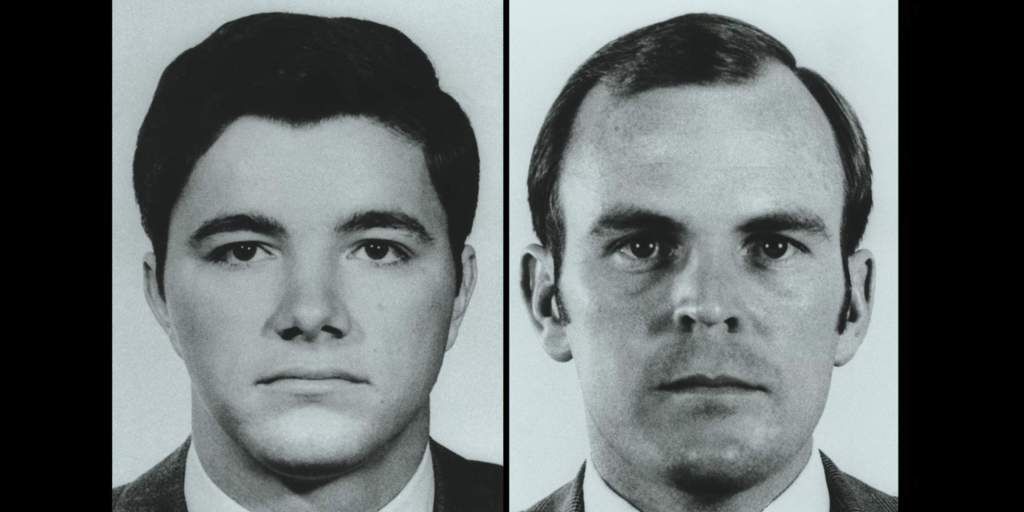
Officials then tracked down Dino on September 5, 1975, and he was arrested after they found ammunition and one of Ronald’s handguns nearby. Five days later, Robert R. was arrested after he and some of the other AIM members were traveling in a car with ammunition, and the ammunition accidentally exploded on a highway in Kansas. Officials reported finding a destroyed firearm inside that was later linked to having been used in the two homicides. By November 1975, Dino, Robert R., and Leonard were officially charged with two counts of first-degree murder. At the time, Leonard was declared a fugitive by the FBI, but was later arrested in Hinton, Alberta, in February 1976. By December of that year, he was extradited to South Dakota.
Darrelle Butler is Leading a Happy and Fulfilled Life With His Family
Dino and Robert R. faced a joint jury trial that commenced on June 7, 1976, in a Federal Court in Cedar Rapids, Iowa. During the trial, the prosecution alleged that they were active participants in the double homicide of Ronald and Jack. On the contrary, the defense argued that both defendants acted in self-defense, believing their lives were in danger. Furthermore, they introduced evidence accusing the FBI of misconduct. Ultimately, on July 16, 1976, the jury acquitted Dino and Robert R. of the charges against them and released them from prison. Leonard’s jury trial began in March 1977, and he was later convicted on both counts. Three months later, he was sentenced to two consecutive life terms in federal prison.
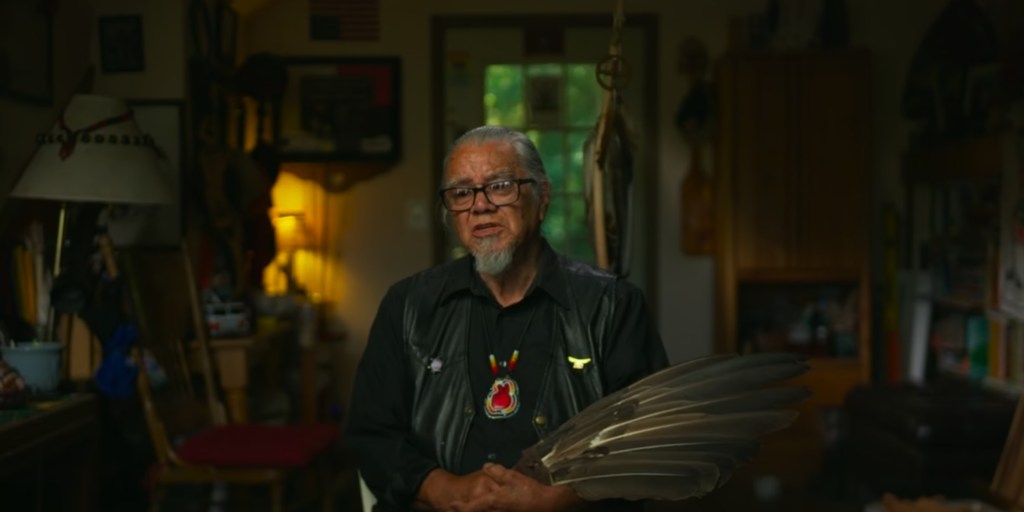
Following his release, Dino continued to be vocal for the rights of the indigenous people. He also became an active member of the International Leonard Peltier Defense Committee, advocating for Leonard’s release, claiming he received an unfair trial. Dino eventually rejoiced when Leonard’s remaining life sentence was finally commuted to home confinement in North Dakota. It was further highlighted when Dino visited the screening of ‘Free Leonard Peltier’ in September 2026. In his personal life, he shared that he had been in several relationships, which resulted in the birth of his two daughters and four sons, including his youngest sons, Buddha/Budda and Che Butler.
Dino had found everlasting love when he first met Juantia Whitebear. As time passed by and their connection bloomed, they tied the knot, surrounded by their family and friends. It was during this marriage that he welcomed his sons, Buddha and Che. In one of his interviews, Dino shared that he never had a proper relationship with any of his children, but he has gradually grown close to his two youngest sons. While speaking about them, he stated, “These two boys that I have with me now teach me a lot of things. Like I have come to the understanding that our ancestors and our children are united.” As of writing, Dino cherishes every moment he spends in the precious company of his wife and children.
Read More: Somporn “Aunt Taen” Lappho: Where is the Acquitted Individual Now?


You must be logged in to post a comment.