
 Aahana Swrup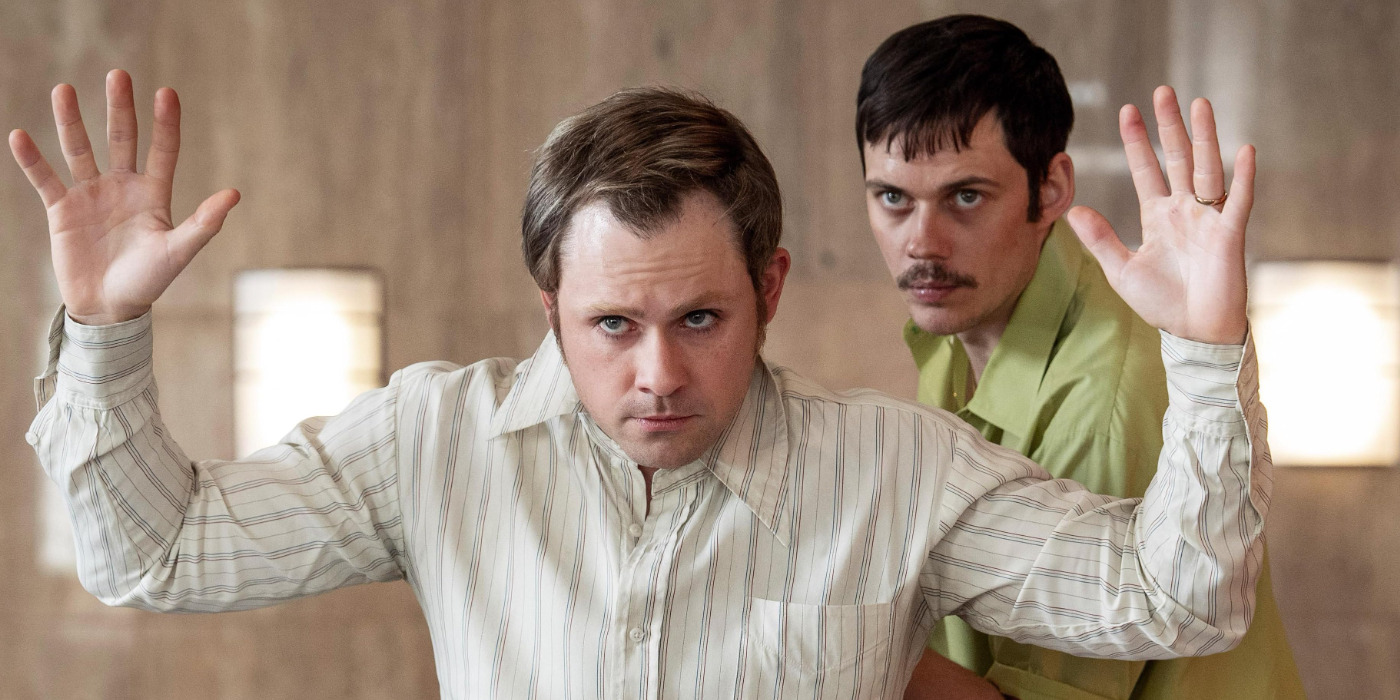
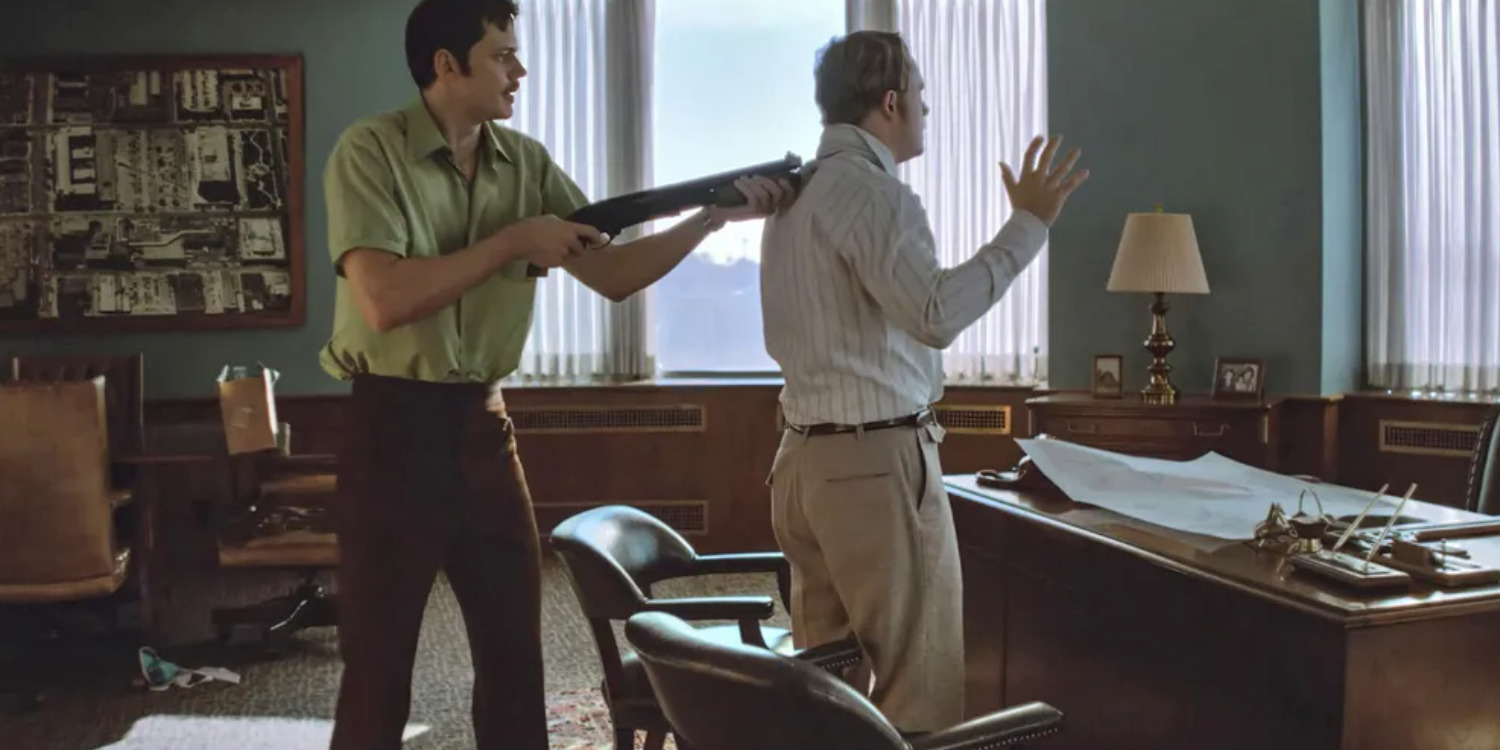
A Gus Van Sant directorial, ‘Dead Man’s Wire’ charts the story of a tense hostage situation in which one man’s life hangs in the balance by a precarious wire noosed around his neck. In February 1977, Tony Kiritsis, a working-class man in Indianapolis, walks into the Meridian Mortgage Company office and walks out with an executive, Richard “Dick” Hall, as his hostage. Tony holds the other man at gunpoint with a sawed-off shotgun rigged with a wire that is looped around his victim’s neck to create a “dead man’s switch.”
Any attempts to physically rescue Richard or take down Tony will guarantee that the shotgun will go off, taking down the hostage. As a result, the kidnapper is able to take Richard back to his apartment, where he holds him hostage for several days, making his demands to an otherwise helpless police force. In all this chaos, radio host, DJ Fred Temple, remains one of the only points of communication to which Tony willingly subscribes. Despite its cinematic appeal, the story of Tony Kiritsis and Richard Hall remains rooted in actual historical accounts.
Tony Kiritsis Took Richard Hall Hostage on February 8, 1977
Anthony George “Tony” Kiritsis was a former army veteran who lived in Indianapolis, Indiana. He had experience in a number of fields professionally, including being a lathe operator, trailer court manager, car salesman, and eventually a real estate developer. Three years before the events of the hostage situation, Kiritsis took out a loan from Meridian Mortgage and purchased a 17-acre property in the city’s west side. He wanted to develop a shopping center on the land, but couldn’t secure any deals with investors or developers. As a result, he began accusing the mortgage company and its President, M.L. Hall, of sabotaging his project. The mortgage, coming out to $130,000, was due on March 1, 1997.
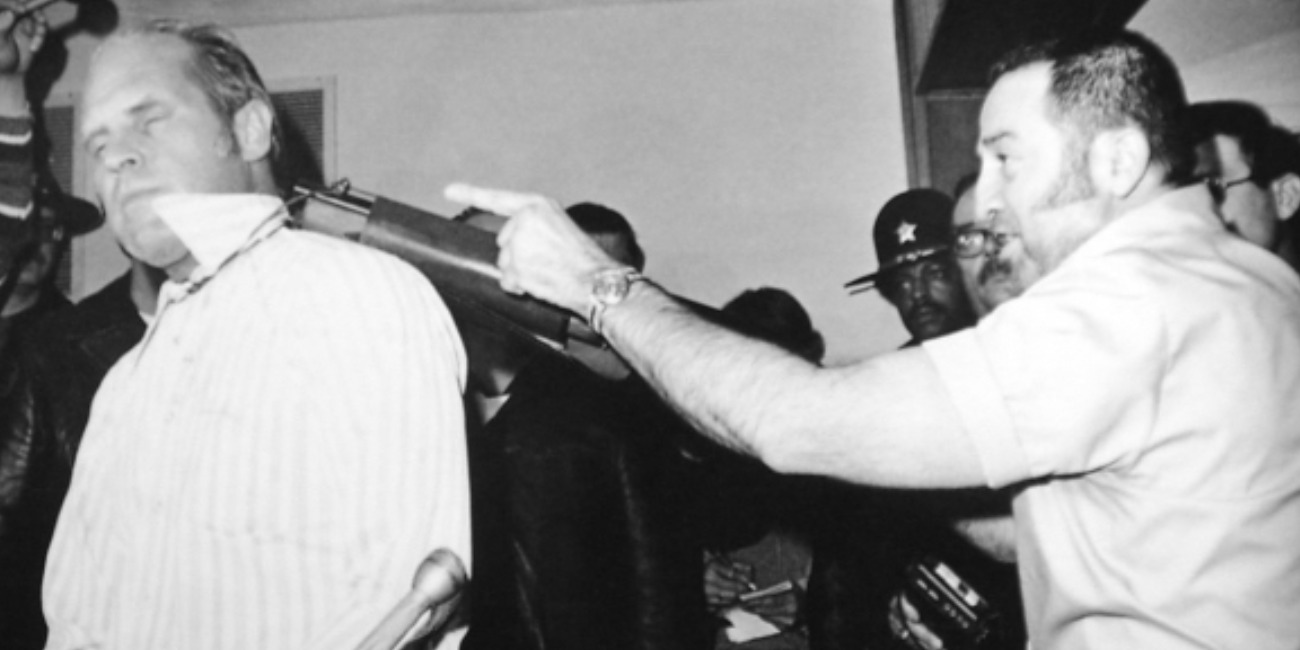
A few days prior, on February 8, 1977, Kiritsis walked into the Meridian Mortgage company, looking for Hall. When he found out that the President was on vacation, he shifted targets to his son, the mortgage broker, Richard O. Hall. In a suit box and an arm sling, he was hiding a sawed-off, double-barreled shotgun and a steel wire, which he proceeded to use to create a dead man’s line. The wire connected the barrel of the gun to the trigger, with Hall’s neck looped in between. Thus, the shotgun promised to go off if the perpetrator and his hostage were forcibly separated from the delicate tension of the contraption. Once Kiritsis had the mortgage broker secured as his hostage, he walked out of the building with Hall at his mercy.
Tony Kiritsis Made His Demands to the Authorities and Held Richard Hall Captive For Three Days
After taking Richard Hall hostage from the Meridian Mortgage office, Tony Kiritsis paraded his victim around downtown, attracting attention from the police and journalists. Eventually, he commandeered a police car, forcing the mortgage broker in the driver’s seat, and making him drive to the Crestwood Village apartment, where the kidnapper lived. In the apartment, which he claimed to be rigged up with explosives, Kiritsis held his victim hostage for three whole days. Meanwhile, police officials and a swarm of journalists collected outside the evacuated apartment complex. Reportedly, behavioral analysis experts from the FBI even joined the authorities on the scene.
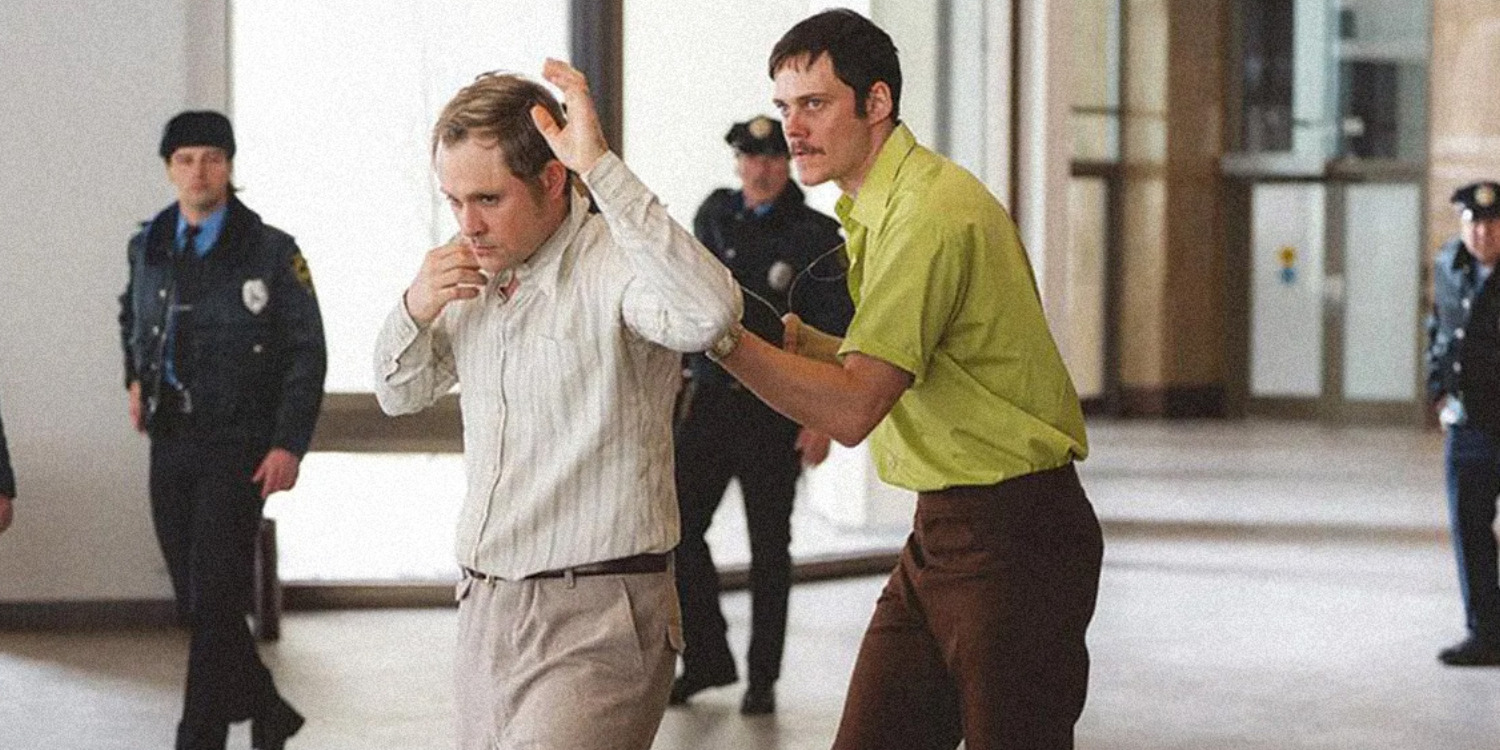
As a captive, Hall was allowed a phone call to the authorities and his family to confirm his well-being. Other than that, the kidnapper made his demands for the release of his hostage. Kiritsis wanted an apology from Meridian Mortgage for allegedly sabotaging his shopping center venture. Moreover, he wanted $5 million in compensation, along with an official promise that no prosecution would follow at the state, federal, or civil level. The incident attracted media attention from the start, and this didn’t dwindle during Hall’s entrapment at Crestwood Village. In fact, the news went from garnering local attention to becoming a national-level story. However, the kidnapper, who was tuning in to these on-air coverages, quickly grew irate over the perceived inaccuracy of the media’s coverage.
Tony Kiritsis Agreed to Talk to Local Newsman Fred Heckman
In response to the news coverage, which Kiritsis found inaccurate, he reached out to Fred Heckman, the Director and newsman at WIBC Radio News, who had been dubbed the “most trusted newsman in Indianapolis.” In order to express that he was genuine about helping, the newsman aired his taped conversation with the kidnapper on his radio show and shared researched background on the situation. However, behind the scenes, Heckman was collaborating with the authorities, and his connection with Kiritsis was being used as a negotiation tactic to facilitate the release of the hostage. Meanwhile, the authorities also played along with the kidnapper’s demands to ensure Hall’s safety.
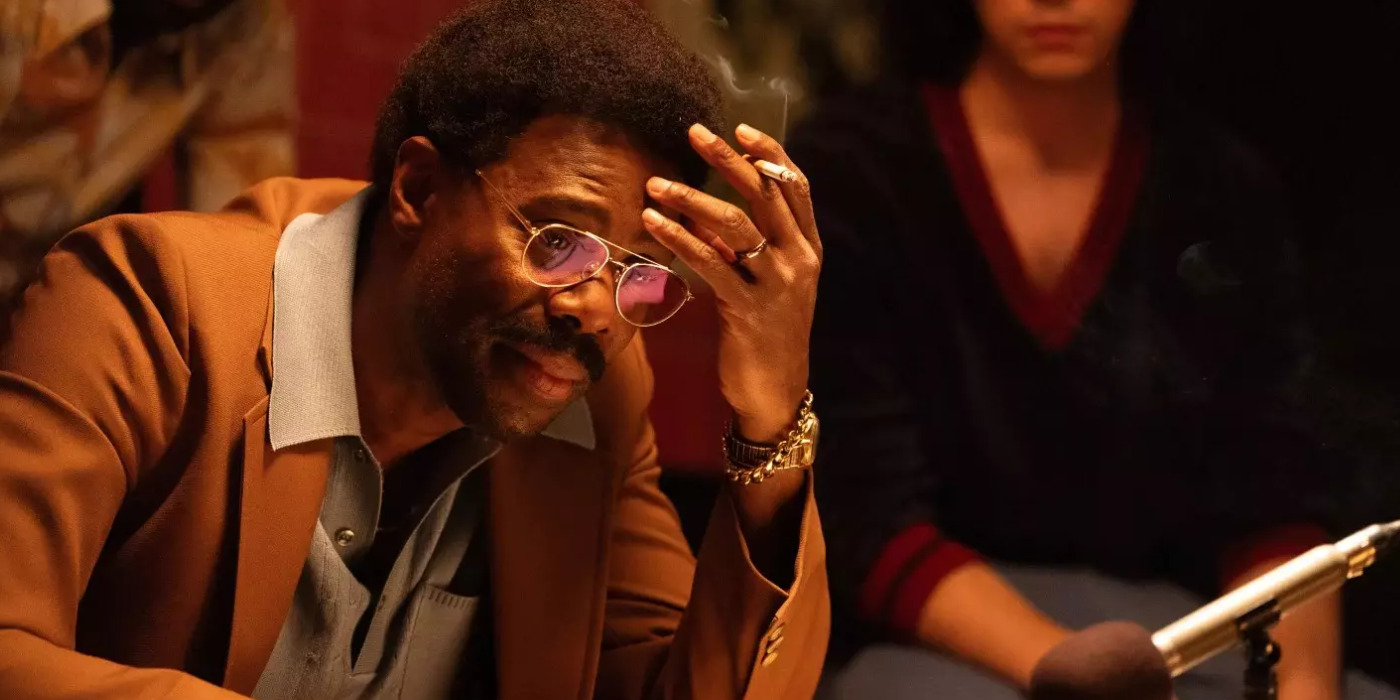
Eventually, the authorities agreed to offer Kiritsis legal immunity, and Meridian even issued an official apology, despite the higher-ups maintaining that they weren’t at fault. In the aftermath, on February 10, the kidnapper came out of his apartment with the hostage, demanding that he be allowed to make a speech. What followed was a 23-minute monologue, in which Kiritsis spoke about the alleged wrongs he had faced at the hands of the Meridian Mortgage. Afterward, as per the agreement, the perpetrator finally let Hall go inside an office with multiple police officers. Once the hostage was released, Kiritsis reportedly fired his shotgun once in the air to prove that his contraption really did work.
Tony Kiritsis Was Arrested But Ultimately Found Not Guilty
Once Tony Kiritsis let Robert Hall go, the authorities went back on their end of the negotiation and swiftly arrested the kidnapper. Charges were made against the latter of kidnapping, armed extortion, and armed robbery. However, during the court trial, the verdict ultimately came out with Kiritsis as not guilty by reason of insanity. In the aftermath, Kiritsis spent 11 years of his life in the psychiatric ward. After his release in 1988, he reportedly struggled with finding housing and car insurance and lived mostly off his military pension. He died in Indianapolis on January 28, 2005. After his death, Hall published a book, ‘Kiritsis and Me: Enduring 63 Hours at Gunpoint’ in 2017.
Furthermore, the Indiana legislators also passed the Kiritsis Law after the namesake’s initial verdict, enabling verdicts of “guilty but mentally ill” and “not responsible by reason of insanity.” In the years that followed, the story has been covered multiple times through multiple media. ‘Dead Man’s Wire’ aims to bring the same story to the screen while remaining authentic to the historical accounts of the crime. Even so, while much of Kiritsis and Hall’s reality directly inspires their on-screen counterparts, the film also indulges in the occasional fictionalization for the accompanying cast of characters. Still, the film ultimately remains true to reality.
Read More: Is Linda Page Based on a Real TV Reporter? Is Indianapolis News Now 12 a Real News Station?


You must be logged in to post a comment.