
 Diksha Sundriyal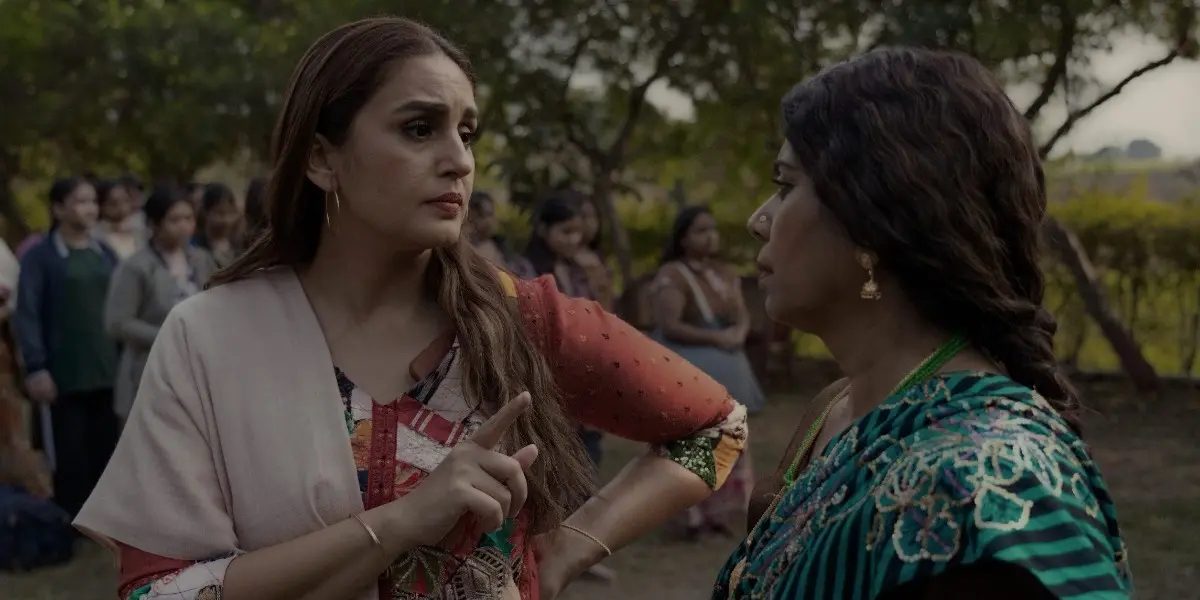
Netflix’s ‘Delhi Crime’ Season 3 takes the audience into the world of human trafficking as the Delhi police, led by DGI Vartika Chaturvedi, tries to apprehend the people operating behind the scenes. The case begins on two fronts. On one side, there is a truck full of young women who are caught in a trafficking ring and need to be rescued before they are lost forever. On the other side, there is a two-year-old named Baby Noor, who is brought into the hospital with severe injuries. Soon, it is revealed that both cases are connected, and all roads of the investigation lead to a woman known as Badi Didi and her right-hand man, Vijay. They are portrayed as fierce antagonists to Vartika’s team, but unlike the DGI, they are not based on real-life people.
The Fictional Badi Didi and Vijay Personify Evil in Delhi Crime Season 3
The third season of ‘Delhi Crime’ follows the true story of Baby Falak and the human trafficking ring that was exposed in the course of the investigation by the Delhi police. The season relies on facts to build a compelling narrative, but at the same time, some fictional elements have been added to give the story a better structure. This includes the characters of Badi Didi, aka Meena (Huma Qureshi), and her right-hand man, Vijay (Sano Di Nesh). In real life, around ten people were arrested in connection with the case that unravelled after a heavily injured Baby Falak was brought to AIIMS Trauma Center by a teenager claiming to be her mother.
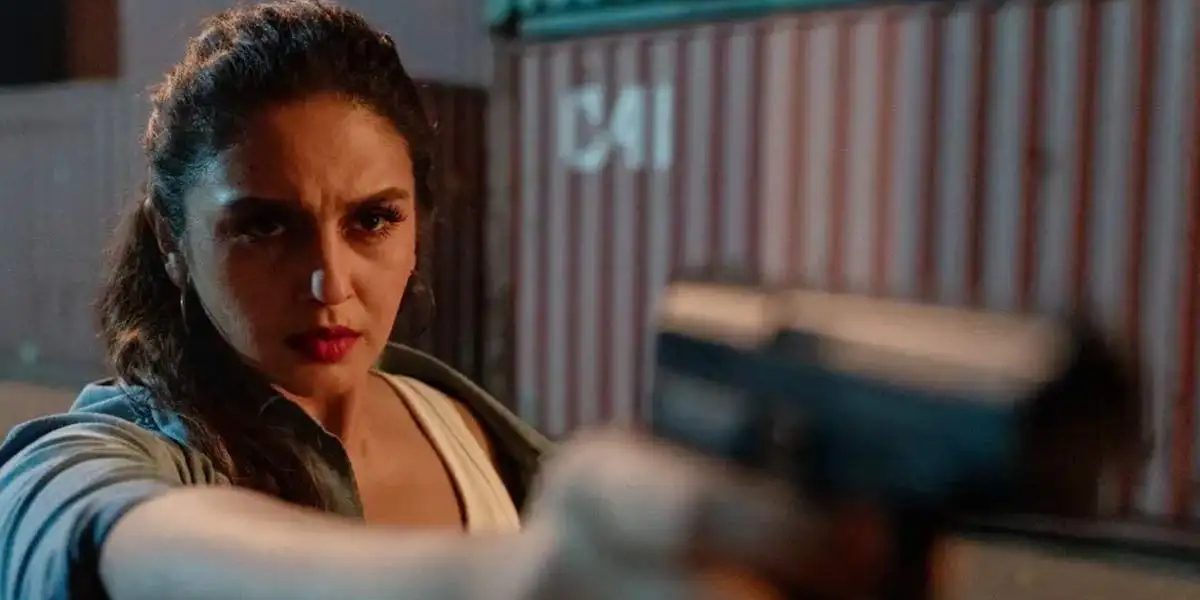
Later, it turned out that the young girl was a victim of trafficking, much like Baby Falak’s real mother. The names of two couples popped up during the investigation. One was Manoj and his wife, Pratima, from Patna, who were revealed to be the ones who handed Baby Falak to the teenager and a man named Rajkumar. The other couple was named Sandeep and Pooja Pandey, who were revealed to be the ones who pushed the teenager into sex work. The duo of Meena and Vijay reflects the work of these people, though the characters are not directly inspired by anyone in particular.
The reason the show’s creators wanted to focus on their storyline, parallel to Vartika and her team’s, is that they wanted to present the world from the perspective of the criminals. The show’s producer, Apoorva Bakshi, told The Hollywood Reporter India that they “intentionally opted for this grammar without dulling the intensity and seriousness of the crimes.” She added, “If the cops are dealing with their jobs and the system, the criminals are also grappling with their circumstances and the world they come from. Delhi Crime sits at that fascinating confluence between crime and society.”
Huma Qureshi Slipped Into the Darkness of Badi Didi
Calling Badi Didi, aka Meena, “the worst character” she has played, which she meant in the best way possible, Huma Qureshi revealed that the prospect of taking over the role excited her. When she was approached by producer Apoorva Bakshi and director Tanuj Chopra, she initially thought she would be asked to play a cop. However, she was told that the role was the character who would be “a worthy adversary to Madam Sir [Vartika Chaturvedi].” Qureshi saw it as playing Joker to Shefali Shah’s Batman, and jumped at the opportunity. As soon as she came on board, she tried to get all the information she could about her character’s work. “I had so many questions about trafficking. How does it happen? What’s the nexus like? What are the modes of transport?” she said.
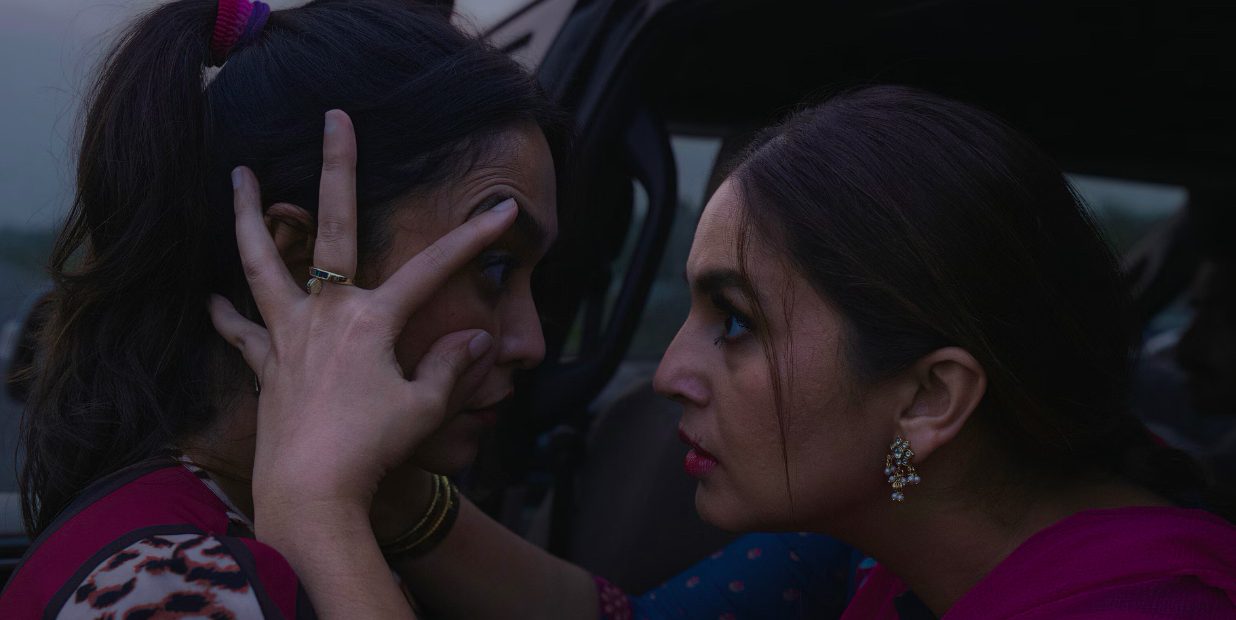
At the same time, she knew she couldn’t be bogged down by research, and at the end of the day, had to present her own take on the character. Since Meena is revealed to be a resident of Rohtak, Haryana, Qureshi adopted a Haryanvi accent. She knew that the correct accent would add authenticity to the character, so she worked with accent coach Sandeep Goyat, who helped her understand the importance of certain phrases and idioms. The actress revealed that the original script was a mix of Hindi and English, so, in playing Meena, she also worked to adapt the dialogues to what would feel more natural for her character. At the same time, Qureshi also leaned into the physical aspect of the role. She revealed that she came up with the idea of giving Meena a scar on the lip as a way of representing the violence that has surrounded her whole life.
The scar was not explained in the show because it is more representative of Meena’s history and character, rather than adding something to the plot. The actress also put a lot of thought into how Meena would dress and speak, considering that she considers herself “just another businesswoman.” The actress called Meena’s approach towards her work “clinical,” which “makes her even more menacing.” Through this, she found a way to understand and empathise with the role and present her in a way that “holds a mirror to the society.” Qureshi said that though taking on the character was challenging, it was also fun and she enjoyed the process of figuring out Meena and bringing her to the screen. She called being a part of ‘Delhi Crime’ an honor and hoped that her portrayal of the villain and her unforgiving criminal world would shine a light on the subject of human trafficking and child abuse.
Read More: Delhi Crime Season 3 Ending Explained: Are Meena and Vijay Dead?


You must be logged in to post a comment.