
 Shivangi Sinha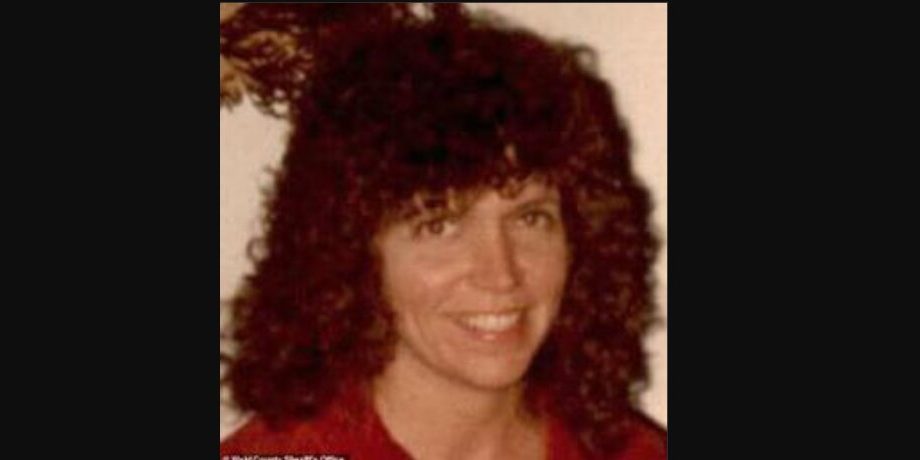
In June 1979, Evelyn “Kay” Day left work as usual but never returned to her home in Greeley, Colorado. Concern grew the following day when she failed to report to her second job. Her husband, Chuck Day, then decided to contact the police. Within hours, Kay’s coworkers discovered her vehicle, and her remains were found inside. Investigators quickly turned their attention to Chuck, making him an early focus as they searched for answers. However, the case remained unresolved for years before advances in forensic science ultimately revealed the identity of the true killer. ID’s ‘On the Case with Paula Zahn: Elusive Justice’ explores the murder and the lengthy investigation that finally brought the case to a close.
Evelyn Kay Day’s Remains Were Found in Her Car by Her Coworkers
Evelyn Day AKA Kay was born on April 4, 1950, to Jerry Jones and Eleanor Doris Adkinson Jones. She grew up in Rangely, Colorado, and graduated from Meeker High School in 1968. Kay was always someone with a quiet demeanor and exuded that kind of serenity to those she met. She also possessed a natural talent for music and taught herself to play the piano as she grew up. In time, she married Chuck Day, and the couple built a life together in Greeley, Colorado. Their family grew with the arrival of two sons, bringing them happiness and a lively home life.
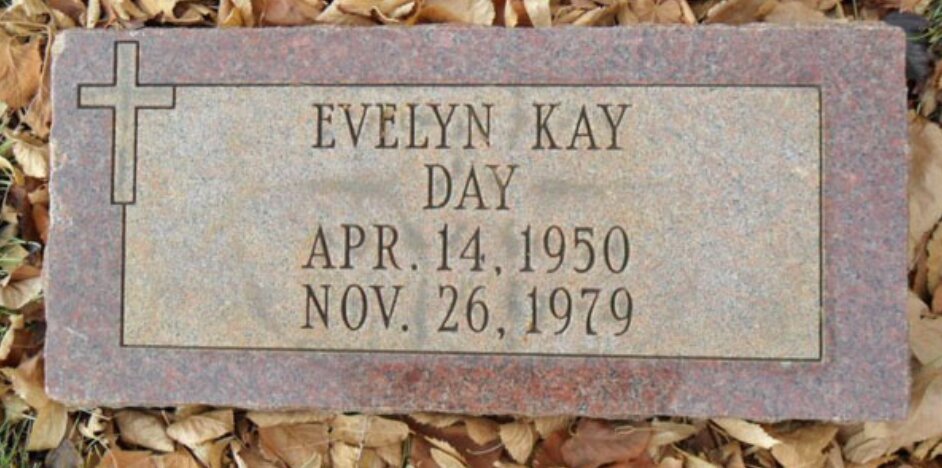
Kay and Chuck worked hard to support their family. Kay balanced multiple jobs, working as a lab monitor at Aims Community College while also pursuing a career in real estate. On November 26, 1979, she was last seen leaving the college at around 10 pm, but she never returned home. The following morning, Chuck noticed what he believed was an impression on her pillow and thought she might have briefly come home while he was asleep before leaving again. Around 1 pm, he received a call from the real estate office informing him that Kay had failed to show up for a scheduled appointment with a client. Realizing that something was wrong, Chuck immediately contacted the police and reported her missing.
At around 5:30 pm on November 27, 1979, two of Kay’s coworkers spotted her car parked on the eastbound shoulder of the 5700 block of 20th Street, roughly three blocks from the college where she worked. The vehicle was positioned behind another parked car, which caught their attention. When they looked inside, they found Kay lying face down in the back seat and immediately realized something was terribly wrong. Police were called to the scene, and upon arrival, they pronounced her dead. Investigators determined that Kay had been physically and sexually assaulted before being strangled. The belt from the coat she had been wearing was used to take her life.
Evelyn Kay Day’s Killer Had Many Prior Records and Arrests
The police initially focused their investigation on Chuck Day, largely because several hours had passed before Kay was reported missing. Detectives brought him in for questioning and closely examined his relationship with his wife. They asked about alleged extramarital affairs, a life insurance policy in Kay’s name, and reports from relatives that the couple had been experiencing marital difficulties. Chuck consistently denied any involvement in her death and maintained his innocence throughout the investigation. He also underwent a polygraph examination, which he reportedly passed. With no evidence directly linking him to the crime, investigators were unable to pursue charges. Not long afterward, Chuck moved to another town with his two sons and eventually remarried. Even as the case grew cold, he remained a person of interest for many years.
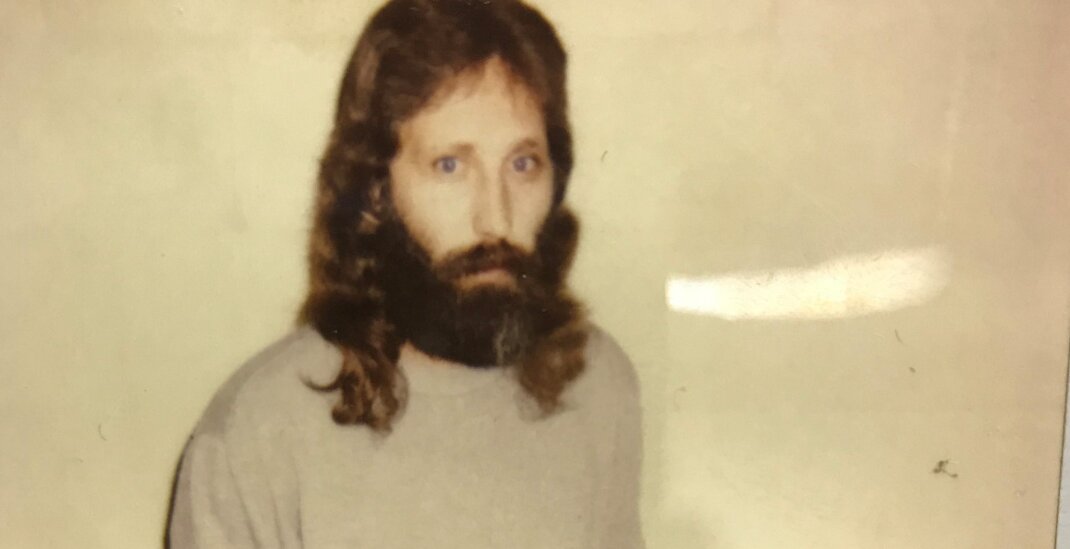
In 2011, advances in DNA technology allowed investigators to reexamine the biological evidence collected in Kay Day’s case. Detectives compared the DNA profile to Chuck’s, and the results conclusively excluded him as a suspect. The long-awaited breakthrough came in 2020 when the Cold Case Unit revisited the investigation. Detectives discovered that evidence from Kay’s sexual assault examination contained an unidentified male DNA profile. When the sample was entered into CODIS, it matched James Herman Dye. Investigators learned that Dye had a criminal history that included many sexual assault offenses, arrests and a 1999 conviction for OVI and vehicular assault, for which he served 18 months in prison before his release in 2001.
Investigators believe that in 1979, Dye was a student at Aims Community College and had been waiting in the parking lot when Kay finished work. According to the prosecution’s theory, he attacked and sexually assaulted her before forcing her back into her vehicle. Detectives alleged that after the assault, he instructed Kay to put her clothes back on and then killed her to prevent her from identifying him to authorities. In March 2021, investigators traveled to Wichita, Kansas, where Dye was living, and initially approached him as a potential witness. During the interview, he denied knowing Kay or having any connection to the case. Soon afterward, he was arrested and charged with two counts of first-degree murder: one count of murder after deliberation and one count of felony murder.
James Dye is Likely Living as a Free Man Today
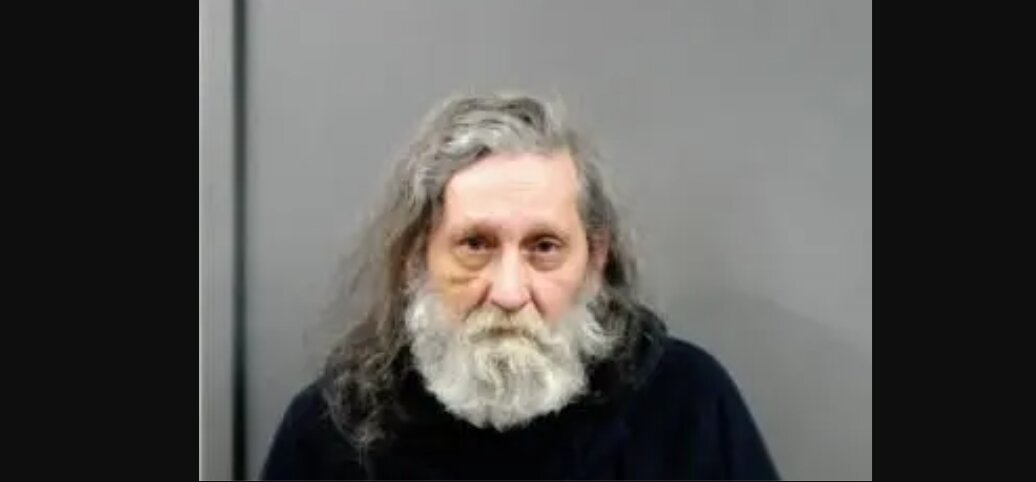
Just before James Dye’s trial was set to begin, a Colorado Bureau of Investigation DNA analyst who had performed the testing that linked Dye to the case came under scrutiny and was found to have failed to follow proper laboratory procedures in many cases. As a result, the evidence in Dye’s case had to be reviewed and reexamined. In November 2024, before the case could proceed to trial, Dye entered a no-contest plea to one count of felony manslaughter, while the remaining charges against him were dismissed. He was sentenced to 977 days in custody but received credit for the time he had already served since his 2021 arrest and was released shortly afterward. Since then, he has largely stayed out of the public spotlight and is believed to be living as a free man.
Read More: Jackie Johns Murder: Where is Gerald Carnahan Now?


You must be logged in to post a comment.