
 Abhiroop Das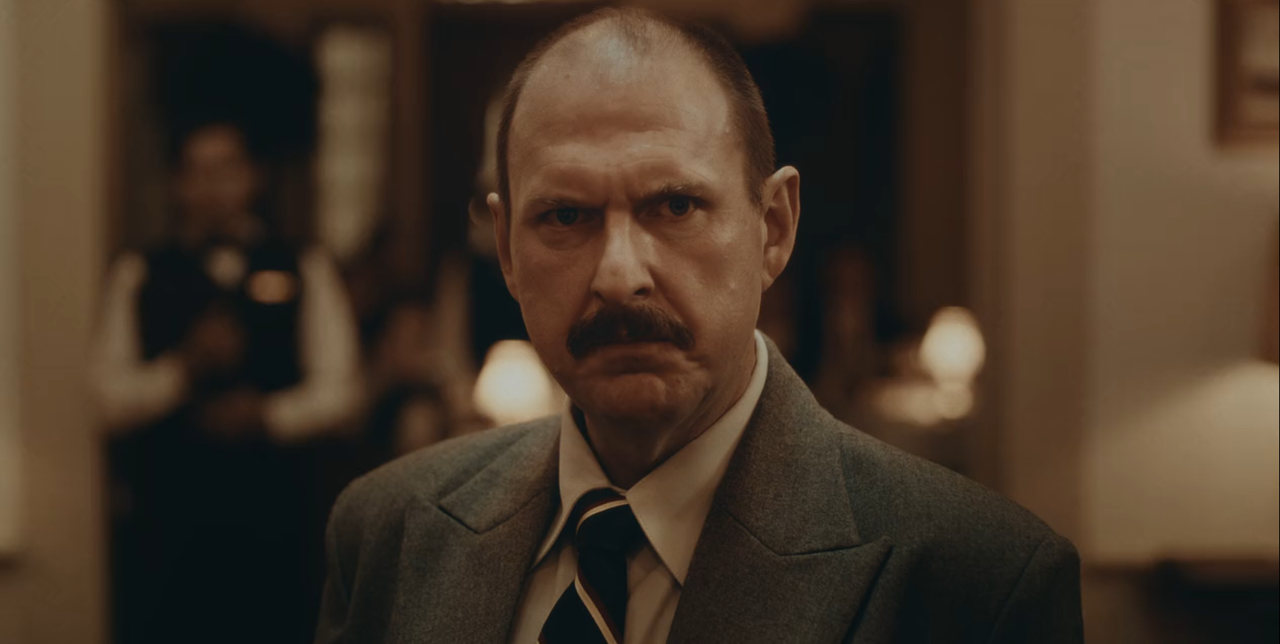
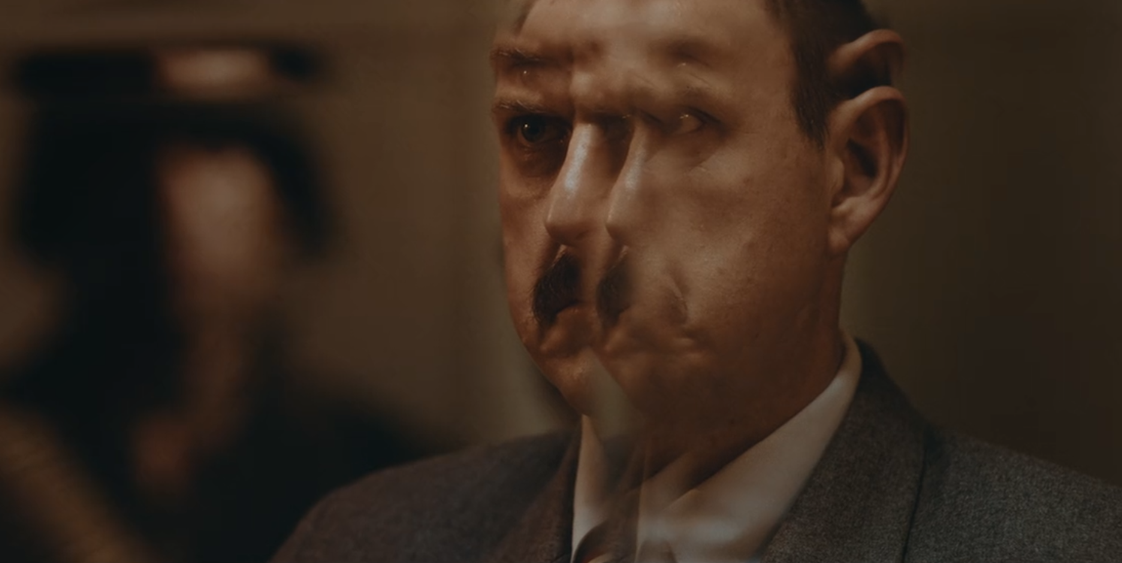
Helmed by Carlos Moreno and Claudia Pedraza, Netflix’s ‘Fugue State 1986,’ originally titled ‘Estado de fuga 1986,’ tells the story of Jeremías Salgado, a Vietnam War veteran who now lives in Bogotá, teaching and studying English. However, his life isn’t exactly ordinary, and its absurdities are brought to the surface when he befriends Camilo León, a fellow student by day and aspiring writer by night. As the two develop a passion for reimagining and pretend-solving cold cases, the darker edges in both their psyches begin to manifest in increasingly real ways. Things come to a head when Jeremías walks into a restaurant one day, only to open fire and massacre dozens of people in cold blood. Worse, León seemingly has no memory of that fateful day and is unsure whether he played in the bloodshed.
As the narrative fragments and frantically goes back and forth in time, León finds himself untying the knots of who Jeremías really is. This Spanish psychological crime drama series approaches the makings of a tragedy both from the perspectives of the perpetrator and the victims. To that end, it also empties the nightmarish contents of Jeremías’ subconscious, tracking his transformation into one of history’s most infamous mass murderers.
Fugue State 1986 Heavily Dramatizes a Real-Life Massacre That Shook the World
‘Fugue State 1986’ is a reimagination of the horrific Pozzetto massacre, carried out by a man named Campo Elías Delgado on December 4, 1986, in Bogotá, Colombia. Over the course of one night, Delgado, aged 52, took the lives of 29 people and injured 11 others across three locations before being shot dead by the police. The show, penned by writers Alejandro Convers, Antonina Kerguelen, Felipe Useche, and Ana María Parra, presents a fictionalized account of this tragedy, with a particular focus on Delgado’s psychological profile. Ana María explained during a panel in Bogotá that the show distances itself significantly from other works about the massacre because it fictionalizes historical facts backwards. Accordingly, the series shows a dramatized version of the narrative through the eyes of a student and budding writer, León.
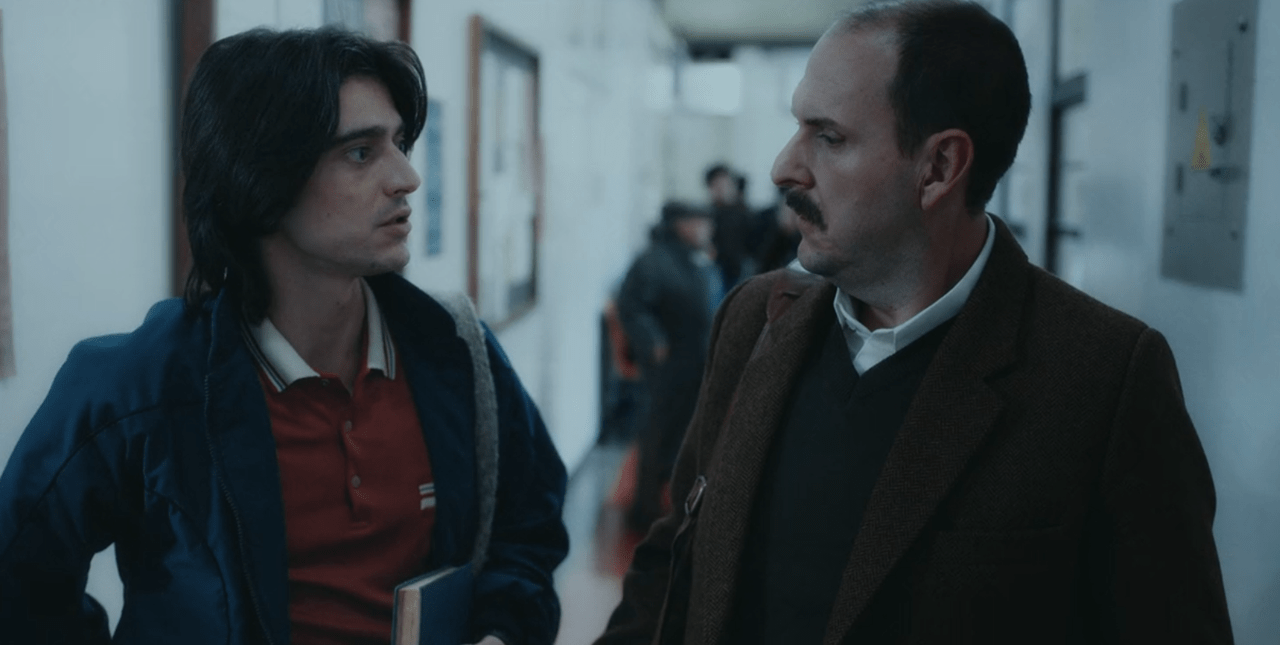
Notably, Mario Mendoza, the executive producer of the series, claims that he knew Delgado in real life, which likely shaped his approach to the show. Mendoza is also a writer, with one of his books, ‘Satanás,’ reconstructing three stories centered on the Pozzetto tragedy. One of these parallel narratives is that of Delgado, which Mendoza dramatized to a great extent. The same pattern is visible in the Netflix series, where real-life details from the true story serve as a reference point for crafted constructs. To begin with, the character representing Delgado in the series is named Jeremías Salgado, and the name of the restaurant is similarly changed from Pozzetto to San Marzino. Moreover, the show adds a lot of fictional characters, arcs, and plot beats to flesh out the narrative further. Still, the base layer underneath all these creative additions is that of Delgado’s life and crimes.
Campo Elías Delgado’s Claim of Being a Vietnam War Veteran Has Been Contested
Campo Elías Delgado Morales was born on May 14, 1934, to Campo Elías Delgado (Sr.) and Rita Elisa Morales. While his official birth certificate and notary registry show his birthplace as Durania, which is located in Colombia’s Norte de Santander department, his US passport instead lists Chinácota, his mother’s hometown. This discrepancy led to widespread confusion and speculation about Delgado, a pattern that has held true for several other details of his life. The family reportedly relocated from Durania to Bucaramanga after Delgado’s father accidentally ordered the felling of a historic tree, which led to public backlash. Two years later, Delgado’s father allegedly had a nervous breakdown at a cemetery and proceeded to take his own life in front of his son, psychologically scarring him for life.
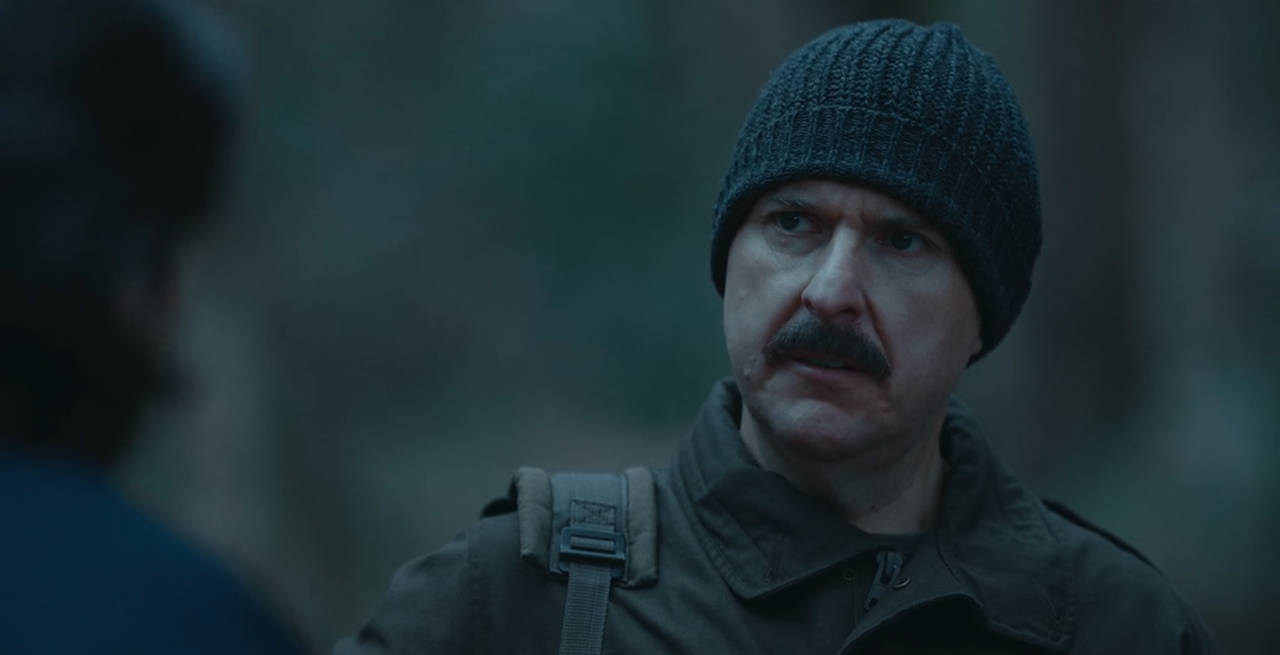
Delgado’s relationship with his family soured over time, and following his graduation, he moved out to Pamplona to attend San José Provincial School, before enlisting in the Colombian Navy sometime after 1956. Following his training as a medic in the military, Delgado moved to Argentina, where he married and had two children. Later, between 1975 and 1978, he worked with the US Army, as recorded in the homeland’s national archives. However, a pointed discrepancy in Delgado’s account of his military career is his claim of serving in the Vietnam War. Delgado’s relatives alleged that during that war, he was an electronics engineer working closely with a parachute squadron in the air force.
Delgado’s relatives further claimed that he kept medals from the war in his bedroom, which is in line with Delgado’s self-identifying as a Vietnam War veteran. However, authorities were unable to find any records of Delgado ever serving in Vietnam, much less as an active combatant, as the war had ended four months before Delgado joined the US military. While staying in New York City, Delgado was reportedly shot in the chest during an altercation with a mugger, but lived. Following this, he moved back to Colombia and settled in Bogotá, where he taught private English lessons and took graduate studies in English literature at the Universidad Javeriana.
Delgado’s Murder Spree Began in His Apartment Building
A day before the Pozzetto massacre, Delgado reportedly closed his bank account and purchased a .32 caliber revolver, along with 500 rounds of ammunition, indicating a level of premeditation. On December 4, 1986, at approximately 2:00 pm, he entered the apartment of Nora Becerra, who was accompanied by her teenage daughter, Claudia Rincón, who was also a former English student of Delgado’s. He then stabbed both Nora and Claudia to death before returning to his apartment. Later that evening, around 5.30 pm, he murdered his mother, Rita Delgado, by stabbing her and then proceeded to wrap her body in a blanket and douse it in gasoline before setting it on fire.
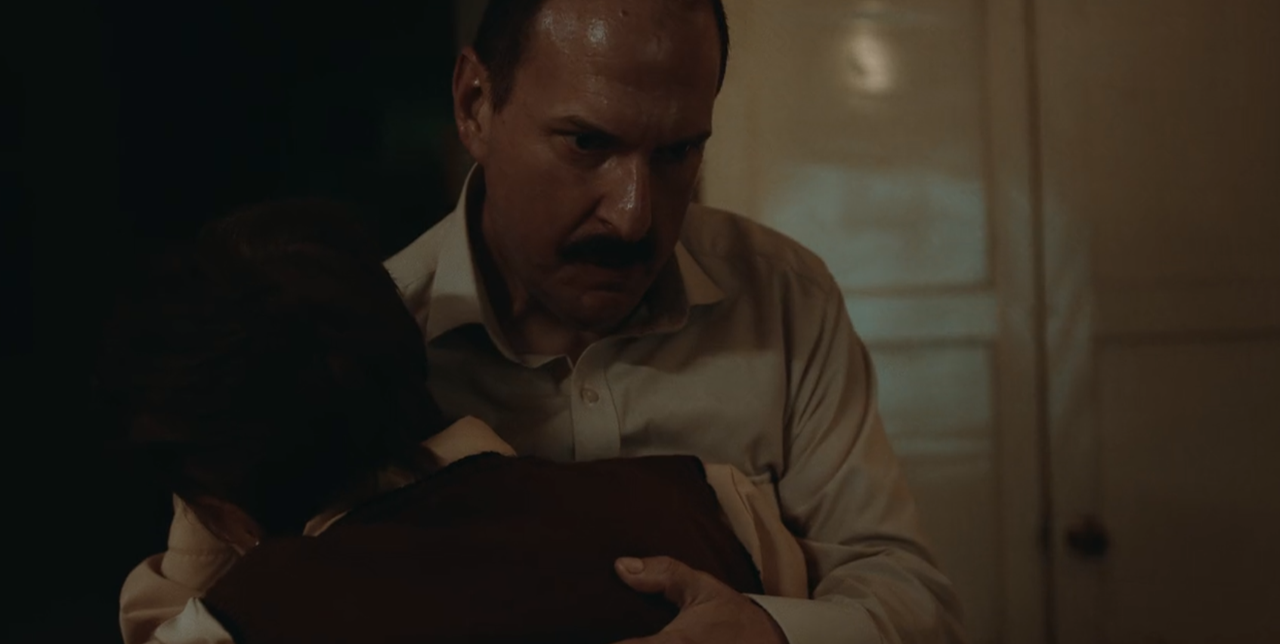
Using the fire hazard as a pretense, Delgado next targeted his downstairs neighbors, Inés Gordi Galat and Nelsy Patricia Cortés. After ringing their doorbell, he claimed that he needed to call the fire department for help, but instead shot and killed the two students the moment they opened the door. When their neighbour, Gloria Isabel Agudelo León, exited her apartment after hearing the noise, she was met with a similar fate. Delgado then headed down another floor and rang another apartment, housing four women, with the same excuse. While Mrs. Berta Gómez saved her life by jumping out of the apartment, students Matilde Rocío González, Mercedes Gamboa, and Claudia del Pilar Bermúdez Durán were all shot to death.
The Pozzetto Massacre is Still Surrounded by Mysteries
Shortly after 5.30 pm, Delgado exited his apartment and headed towards the Castro family, with whom he had been friends for years. According to the Castros, he was behaving unusually, repeating phrases and pacing throughout the house. Delgado allegedly told them that he had booked a one-way ticket and would soon be going on a trip to what he described as the other side. After making his exit from there, Delgado headed towards Restaurante Pozzetto, where he was a regular patron. Instead of sitting at his usual spot at table 5, Delgado sat at table 20, which has been speculated as him going for a wider view of the other diners.
According to eyewitness reports, Delgado took out his gun at approximately 9.15 pm, announcing that he was committing a robbery. However, instead of taking the diners’ money, he approached them individually, shooting them point-blank in the head. He repeated this process a total of 32 times, killing 13 people immediately, including a six-year-old child, whom he claimed to have shot accidentally. According to one restaurant employee, he had ammunition strapped to his waist and shot in every direction. During that time, the police surrounded the premises and shattered the windows to get a better view of the perpetrator. Within minutes of their arrival, the police began exchanging fire with Delgado, ultimately killing him with a shot to the temple.
Immediately after the shootout, fifteen injured people were brought to nearby hospitals and military medical centers, where an additional six people died in the next few hours. The following day, another person died from his injuries, bringing the total number of casualties to 29. In the extensive police investigations that followed, no connections between Delgado and any political, military, or criminal organization were found to be the driving force behind his murder spree. To this day, there is no clear consensus on his motive, and the whereabouts of his body remain unknown to the public. A number of these details are reimagined for ‘Fugue State 1986’, resulting in additional, fictional layers around the mass murder and Delgado’s psychological state during the crime.
Read More: Is War Room Based on a True Story? Are Elizabeth and Clara Based on Real People?


You must be logged in to post a comment.