
 Diksha Sundriyal
Netflix’s ‘Little House on the Prairie’ follows the Ingalls as they venture into the unknown to start a new life. The series begins with them packing up their things in Wisconsin and moving to Independence, Kansas. They have left their family and friends behind and ventured on this journey alone. Soon, however, they are reminded that they need a community to settle down and flourish in any place, especially in a town like Independence. This sage advice comes from a doctor named George Tann, who becomes an important part of the Ingalls’ story. His character is made even more impactful by the fact that he represents a real-life Black doctor who established himself as a highly respected figure in the community. SPOILERS AHEAD.
Dr. George Tann was a Real Pioneering Doctor
Dr. George Tann was a real doctor who lived a mile away from the real Ingalls family when they lived in Independence, Kansas. He is mentioned by Laura Ingalls Wilder in the third book in her ‘Little House’ series when he shows up to save the family from dying of malaria. He is also mentioned in the author’s memoir, ‘Pioneer Girl,’ in which Wilder reveals that he was the one who delivered her sister, Carrie. While Wilder’s book doesn’t go into more details about him, Dr. Tann lived a rather eventful life. He was born in 1825 to a free black family. While his education continued at home, he helped his father on their farm in Pennsylvania.
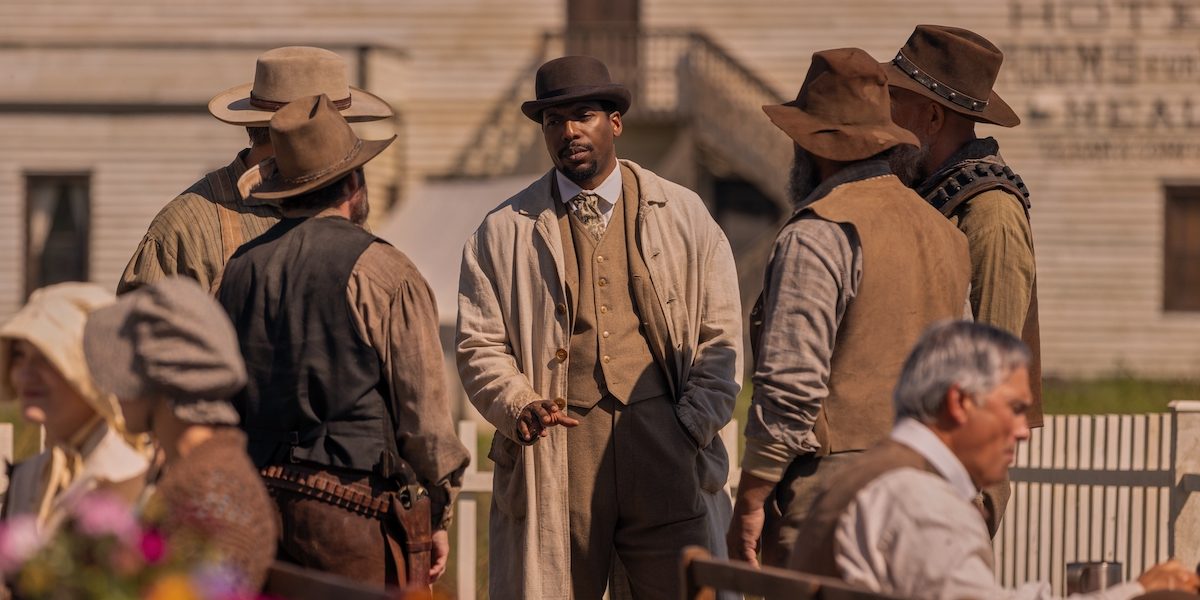
While he is not reported to have received formal education, he was highly informed about herbal remedies and was an expert in eclectic medicine. It is likely that he was self-taught, learning through practice, especially during the Civil War. Reportedly, he moved to Independence, Kansas, under the Homestead Act, where he and his father purchased a plot of land near where the Ingalls later set up camp. He was one of the few, if not the only, doctors around and treated all patients equally, whether white, Black, or Native American. He is also believed to have known multiple languages to better interact with his patients.
Unlike the Ingalls, who eventually moved to Minnesota, Dr. Tann remained in Independence for much longer. Reportedly, he received a significant amount of money from the mineral rights on the land he bought and used it to open a hospital. He is also reported to have practiced in the Oklahoma Cherokee Nation and is believed to have briefly homesteaded in South Dakota. Dr. Tann passed away in 1909 in his early 70s. He dedicated his life to his work, retiring only a few years before his death. According to the Kansas State Historical Society, he is laid to rest at Mt. Hope Cemetery in Independence, where he is remembered for his selfless and tireless work for the town and community.
Little House on the Prairie Presents a Fictionalised Version of Dr. Tann
While Dr. George Tann had a prominent career and a thriving life, his story is barely a part of the ‘Little Prairie’ books. He appears in only one chapter of the entire series, which meant the show’s writers had to do their own research to get to know the character better. Creator Rebecca Sonnenshine got Eileen Charbo’s ‘A Doctor Fetched by the Family Dog: The Story of Dr. George A. Tann, Pioneer Black Physician’ to gain in-depth knowledge about him. She and her team of writers also relied on other historical documents to better understand the character, who has an expanded role in the show. While they found enough information about him, there were still gaps, such as why he moved away from his family and how he became a doctor.
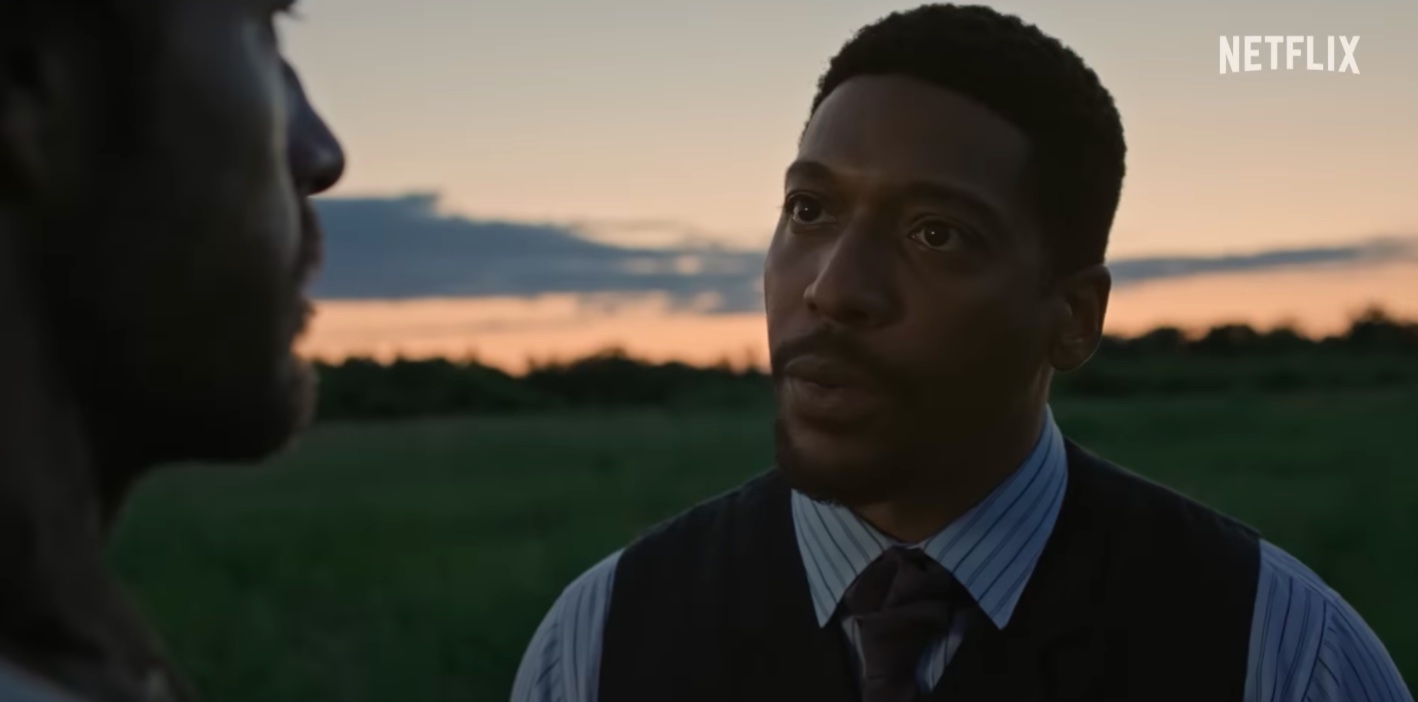
The writers used these as an opportunity to add fictional touches to the character. Jocko Sims, who plays the good doctor, prepared for the role by reading Frederick Douglass’ autobiography. He felt Dr. Tann would have read it because they existed around the same time, and Tann would have looked up to Douglass. The show’s demands also led him to attend a boot camp where he learned to be a cowboy while receiving singing and dancing lessons. The show’s creators wanted him to appear as authentic as possible, so it was ensured that all the medicines and techniques he used were era-accurate. Special care was also put into his presentation. The costume department wanted the doctor to reflect his background, including his education and financial status.
His identity as a free black man in the 1860s was also an important aspect of his character. So, the costume department opted for silk prints that would touch upon different aspects of his life. Apart from using the designs from the 1860s, they also borrowed designs from a few decades ago, noting that he may have been wearing some of his father’s clothes, adding a touch of his family background. His linen duster is an important detail of his character, intended to highlight the juxtaposition between his wealth and his appreciation for finer things, even as he works a job that requires him to get his hands dirty. Above all else, his clothes and demeanor were meant to represent an approachable, welcoming, warm man who never thinks twice before helping anyone and earns the respect and admiration of everyone who crosses his path.
Read More: Where is Little House on the Prairie Filmed?


You must be logged in to post a comment.