
 Kriti Mehrotra
As a five-part documentary series directed by conservationist Eric Goode, HBO’s ‘Monsters of God’ lives up to its title by delving deep into the world of his very first love – reptiles. Instead of focusing on the wonders of the species he so adores, though, he explores the way a desire for them has led to a massive global underworld network of exotic-animal smuggling. He ultimately ends up uncovering a labyrinth of dedicated federal agents, extreme collectors, and outlaw traffickers, amongst whom is proud reptile dealer and smuggler, Hank Molt.
Hank Molt’s Affinity for Reptiles Became the Catalyst for His Career
A native of Philadelphia, Pennsylvania, Hank Molt was just a young boy when he first developed a keen interest in reptiles, a passion that continued to grow over the years. He eventually became so “obsessed” that all he wanted was to have them in his possession, which ultimately led him to start collecting snakes upon securing his first job at Kraft Foods. According to the college graduate’s own account, he absolutely hated the path he had found himself on, but he stuck to it because it afforded him the stability to really back his passion.
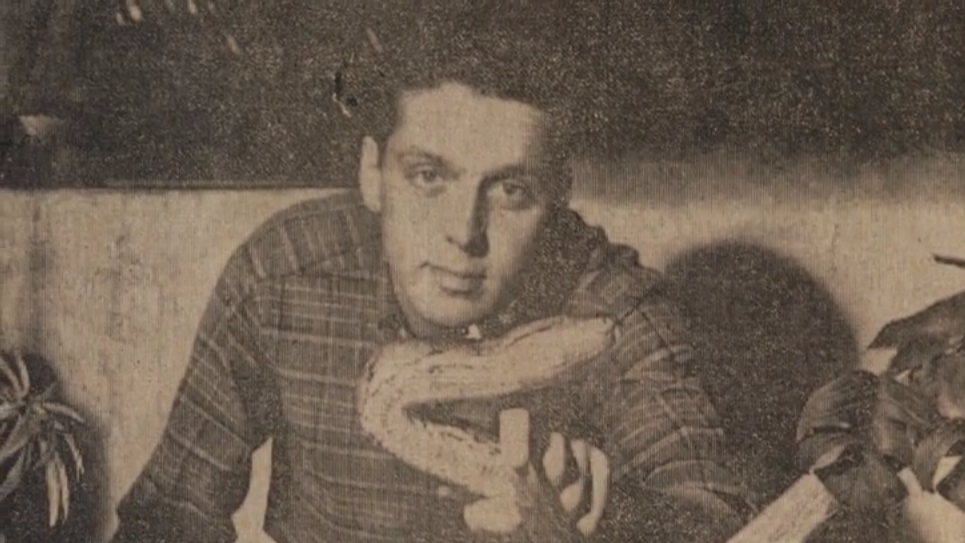
All Hank thought about while he was at his place of employment was how he could get out, and all he wondered at home was how he could grow his personal collection in a way that stood out. He gradually realized that what he wanted was something no one else had, driving him to contact exotic reptile breeders/owners from across the globe after coming across them in magazines. “I lusted after these animals, truly lusted after them,” he said on the show, so he started writing letters to even the most “obscure little places” in the hopes of accumulating the rarest species.
A short while later, Hank found his calling while returning home from a convention Kraft Foods had sent him to in Chicago in the mid-1960s, as a casual lie ended up encouraging him. He was asked by a stranger sitting next to him what he did for a living, and he instantly made up something about collecting reptiles for zoos, only for the idea to cling in the back of his mind. “Three weeks later, I quit my job,” he stated. “I bought a pet shop in Glenside, Pennsylvania. I got rid of all the dogs, all the cats, all the tropical fish, everything. Just turned it into a reptile shop.”
Hank Molt Was a Pioneer in the Business of Reptile Trading
Hank established the Philadelphia Reptile Exchange in 1966, releasing his first inventory-price list to zoos within weeks, while taking the risk of upcharging every animal like “crazy.” However, his collection was so unique that his phone was soon ringing off the hook – even former officials allege he played a crucial role in the development of the once-rare reptile houses across zoos. As per his own account, he then began “to search the world for exotic rep tiles” and started smuggling them because he knew the demand was high enough for “the zoos would pay crazy prices.”

Hank admitted on the show that wildlife regulations at the time “weren’t hard to get around… You get ’em in an airplane, they wouldn’t even look in your” luggage, but things changed within years. The Endangered Species Act was passed in 1973, not only bringing about stricter ordinances but also inadvertently underscoring that exotic/rare reptiles were now even more valuable than before. That’s when his business really boomed – according to the show, he was the go-to reptile guy for private parties and public zoos alike, so his business was highly lucrative, establishing him as a major player in the underground trade.”
The show hails him as the “Godfather of reptile smuggling.” Former federal agents in the series also asserted he taught a lot of people how to navigate the global industry before “stabbing them in the back” to protect his business and himself. According to records, he recruited individuals interested in either such animals or exotic travel to serve as his couriers, sponsoring their visits to various locations and having them bring the animals into the US. He seemingly candidly admitted to the same on the show, stating there were indeed “people who were just perfectly suited to do this (smuggle), by their nature and their inclination and direction in life.”
Related

Although Still a Reptile Enthusiast, Hank Prefers to Lead a Quiet Life
Hank’s operation was wildly successful until the late 1970s, until the US Fish and Wildlife Service got wind of precisely what he was doing after one of his shipments raised red flags at a New York pier. A customs agent found it strange that he was receiving almost 1,000 crocodiles, death adders, iguanas, monitor lizards, and pythons from Switzerland, so he asked several questions about the same. However, he didn’t really believe the entrepreneur’s answers, leading to a full-fledged federal investigation into the records and the inventory of his business, Philadelphia Reptile Exchange.
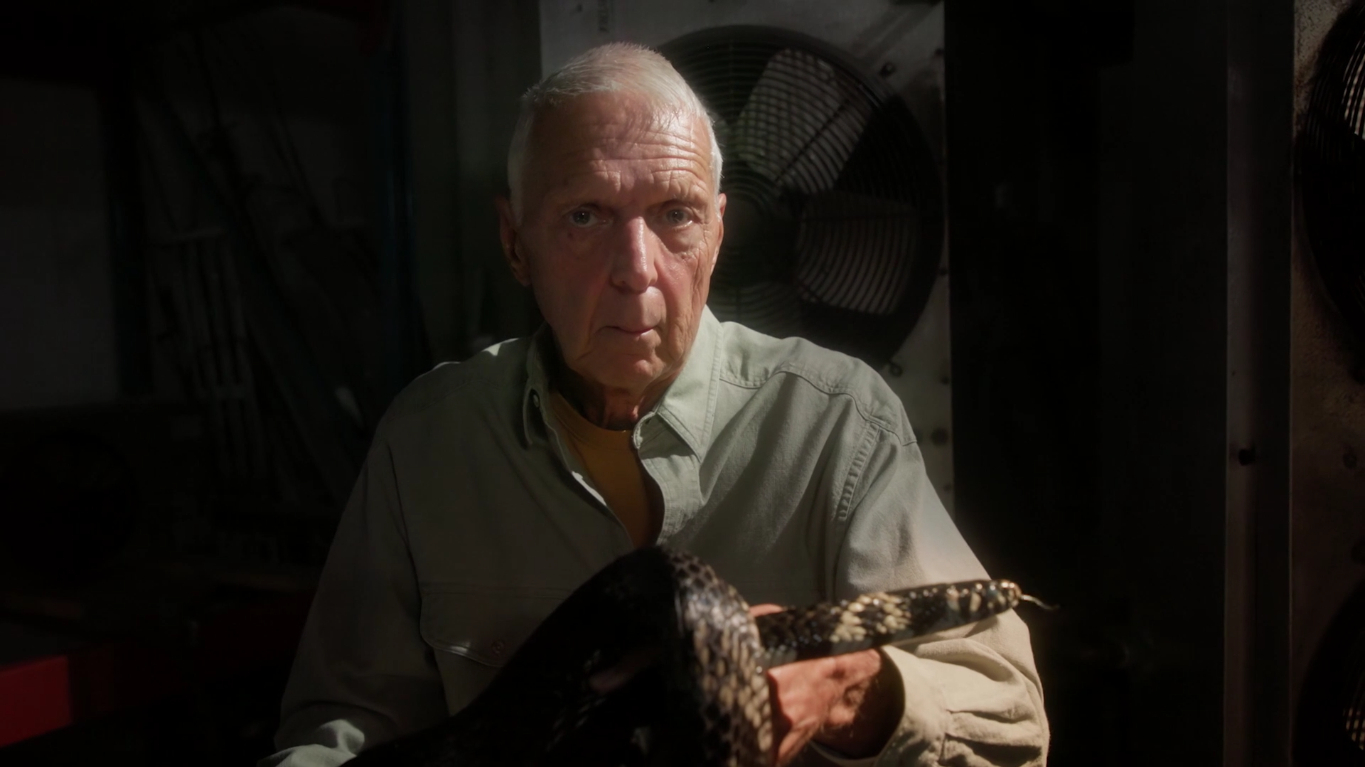
According to the show, when Hank realized he could be in big trouble, he allegedly gathered up the exotic animals still in his possession and buried them alive deep in the Pine Barrens of New Jersey. That’s where the federal authorities found them after one of his couriers cooperated, resulting in his arrest and subsequent conviction for several wildlife smuggling offenses. He was ultimately sentenced to concurrent terms ranging from 9 months to 14 months in federal prison and fined over $20,000, becoming one of the first individuals in the country to receive a serious sentence for a wildlife crime. According to filmmaker Eric Goode, “Hank Molt was proud that he could smuggle the way he did, he enjoyed circumventing the laws, and he liked that there were laws because it made it more of a challenge, like ‘Catch Me If You Can’ with Leonardo DiCaprio.”
Therefore, upon his release, the then-40-something-year-old kept in contact with people in the reptile-dealing industry, but he seemingly avoided any additional criminal activity. Since then, from what we can tell, the 80-something-year-old has preferred to lead a quiet life well away from the limelight and has let his past reputation speak for itself. As per his own words, the now Ohio resident led a “compartmentalized life” back then, keeping all aspects of his character “separate. It was just like going room to room for me… I mean, I could switch like a chameleon.” On the show, he described himself as an “enigma for sure. A man of mystery; somewhat by design, somewhat by default,” and it appears he remains that way to this day.


You must be logged in to post a comment.