
 Aahana Swrup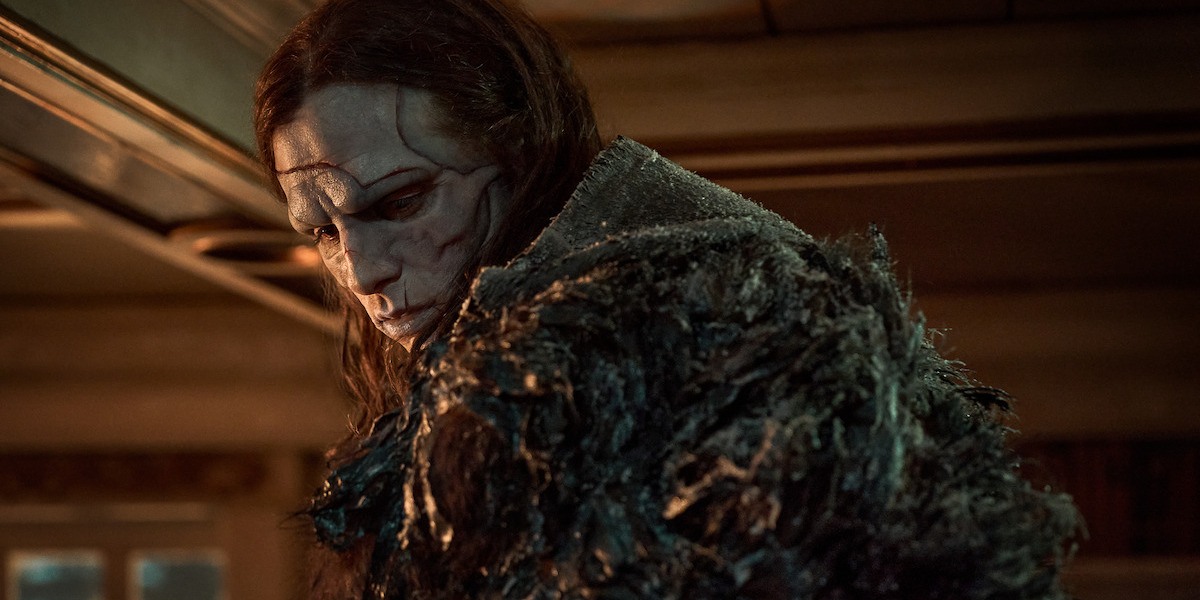
In adapting Mary Shelley’s classic eponymous novel, Guillermo del Toro’s ‘Frankenstein‘ charts out a remarkably unique narrative that distinguishes the adaptation from its peers. The Netflix film takes the viewers on a stunning visual odyssey that is marked by breathtaking vistas, thematically rich sets, and distinct designs for culturally iconic characters. As a result, Mia Goth’s Elizabeth dons an entomologically curious wardrobe, and Oscar Isaac’s Victor Frankenstein takes on a rock star theme appearance. Similarly, Jacob Elordi’s Creature also embodies a physicality that remains unique to the film. As a being reassembled from the body parts of various other dead men, the Creature sports an exceptionally unnatural, yet ethereal, look throughout the story. Naturally, given the heavy physical alterations to Elordi’s appearance in the film, the journey of his transformation for the role becomes a topic of intrigue.
Elordi Spent Hours in the Makeup Chair to Achieve the Creature’s Distinctive Look
For filmmaker Guillermo del Toro, who is known for his filmography centering around stories about monsters, ‘Frankenstein’ has always been something of a dream project. Therefore, it’s no surprise that when the moment came to make his own adaptation, he wanted to get every last detail just right. For del Toro, this meant real sets, props, and practical effects that bring the story alive on the screen through extraordinary craftsmanship. Naturally, this also extended to the film’s depiction of Victor Frankenstein’s creation, The Creature, whose physical appearance is achieved through makeup and prosthetics. The Creature’s visual design came almost entirely from the writer/director’s imagination.
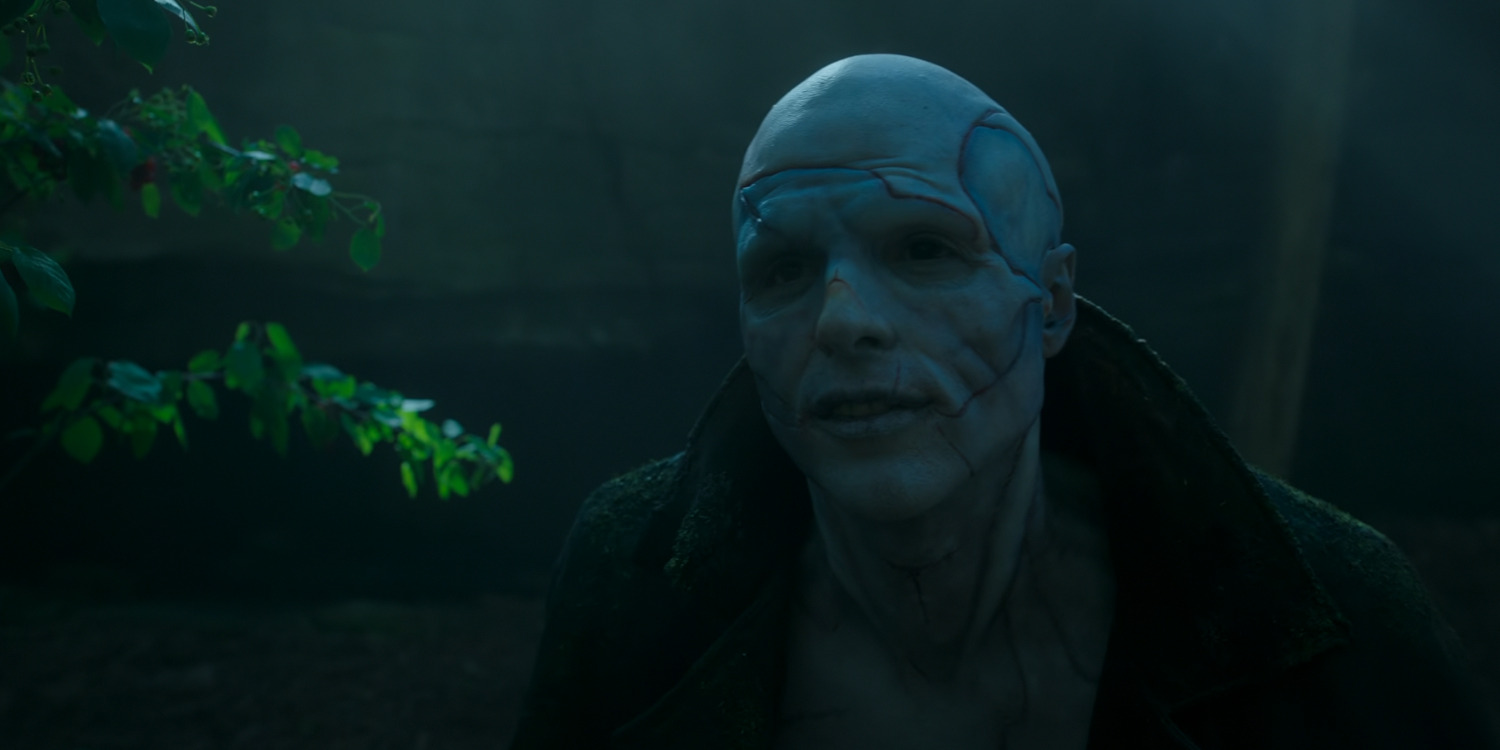
It pairs his unique vision for the character with the years and years of cultural references that come attached with the iconic monster. Toro’s version of the Creature, as actor Jacob Elordi embodies him, takes significant inspiration from alabaster statues. Pairing this with the Creature’s identity as a monstrous patchwork of numerous dead bodies results in a notably different, yet familiar, appearance for the well-known sci-fi character. This resulted in a character design that required Elordi to put in hours in the makeup chair. The special effects and makeup for the look took around 10 hours on a regular basis.
Reportedly, Elordi would often arrive at his makeup trailer at 10 p.m. and undergo the extensive process throughout the night to meet early call times. In a discussion with Variety about the experience, the actor said, “You throw time away when you make a film like this. I stopped having a clock, and I would just wait till the SUV arrived. That meant it was time to go. I didn’t do breakfast, lunch, or dinner, or think in terms of morning, afternoon, night. It was just one time.” Ultimately, under the masterful hands of prosthetic makeup department head Mike Hill and the rest of the talented makeup department team, the Creature achieves his morbidly bewitching look in ‘Frankenstein.’
The Significance Behind the Creature’s Unique Appearance in Frankenstein
Frankenstein’s monster naturally possesses a distinctive look by virtue of his unnatural creation. Yet, Jacob Elordi’s version of the Creature goes beyond even that, bringing a new rendition to the screen that stands apart from other on-screen adaptations of the character. This is a result of many intentional choices Guillermo del Toro and his team made about the Creature’s appearance. For one, in the filmmaker’s rendition of the story, Victor Frankenstein’s identity as a scientist comes with the addition of his artistic soul. The director elaborated on this in a conversation with Variety and said, “Victor is an artist, and if you’ve been dreaming of this (The Creature) for 20 years, he would make a perfect, beautiful thing. We based the (Creature’s) hair on phrenology diagrams in the 1800s, and the body, we tried to make sense of the lines of cutting with surgery, but also beauty.”
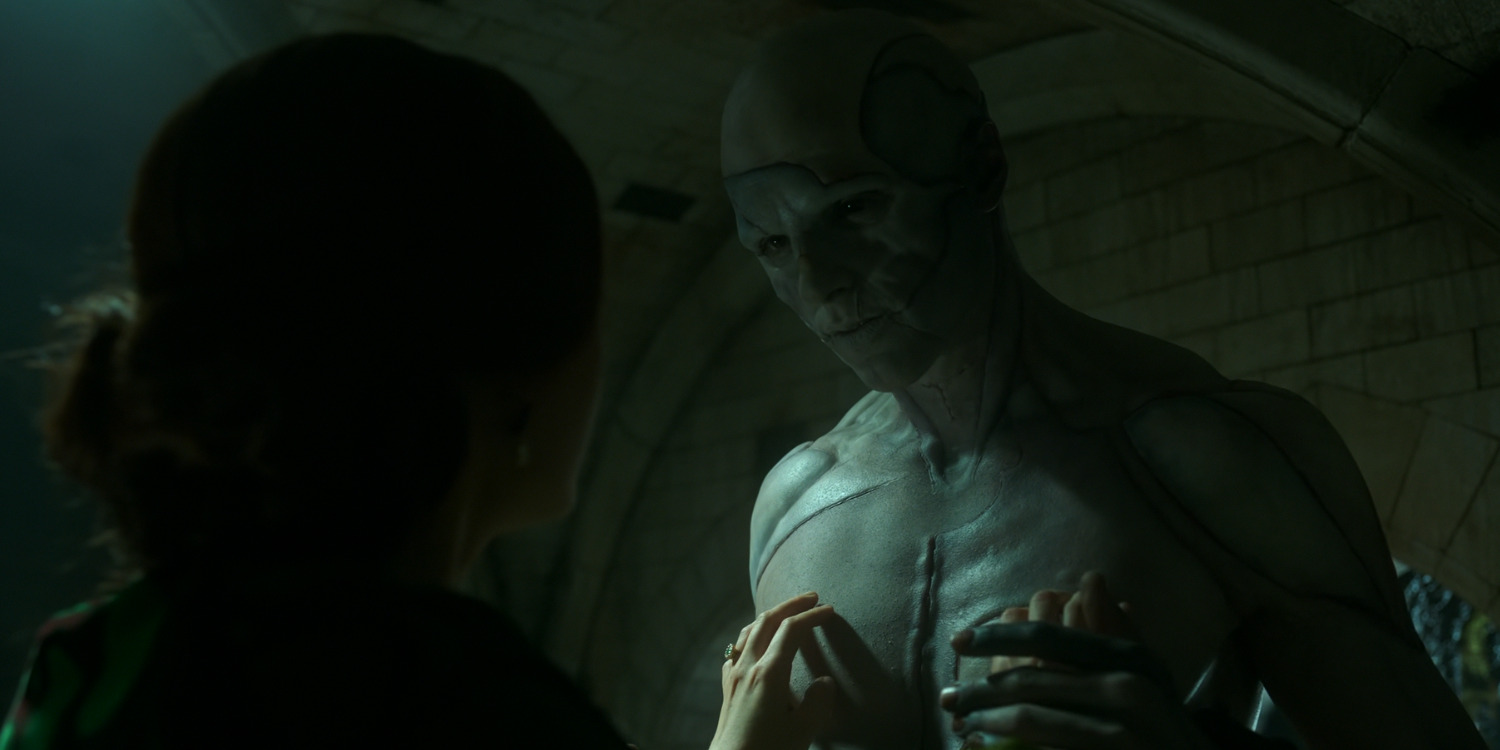
Consequently, del Toro decided to establish a “no stitches” rule, allowing his version of the Creature to have a unique aesthetic and appearance. In discussing the look with Entertainment Weekly, Mike Hall described this look’s resemblance to that of a stained window that had been broken. Yet, a sense of familiarity was kept in the Creature, adding visual elements that complemented author Mary Shelley’s description of the character in her book. This is evident in the yellowish hue of the Creature’s skull, dark lips, and general appearance. Additionally, the makeup department paid homage to actor Boris Karloff’s version of the Creature in the film ‘Frankenstein’ that came out in 1931, through the section of the face that sports blueish-gray skin. Ultimately, the goal remained to express the character’s monstrous, unnatural conception while finding aesthetic beauty in the weirdness and the unusual.
Read More: What Accent Does Jacob Elordi’s Creature Speak in Frankenstein?


You must be logged in to post a comment.