
 Suvechha Sarkar
Jeanne Ann Childs, also known as Jeanie among her loved ones, was a 35-year-old loving sister and beloved daughter. However, on a summer day in 1993, she was found dead in her apartment in Minneapolis, Minnesota. The brutality of the crime left the community completely shocked, and her family heartbroken. CBS’ ’48 Hours: The Footprint’ revisits the investigation, exploring how a bloody footprint helped officials arrest the killer more than 25 years later. Besides that, the episode delves deeper into advancements in forensic science and includes detailed interviews with Jeanie’s loved ones.
Jeanie Childs Was Stabbed to Death Inside Her Apartment
Jeanne Ann Childs, affectionately known as Jeanie, arrived as a beacon of light in the lives of Eugene and Betty Eakman on April 21, 1958. As the elder sister, she always showered her little sister, Cindy Blumer, with love and attention. According to Betty’s statements on the show, when Jeanie was around 12 or 13, the teenager began running away from home, but her mother always tracked her down. Further reports suggest that she eventually began working as a sex worker. However, Betty stated that she never stopped supporting her daughter throughout her life. In adulthood, Jeanie entered a relationship with a man who had children from a previous marriage.

After Jeanie and her partner tied the knot, she became a dutiful stepmother. Sadly, her bond with her husband gradually began to crack, and they got divorced. Despite the split, she remained present in her stepchildren’s lives. By 1993, she had settled in an apartment at the 3100 block of Pillsbury Avenue in Minneapolis, Minnesota. On June 13, 1993, one of her neighbors complained that water was seeping into their apartment. It was reportedly traced to Jeanie’s home. When a security guard went to her apartment, he noticed that the shower was running. After closing it, he found the 35-year-old dead inside her bedroom and promptly called 911.
When authorities arrived, they found Jeanie lying partially under her bed and observed that she had died from multiple stab wounds. In the bedroom, forensic experts noted several bloody footprints. They also discovered blood on the floor, bed, and walls before uncovering blood in the bathroom sink. Experts reportedly collected a blue washcloth, a bath towel, and a red t-shirt from the bathroom for DNA. Besides that, blood and DNA samples from her bedroom were also taken as evidence. Furthermore, they also collected another blood sample from the stairway leading to the apartment. The autopsy report revealed that Jeanie was stabbed over 60 times. Her cause of death was determined to be multiple stab wounds.
Experts Used Genetic Genealogy to Lead Investigators to the Prime Suspect
Initially, officials learned that Jeanie was living in her apartment with a man named Arthur Gray. Reports state that when he was questioned, he informed them that he was out of town on the day of the murder. After his alibi was verified, and his footprint turned out not to be a match to the ones found at the crime scene, he was ruled out as a suspect. Due to a lack of leads, the case eventually grew cold until it was reopened in 2015. Shortly after, the blood sample that was collected from the stairway near Jeanie’s apartment was found to be a match to a man named John Esswein. Reports indicate that, at the time of his interview, he was in prison for an unrelated charge.
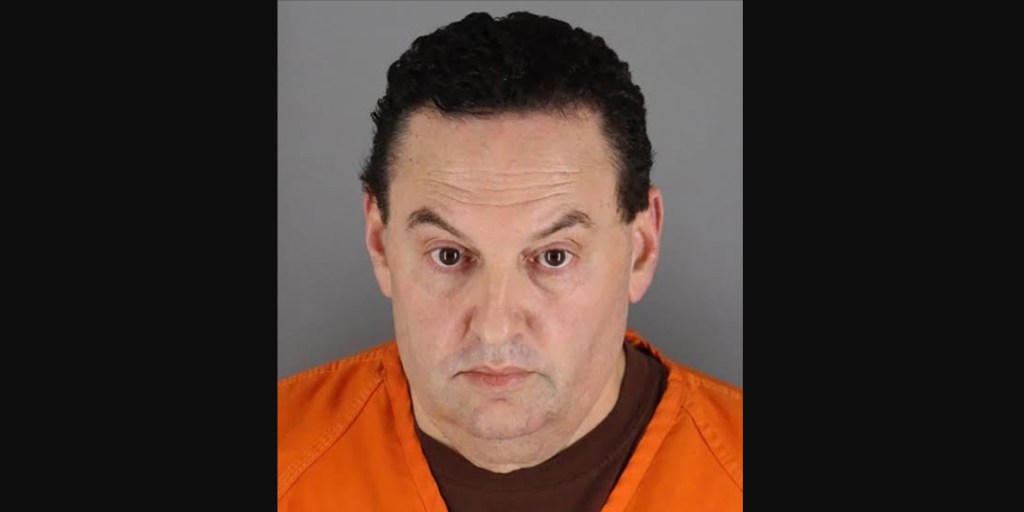
In his statements, John claimed he had visited Jeanie’s apartment complex only once in 1991 but denied any involvement, per the records. It is essential to note that his DNA wasn’t found inside the apartment. According to investigative records, a comparison of his footprints with those found at the crime scene yielded inconclusive results. He was never charged in connection with Jeanie’s homicide. Court records indicate that as forensic experts examined DNA evidence from items collected at the scene, they found one DNA profile that appeared on multiple pieces of evidence.
The repeated DNA was reportedly present on the towel, washcloth, comforter, red t-shirt, and sink sample. With the help of genetic genealogy, the experts narrowed the search to two brothers, one of whom was Jerry Arnold Westrom. By then, he was residing in Isanti, Minnesota, and was well-known as a local businessman. To definitively confirm whether it was Jerry’s DNA, authorities needed a DNA sample from him. In January 2019, Jerry attended his daughter’s hockey game in Wisconsin, where he used a napkin and left it behind. As per the records, the detectives collected it as evidence. It turned out to be a complete match to the repetitive DNA found at the crime scene.
Bloody Footprints Helped Link Jeanie’s Killer to the Crime Scene
In February 2019, Jerry was taken into custody and charged with second-degree murder. When he was questioned, he denied having any involvement with the crime. According to one of the detectives, since there were other unidentified male DNA samples found at the crime scene, they needed definitive evidence to place Jerry at the location. One of the experts determined that four of the seven bloody footprints from the scene were suitable for comparison. Police records indicate they were a match for Jerry.
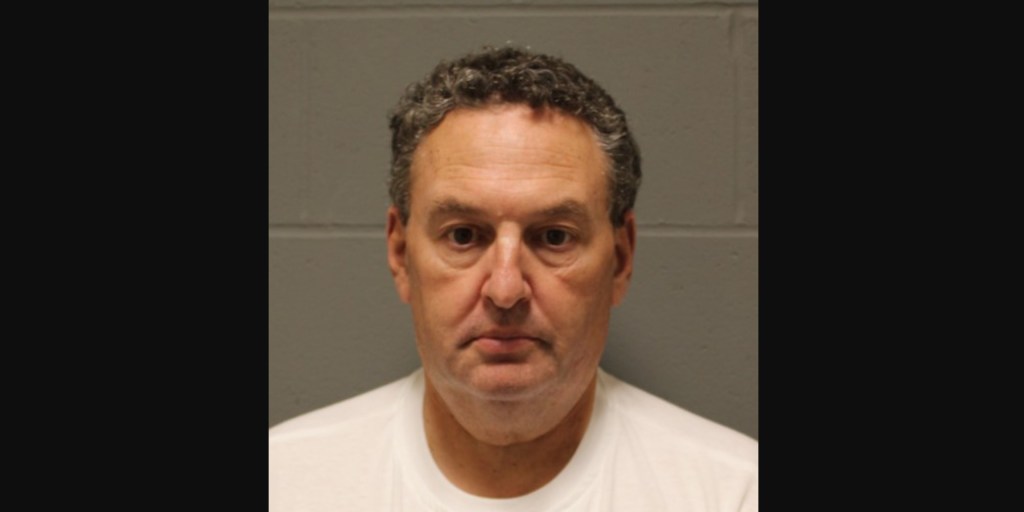
As per official records, another expert noted that only one of the footprints was suitable for comparison, and it also matched Jerry. He was later indicted by a grand jury on the charge of first-degree premeditated murder. His jury trial began in August 2022, and the jury convicted him of both charges. On September 9, 2022, Jerry was sentenced to life in prison with the possibility of parole after 30 years for first-degree murder. Eventually, the Supreme Court upheld his first-degree murder conviction but vacated his second-degree murder conviction on May 8, 2024. The court ultimately affirmed his life sentence.
Read More: Rob Cobain Murder Details and Investigation Timeline


You must be logged in to post a comment.