
 Abhiroop Das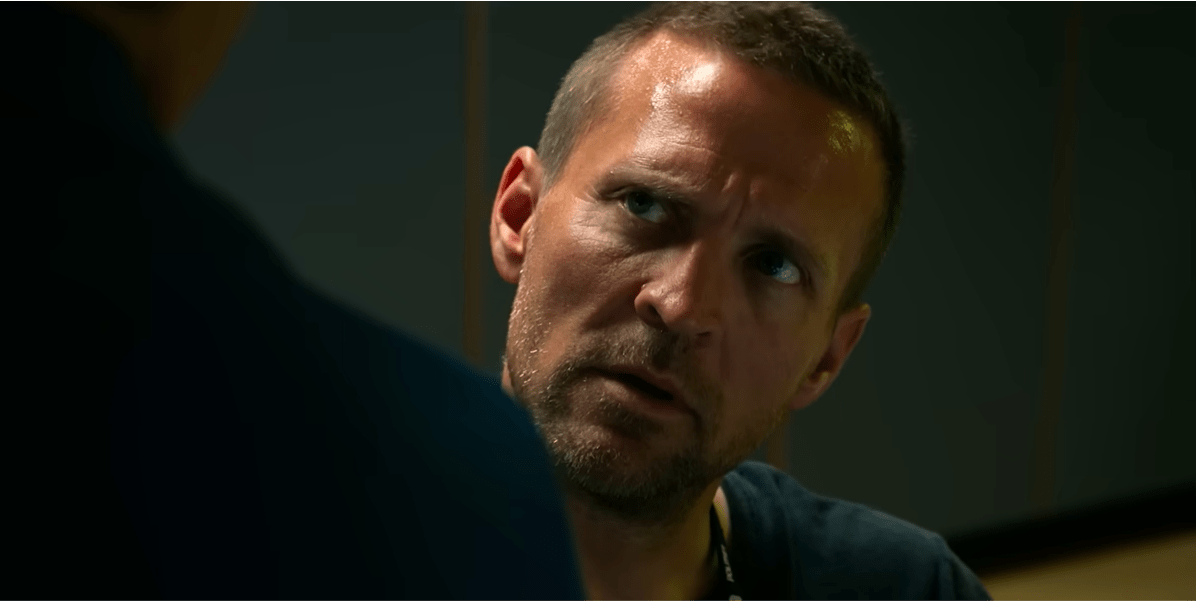
Created by Jo Nesbø, Netflix’s ‘Detective Hole’ brings to life the story of Harry Hole, a perpetually down-on-his-luck detective struggling with personal demons. After a traumatic incident leaves him with addiction troubles, amongst other things, Harry risks losing his investigative instincts, but not before he is faced with a serial killing mystery. This murderer seems to revel in the occult, which makes each subsequent body a part of a larger ritual of sorts. At the same time, Harry navigates a complex tug-of-war with fellow police officer Tom Waaler, who might be knee-deep in a criminal conspiracy himself.
However, as time passes and both of these cases prove themselves to be almost impenetrable, Harry is forced to look back at his own roots as a detective and find the path that fits best. This Norwegian crime thriller series is as much about Harry’s case-solving abilities as it is about painting a realistic rendition of Oslo, in all of its shades.
Detective Hole is a Reimagination of Two Novels From Jo Nesbø’s Fictional Series
‘Detective Hole’ is a fictional story based on the ‘Harry Hole’ novel series by Norwegian writer Jo Nesbø. Specifically, the show appears to be a partial blend of two books in the series, ‘Nemesis’ and ‘The Devil’s Star.’ While the former focuses on Harry’s investigation of a curiously fatal bank robbery, the latter puts him at the center of a serial killing conspiracy which may or may not be connected to one of his co-workers. While there are clear parallels between these plotlines and the ones we are presented with in the show, it is likely that Nesbø, who also serves as the showrunner, touched up many of these aspects to integrate them into a different storytelling format.
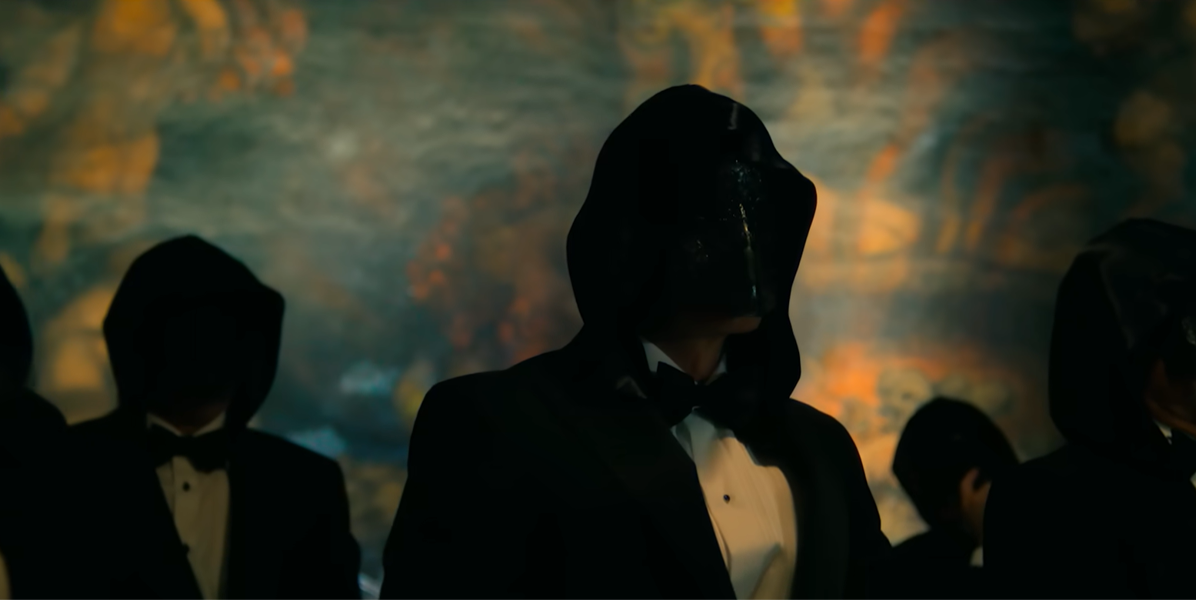
While the murder mystery in ‘The Devil’s Star’ or ‘Detective Hole’ might not be a direct recreation of reality, Nesbø’s primary motivation was to capture the zeitgeist of his home city and the capital of Norway, Oslo. Notably, the first few ‘Harry Hole’ novels are all set in international hotspots like Sydney or Bangkok, but it wasn’t until the fifth book that Nesbø truly capitalized on the vast storytelling canvas his own environment can provide. “Oslo is on the outskirts of Europe,” he explained in a conversation with Peter James, “but it has plenty of crime, much of it drugs-related. There are parts of Oslo that are well suited to crime fiction.” While that may be the case, the author also confirmed that his work isn’t exactly biographical, but that it treats the setting as a form of narrative engine by itself.
Harry Hole’s Name Blends Together Some of Nesbø’s Childhood Memories
The leading figure of most of Nesbø’s crime fiction, Harry Hole, is a fictional detective with some vague connections to reality. As it stands, there are several layers to how Nesbø was inspired to make the character, and it all starts with an origin story. Reportedly, Nesbø conceived of the character while dealing with burnout in 1997, when he was working as a stockbroker and also had his own band. While heading to Australia, he was asked by his publishers to write a book about his band, which he didn’t feel particularly up to. Instead, the thirty-hour flight between Oslo and Sydney gave birth to Harry Hole and his ever-expanding fictional world.
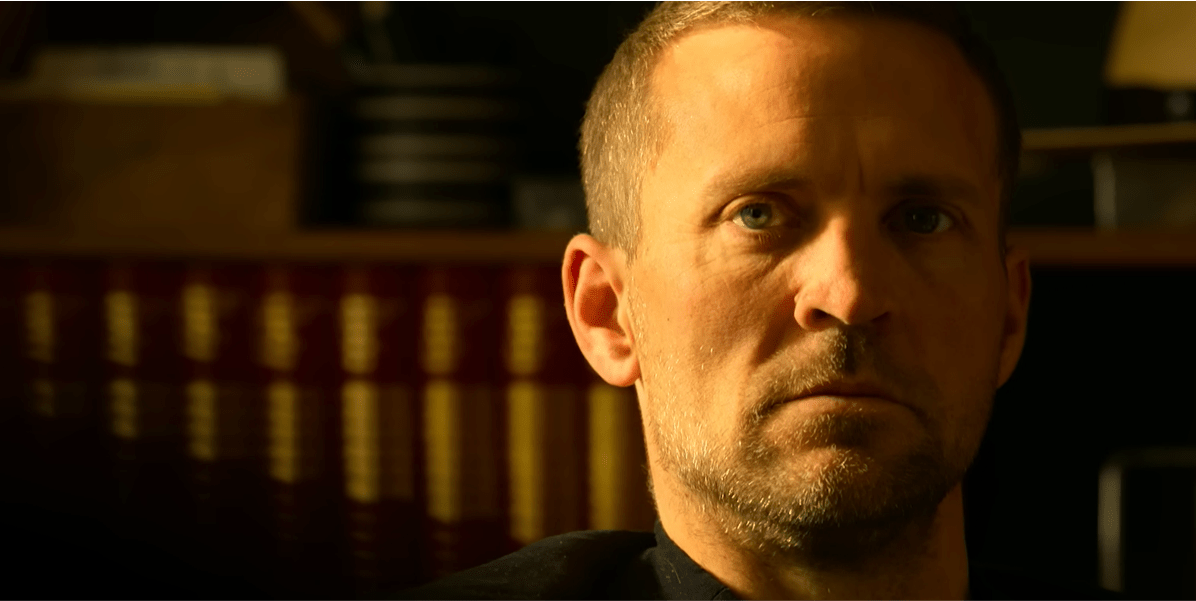
Harry Hole’s identity appears to be a composite of several elements from Nesbø’s real life, many of which call back to his childhood. To begin with, the name “Harry” comes from the writer’s favorite local football player as a child, whereas “Hole” was originally the name of a police officer in the village where Nesbø’s grandmother lived. Recalling the days when he went there during summer holidays, the writer told Horrorfeminista, “grandmother would always say, ‘If you’re not home by eight o’clock, Hole will come get you.’”
As Nesbø never saw the police officer in those early years, he imagined the man to be a tall, blonde, and intimidating figure, not unlike how Harry Hole is depicted in the books and on screen. However, that expectation was subverted when he met the real Hole several decades later. Nesbø described him as a man with “cold, icy eyes” and a “cold, hard hand,” and it is possible that this played a role in the fictional detective’s characterisation.
Nesbø Has an Emotional Connection to His Hand-Crafted Detective
Nesbø has also stated that Harry is a loose homage to yet another fictional detective, Hieronymus “Harry” Bosch from the famous ‘Bosch’ novel series. As such, it is likely that Bosch also served as a reference point for the former, especially when it comes to the nitty-gritty of detective work and the realism associated with the genre. While there may not be any direct parallels between Harry’s life and that of his creator, Nesbø nonetheless feels a deep personal bond with his character.
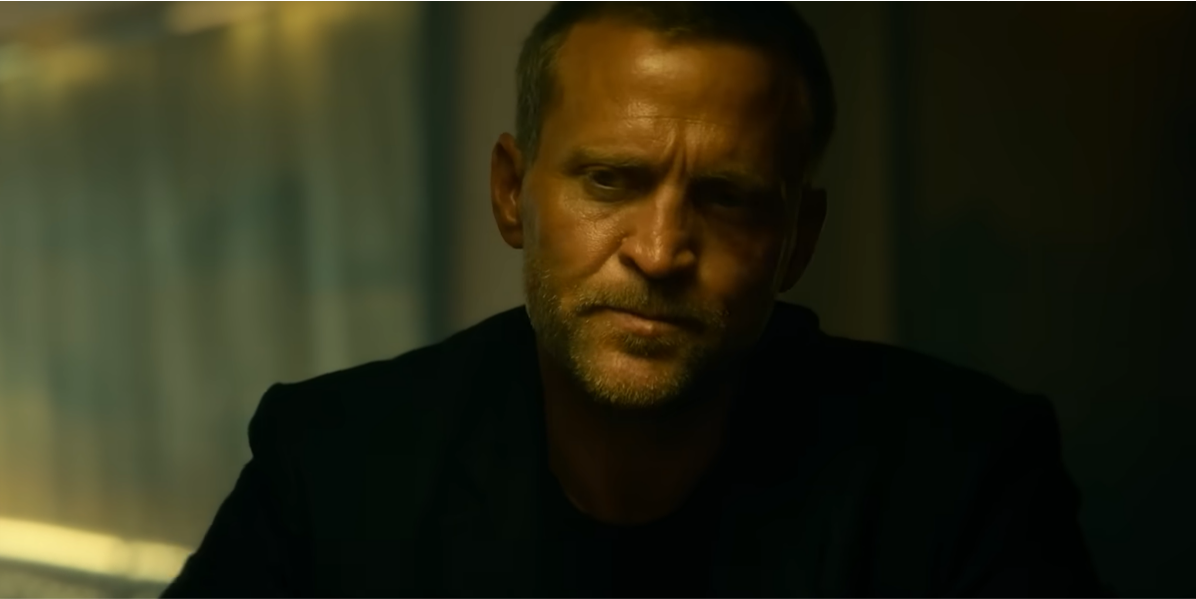
In a conversation with Radio Times, Nesbø even described the detective as his soul mate, as developing a character over the course of decades led to a blending of identities. He doesn’t “necessarily think (Harry) is the greatest guy in the world,” but characters like him “are interesting to spend time with.” However, in the same conversation, Nesbø was also careful to draw some differences between his real life and his invention, explaining how Harry has demons of his own that are unique to the larger narrative he is wrapped up in.
Read More: Bait Ending Explained


You must be logged in to post a comment.