
 Abhiroop Das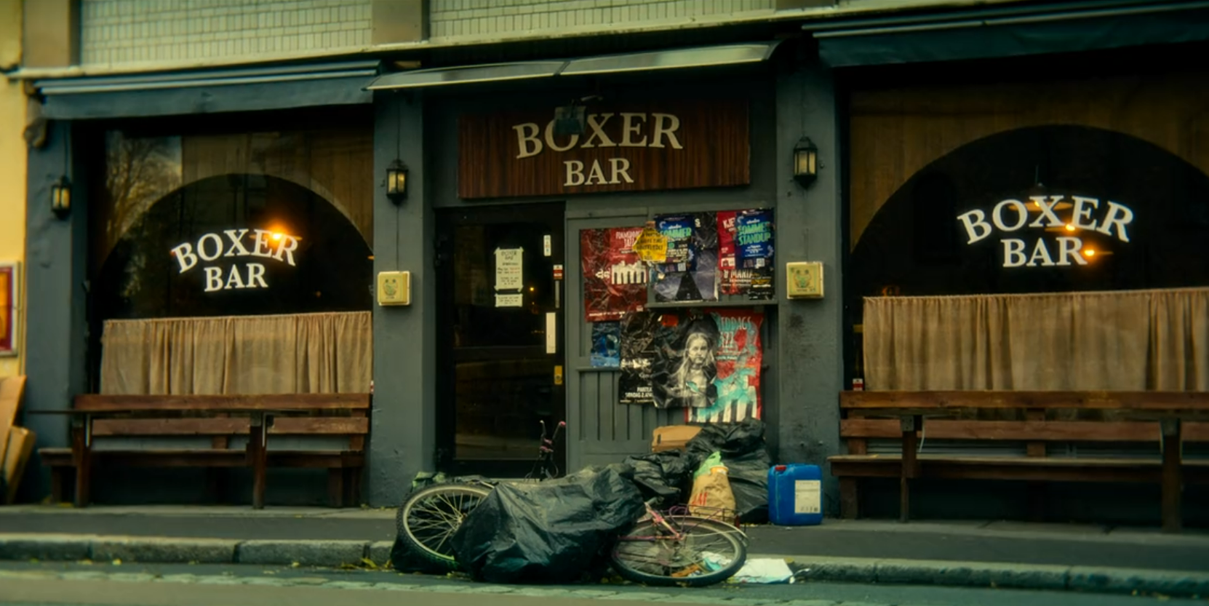
Created by Jo Nesbø and based on his eponymous novel series, Netflix’s ‘Detective Hole,’ also known as ‘Jo Nesbø’s Detective Hole,’ journeys into Oslo‘s criminal underworld with Detective Harry Hole. It has been five years since a traumatic incident left his mind scarred beyond repair, and when he is not solving cases and catching criminals, Harry can typically be found at a pub or bar, drunk to the point of blacking out.
Harry’s struggles with alcohol constitute a major character arc in this Norwegian crime thriller series, especially when it interferes with his ability to catch the elusive pentagram serial killer or to gather proof to apprehend Tom Waaler. As Harry battles addiction, however, he has to navigate a complex dreamscape that simultaneously guides him in life and leaves him astray. Throughout all of this, Boxer Bar emerges as one of the show’s most prominently featured locations, charting one of Harry’s many self-destructive tendencies.
Boxer Bar is a Fictional Bar That Replaces a Major Location From the Harry Hole Books
Boxer Bar is a fictional bar at the heart of Oslo, almost functioning as a second home for Detective Harry Hole as the story progresses. While the show is primarily an adaptation of the novel ‘The Devil’s Star,’ from the ‘Harry Hole’ series, writer Jo Nesbø created Boxer Bar specifically for the screen. That said, it most likely draws inspiration from the many pubs and bars Harry frequents in the novels, all of which are narratively relevant because of his recurrent alcohol addiction. In the books, the most iconic location that fits this purpose is Restaurant Schrøder, which is described as his preferred “watering hole.” Restaurant Schrøder, as it turns out, is a real place located at Waldemar Thranes gate 8, in Oslo’s St. Hanshaugen borough.
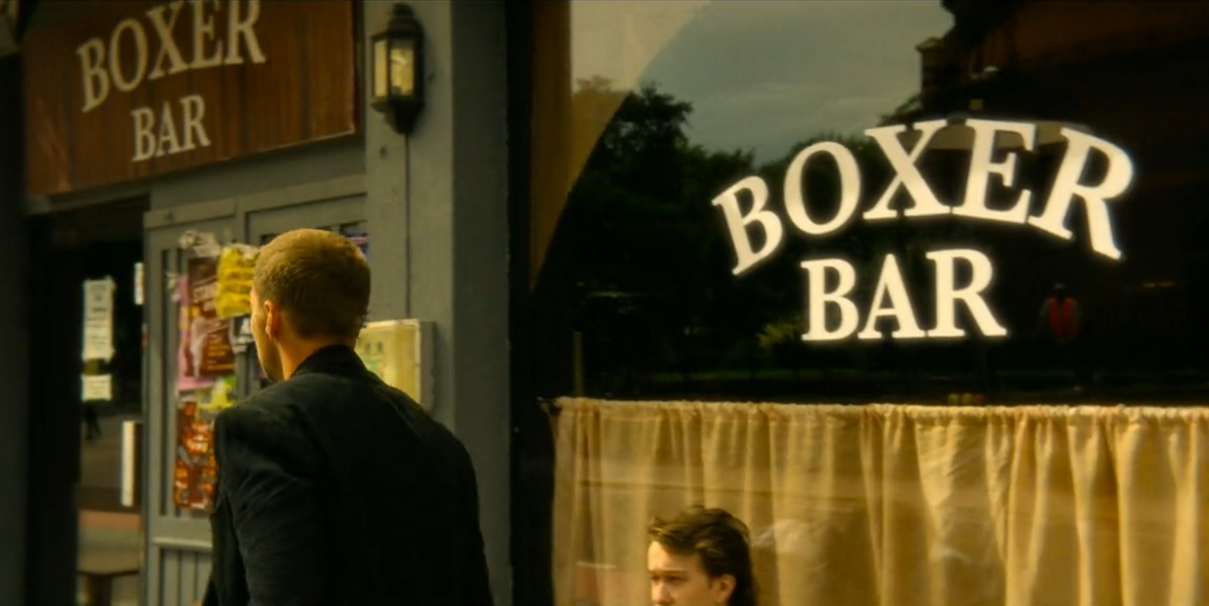
While both the novel and its television counterpart feature a fictionalized version of the real Restaurant Schrøder, Boxer Bar does not feature any such real-life basis. As such, it is probable that a real-life bar or restaurant in the bustling streets of Oslo was taken over and redressed to match the look and aesthetic. Nesbø and the show’s creative team likely wanted maximum flexibility with regard to production, which is why they created a bar from scratch to experiment with. To that end, it is possible that they were influenced by the many other bars and pubs that feature across several renditions of Harry Hole’s stories.
Boxer Bar Captures and Amplifies the Spirit of Oslo as per Nesbø’s Vision
In the novel ‘The Snowman,’ Harry ventures into Teddy’s Softbar, which is based on a real bar situated at Brugata 3A, 0186. Similarly, Ekeberg Restaurant, located at Kongsveien 15, 0193, can also be spotted in the stories. However, the binding factor between all of these is that they are fictionally reimagined in the series, which is how we get a location such as ‘Boxer Bar.’ During a stage event for the show in Oslo, the crew crafted a look-alike set of the bar, with a digital screen and a row of bottles completing the look. This level of attention to detail shows just how much the creators understand how the setting plays into Harry Hole’s story.
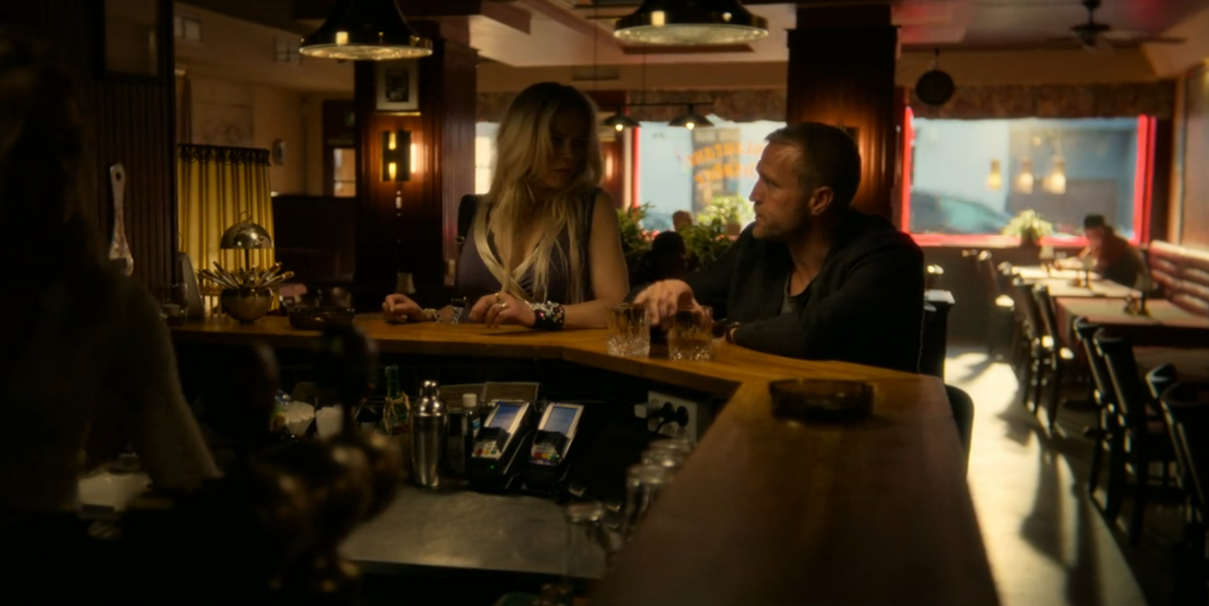
When it comes to fictional places in ‘Detective Hole,’ Nesbø and his team were interested in capturing as much of Oslo’s atmosphere and vibe as possible. As per Tobias Santelmann, who plays Harry, the version of Oslo we see on screen is magnified by 10%, both in its good parts and bad. This characteristic is exemplified in the form of Boxer Bar, which is simultaneously the setting for Harry’s lowest and highest points as a character.
Read More: Jo Nesbø’s Detective Hole Ending Explained: Who is the Serial Killer? Is Tom Waaler Dead?


You must be logged in to post a comment.