
 Abhiroop Das
Created by Jo Nesbø, Netflix’s ‘Detective Hole’ or ‘Jo Nesbø’s Detective Hole’ steps into the world of Harry Hole, a genius on the field with his fair share of skeletons in the closet. With several traumatic incidents haunting his mind on a daily basis, Harry hovers between being the Oslo Crime Squad’s most valuable mind and being a liability. No case brings out this dichotomy better than that of a serial killer who seems to be using demonic imagery. As the death tally grows and public pressure mounts, Harry resorts to looking into his own dreamscapes to figure out answers, all the while silently battling his co-worker, Tom Waaler, whom he suspects to be a criminal mastermind himself. By the end of the crime thriller series, adapted from Jo Nesbø’s ‘Harry Hole’ novel series, both threads intersect in a rather unexpected fashion, beckoning Harry to a series of revelations. SPOILERS AHEAD.
Jo Nesbø’s Detective Hole Plot Recap
‘Jo Nesbø’s Detective Hole’ begins with Harry Hole and his partner at the Oslo Crime Squad chasing down a car that might be involved in a bank robbery shootout. However, before they can nab the killer, an accident sends them flying, resulting in the death of Harry’s partner. Years later, Harry is still traumatized and intends to solve the case by any means necessary. His only clue so far is the gun used in the murder, which is a match for several others of a similar kind, suggesting they all come from the same distribution network. When surveilling one of the hideouts, they discover Tom Waaler, their senior in the police force, who appears to be working with criminals. Harry’s present partner, Ellen, nearly manages to catch him in the act, but Tom kills her first, framing the scene as a regular crime to escape culpability.
Harry is left in anguish after the murder of Ellen, especially as he is unable to prove that Waaler is responsible. This triggers his drinking addiction once again, and he is fired from the police force, that is, until a near-unsolvable case props up. A woman who was murdered at her home is missing one of her fingers, presumed to have been taken by her killer. Before Harry and team can look any further, another missing person’s finger is delivered to the police station, confirming this to be the work of a serial killer. However, with no discernible pattern or overlap in motives between these two figures, the police are unable to determine why. In the meantime, Harry struggles to maintain his relationship with Rakel and her son, Oleg, all the while battling addiction and solving the mystery.
When a third woman, this time a law firm receptionist, is murdered in a similar fashion, Harry finally figures out where the mystery leads. As it turns out, all three women are missing three different fingers, and all of them died on the fifth floor of their respective buildings. The killer, as it turns out, is mapping out the five points of a pentagram in the city, which means that the police can figure out his next target. When they get to the location, the name of a suspect, Martin, emerges, but Waaler seems eager to kill the man without any due process. Ultimately, Harry risks it all by freeing the man from custody and taking him for a private questioning, with which all the truth comes to light.
Jo Nesbø’s Detective Hole Ending: Who is the Pentagram Serial Killer?
At the end of ‘Jo Nesbø’s Detective Hole,’ the serial killer is revealed to be Wilhelm Barli, the husband of the second victim. While the connection isn’t apparent at first, Hole discovers the truth purely by chance when glancing over one of Martin’s pictures and finding Lisbeth of all people. Immediately, it becomes clear that Barli, Lisbeth, and Martin were all connected in a messy web of relationships, and ultimately it was the thespian who snapped first. This is confirmed when Harry visits Barli, coincidentally just after he’s killed another person. As it turns out, Barli discovered that Lisbeth and Martin were having an affair, following which he killed her and decided to frame Martin. However, that wasn’t enough, so he went the extra mile by fabricating a serial killing conspiracy and intentionally pitting Martin at the center of it.
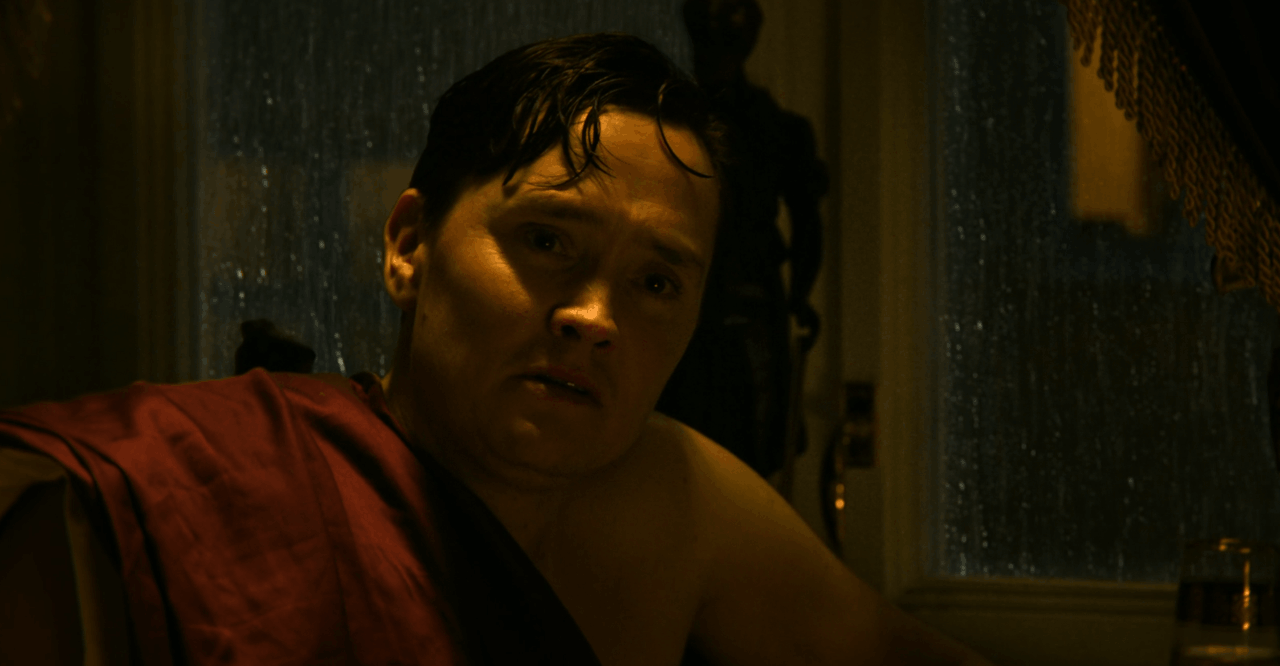
While Barli’s obsession with creating a fake, satanic narrative with this much detail can sound absurd at first, it is important to remember that he is a thespian with a clear affinity for the theatrical. By constructing a story where he himself is one of the victims, Barli successfully redirects police attention away from vague details or recurring patterns, and even, at one point, organized crime. However, the key to solving this case is revealed early on by Harry himself, as it involves deciphering the motive. Notably, Lisbeth’s body is the only one that is never found, save for the finger that the killer ships to the police station. That alone makes her the definitive break in the pattern, but it isn’t until much later that Harry puts two and two together. In reality, Barli stuffed the body inside his waterbed, both to evade police detection and to fulfill his necrophiliac fantasies.
Although the primary reason Barli commits most of the murders is to frame Martin, it is undeniable that he develops a taste for it right after he kills Lisbeth. His production of the play ‘Pygmalion’ is also essential to the story, as it draws on the myth of a man obsessed with the statues he’s created, to the point that they come alive. In Barli’s case, a similar fixation emerges in how he feels about Lisbeth, as all the subsequent kills are essentially in her image. When he is ultimately caught by Harry, he realizes that there is no way out of this, and chooses to end his own life by jumping from the balcony. The pentagram laundry rack he falls on, ironically, makes for a fitting piece of imagery to close his arc.
Does Tom Waaler Live or Die?
The serial killer mystery may have been a dominant force throughout the narrative, but what fuels Harry’s pursuits above all is putting Tom Waaler behind bars. After he nearly reaches his breaking point, Harry almost agrees to join Waaler in his illegal pursuits, but all of this is revealed to be an act. In reality, his real plan is to get closer to Martin and learn the truth about Waaler’s criminal operations. Notably, when Harry first learns of Martin’s name and brings it up to his team, he doesn’t miss the visible look of shock on his face. The fact that Waaler later tries to handle the case all by himself and nearly kills Martin without any due process only solidifies Harry’s suspicions, and it is then that he begins concocting an elaborate plan to take down his nemesis.
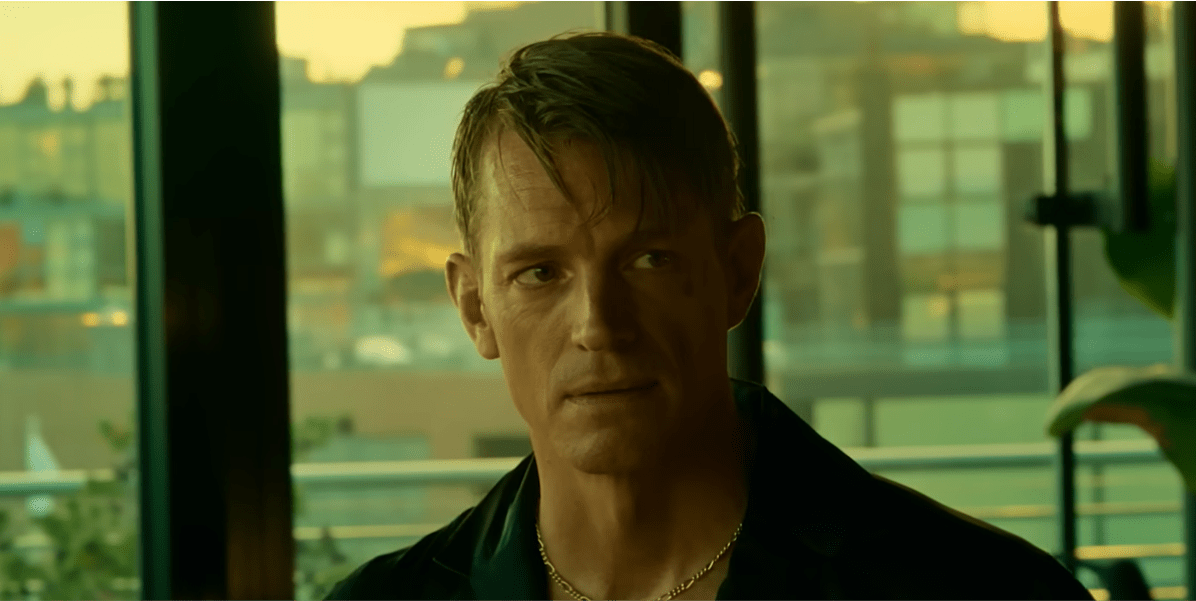
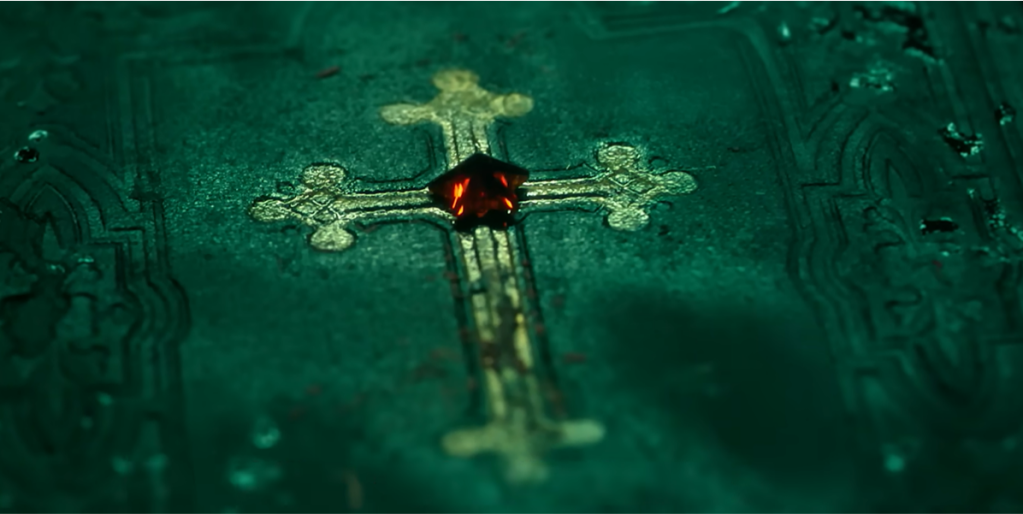
As it turns out, Martin and Waaler are partners in the smuggling of arms, drugs, and, importantly, jewels. This includes the star-shaped red diamond that pops up throughout the story and is made to look like a satanic item. In reality, Barli is just one of the many customers of Martin who merely used his own product against him. At the center of this operation lies Waaler, nicknamed “The Prince,” and with enough evidence in hand, Harry believes he can get the man behind bars. The mission is also personal for him, as it may be his only chance to give Ellen the justice she deserves. However, when Waaler realizes what the plan is, he drops all semblances of his cop persona and instead does the unthinkable, kidnapping Rakel’s son Oleg as a bargaining chip.
When Harry realizes that Waaler is serious about hurting innocent people to get what he wants, he is forced to comply with his demands. However, the process of switching captives doesn’t exactly go as planned, as Harry disarms Waaler the moment they make contact inside a lift, triggering an all-out brawl. The turning point of the fight, however, is when Harry manages to shove Waaler’s hand inside one of the openings, and then Oleg turns the lift on, crushing Waaler’s hand in the process. As the prince lies defeated and bleeding out, he is able to do nothing except leave Harry with a cold gaze before meeting his end.
Who is the Masked Woman? What is Her Goal?
In the final moments of the season, we get yet another look at the masked woman who leads a cult of similarly masked people, except this time we know more about them. Although their real ambitions remain in the dark, it helps that all their sequences are interspersed with Barli recording satanic phrases and incantations on his tapes. The idea here is possibly that this masked cult is an actual practitioner of the occult, and perhaps the real threat that Harry and company should be worried about. In the end, we learn that the person behind the mask is none other than Agnes, the director of the police force. While we have seen her dabble in corruption before, this marks the first, all-out confirmation of her deep involvement in the criminal network, of which Waaler was possibly just one part.
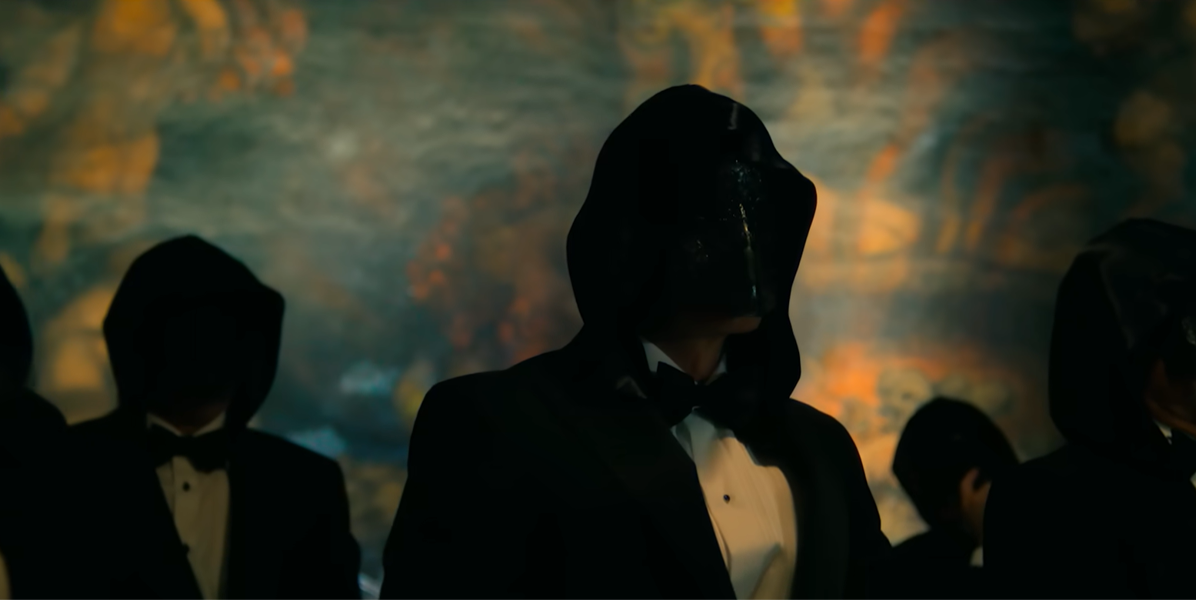
When speaking to her fellow cult members, Agnes confirms that Waaler’s death is indeed a setback, but not a major one. Instead, she intends to grow the cult into an even bigger phenomenon, recovering their losses by taking down figures like Harry first. While it doesn’t look like the cult has an actual effect on police work without figures like Waaler making moves, there is still a very real threat at play here. It is possible that Harry’s next battle might not be just with killers, but with the system itself.
Does Harry Become a Detective Again?
‘Jo Nesbø’s Detective Hole’ ends with Harry becoming a police officer again, roughly one month after his firing from the job. Though he was originally held responsible for his alcohol abuse and poor judgment, neither of those things seems to be a problem anymore. The fact that Harry solves the murder mystery all by himself is proof enough, but then we also have him defeating Waaler and putting a major dent in the organized smuggling industry. However, his successes on the professional front don’t necessarily mean that Harry is free of his demons. It is clear that the deaths of his two cop partners still weigh heavily on him, and his battle against addiction is almost destined to be fought on a perpetual razor’s edge. Whether or not he is able to keep that trauma at bay by the time the next investigation begins is key to his functioning as the detective protagonist of the story.
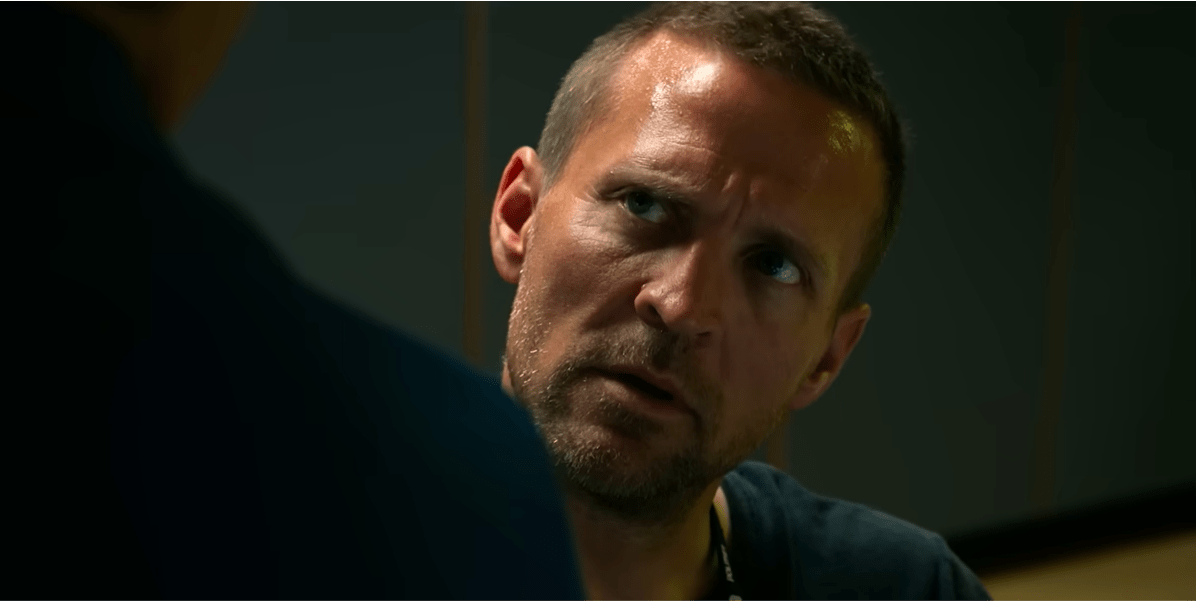
Notably, Harry’s firing is rescinded by none other than Agnes, in a bizarre move that almost defies logic at first. However, this could easily be a ploy to keep one’s enemies closer, as we still don’t know just how deeply she is embedded in the crime network or whether she has any interest in helping the police. This can very well also be a trap tailor-made for Harry and his team, which once again puts the people they care about at risk. Harry’s relationship with Rakel is already at a fragile state, and one push might be all it takes to bring their dynamic to a crash once again. However, for now, Harry’s life seems to be returning to how it used to be, for better or for worse.
Read More: Is Jo Nesbø’s Detective Hole a True Story? Is Harry Hole Based on a Real Detective?


You must be logged in to post a comment.