
 Kriti Mehrotra
Directed by Rory Kennedy, Netflix’s ‘Queen of Chess’ is a documentary that explores the life and career of the greatest female chess player in history. Judit Polgár was a prodigy in every sense of the term, but she still had to battle sexism as well as skepticism at the international level before she could truly claim her rightful place as a legend. That’s precisely what the production delves into, with the help of not only her loved ones but also industry experts and her hero-turned-rival-turned-mentor/friend, Grandmaster Garry Kasparov.
Judit Polgár Created History With Her Dedication to Her Passion
Judit Polgár was born on July 23, 1976, in Budapest, Hungary, into a Jewish-Hungarian household helmed by Klára Polgár and László Polgár as the youngest of their three loving, brilliant daughters. Her father always believed that children could become exceptional geniuses if they were properly trained in a specialist subject from an early age, so he decided to “experiment” on his little girls. He and his wife chose the game of chess before starting to teach their daughters its rules the moment they turned 5, so they never attended traditional school because it wasn’t their priority.
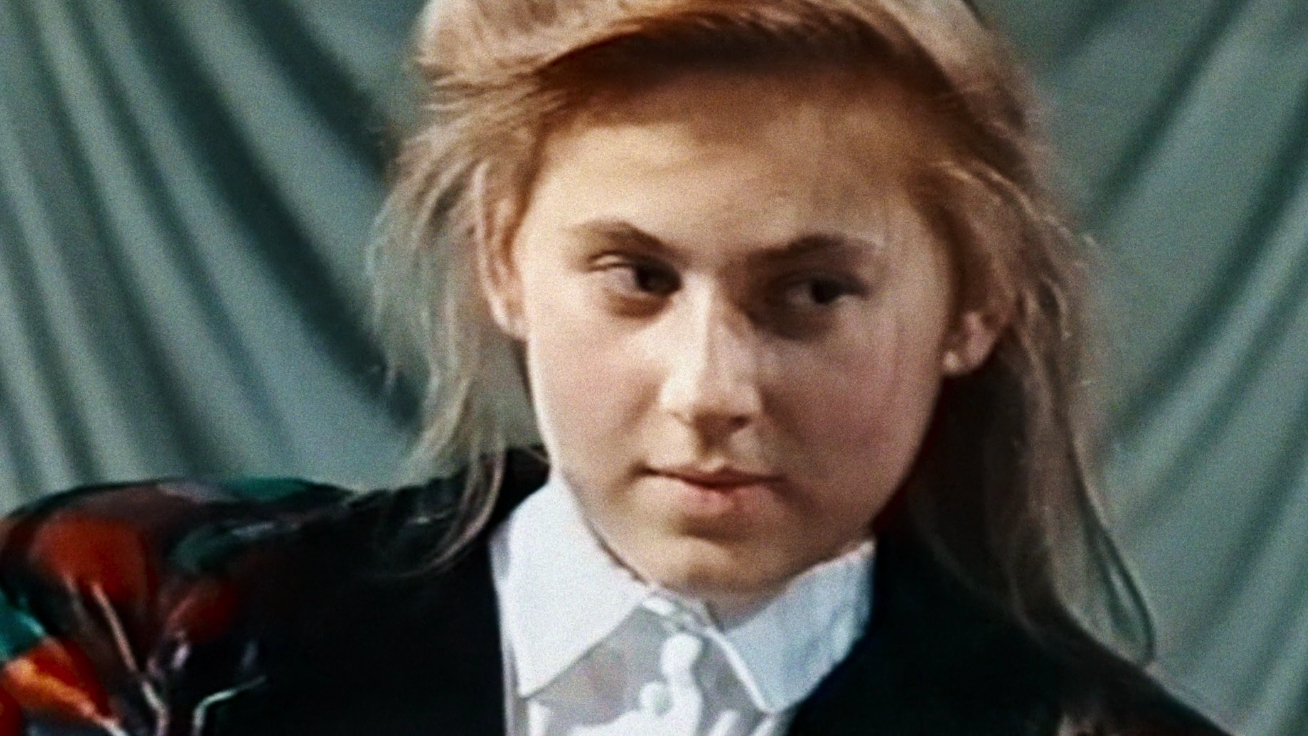
Since Judit was the youngest, she was initially separated from her sisters when they were being coached and homeschooled, but this only sparked her curiosity for the subject matter even more. Therefore, she jumped headfirst into the game as soon as she was allowed, which paved the way for her to develop her signature aggressive style as well as a variation of her own unique tactics. She even began competing less than a year later, making her local tournament debut at the age of 6 and her international tournament debut at the age of 9, where she quickly proved her mettle. Whether it be the female division or the male division, she conquered it all.
In fact, Judit became the youngest player to break into the International Chess Federation’s (FIDE’s) top 100 rating list at rank #55 at the tender age of 12 in January 1989. She also rose to the top-rated woman in the world with this rank, which is a title she proudly held for 26 consecutive years until she officially retired from competitive chess in 2014. As if that’s not enough, in December 1991, she had become the youngest player to earn the title of Grandmaster at 15 years and 4 months, long before she earned her peak ranking of #8 in 2004 and peak rating of 2735 in 2005. Her love for chess was evident in the way she competed and her success.
Judit Polgár Continues to be a Key Figure in the World of Chess
When Judit decided to step down as an active professional chess player, she reportedly did so to spend more time with her growing family and have a good work-life balance without major worries. Nevertheless, she didn’t step away from the game as a whole because she knew it would be a disservice to who she is, her familial history, and chess itself, owing to all that she still had to offer. In June 2015, she was appointed the captain and head coach of the Hungarian National Men’s Chess Team, with whom she remained for a while before moving on to other endeavors. The same year, she also received the highest Hungarian acclaim, the Order of St Stephen.
Since then, Judit has evolved into a Senior Trainer under the banner of the International Chess Federation, all the while also being an author, a public figure, and a chess education advocate. The now 49-year-old has penned several books over the years, including ‘Chess Playground,’ ‘Alma,’ ‘Master Your Chess,’ ‘From GM to Top Ten,’ ‘How I Beat Fischer’s Record,’ and ‘A Game of Queens.’ She has even worked on chess exercise books for young children and methodological resources for teachers for the two programs she developed under her Judit Polgar Chess Foundation. While Chess Palace is for primary school children, Chess Playground is for pre-school children.
As if that’s not enough, Judit hopes that through her work with chess as an educational tool, she can promote lifelong learning, skill development, social development, love of sports, and talent management. That’s why she has even created courses such as Materialism in the Opening, Weak Color Complexes, Positional Sacrifices, Passed Pawns in the Endgame, Tactics Training, and much more, all of which are available on her website. So, it’s no surprise that she was not only inducted into the World Chess Hall of Fame in 2021 but was also awarded the FIDE 100 Award as the best female player in 2024. The rising public speaker is currently also affiliated with Chess.com and attends several chess events throughout the year.
Related
Judit Polgár is a Loving Family Woman Enjoying the Fruits of Her Labor
Despite playing competitive chess for over three decades, Judit never competed for the women’s world championship because her priorities had changed over time. While she always had the desire to be the best of the best, she never felt the need to prove it through this avenue because she wanted to have a life where she could focus on her family, too. “You have to be very selfish sometimes”, she once candidly said upon being asked what it means to be a chess player. “If you are in a tournament, you have to think of yourself —you can’t think of your wife or children — only about yourself.”
However, Judit’s sense of selfishness was different after she had entered her 20s, tied the knot with the love of her life, Gusztáv Font, and started a family. “Chess is my profession, and of course, I hope to improve,” she once asserted. “But I’m not going to give up everything to become world champion; I have my life.” Thus, today, she is proud to lead a happy, healthy life while surrounded by her veterinary surgeon husband and their two children, a son born in 2004 named Olivér and a daughter born in 2006 named Hanna. From what we can tell, she is still based in her home country of Hungary, where she is now an empty nester and hence embracing travel, new opportunities, and quality time with Gusztáv.


You must be logged in to post a comment.