
 Shivangi Sinha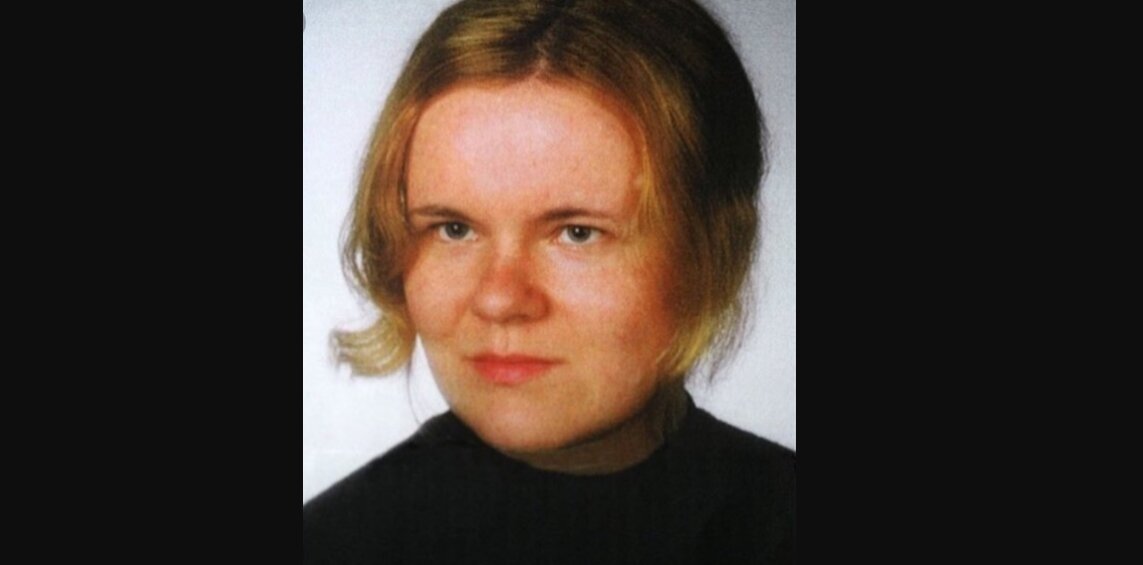
In January 1999, a crew on a tugboat found human skin stuck to its propeller near the Dąbie barrage on the Vistula River in Poland. They quickly informed the police, and as more dismembered remains were found, the police used forensic DNA technology to identify the victim as Katarzyna Zowada. She had been reported missing a couple of months earlier, and there had been no sign of her. However, with little known information about the perpetrator, the police struggled to find leads until years later. In HBO Max’s ‘Fit for a Killer,’ people close to the case share details on how the investigation progressed and what happened.
Katarzyna Zowada’s Remains Were Never Fully Recovered
Katarzyna Zowada was born on June 1, 1975, and was raised in Poland. Her mother and father always encouraged her to find her own path in life, and that is what she did. She excelled academically, but she was always quiet and preferred not to draw much attention to herself. She eventually enrolled at Jagiellonian University in Kraków, Poland, but she also faced many personal struggles. When she lost her father, it was a tough time for her. She struggled with her mental health, and by late 1998, she was even seeking professional help from a psychiatrist. On the morning of November 12, 1998, she was supposed to go to a doctor’s appointment with her mother, but she never arrived.
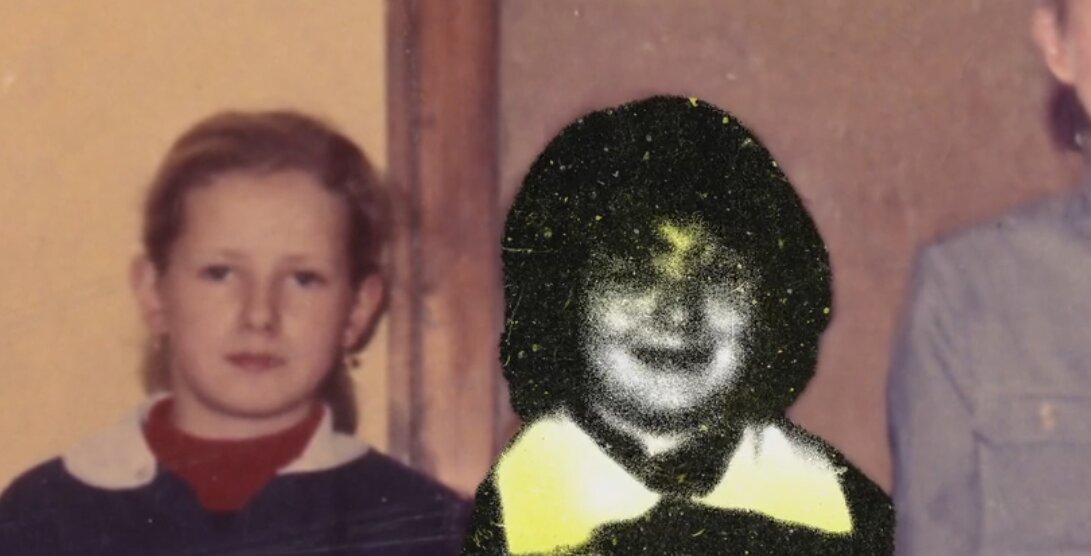
No one saw Katarzyna after that, and she remained missing despite the efforts of the police and her family. On January 6, 1999, the crew on the tugboat Elk called for help after realizing that something was stuck on their propeller. They were stationed at the Dąbie barrage on the Vistula River, and when the police arrived, they found human skin on it. It was taken for testing, which showed that it was from a female body and had been stitched together to form something like a bodysuit. The search in the river continued, and on January 14, the police found a right leg as well. The rest of the remains were never found, and when the DNA testing was done, it was confirmed to be that of Katarzyna. In 2012, a report on the case stated that Katarzyna had been physically assaulted before she was dismembered, and it also suggested that she might have been alive during it.
The Accused Killer Had Allegedly Visited Katarzyna Zowada’s Grave Many Times
After the identification of Katarzyna Zowada’s remains, the police were not able to generate any leads. There was no further information, and the case eventually went cold. In 2012, the remains were exhumed, and based on the injuries, forensic experts were able to create a profile of the perpetrator. It detailed that the killer had a propensity for sadism and would likely have some knowledge of skin dissection. It also suggested that the perpetrator could be someone who knew some form of martial arts. In October 2017, the police arrested a man named Robert Janczewski. He had lived in Kraków for most of his life.
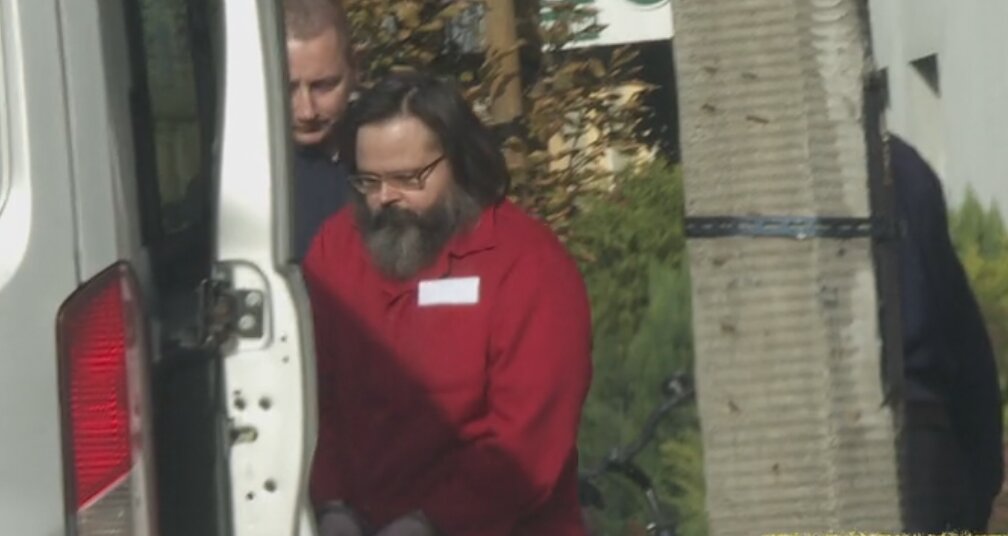
He had also worked at the Institute of Zoology at Jagiellonian University, where animal skins were prepared, and had been terminated after all the rabbits died under his supervision. Robert had been trained in martial arts, and people close to him alleged that he had a history of harassing women he had come into contact with. The police also alleged that he had visited Katarzyna’s remains many times. At the time of his arrest, his home was searched, and blood was allegedly found inside the house. The police further said that he had been on the list of suspects since 1999, but was only arrested after a friend wrote a letter to the police in 2017. However, the details of the letter have not been made public.
Katarzyna Zowada is a Free Man Living in Poland Today
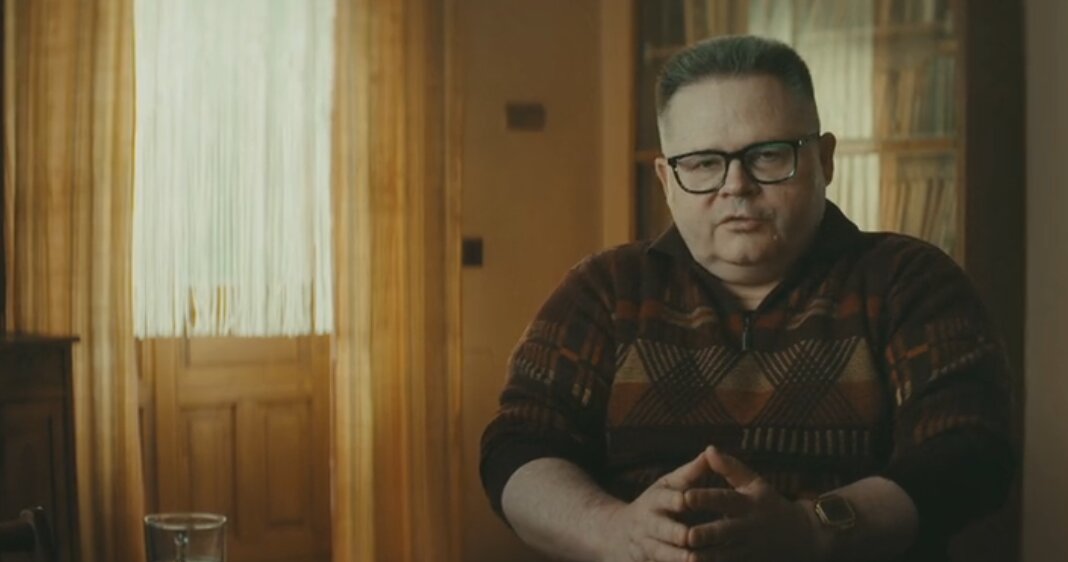
Robert Janczewski was charged with aggravated murder with particular cruelty. He remained in custody as the investigation into him continued, and in September 2019, the prosecutors requested a closed trial due to the media and public attention surrounding the case. In 2022, he was found guilty on both counts and sentenced to life in prison. However, in October 2024, the Court of Appeal in Kraków overturned the conviction and acquitted him, applying the in dubio pro reo (benefit of the doubt) principle because the evidence was deemed insufficient. He was released the same day. He has been a free man since then and maintains his innocence.


You must be logged in to post a comment.