
 Shivangi Sinha
Lifetime’s ‘Checkmate’ follows the story of Brittany, a detective determined to solve a case involving a serial killer who appears to use the game of chess to select his next victims. Realizing that time is running out, she becomes desperate to get ahead of him and put an end to his killing spree before more lives are lost. To do so, Brittany seeks the help of her estranged father, a renowned chess master whose expertise may hold the key to understanding the killer’s methods.
However, working together proves far from easy. Years of unresolved emotions and personal conflict complicate their partnership, and Brittany soon realizes that she must confront her own feelings if she hopes to make progress in the investigation. Directed by Jamal Hill, the film explores how certain professions can blur the line between the personal and the professional, often demanding difficult sacrifices. At its core, it is a story about overcoming personal struggles and rising above emotional barriers in order to accomplish a task that could save countless lives.
Checkmate Seems ot be Inspired by the Tactics Employed by Real Serial Killers
‘Checkmate’ builds much of its tension around the pursuit of a serial killer. While the detective work, police procedures, and challenges involved in tracking violent offenders are themes that audiences are already familiar with, the film itself is not based on any specific true story or real-life individual. Written by Patrice Escoto, the thriller presents a fictional narrative that uses elements commonly associated with crime investigations to drive the plot forward. The aspect of the storyline in which the killer uses chess as part of his method appears to draw inspiration from the unique MOs, symbolic clues, and misleading tactics that some criminals have employed throughout history. However, the events depicted in the film are not based on any actual incident or known criminal case.
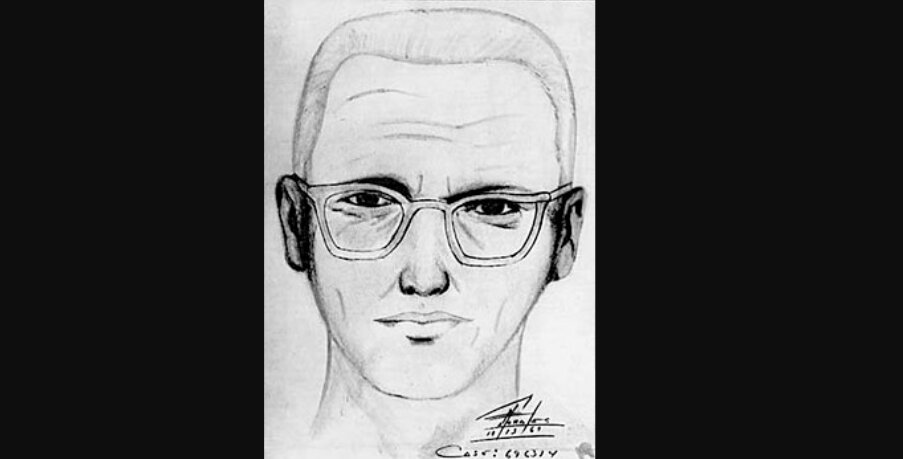
In the movie, the serial killer uses symbols, patterns, and hints drawn from the game of chess to toy with detectives and stay one step ahead of the investigation. While the film is fictional, the idea of a killer using coded messages and psychological tactics has real-world parallels. One of the most well-known examples is the Zodiac Killer, an unidentified serial killer who operated in Northern California between December 1968 and October 1969. During his crime spree, he sent a series of handwritten letters to newspapers and law enforcement, many of which contained cryptograms and coded messages. One famous communication included portions of a 408-symbol cipher that he claimed revealed his identity. Despite decades of investigation, the Zodiac Killer has never been conclusively identified, arrested, or convicted.
The Movie Shows the Psychology of Serial Killers That Drives Them
As shown in ‘Checkmate,’ some serial killers leave behind clues, symbols, or messages and even open lines of communication with the very investigators trying to arrest them. Criminal psychologists have often suggested that such behavior can stem from a desire to relive their crimes, exert control over the investigation, taunt authorities, or simply make the experience more exciting for themselves. A well-known real-life example is Dennis Rader, better known as the BTK Killer. Throughout his years of evading capture, he sent letters, puzzles, photographs, and other materials to local media outlets and law enforcement. In one puzzle, he even concealed clues pointing to his own identity. Ironically, those communications ultimately contributed to his downfall. Rader was arrested on February 25, 2005, after investigators traced metadata from a floppy disk he had sent. He later confessed to ten murders and was convicted the same year.

Over the years, there have been many real-life cases involving serial killers, and just as much fascination with the detective work that goes into identifying and capturing them. Numerous documentaries, television series, and films have drawn inspiration from these investigations. While the movie does not base its story on any one real case, it finds its sense of reality by drawing parallels to elements that have been seen before. From coded clues and cat-and-mouse games to the emotional toll of investigations, the film incorporates themes that are familiar from real criminal cases.
Read More: Is Maximum Pleasure Guaranteed Based on a True Story?


You must be logged in to post a comment.