
 Abhiroop Das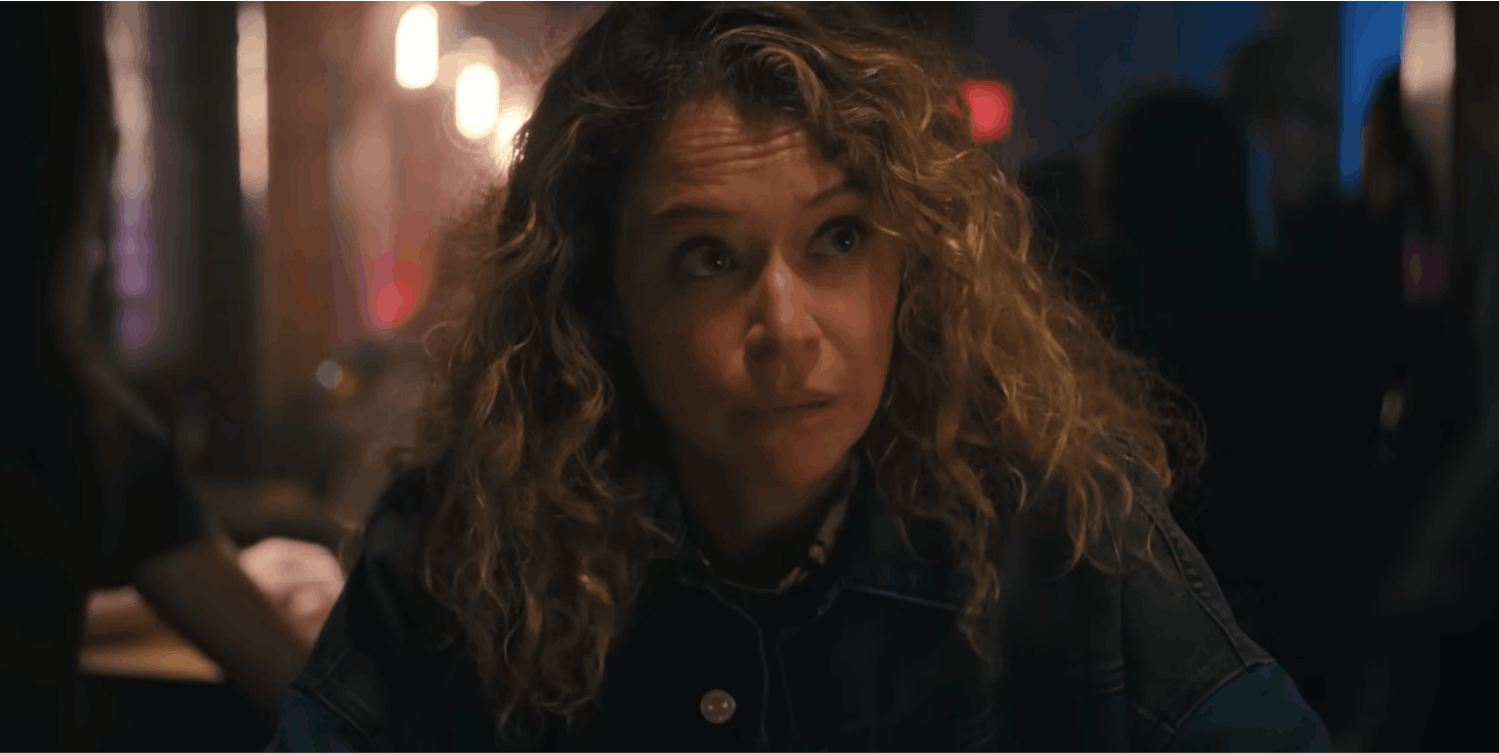
Created by David J. Rosen, Apple TV+’s ‘Maximum Pleasure Guaranteed’ is a comedy murder mystery series that follows Paula, a successful journalist whose life feels painfully empty once the workday ends. Apart from the few days she gets to spend with her daughter, Hazel, most of her nights are defined by loneliness and restlessness. Looking for some kind of escape, Paula drifts into the world of cybersex and becomes increasingly attached to a cam worker named Trevor. What starts as a private distraction from the worst parts of life quickly turns into something far more dangerous.
During one of their webcam sessions, Paula witnesses an incident that leaves her shaken, pulling her into a web of blackmail, violence, and murder. The harder she tries to figure out what really happened, the deeper she gets trapped in a situation she no longer understands. In bringing this nightmarish reality of hers to life, the show blends in the digital world with the real one, showing just how loose one’s grip on life can get.
Maximum Pleasure Guaranteed is a Fictional Mystery Story in the Vein of Scooby-Doo
‘Maximum Pleasure Guaranteed’ is a work of fiction penned by David J. Rosen, with no direct resemblance to any real-life incident. When it comes to the show’s unique stylistic choices, however, Rosen has pointed towards a handful of influences in his conversation with CBR. One of the more prominent inspirations in this case is the ‘Scooby-Doo‘ franchise, which, alongside classic shows like ‘Murder, She Wrote,’ is a series Rosen and his team grew up watching. To that end, threading Paula’s story into this show allowed him to revisit and reimagine some of the genre’s defining tropes, which he playfully dubbed “Scooby snacks.”

Another important element in designing the story was its sense of relatability, as Rosen explained that he wanted to introduce familiarity with the show through settings like the workplace or comic interactions with neighbors. “We all have our life struggles,” he elaborated, “but let’s throw that spectacular sense of circumstance into our daily routine.” Rosen’s goal with this exercise was to see how well someone can relate to Paula’s journey, and, to that end, the show’s creative process is a success. While Paula’s story may be fictional, it maintains a sense of realism, creating an immersive effect.
Paula’s Feelings of Loneliness Are at the Heart of the Narrative
Among the many concepts introduced throughout the show is Paula’s constant battle with loneliness and isolation, which actor Tatiana Maslany essays with great sensitivity. In the CBR interview, director and executive producer David Gordon Green expressed that Paula’s motherhood was always going to be central to her character, one way or another. “It was devised that the only people she could talk to at work were, like, a generation younger than her.” The concoction of these generationally different lifestyles, experiences, and perspectives can be felt in every scene of the show, and only serves to add to the ‘Scooby-Doo’ aesthetics of television.
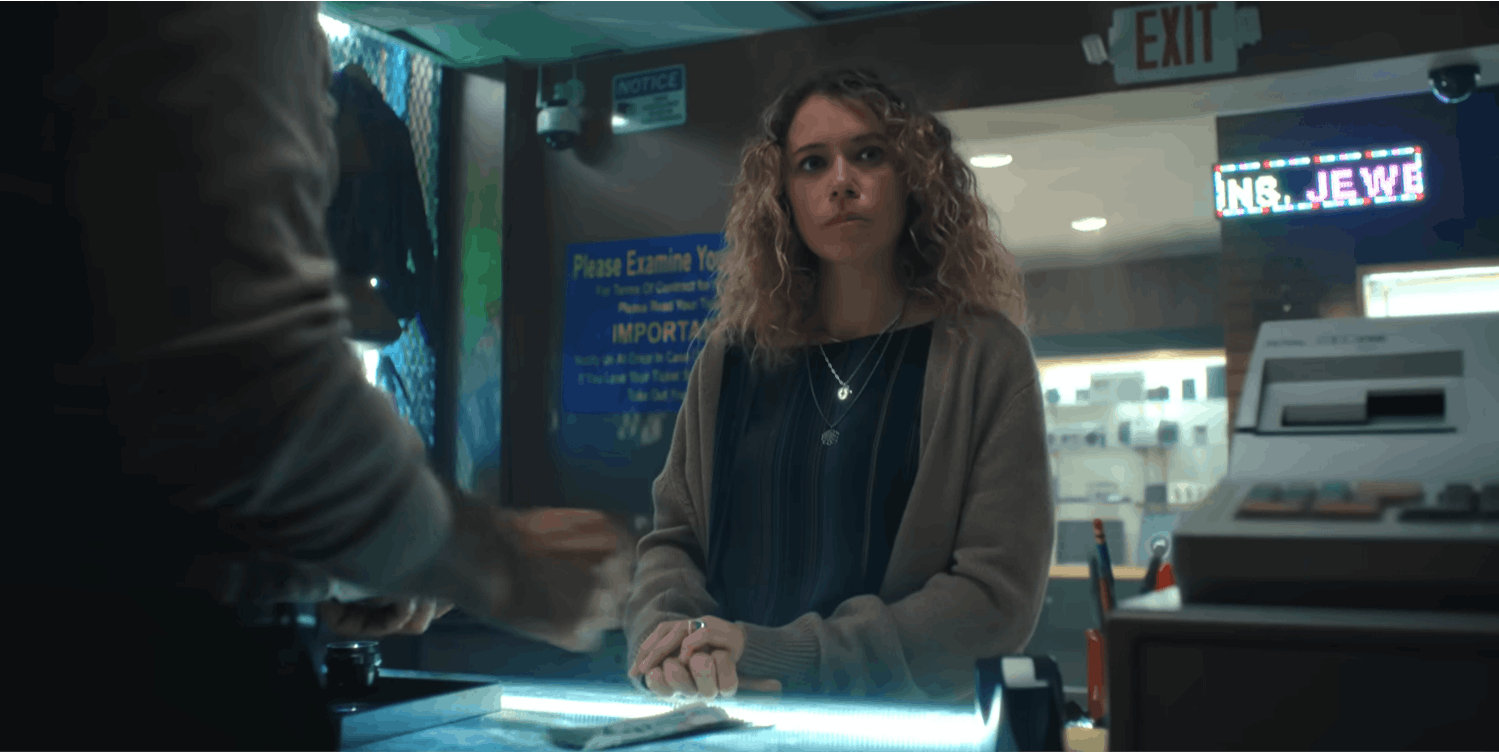
Green also connected some of Paula’s humorous choices to how he is in real life, especially in difficult decision-making. He recalled thinking, “You can get out of this if you just do this.” This seemingly inability to act on time on Paula’s behalf is purposefully handled by the creators to make her feel more human. For actor Tatiana Maslany, however, Paula’s characterization proved a perpetually enduring mystery, one she could still reach into after filming wrapped.
In a conversation with The Hollywood Reporter, Maslany spoke about essaying motherhood on screen: “I’m not a mother, I don’t know the in’s and out’s of it, so there’s a sense of fraudulence when I’m playing one (…) But that also feels right for Paula.” The actor’s aim was to capture all the shades of her character, which in turn makes the show a far more memorable and rewarding experience, regardless of whether it has a biographical element in its DNA.
Read More: Is Lifetime’s Friends Until the End Based on a True Story?


You must be logged in to post a comment.