
 Shivangi Sinha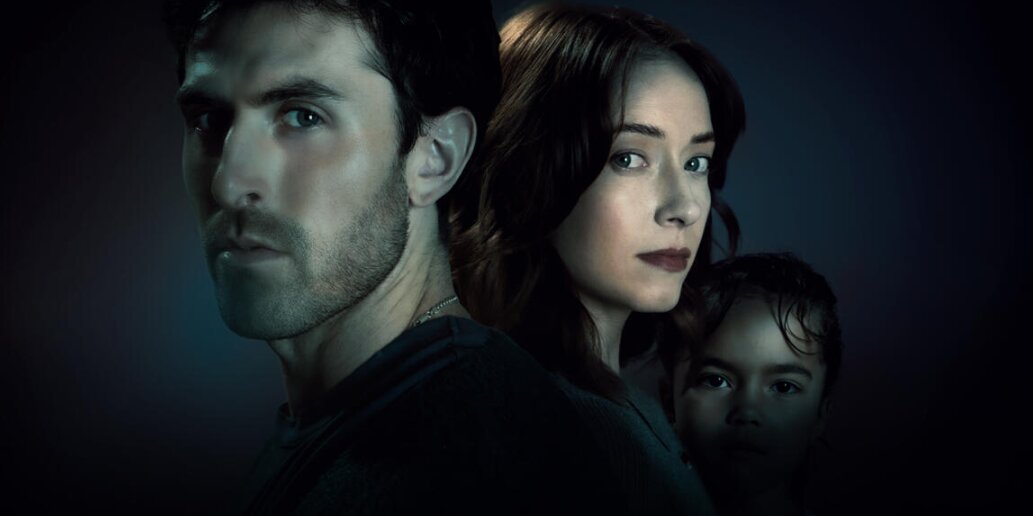
Lifetime’s ‘The Little Girl Who Didn’t Exist’ begins when Mel’s young daughter returns home from school and excitedly talks about a new friend named Sara. Delighted that her daughter has found someone to spend time with, Mel tries to learn more about the mysterious girl, only to discover that no one else seems to know who she is. At first, she assumes Sara might simply be an imaginary friend. However, that belief begins to change when Mel comes across small clues and personal belongings that suggest the girl truly exists. Convinced that someone is deliberately hiding Sara, Mel sets out to uncover the truth and protect a child she has never even met. In doing so, the film explores how vulnerable children can become invisible to the people around them and the devastating consequences that can follow when no one notices their plight.
The Little Girl Who Didn’t Exist is Likely Inspired By the Kidnappings of Kids in Plain Sight
Although ‘The Little Girl Who Didn’t Exist’ revolves around an unsettling mystery, it is an original screenplay and is not based on any one true story or documented case. Even so, its emotional core feels strikingly familiar because it echoes situations that have unfolded in real life, where vulnerable children have slipped through the cracks of the very systems meant to protect them. Across the world, there have been countless instances of neglected or abused children whose suffering went unnoticed. The film creates a fictional thriller that feels believable and serves as a reminder that sometimes the most frightening stories are the ones that could happen just beyond our sight.
In the film, Mel becomes convinced that Sara is not imaginary at all but a real child who is being deliberately kept out of sight. As disturbing as that idea may seem, history has shown that children have, sadly, remained hidden in plain sight. One of the most harrowing examples is the case of Danielle Crockett from Plant City, Florida. In 2005, authorities found the nearly seven-year-old locked inside a filthy, dark room after a neighbor caught a glimpse of her through a broken window. Investigators determined that she had spent years isolated, severely neglected, and deprived of normal human interaction. Her mother, Michelle Crockett, was arrested and later lost her parental rights. Danielle’s case remains one of the starkest reminders that a child can be physically present yet effectively invisible to the world around them.
The Movie Shows the Plight of Children Who are Intentionally Kept Away From the World
The film also highlights how a child’s suffering can remain concealed even when they are surrounded by a seemingly close-knit community. One real-life example is the case of Elisabeth Fritzl in Austria. In 1984, her father, Josef Fritzl, lured the 18-year-old into a concealed basement beneath the family home in Amstetten and imprisoned her there for 24 years. During that time, he repeatedly abused her and fathered seven children with her. While some of the children lived with Elisabeth in the hidden cellar, others were raised upstairs by Josef and his wife, who believed Elisabeth had joined a religious cult after receiving letters he had forced her to write. It came to light only in 2008 after one of the children became critically ill and required hospital treatment.

‘The Little Girl Who Didn’t Exist’ suggests that a collective conscience can often override the doubt and hesitation that prevent people from acting on their instincts. It argues that even when the truth appears implausible, choosing to ask difficult questions can make all the difference. Mel’s determination becomes a reminder that one person’s refusal to look away has the power to transform the life of someone who has been silenced or rendered invisible. Although presented as a fictional thriller, the film underscores the importance of vigilance and the courage to pursue the truth when a vulnerable child’s safety may be at stake.
Read More: Is Lifetime’s What She Didn’t Tell Me Based on a True Story?


You must be logged in to post a comment.