
 Diksha Sundriyal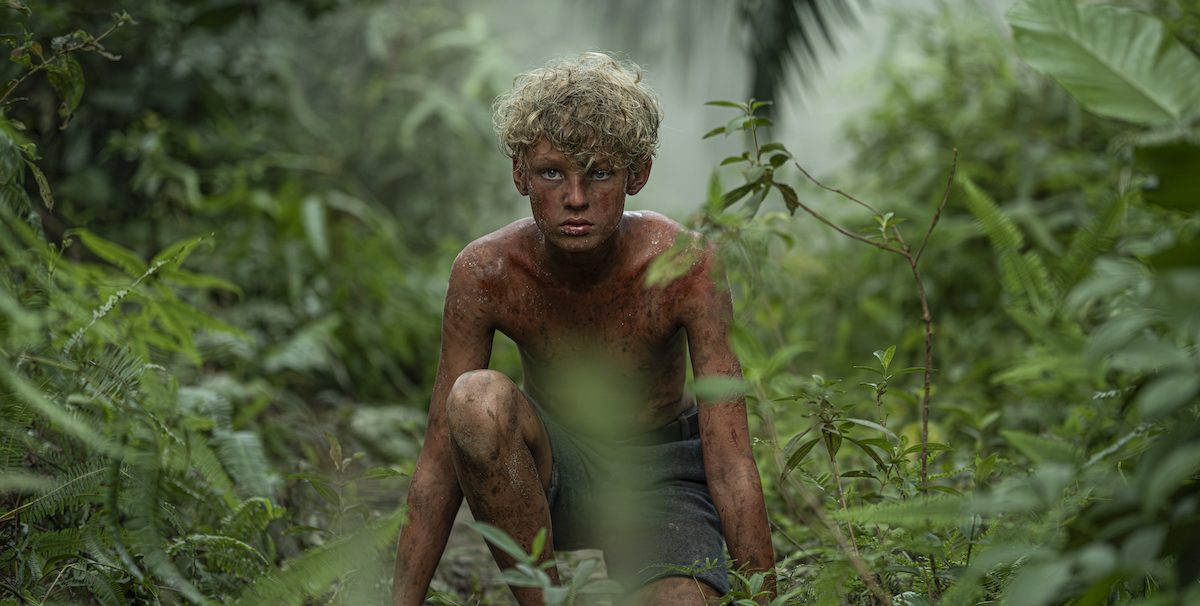
Netflix’s four-part miniseries, ‘Lord of the Flies,’ delves into the psyche of a group of boys who are stranded on an island without any adults following a plane crash. What starts as the need to ensure the group’s survival turns into the fight for the survival of the fittest as the boys clash for power. They are soon stripped of the innocence of boyhood as violence becomes the norm. Many aspects of the characters and their actions raise interesting questions. This also includes the title, which is never directly addressed in the show but is hinted at in subtle ways, connecting to the story’s deeper themes. SPOILERS AHEAD.
The Physical Manifestation of the Title Appears in a Pig
While the show is called ‘Lord of the Flies,’ the phrase is never actually used by any of the boys. It is, however, shown to the audience, in all its glory, in the third episode, where we follow Simon’s perspective. By this time, Jack’s group has grown significantly, and they have also become much more feral than when Jack established the group. Simon, who was one of the choir boys in Jack’s group in the beginning and had been a friend to Jack before the events of the show, decides to stay with Ralph’s group because he doesn’t want what Jack and his group are selling. Much like Ralph and Piggy, he is disturbed by the escalation of their unhinged behavior and rightfully worries that they will turn to more violence in the future.
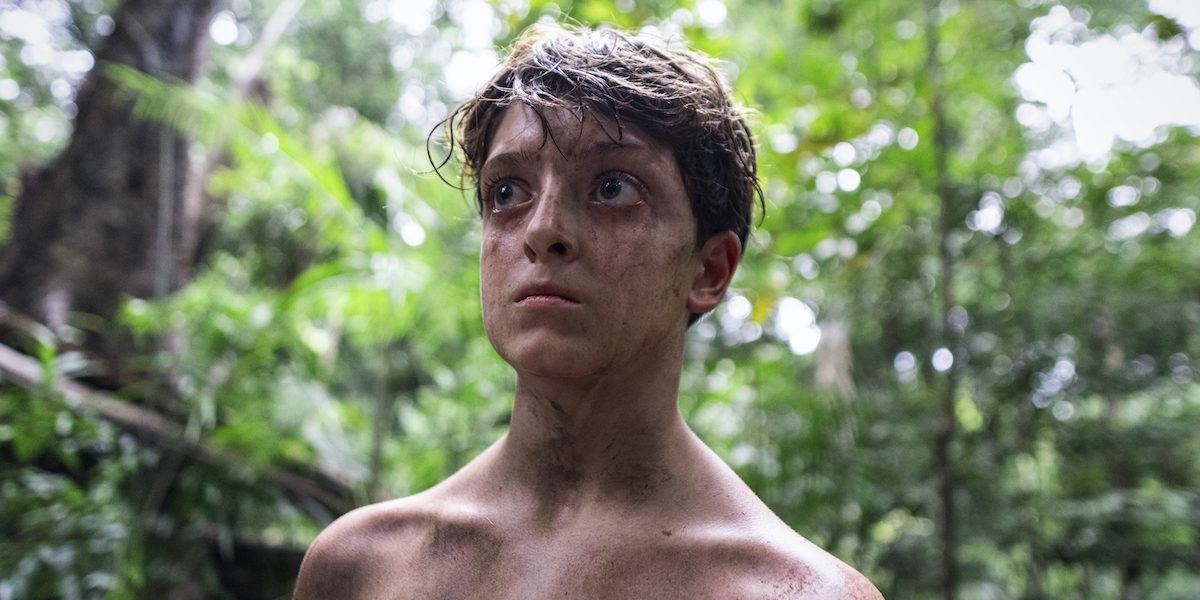
By this point, the existence of the beast has also been acknowledged. Ralph and Jack joined their forces to hunt and kill the beast once and for all, but when it showed its face to them, they all ran away in fright. None of them came back to see that their beast was nothing more than an illusion created by an overactive imagination. As if to keep this beast at bay, Jack’s group makes an offering to it. Previously, they’d killed a pig, whose head was mounted on a spike. At the time, it was part of the happy procession because Jack and his choirboys were happy that they had hunted a pig for everyone to eat. Now, however, the head stands in the middle of the woods, as an appeasement to the beast, to take the pig and leave the boys to themselves.
This dead pig’s head attracts flies, and later, Simon hallucinates the pig talking to him. Its mysterious voice tells Simon to leave, as this is not his place. It pokes at the boy’s fears and insecurities, forcing him to run back in fright. The scene gives off a strong sense that the pig’s head has become the devil indeed and is the true beast haunting the island, driving Jack and the other boys to go berserk, with nothing but blood on their minds. Notably, it is after the pig’s hunt and the mounting of its head on the spike that things go south for the group in a drastic manner. So, from a physical perspective, the pig’s head could be seen as the lord mentioned in the title, which is also used to describe Beelzebub. But there’s more to the title than that.
The Title Hints at the True Nature of Mankind
Calling the novel about the descent of innocent boys into a violent and chaotic bunch ‘Lord of the Flies’ feels rather fitting. This is especially considering that the phrase refers to one of the seven princes of Hell, known for gluttony and envy, among other evil things that ruin humans. In this context, the title summarises the book’s major themes, even giving a name to the beast the boys spend so much time fearing and thinking about. It feels like a dark shadow looming over the civility of the boys, which breaks easily, once the facade of good society is gone. Most importantly, it prepares the audience for the darkness that will define the story, particularly in the second half, where the violence and bloodshed reach another level.
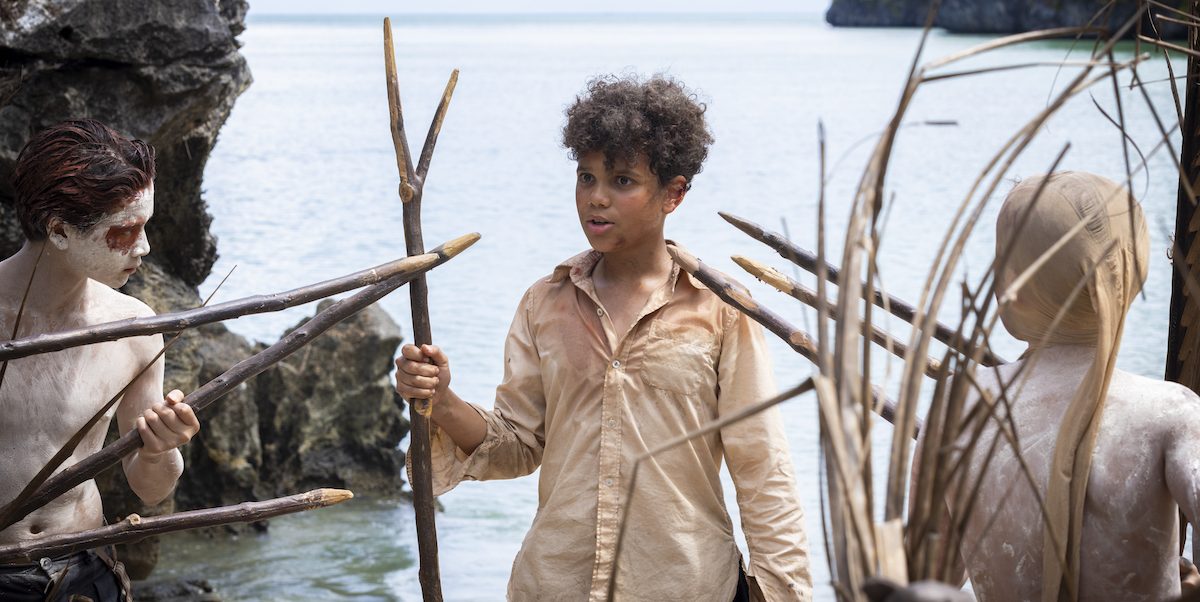
At its heart, however, the title refers to the humans themselves. William Golding wrote the book on which the show is based in the aftermath of two world wars, when the world was gripped by the constant fear of the next one. He had seen the ease with which humanity, despite its best inventions, repeatedly sank into bloodshed and violence. Worse, he knew that even after surviving the horrors of two wars, the world was headed towards another one all over again. At one point in the story, the children wonder where they went wrong when they did exactly as the adults would have done: seeking shelter, hunting for food, keeping the signal fire alive for the hope of rescue, and keeping the group together as much as possible.
What the kids don’t know is that the adults don’t know any better either. In the real world, they are messing just as much, if not more than, what the kids do on the island. Even now, the whole world seems caught up in an extended version of the paradisical island, ruined by the innate nature of man’s greed and violence. Thus, Golding’s experience of war led him to believe that man was inherently evil, and hence the very devil that haunts the world. Thus, man himself is “lord of the flies,” and by the end of the novel, boys like Jack become the same, refusing to stop until everyone is either like them or dead. It is fair to say that the title refers to the boys, or rather, what’s to become of them eventually.
Read More: Best Survival Shows on Netflix


You must be logged in to post a comment.