
 Diksha Sundriyal
Netflix’s ‘One Hundred Years of Solitude‘ tells the story of the Buendia family, who move to Macondo and create their own magical and violent oasis away from the world. Soon, however, the world finds its way to the town that is otherwise caught up in its own chaos, particularly when it comes to its founding family. The second season marks a massive shift with the arrival of the Americans, who bring United Food Company to Macondo. At first, it appears to be a sign of development, creating jobs and opportunities for the town’s residents and outsiders. However, the company’s owners’ greed leads to a shocking turn of events that ends in bloodshed, forever changing the course of the town’s story. What makes it more interesting is that this is one of the few things borrowed from reality in the show. SPOILERS AHEAD.
United Fruits Co was a Real Company in Latin America
While Gabriel García Márquez’s ‘One Hundred Years of Solitude’ is known for its unique characters and magical realism, he also touched on a real incident in Colombia’s history through the fictional lens of Macondo. In the second season, the United Fruit Company arrives after the town is opened to the world by the railroad and invests heavily in bananas. While Macondo is fictional, Colombia was a prominent banana exporter in the early 20th century. Established in 1899, the United Fruit Company was a real American company that entered the Latin American market. It had plantations in countries like Colombia, the West Indies, Costa Rica, Honduras, and Guatemala, and sold its produce in the US and Europe.
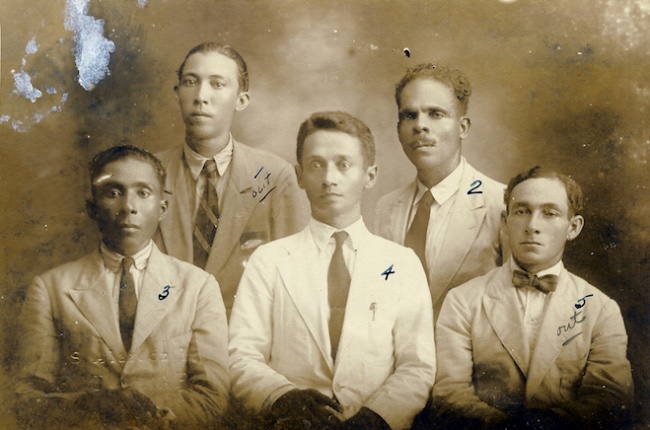
Over the years, its prominence and heavy profits allowed it to take control of certain regions of the country, particularly the areas around the plantations. These places, called the Banana Zones, developed into company towns, where people came from all over the country to find work. However, this control and profit were built on the backs of the exploited locals, who soon got fed up with the company’s profiteering policies. In October 1928, Colombia’s banana workers gathered to talk about their problems, which led them to unionize. The discussion ended with a list of nine demands to the company. The first demand was to hire the workers as employees rather than having subcontractors as mediators. They demanded insurance and compensation for work-related accidents and injuries.
The workers wanted six-day work weeks with a fixed number of hours, so they could actually rest and be with their families. They also wanted more hygienic living conditions, particularly regarding the toilets. Another major demand was for workers to be paid in cash rather than the company’s coupons. They also wanted a form of basic minimum wage and better hospital services, which had already been promised to them. All these demands were entirely logical and the bare minimum. However, the company refused to bow down to the workers. It didn’t even want to negotiate, and through its connections, it got the government to deploy soldiers to end the strikes.
The Banana Massacre is Borrowed From Reality
In ‘One Hundred Years of Solitude,’ when the workers refuse to stop striking, they are brutally killed at the train station, where they were asked to gather under the guise of a potential negotiation. A similar incident occurred in real life in the town of Ciénaga, near Santa Marta, Colombia. When the strikers refused to let up, General Carlos Cortés Vargas was sent to the town with a battalion to curb the growing rebellious sentiment. For two months, the workers tried to get the company to talk to them, but the United Fruit Company representatives refused to budge. On December 5, 1928, the workers flocked to Ciénaga after being told that the governor of Magdalena would meet them there to settle the terms of the agreement.
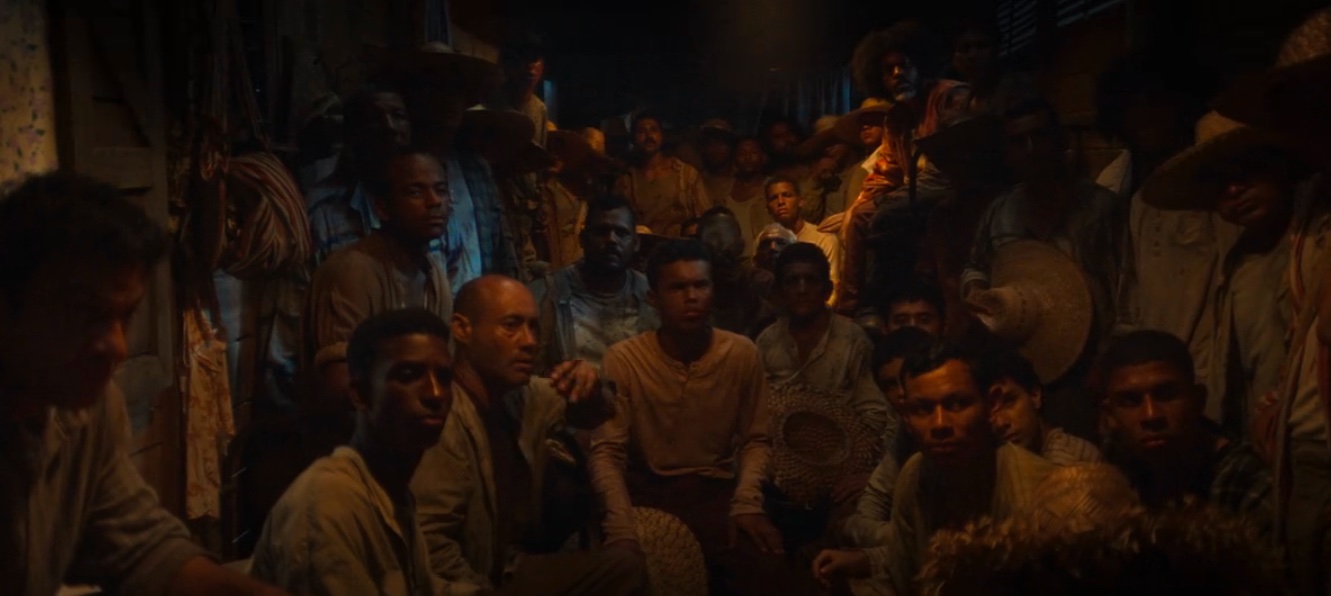
By midnight, thousands of strikers had gathered at the train station, but there was no sign of the governor or any representative of the company or the government. On December 6, 1928, the soldiers led by Vargas opened fire on the strikers. Later, the survivors and the eyewitnesses claimed that hundreds, if not thousands, of people had died in the massacre. However, the official account reportedly did not acknowledge this number. Reportedly, only nine bodies were found at the site of the massacre, allegedly to symbolize the nine demands of the workers. Different versions of the event and varying numbers of victims were reported by different sources, particularly in the government-controlled media at the time.
Some believed that remains of the dead were buried in mass graves, while others believed they were put at sea, which is what Jose Arcadio Segundo reveals when he returns home after escaping the massacre himself. The United Fruit Company did not stay long in Colombia following the massacre, which they did not even acknowledge. Eventually, its financial ruin led to its merger with another company in 1970, forming United Brands Company. In 1984, it met another massive shift and has since become Chiquita Brands International. García Márquez’s novel presents a fictional account of this tragic bloodshed, tying it to the roots of his country’s real history.
Read More: One Hundred Years of Solitude Season 2: Is Remedios the Beauty Dead?


You must be logged in to post a comment.